By Eunbeen Ahn. Cover Taline Raed Eid Nesheiwat.
How Italian Cinema Shaped Fashion Mood Boards
Ever wondered where your favorite high-fashion aesthetics actually came from? Long before TikTok trends and Pinterest mood boards, Italian cinema was the ultimate runway. In the 1950s and ’60s, the golden age of Italian film basically co-signed the global “Made in Italy” hype. Directors used tailoring, silhouettes and accessories to define characters, turning the screen into one of the earliest showcases for the Made in Italy aesthetic. From the OG “Quiet Luxury” to dopamine dressing suiting, here are five iconic Italian films that are still gatekeeping the best style codes in fashion history.
1. La Dolce Vita (1960): The Film That Defined Italian Tailoring
Federico Fellini’s masterpiece helped redefine how Italian menswear was seen around the world, turning the slim “Italian cut suit” into a global object of desire.Marcello Mastroianni’s look, a sharp-fitted black suit, crisp white shirt, and dark, square-framed sunglasses, instantly became the blueprint for effortless cool. Right after the movie dropped, sales for Italian-style shades went through the roof in the US and Europe, officially shifting sunglasses from a basic summer utility to an essential fashion flex.
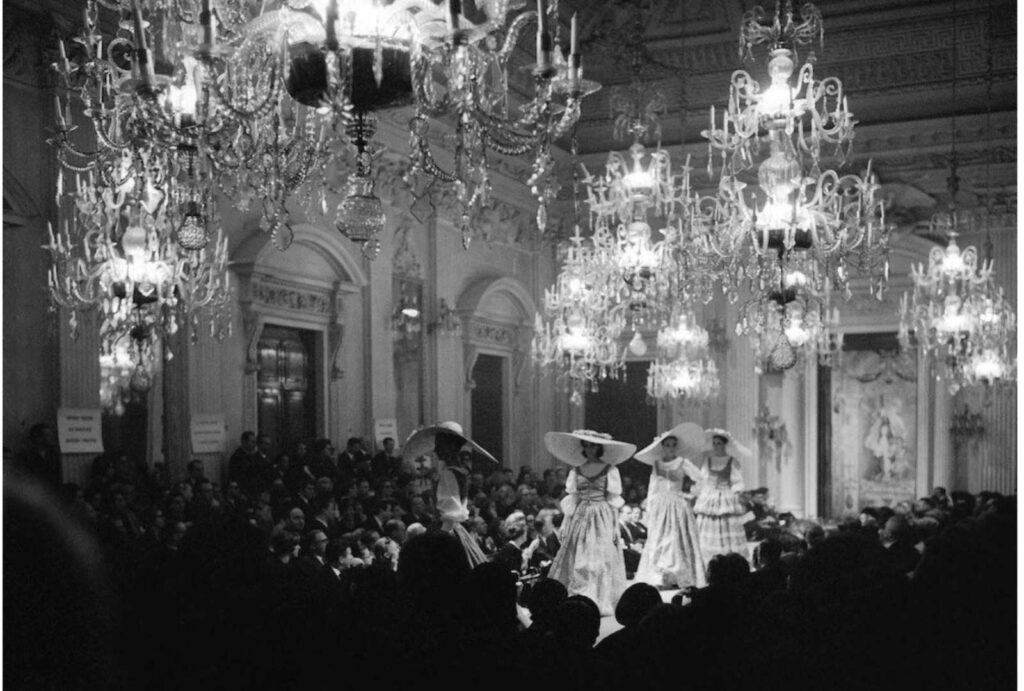
This vibe completely re-wrote the rules of menswear. While British suits were heavy and American fits were looser and more oversized, Italian tailors (including the legendary House of Brioni) kept things lightweight with natural shoulder lines. After Florence’s historic 1952 Sala Bianca fashion show started the Italian export wave, this movie officially sold the romantic Roman lifestyle to global buyers, sparking a massive import boom in high-end department stores.
2. I Am Love (2009): The Ultimate Quiet Luxury Manifesto
Set in a low-key wealthy Milanese industrial estate, Luca Guadagnino’s film is basically a visual textbook for high-end styling. Tilda Swinton’s insane wardrobe came from a full custom collaboration between Raf Simons (then at Jil Sander) and costume designer Antonella Cannarozzi.
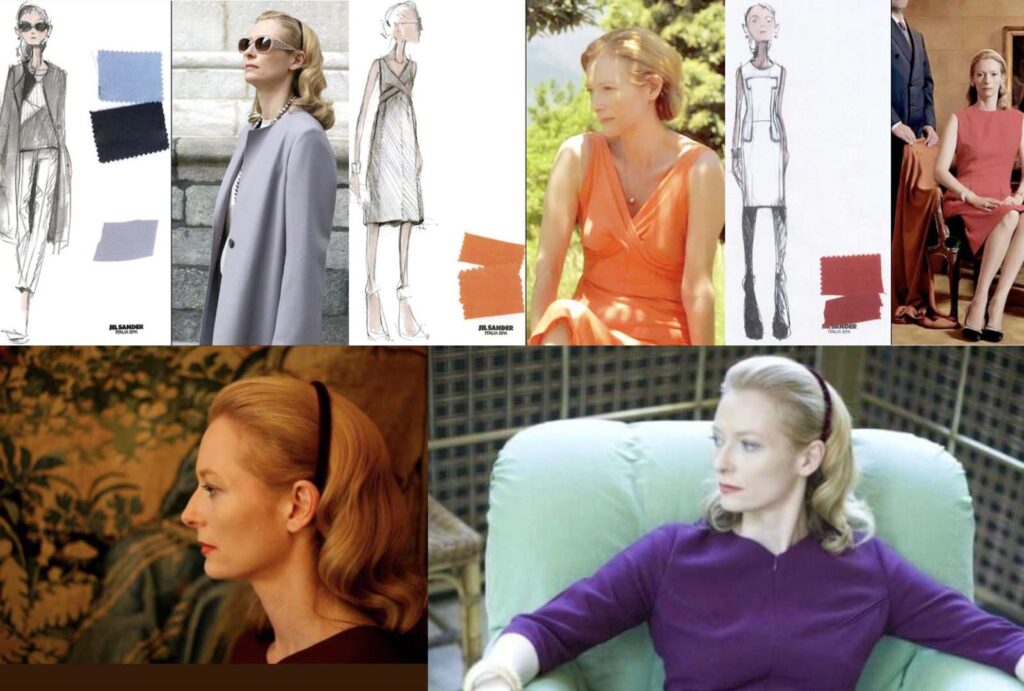
If you want to understand “old money” or “quiet luxury,” this is it. Zero logos. No tacky branding. The film conveys pure wealth through heavy wool textures, fluid Ottoman silk, and a curated color palette of lime, orange, and minimalist beige. It proved to the world that the ultimate fashion statement isn’t a massive logo, but flawless draping and elite-tier fabrics.
3. La Grande Bellezza (2013): The Italian Style Lessons Behind Sprezzatura
This Oscar-winning film by Paolo Sorrentino is basically a two-hour fashion editorial showcasing Rome’s elite nightlife. The main character, Jep Gambardella, wears suits that are works of art, custom-tailored by Cesare Attolini, a legendary Neapolitan tailoring house that has been crafting menswear since the 1930s.
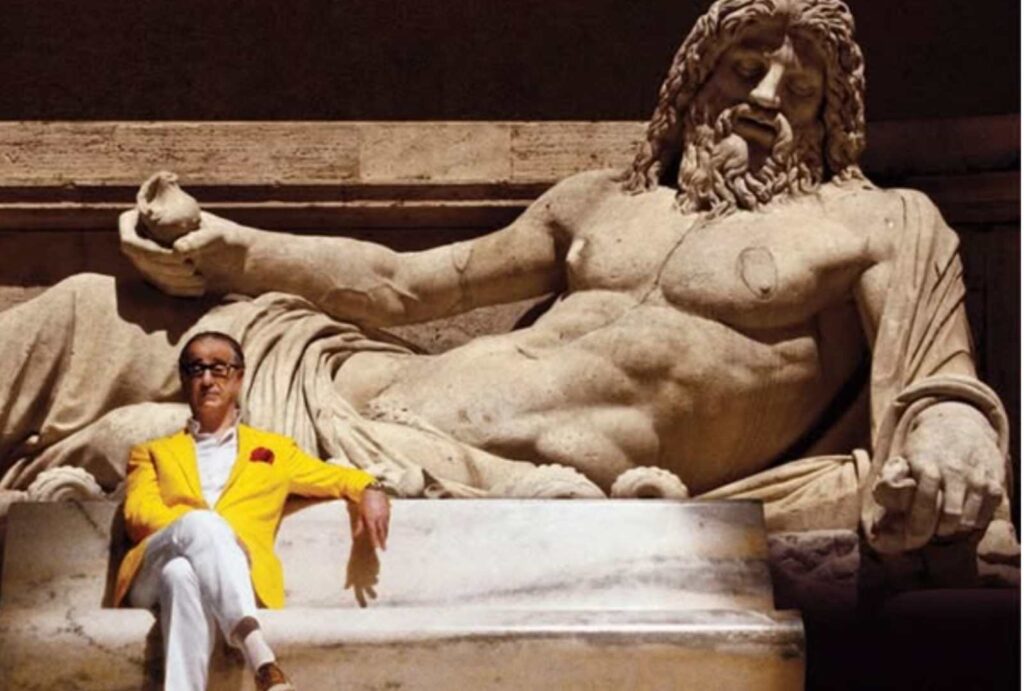
The film is a masterclass in classic Neapolitan tailoring, featuring spalla camicia (those soft, shirt-like shoulders) and unstructured jackets that keep everything effortlessly elegant. By pairing vibrant lemon yellows and deep Neapolitan blues with linen shirts and loafers, Jep perfectly embodies sprezzatura, the Italian art of looking impeccably stylish without appearing to try. Bold, colourful and effortlessly sophisticated.
4. House of Gucci (2021): How Italian Heritage Became a Global Fashion Obsession
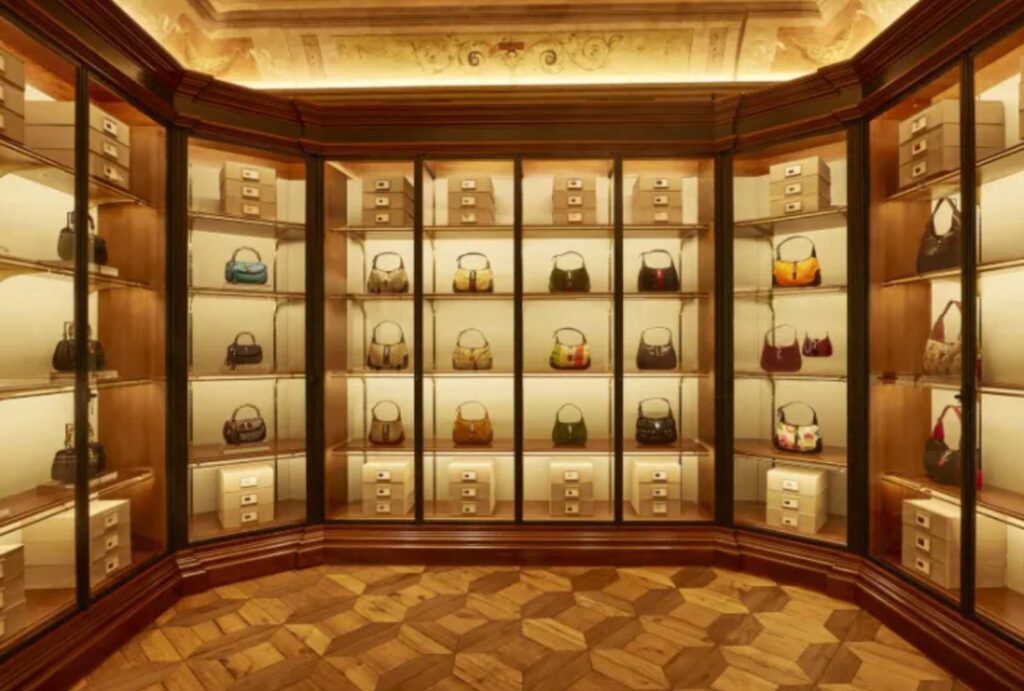
Even when filtered through a Hollywood lens, the allure of Italian fashion remains undeniable. Directed by British filmmaker Ridley Scott and shot entirely on location in Italy, from Milan to Lake Como, House of Gucci brought the dramatic history of the Gucci family to life, triggering a global revival of 1970s and ‘80s style. To ensure complete sartorial and historical accuracy, Gucci opened its ultra-exclusive heritage archive in Florence to the production, blending international cinema with authentic Italian fashion history.
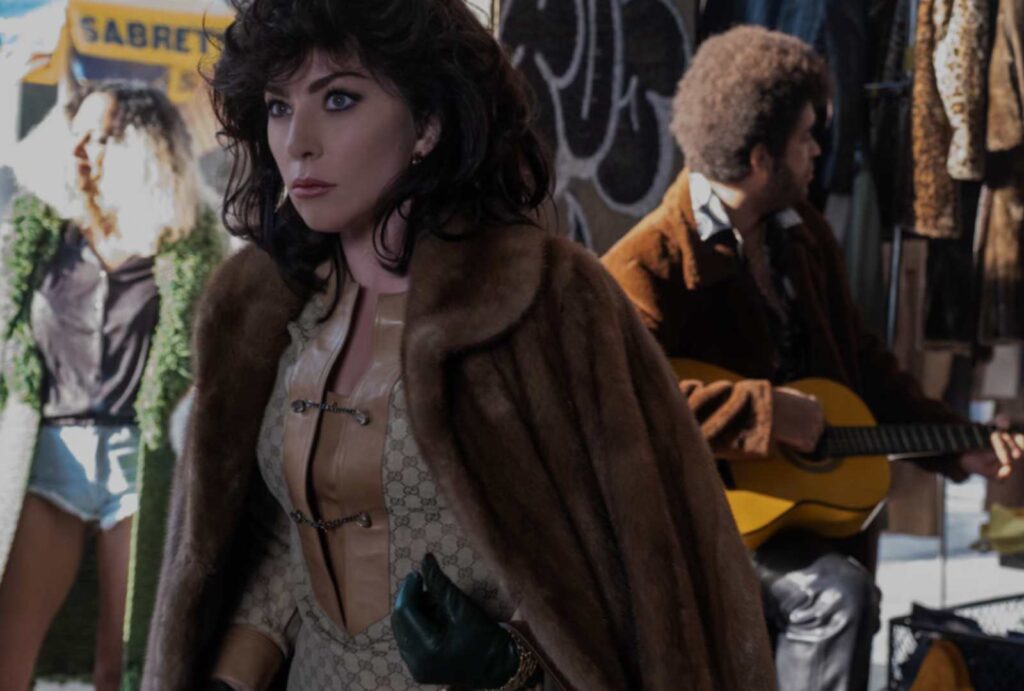
The film serves as a perfect masterclass in how global pop culture consumes Italian glamour. Featuring oversized aviator glasses, heavy luxury furs, chunky gold chain layers, and archival monogrammed silk scarves, the wardrobe visually tracks how Italian craftsmanship transitioned into a flashy, global status symbol of ultimate wealth. By showcasing genuine heritage pieces on an international stage, the film proved that Italian fashion aesthetics transcend national borders, defining global luxury trends for the 2020s scene.
5. La Chimera (2023): The Italian Film That Predicted the Sustainable Vintage Trend
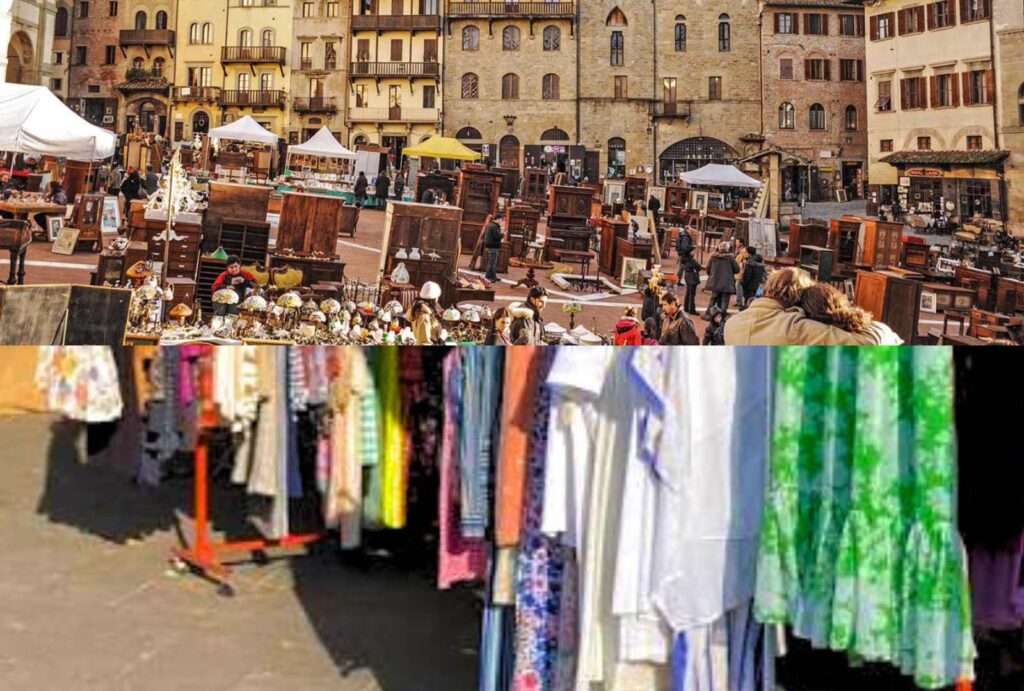
Directed by Alice Rohrwacher, this Palme d’Or-nominated Cannes competition film subverts the polished image of Italian fashion by embracing raw, imperfect textures. Instead of commissioning new designer clothes, costume designer Loredana Buscemi sourced the wardrobe from authentic
Tuscan flea markets and local artisan workshops. The film perfectly captures the mid 2026 shift toward “Sustainable Vintage” and deconstructed classics. The protagonist’s signature crinkled white linen suit and worn leather jacket highlight the beauty of patina the natural wear and tear of high, quality fabrics over time. It proves that true Italian luxury isn’t about looking flawless, but about embracing garments with history, craftsmanship and soul.