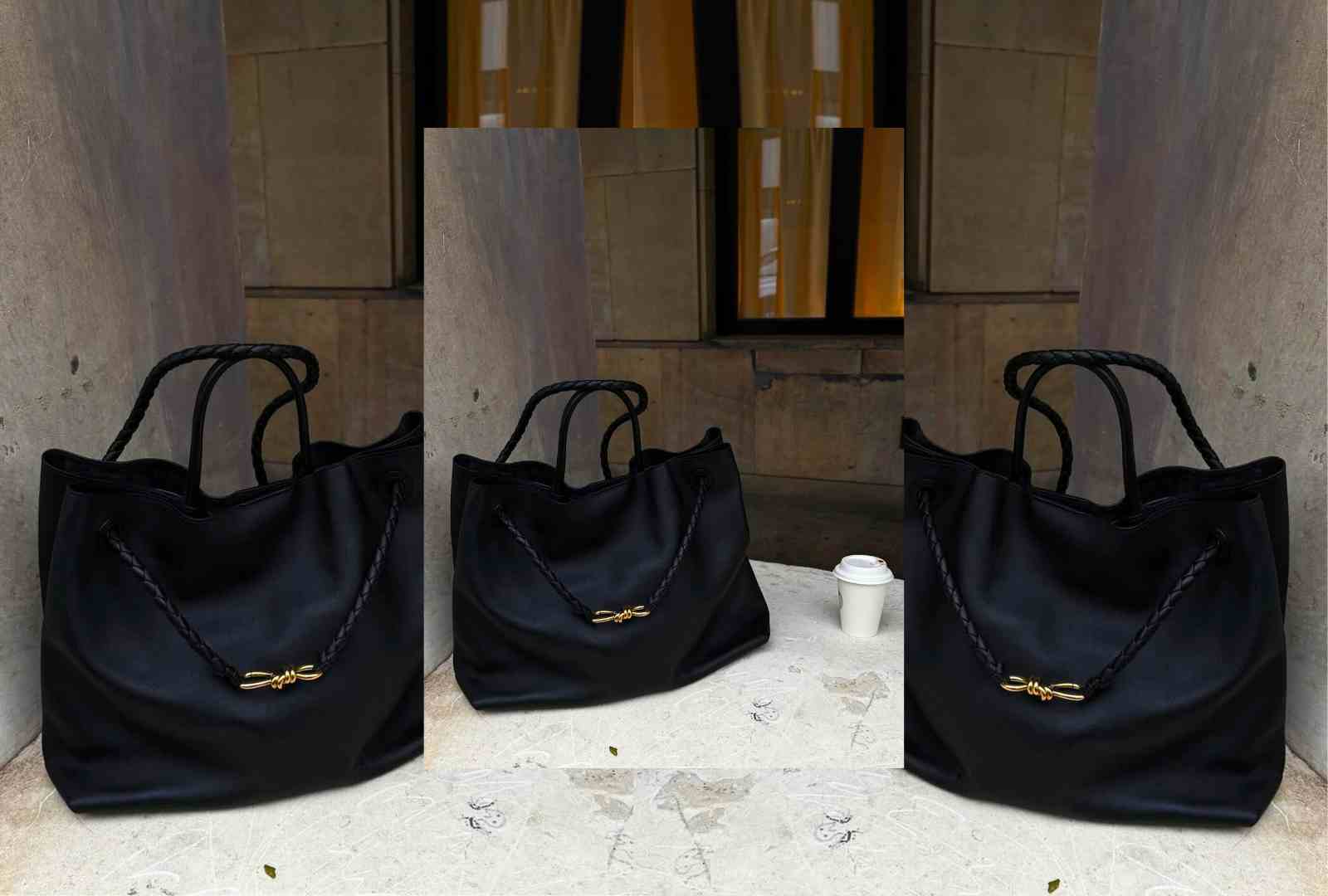
By Julia Hei Ling Mak. Cover Bottega Veneta courtesy
Why Accessories That Last Are the New Status Symbol
Many people own accessories they’ve never worn twice. In a world of fast fashion and fleeting trends, we’ve been conditioned to buy, discard, and repeat. But something needs to change. Re-wearable accessories—pieces designed for longevity, adaptability, and emotional connection—are becoming the new status symbol. They are a statement, a quiet rebellion against disposability, and a reminder of what’s truly worth keeping.
According to McKinsey’s Fashion on Demand report (2025), 92% of accessories purchased in fast fashion end up in landfills within seven years, contributing to 92 million tons of textile waste annually. This shift toward “buy less, choose well” is not only ethical but also economic: the luxury resale market reached €40 billion in 2025 (Bain & Company), with vintage pieces maintaining or even increasing in value.
Forever Accessories You’ll Actually Wear
Walk into any vintage store and you’ll find accessories from decades past still turning heads: the leather belt from the ’70s, the gold hoops from the ’90s, the silk scarf that’s survived three generations. These pieces lasted because they combined craftsmanship with timeless design.
The “buy less, choose well” philosophy is reshaping how we approach accessories. Instead of drawers full of trendy pieces that fall apart or quickly feel outdated, people are investing in fewer, better items that can be worn repeatedly without losing their appeal. It’s a shift from chasing what’s new to keeping what’s genuinely good.
Accessories That Last—and Can Be Fixed
Luxury brands are proving longevity is the new status. “Why spend more when cheap accessories look fine? If it breaks, I’ll just replace it.” It’s a fair point—until you consider what “cheap” actually costs. That €15 bag might look good for six months, but after a year of daily use, the handles fray, the lining tears, and the hardware tarnishes beyond repair. You replace it. Suddenly, you’ve spent €45 over three years on bags that now sit in a landfill—none of which you loved enough to repair.
Think of Bottega Veneta, the Milanese icon: their full-grain leather intrecciato bags age like fine wine, supported by a lifetime restoration service similar to Hermès (which repairs bags across generations). “True luxury lies in longevity,” said the creative director of A.P.C. in an interview with Vogue Italia (January 2026), announcing their modular repair program. Ferragamo also offers replaceable soles for shoes, reducing waste by 30%, according to their 2025 sustainability report.
Modular Accessories, Infinite Options
The best re-wearable pieces flip this logic entirely. They anticipate their own future, using materials that age beautifully: full-grain leather that develops character, solid metals that can be polished and restored, natural fibers that soften with wear. Yes, they cost more upfront. But they last years, not months. And when something wears out, you fix it instead of tossing it.
A 2026 report by ThredUp shows that investing in a €5,000 modular Hermès bag—with interchangeable straps—equates to 10 seasons of fast fashion, saving €2,000 net over five years. The rest? Accessories that actually gain value. High-quality leather bags and shoes age like fine wine—the more you use them, the better they become, carrying stories that give them meaning.
Hermès offers lifetime bag repairs. A.P.C. has repair programs. More jewelers are creating modular pieces with replaceable components. This reflects a different design philosophy: making things that deserve to be repaired, not hidden.
The result? Accessories that gain value over time. Real leather bags and quality shoes age like fine wine—the more you wear them, the better they look, carrying stories that add real meaning. Here’s where design gets interesting: bags with interchangeable straps, jewelry with swappable stones, belts with removable buckles. These pieces evolve with you instead of being replaced.
They solve the desire for novelty without the waste. One bag can feel new for years by simply changing the strap or hardware. Financially, too, a modular piece worn for five years outperforms buying cheaper replacements every season. It’s not just about physical durability, it’s about emotional durability. The best re-wearable pieces are versatile enough for everyday use, distinctive enough to feel personal, and well-made enough to withstand time. They sit in that sweet spot between classic and unique.
Think about what makes something “vintage” instead of simply outdated. Often, it’s restraint. A watch with clean lines and one thoughtful detail will outlast a design overloaded with seasonal trends. A classic leather bag with an interesting texture ages better than one chasing micro-trends.
Materials, Proportions, and Stories Behind Timeless Accessories
Accessories become truly “yours” when they’re part of how you show up in the world. Leading designers recognize that a truly lasting piece isn’t defined solely by its materials, but by the story it accumulates over time. Every decision—from proportions to hardware, from leather grain to clasp functionality—is guided by one critical question: will this age with dignity, or simply deteriorate? These choices determine whether something becomes a keeper—or landfill content. This shift toward re-wearable accessories isn’t just another trend; it’s a value shift. As consumers grow more aware of environmental impact and more tired of disposable culture, longevity becomes both an ethical and smart choice.
And re-wearable doesn’t mean boring. The best pieces still have personality—it simply comes through quality and thoughtful design rather than whatever is trending this month.
The accessories you invest in today could be the vintage pieces someone searches for in twenty years. Quality doesn’t just last—it becomes heirloom material.
Build a Wardrobe of Accessories Made to Last
So the real question is: Will I still reach for this in five years?
In a world of infinite options, the pieces you keep coming back to are the ones that truly matter. Your takeaway: build your forever collection. Choose accessories designed to last, be repaired, and remain special. As Stella McCartney declared in a talk at the Yale School of Management (2023): “The fashion industry needs to be called out. It has to change”.


