By Miranda Ustariz. Cover image: artwork by Naji Mychel Salomone Abou Rjeili.
Why is Gen Z obsessed with the decade of big shoulders, bold jewellery and unapologetic glamour? After years of quiet luxury and minimalist wardrobes, 1980s fashion is making a comeback. Power suits are returning to the runway, vintage Chanel accessories are gaining a new audience, and the wardrobes of Madonna and Hollywood’s most iconic characters are inspiring a fresh approach to personal style. Fuelled by archival fashion content and the growing appeal of second-hand shopping, this revival is bringing maximalism back into the conversation. Here are five reasons why 80s luxury fashion is capturing Gen Z’s imagination.
Cindy Crawford, Naomi Campbell and the Rise of the Original It Girls
Who needs an Instagram filter when you have supermodel attitude? Before social media transformed models into global personalities, Cindy Crawford, Naomi Campbell and Linda Evangelista were already redefining fashion celebrity. Emerging in the late 1980s, they helped establish the supermodel era that would dominate the early 1990s. Crawford embodied athletic American glamour, Campbell commanded the runway with her unmistakable presence, and Evangelista became famous for constantly reinventing her image. Through the lenses of Richard Avedon and Peter Lindbergh, their individuality became as influential as the clothes they wore. Today, archival campaigns and runway footage are introducing their iconic looks to Gen Z, proving that personal style has always been more compelling than following a formula.
Power Suits Are Back: From Mugler to Saint Laurent
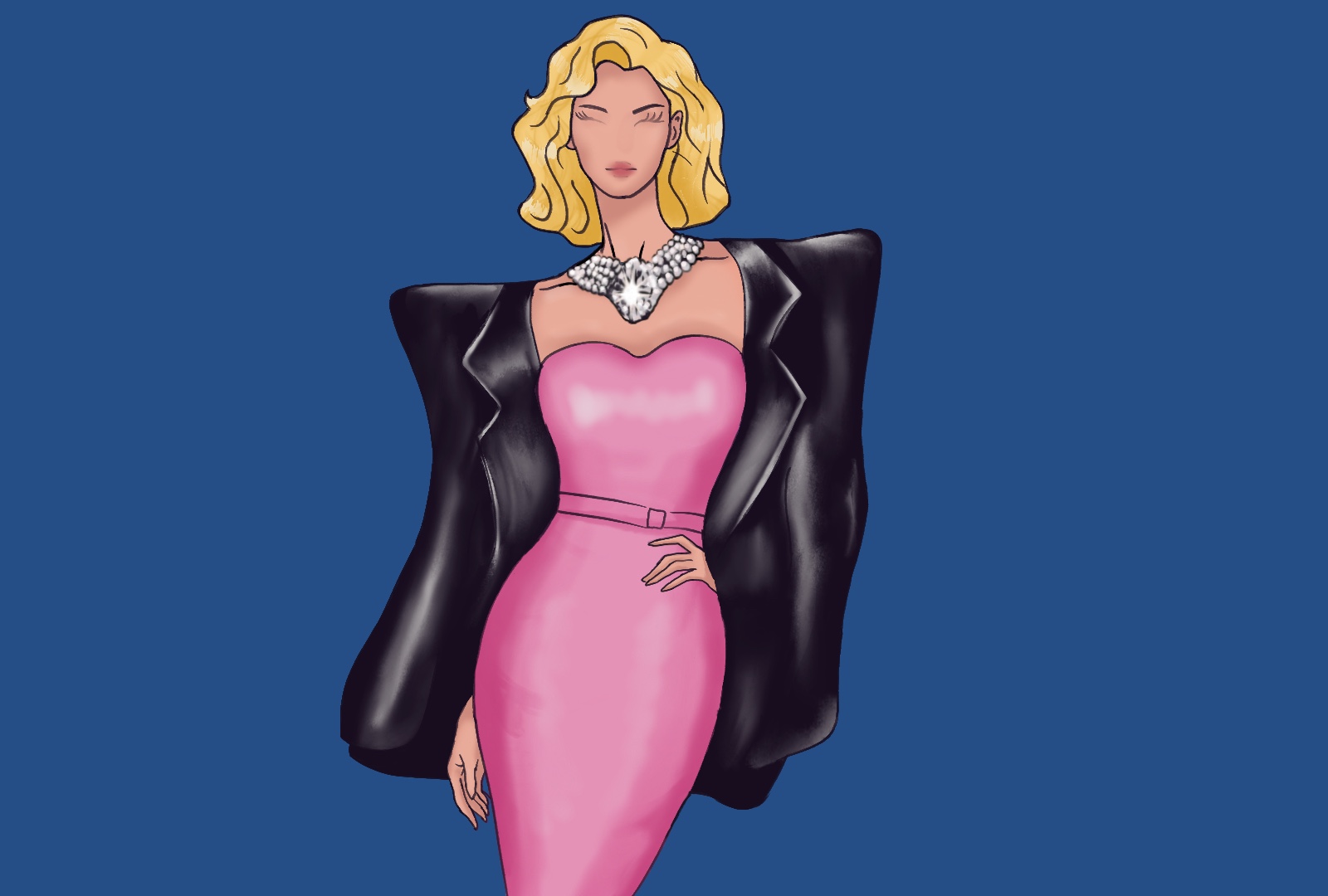
The bigger the shoulders, the stronger the statement. In the 1980s, power dressing became a symbol of ambition as women entered corporate environments traditionally dominated by men. Thierry Mugler and Claude Montana pushed tailoring into sculptural territory, while Giorgio Armani introduced softer silhouettes and Yves Saint Laurent reinterpreted masculine codes through feminine elegance. Gianni Versace embraced bold prints and sensual glamour, while Christian Lacroix, who founded his couture house in 1987, celebrated extravagant proportions. Fast-forward to today’s runways: Anthony Vaccarello revisited dramatic shoulders at Saint Laurent Spring/Summer 2026, Sarah Burton explored structured tailoring at Givenchy Autumn/Winter 2025, and Gestuz and Herskind brought corporate-inspired looks to Copenhagen Fashion Week Autumn/Winter 2026. The Gen Z update? Pair a vintage oversized blazer with relaxed jeans or wear a sharply tailored jacket over everyday basics. Power dressing has escaped the office.
Madonna, Grace Jones and Prince Made Fashion a Performance
Before TikTok, there was MTV. Launched in 1981, the music channel turned fashion into an essential part of pop culture, giving artists a new way to create unforgettable identities. Madonna’s lace gloves and layered jewellery became symbols of rebellious style, while her 1985 Material Girl video paid homage to Marilyn Monroe’s Diamonds Are a Girl’s Best Friend, playing with Hollywood glamour and the fantasy of wealth. Grace Jones, working with art director Jean-Paul Goude, challenged conventional beauty standards through angular silhouettes and sculptural styling, while her collaborations with Azzedine Alaïa made fashion part of her artistic language. Prince took a different approach, combining lace and elaborate tailoring during the Purple Rain era and challenging traditional ideas of masculinity. Their influence continues through viral archival footage, reminding a new generation that fashion can be a powerful form of self-expression.
Pretty in Pink, Dynasty and the 80s Wardrobes We Still Want
Could any decade have given us more memorable fashion moments? In John Hughes’s Pretty in Pink (1986), Molly Ringwald’s Andie Walsh builds her wardrobe through vintage finds and DIY creativity, using clothes to challenge the social expectations of her wealthy classmates. Her famous pink prom dress remains an emblem of teenage individuality. In Working Girl (1988), Melanie Griffith’s Tess McGill uses power suits to navigate New York’s corporate world, while Dynasty turned luxury into a television spectacle. Joan Collins’s Alexis Carrington, dressed in Nolan Miller’s extravagant creations, made enormous shoulder pads and elaborate eveningwear symbols of wealth and ambition. Meanwhile, Richard Gere’s Giorgio Armani wardrobe in American Gigolo (1980) introduced a new kind of masculine elegance through relaxed tailoring. From teenage rebellion to high-society glamour, these screen wardrobes continue to influence the way fashion tells stories.
Vintage Chanel, Gold Jewellery and the Return of Maximalism
Quiet luxury had its moment. Now, oversized gold earrings, chunky necklaces and statement belts are back in the spotlight. During the 1980s, Karl Lagerfeld transformed Chanel’s traditional codes through layered chains and bold costume jewellery, while Yves Saint Laurent and Christian Lacroix embraced decorative accessories that demanded attention. Gen Z is rediscovering these references through vintage shopping and archival fashion content, mixing retro pieces with contemporary basics. A pair of dramatic earrings can elevate a simple T-shirt, while a gold belt gives a minimalist dress an entirely new attitude. The revival also reflects a more individual approach to consumption, with second-hand fashion offering a way to explore the decade’s extravagance while considering sustainability. What makes 80s luxury relevant today is the freedom to experiment, combining historical references with personal style. After years of understated dressing, fashion is ready to make some noise again.


