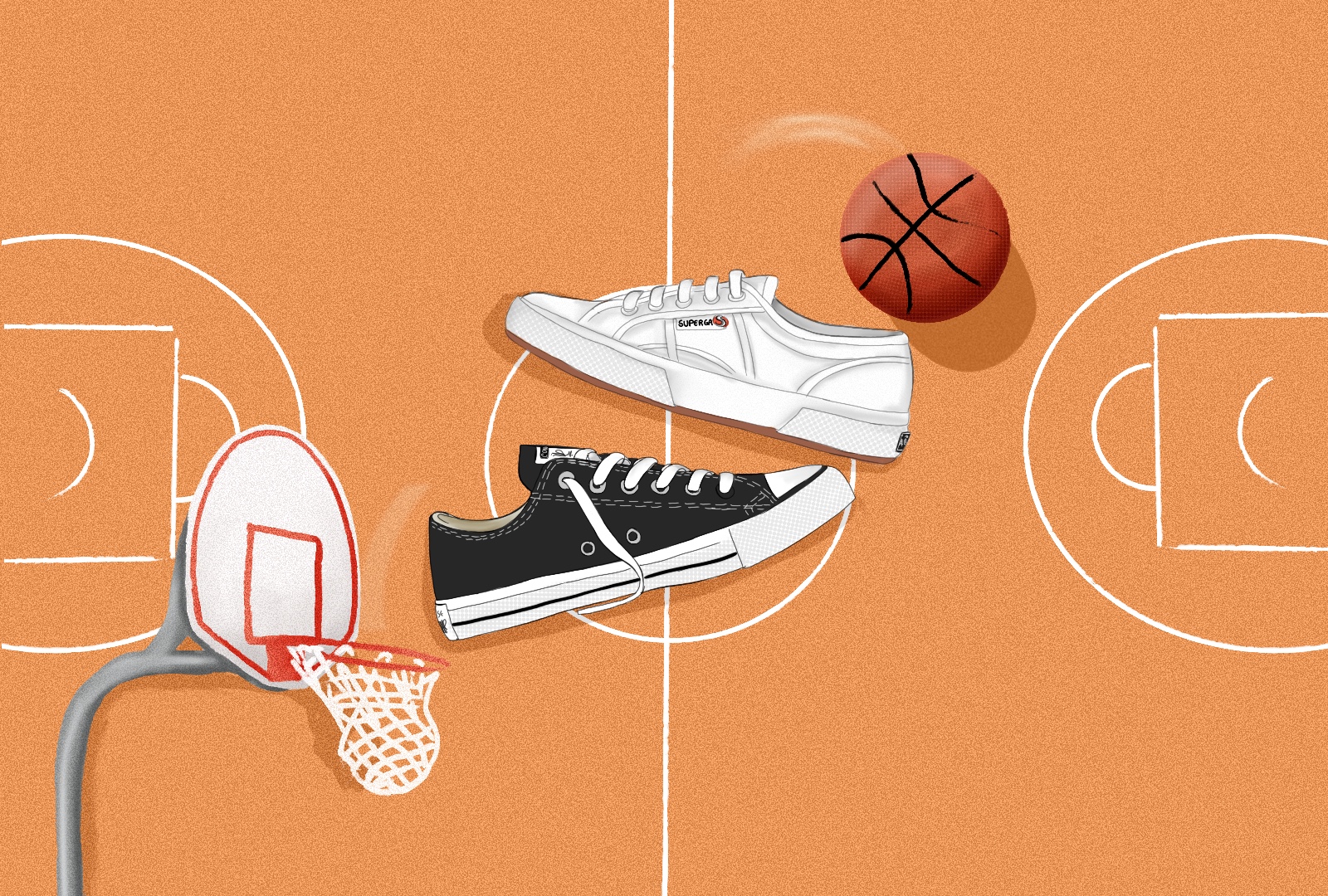
By Gherardo Ulivi. Cover image: artwork by Taline Nesheiwat.
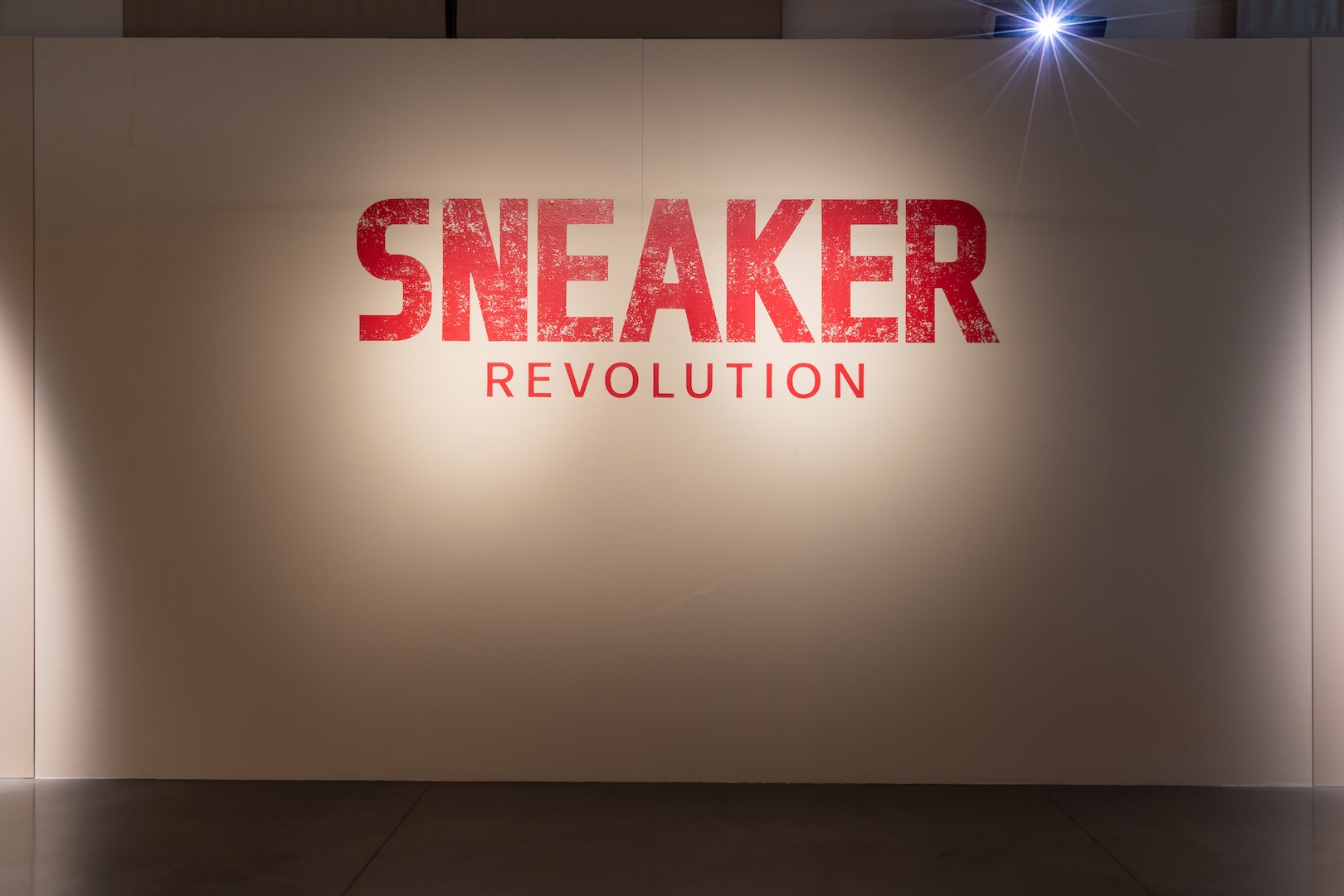
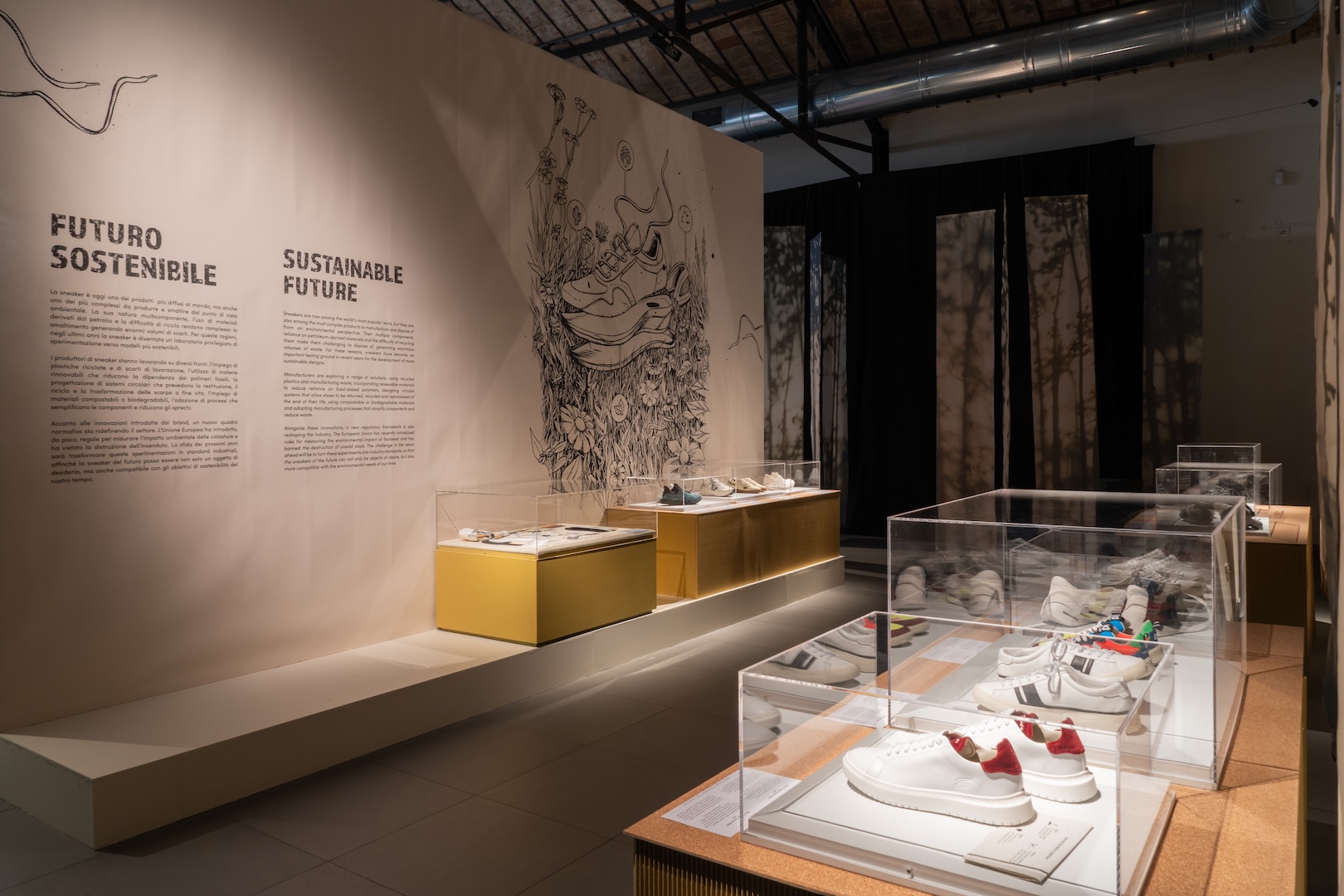
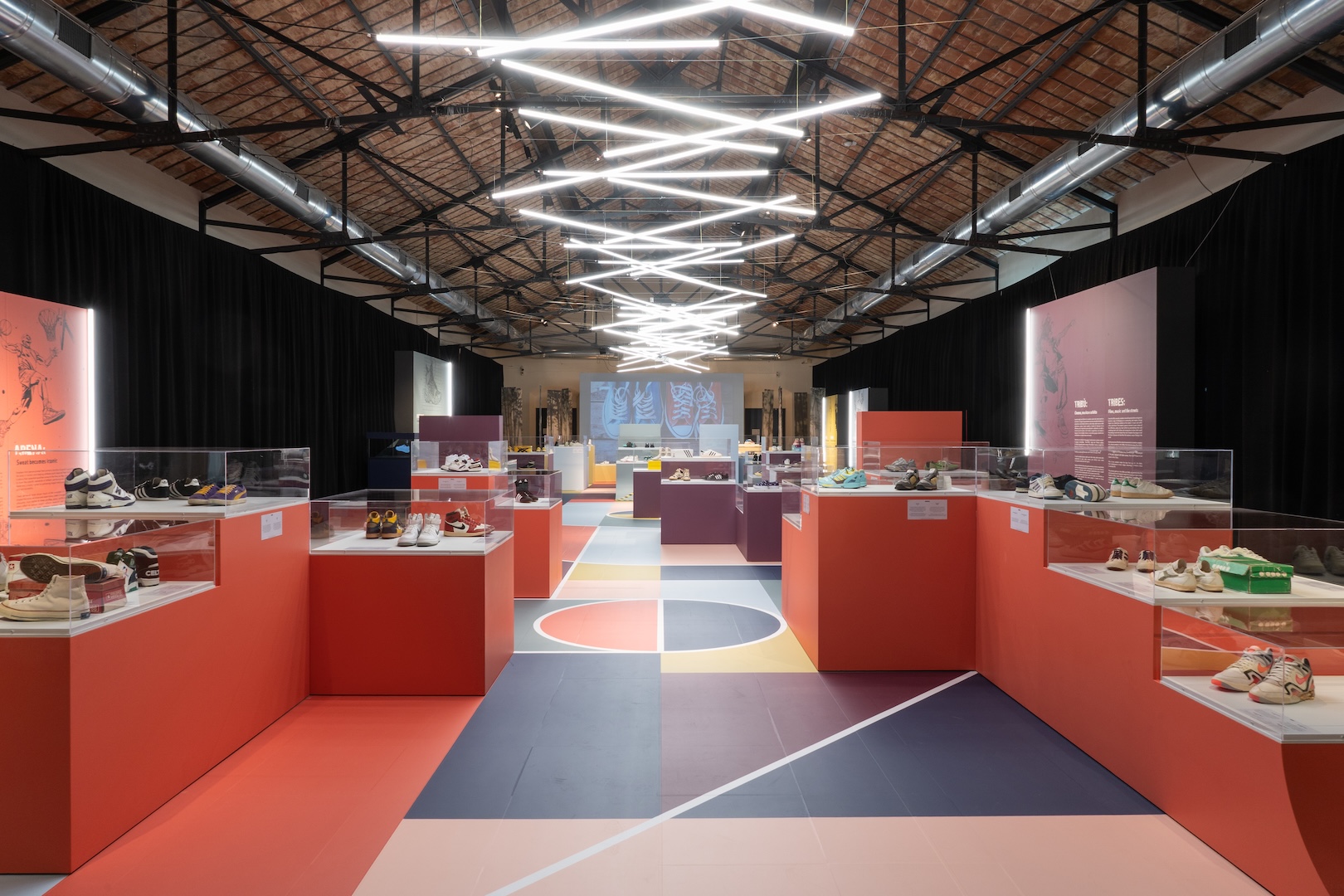
From sports essential to collector’s item, from a symbol of youth subcultures to a luxury fashion statement: few objects have transformed fashion and personal identity quite like the sneaker. Tracing more than a century of this evolution, Sneaker Revolution is an exhibition organised by the Fondazione Museo del Tessuto di Prato and Beside Arts & Publishing, running from November 6, 2026, to May 2, 2027. The first exhibition in Italy to explore sneaker culture from a historical and cultural perspective, it brings together 100 iconic designs and archival materials, revealing connections between sport, music, innovation and social change. From the Superga 2750 to the Nike Air Force 1 and Prada’s luxury designs, the exhibition also explores collecting, sustainability and digital culture, including an interactive 3D installation where visitors can customise their own sneakers. We spoke with curators Arianna Sarti of the Museo del Tessuto and Francesca Biagioli, founder of Beside Arts & Publishing, about how a simple shoe became one of the defining objects of contemporary culture.
How did Sneaker Revolution come about, and what surprised you most during your research?
Arianna Sarti: The exhibition grew out of a desire to explore a subject that is extremely popular among young people and present it with the rigour of a museum. What surprised us most were the stories of the people who founded some of the world’s best-known brands, often starting with simple ideas and extraordinary determination.
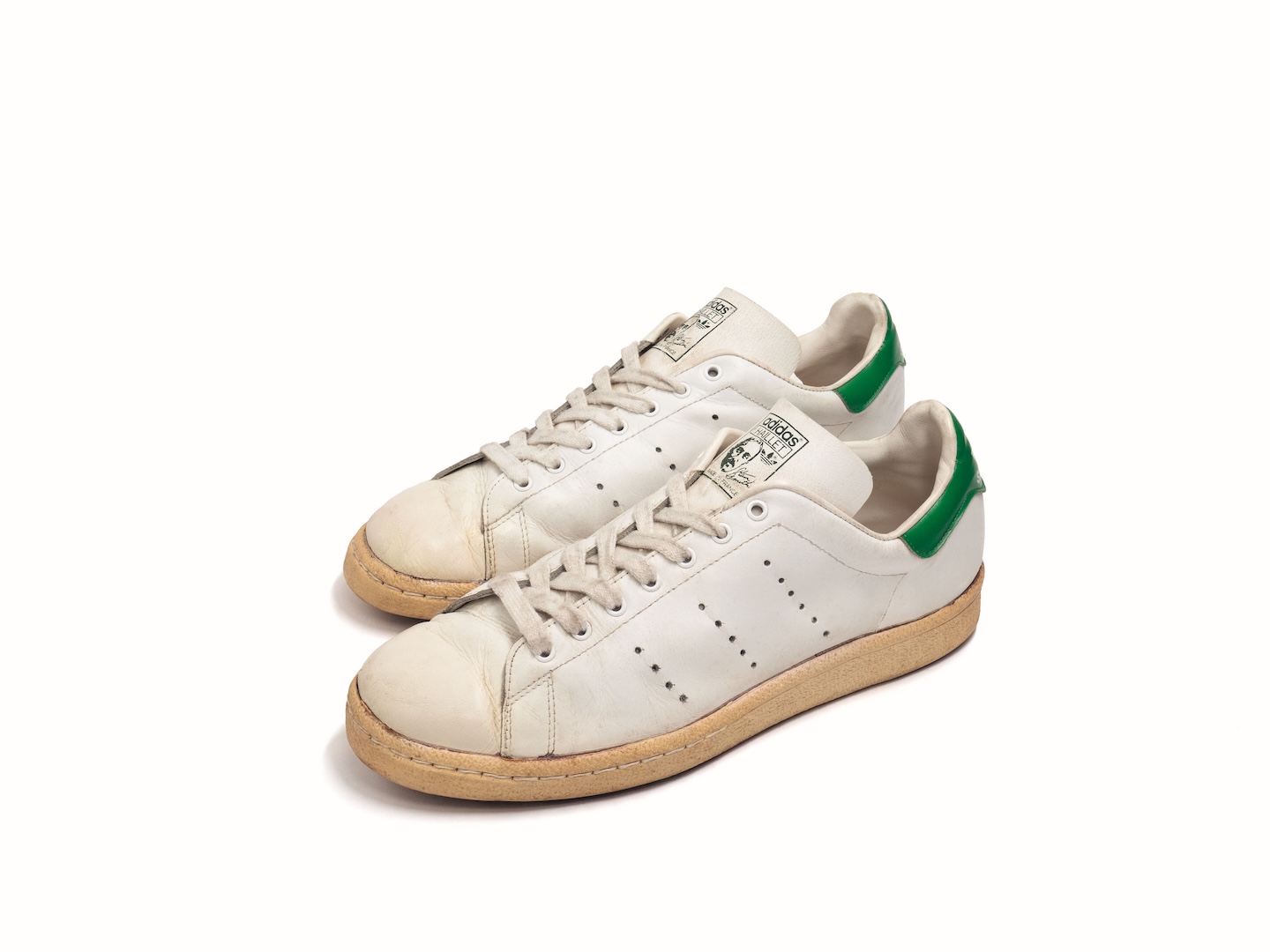
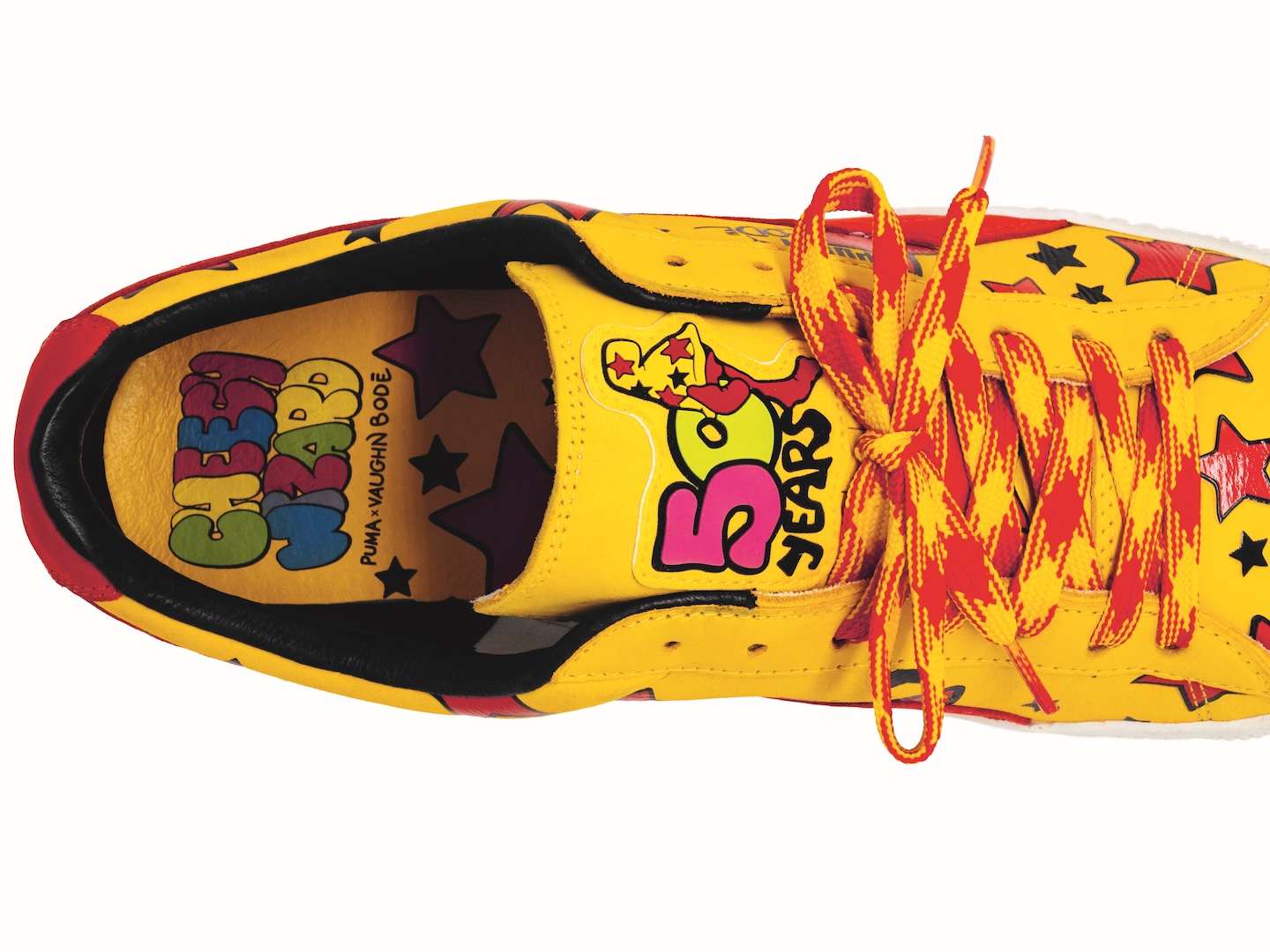
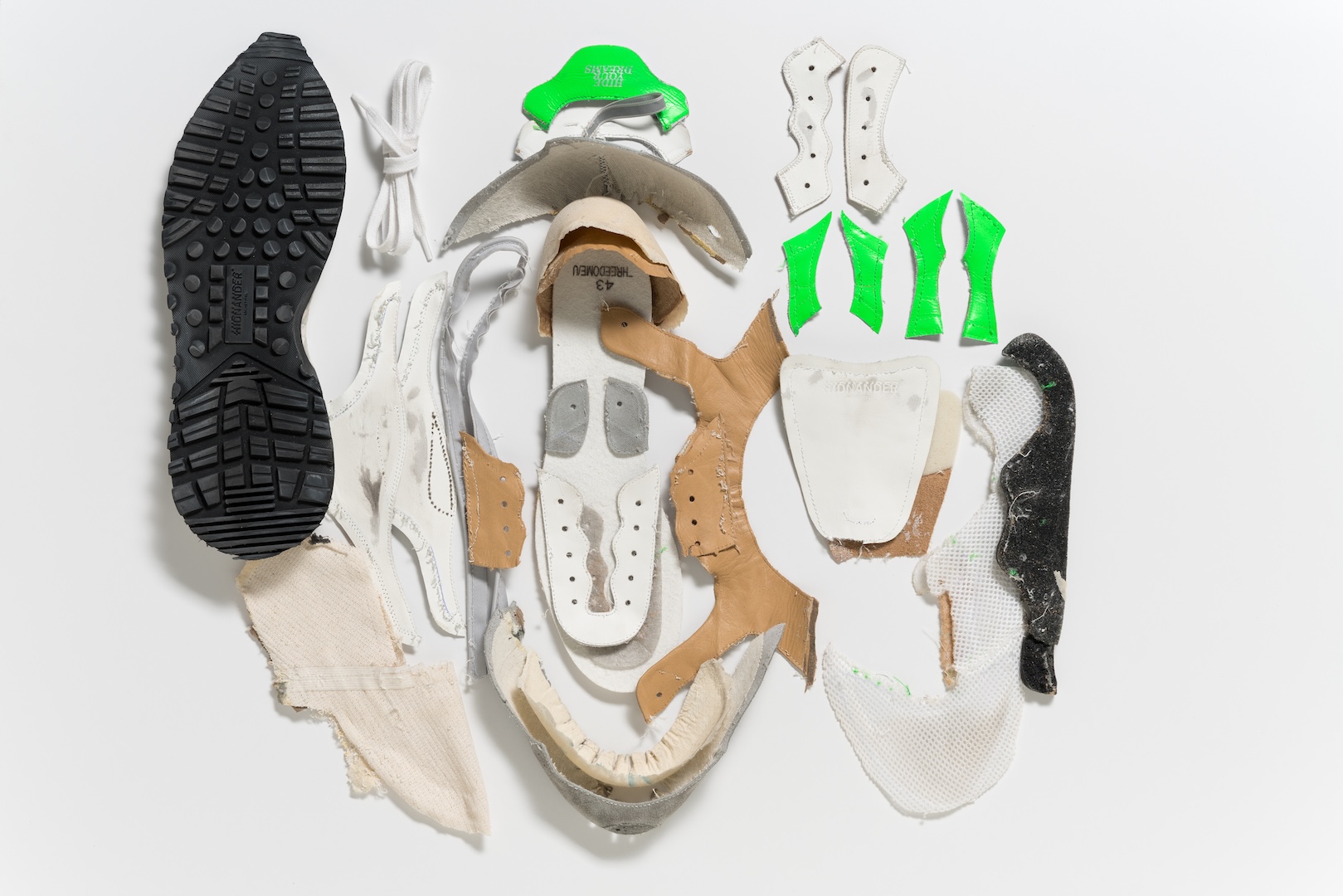
How did you select the 100 designs, and which ones marked the most significant turning points?
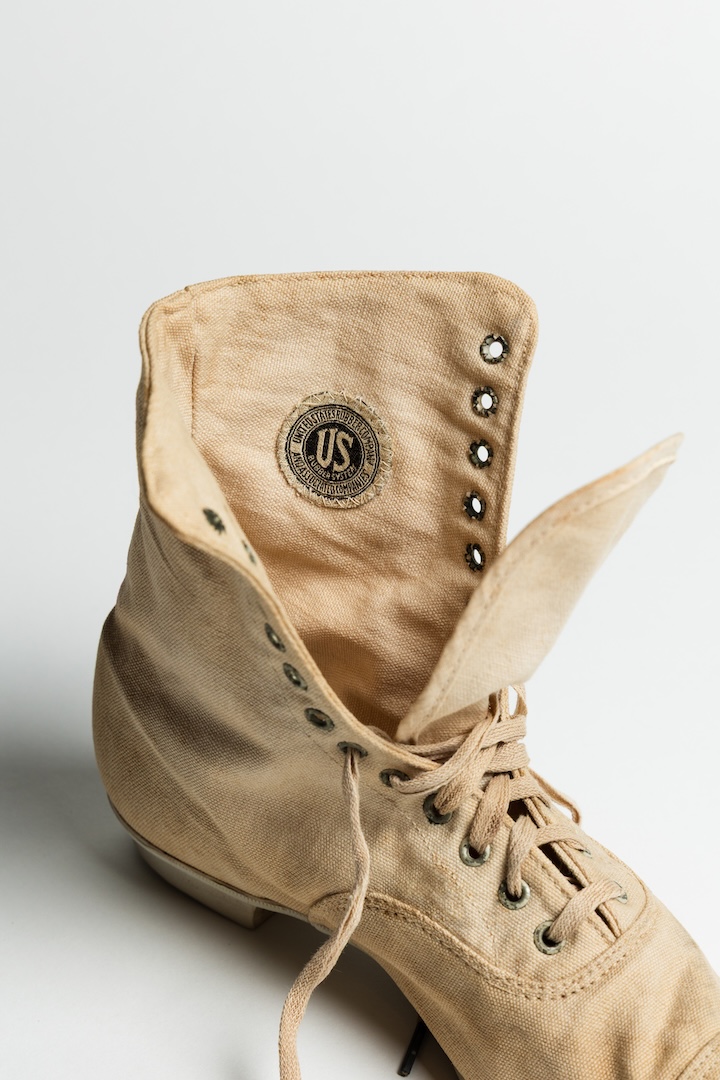
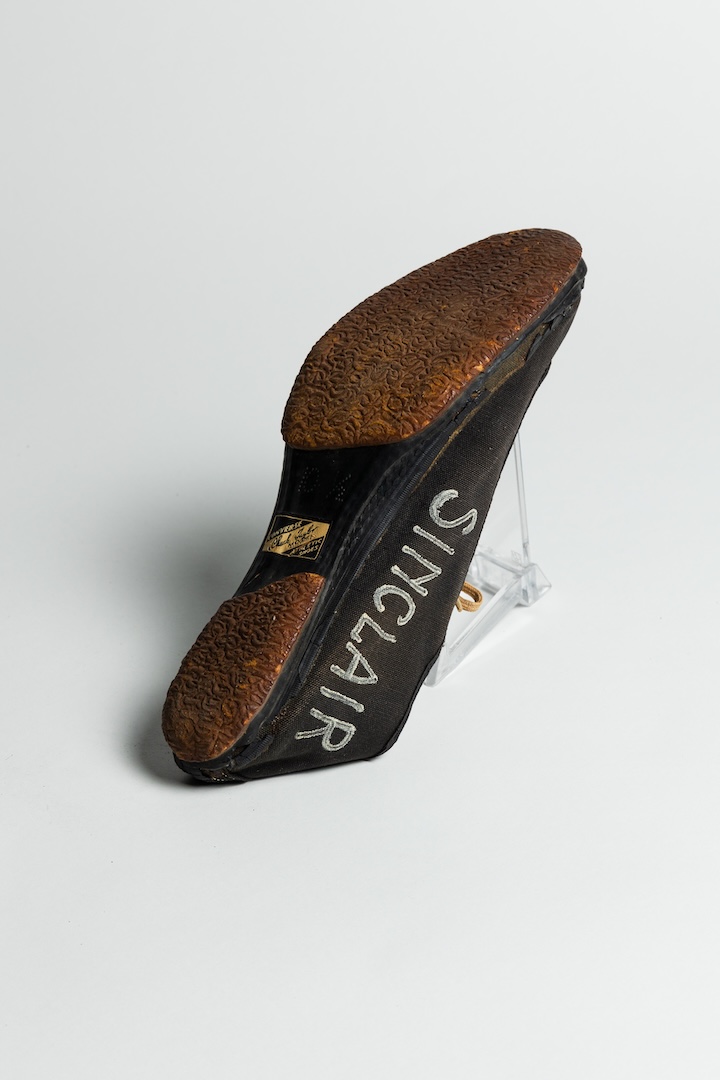
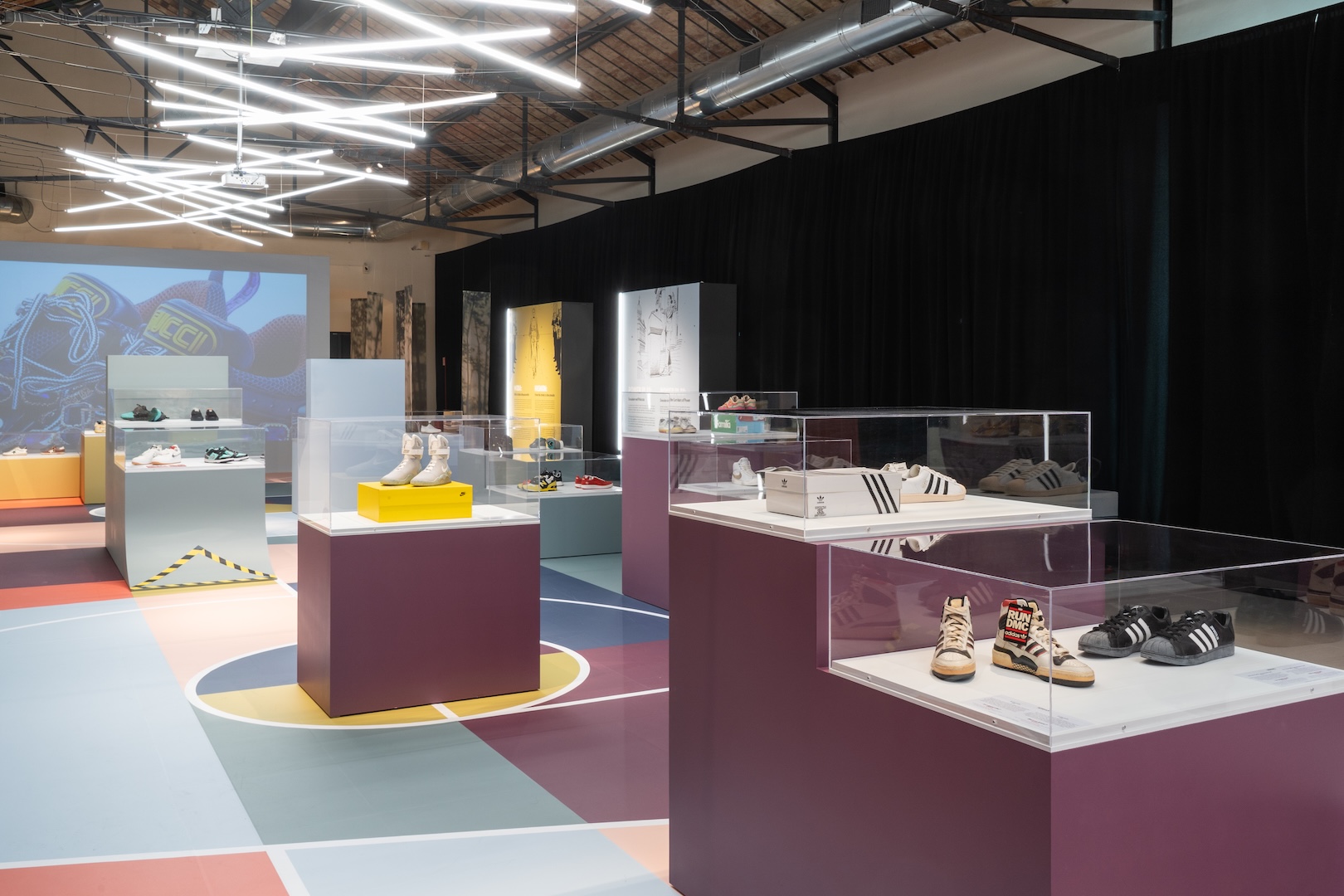
Francesca Biagioli: We selected the models according to the exhibition’s narrative, drawing on the museum’s collections, private collectors and brand archives. Some of the most significant milestones include the Superga 2750, Nike Air Force 1, Jordan 1, the adidas Superstars worn by Run-D.M.C. and Prada’s luxury sneakers.
How much did technological innovation and sporting legends contribute to the popularity of sneakers?
Francesca Biagioli: Enormously. Technological advances improved athletes’ performance, while sporting champions, together with marketing, turned these shoes into icons that moved beyond sport and became part of everyday life.
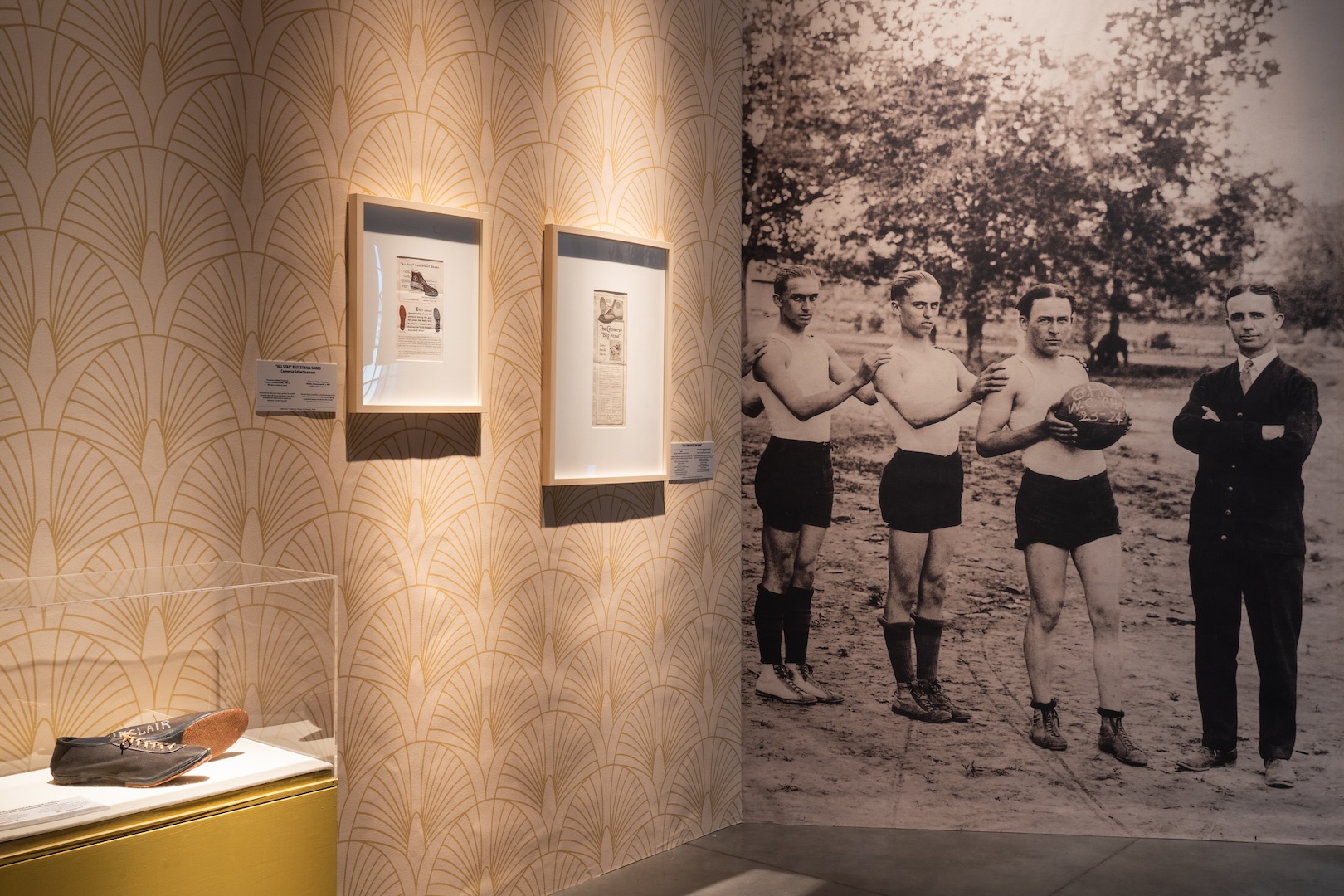
How did music, cinema and youth subcultures turn sneakers into symbols of belonging?
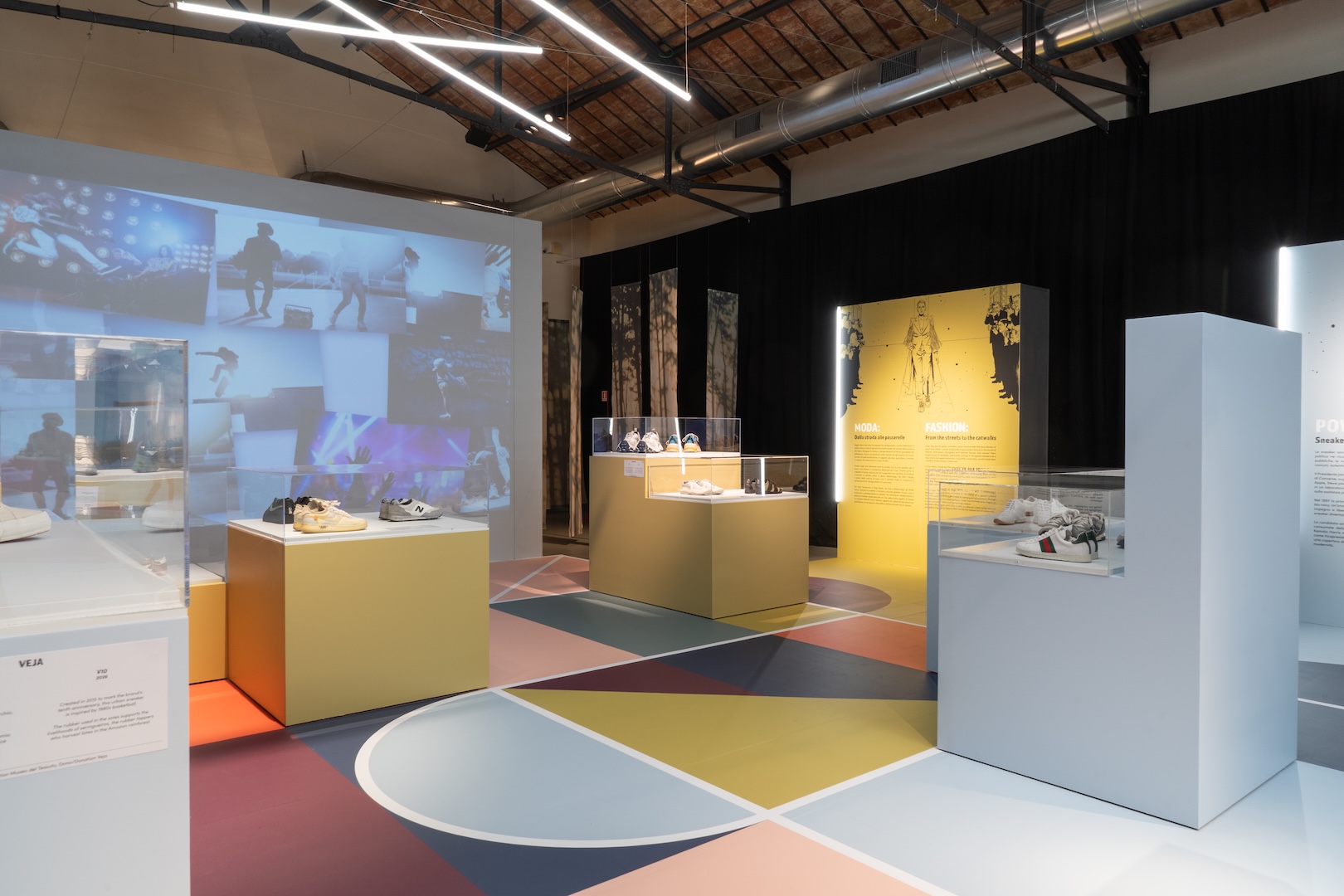
Arianna Sarti: Hip-hop, punk and skate culture are just a few examples of movements that, during the 1970s and 1980s, transformed sneakers into markers of identity, a way of expressing who you were and what music you listened to. Cinema played its part too, from the Nikes in The Terminator to the Nike MAGs in Back to the Future. Sneakers moved beyond athletic performance to become part of collective culture.
When did sneakers enter the luxury market, and how did they change the language of fashion?
Arianna Sarti: Their entry into luxury fashion began in the late 1990s, with Gucci’s first designs. Since then, fashion houses have turned sneakers into prestigious accessories, from Balenciaga’s Triple S to countless collaborations between sportswear brands and luxury labels, such as the Dior x Air Jordan 1.
What drives the desire for rare sneakers and the growth of the resale market?
Francesca Biagioli: Desire is created long before the purchase, through collaborations, limited editions and exclusive drops. Scarcity does the rest. Sneakers become collectibles and investment pieces that can be resold, while digital platforms have transformed this into a global market.
What do sneakers reveal about our identity, and how have they become symbols of power?
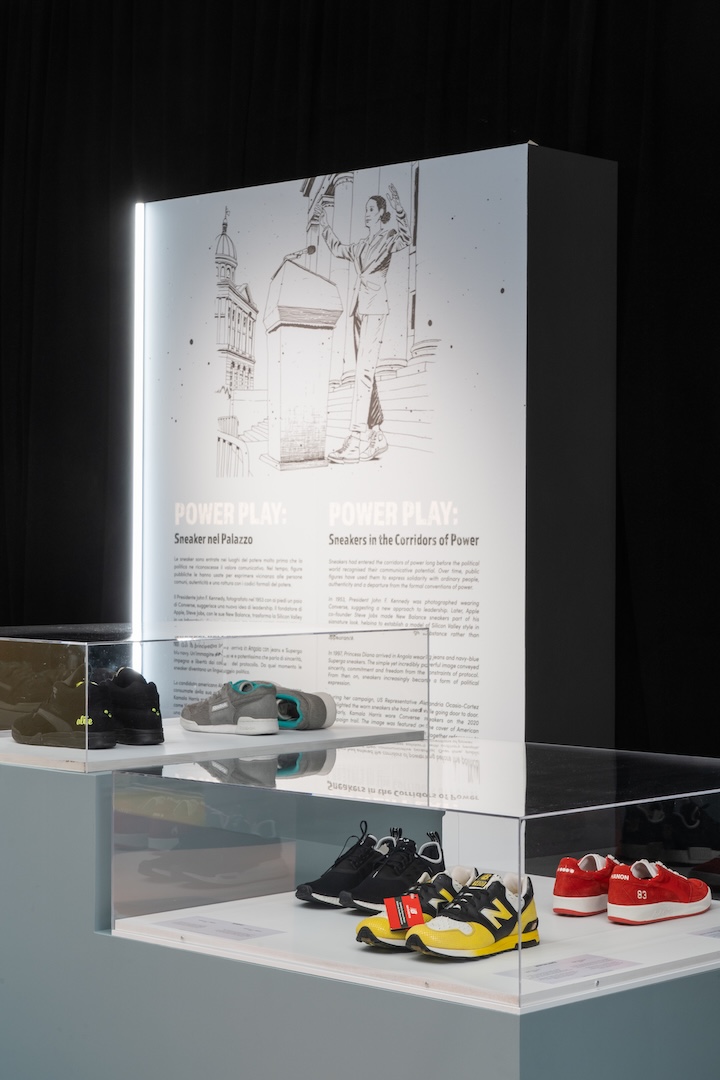
Arianna Sarti: From Silicon Valley to politics, wearing sneakers has become a way of appearing more approachable and connected to ordinary people. Princess Diana did it with Superga, and Kamala Harris with Converse.
What are the biggest environmental challenges facing the industry, and which innovations offer the most promise?
Arianna Sarti: The main challenge is that sneakers are largely made from materials that are difficult to recycle. The most promising solutions include bio-based and recycled materials, designs that are easier to disassemble and end-of-life recycling programmes.
How are digital technology and virtual customisation changing young people’s relationship with sneakers?
Francesca Biagioli: For younger generations, sneakers also exist online, from video games to virtual worlds, where they can be created, customised and shared without ever being worn. Visitors can experience this through a 3D installation developed with the Prato-based startup Openverse, which allows them to design their own sneakers and bring them into Fortnite and Minecraft.
What do you hope younger visitors will discover through this exhibition?
Francesca Biagioli: We hope they’ll discover how many stories and meanings lie behind the seemingly ordinary act of putting on a pair of shoes. Looking at the evolution of sneakers means exploring the major social, cultural and economic changes of the past century, many of which continue to shape our world today.


