By Gherardo Ulivi.
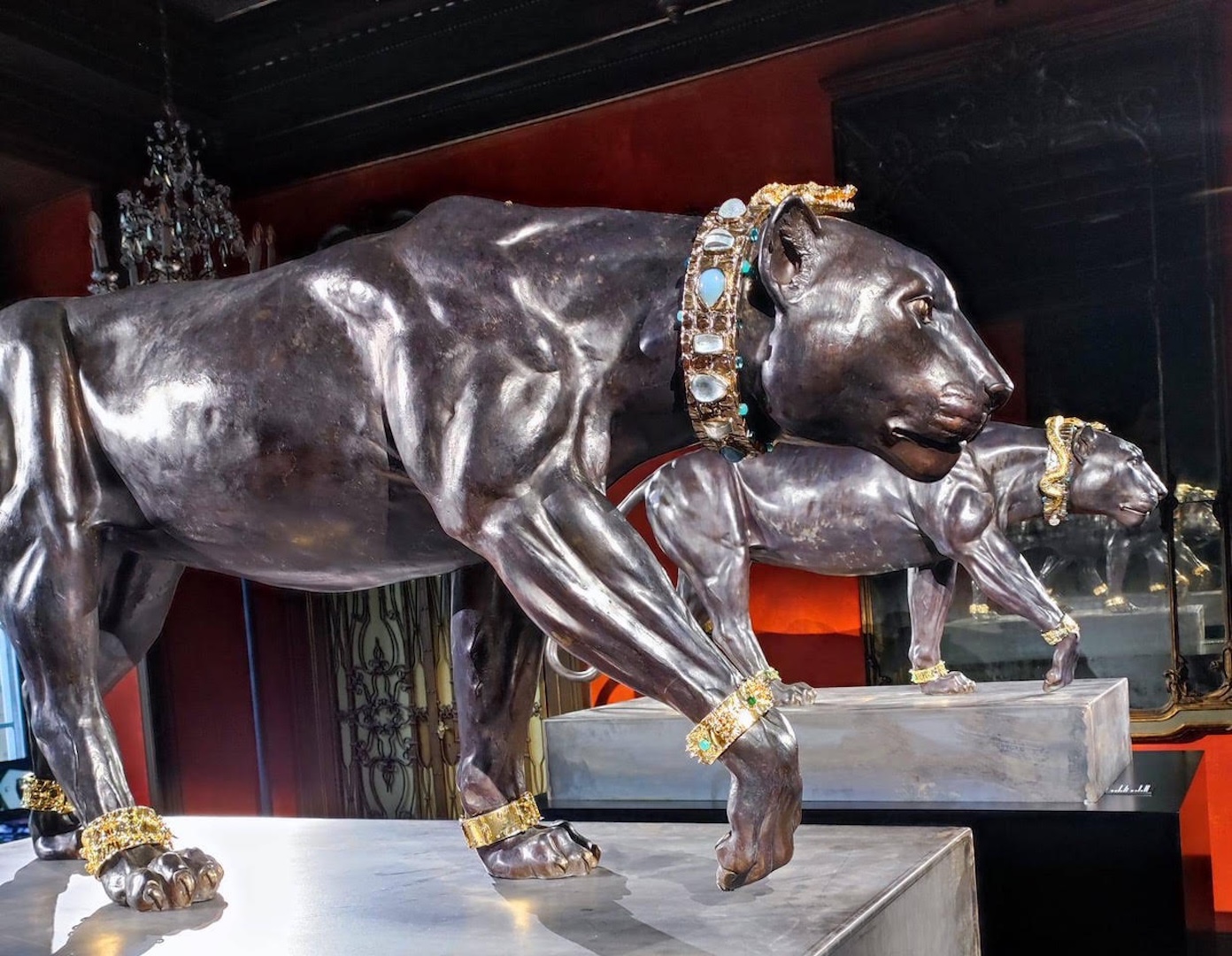
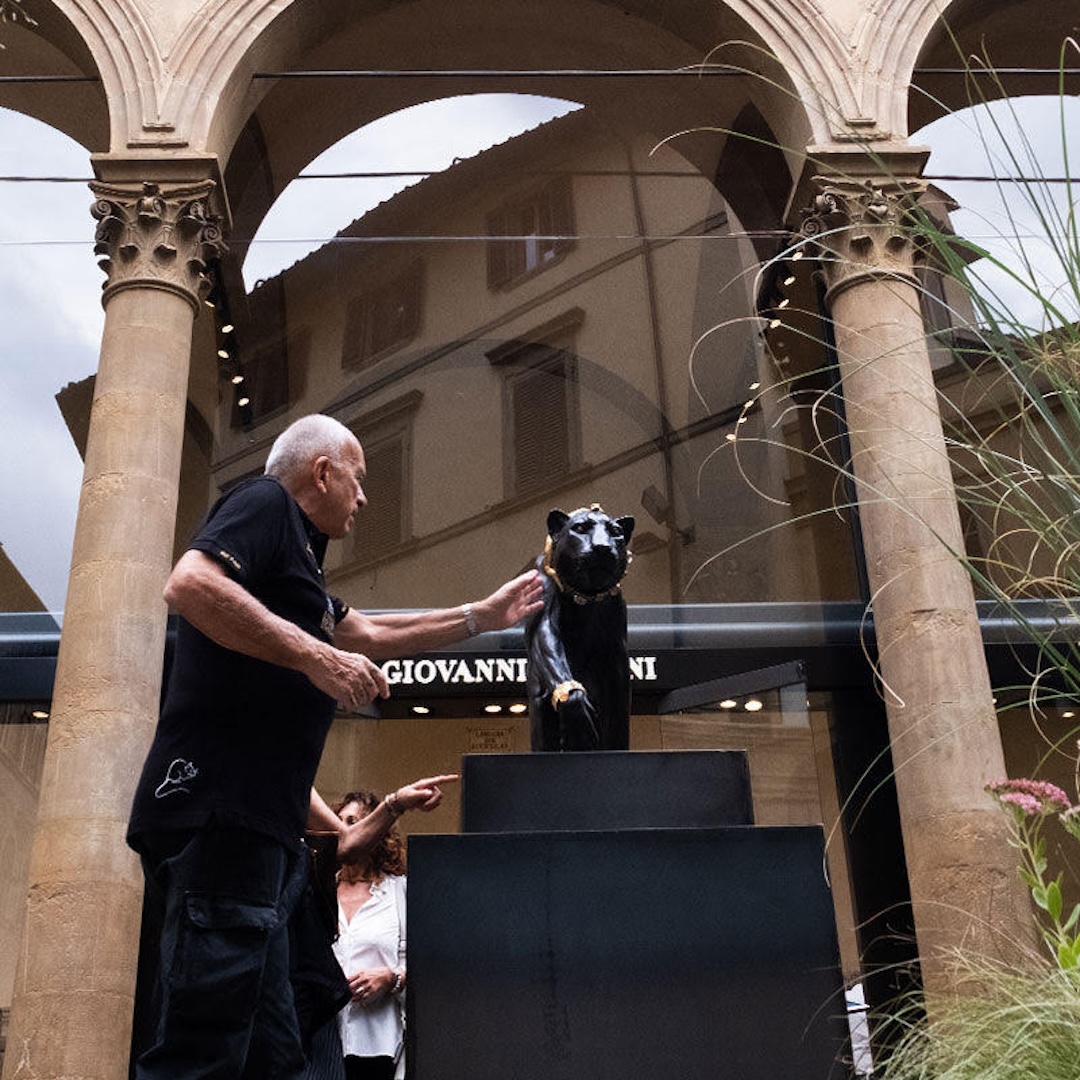
In 1974, a young architecture graduate stopped in front of Florence’s Loggia Rucellai and imagined creating something inside it. His name was Giovanni Raspini. Fifty years later, in October 2024, he returned to open Giovanni Raspini Design, a space dedicated to his creations. It’s a story that connects Renaissance architecture with a contemporary idea of luxury, one increasingly defined by the time and expertise behind an object. In jewellery, this value becomes visible through the making process, where a sketch gradually takes shape in precious metal under the hands of skilled artisans. For Raspini, whose architectural training influences his approach to silver, craftsmanship is an essential part of design. And the Loggia, with its centuries of artistic history, offers a particularly meaningful setting.
Loggia Rucellai: Five Centuries of History
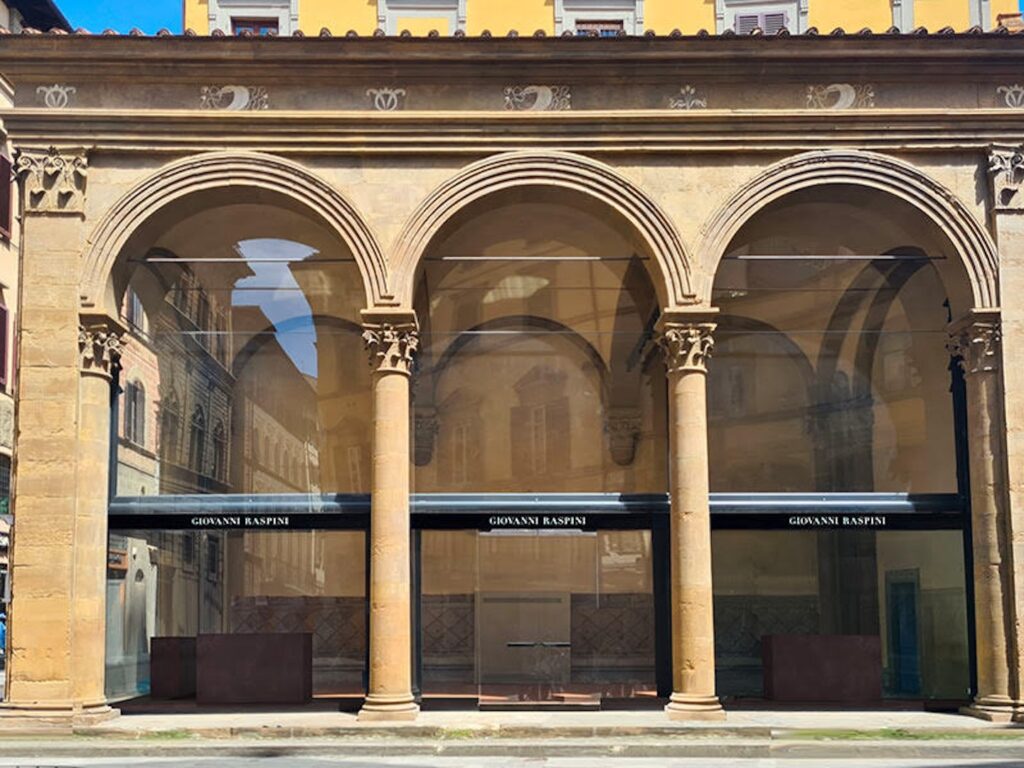
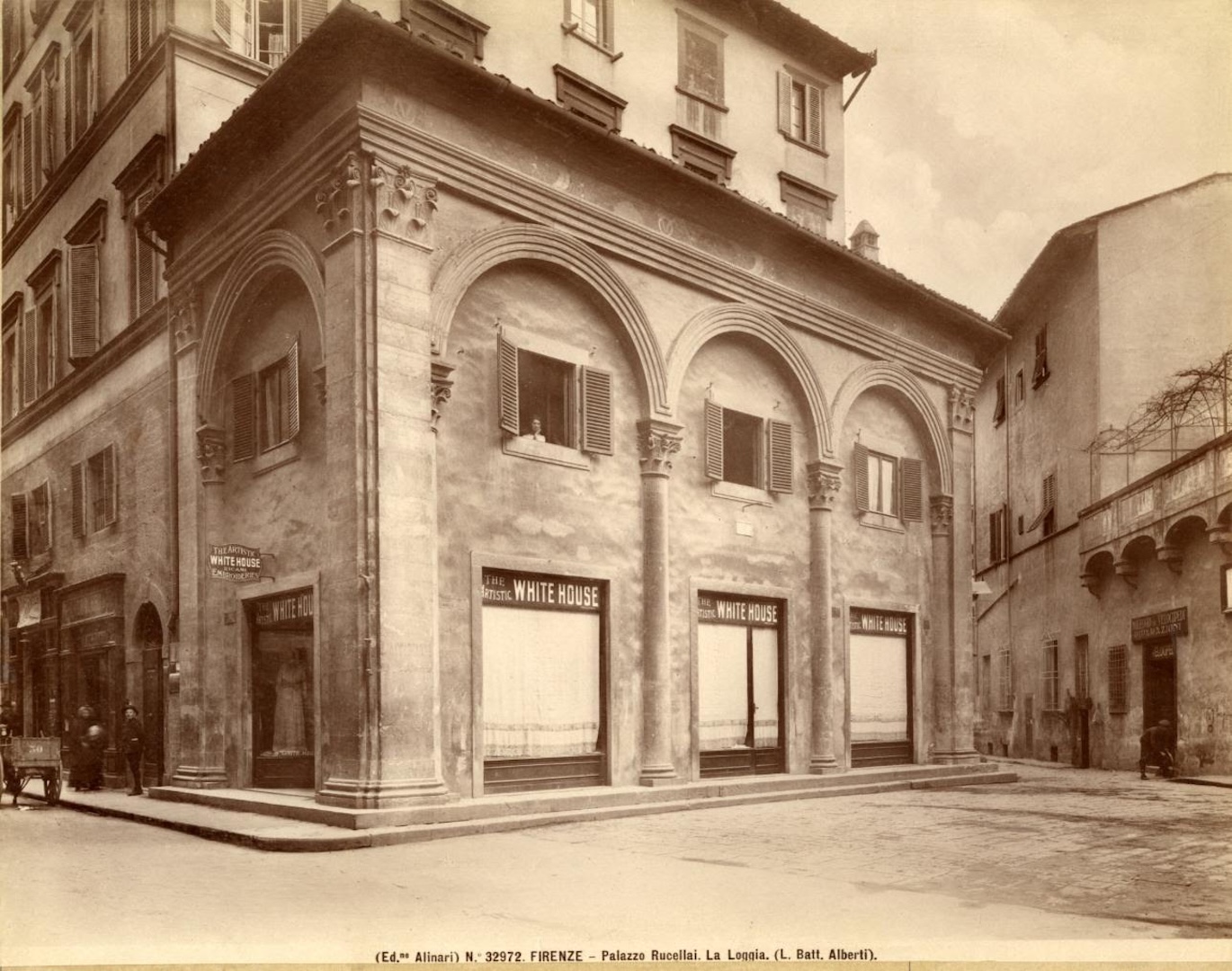
Standing opposite Palazzo Rucellai, the Loggia was built in the 1460s in connection with the marriage of Bernardo Rucellai and Nannina de’ Medici in 1466. Nannina was the elder sister of Lorenzo the Magnificent, and the marriage brought together two influential Florentine families. Constructed by Antonio di Migliorino Guidotti, the building reflects the architectural language of Leon Battista Alberti, with three rounded arches supported by columns. Its decoration features the Rucellai family’s emblem, the Vela della Fortuna, a sail caught by the wind. In 1677, the arches were enclosed and the space became the workshop of Giovan Battista Foggini, a leading figure of Florentine Baroque sculpture. Over time, the Loggia took on other functions, including commercial activities and a tourist information office, before restoration work recovered its Renaissance appearance. The opening of Giovanni Raspini Design in 2024 brought artistic production back into a building with a long creative history.
Giovanni Raspini: From Architecture to Jewellery
The company’s origins date to 1972, when a small goldsmithing business was established in Tuscany. Giovanni Raspini’s architectural background subsequently shaped its creative direction, with a particular focus on the expressive possibilities of silver. During the 1990s, charms and decorative picture frames became important parts of its production, especially the floral Margherite designs. Jewellery gained increasing prominence in the early 2000s, developing a recognisable identity through sculptural surfaces inspired by nature. Animal figures and botanical motifs became recurring elements, translated into three-dimensional compositions that reflect the designer’s interest in structure and proportion.
«My animalier instinct stems from a fascination with ancient jewellery inspired by felines. I remember seeing a Hittite gold bracelet at the museum in Ankara: two lion heads joined by a semicircle, a design whose beauty still feels remarkably modern. Since at least the second millennium BC, goldsmiths have sought to capture the elegance and power of these animals in jewellery, almost as if to tame their ferocity. This protective symbolism finds its ultimate expression in the myth of Hercules, who defeats the Nemean lion and wears its skin as an invincible cloak» Giovanni Raspini
The Art of Making: From Wax to Silver
At the heart of Giovanni Raspini’s production is lost-wax casting, an ancient technique used to reproduce intricate forms in metal. The process begins with a drawing, sometimes developed in ink and watercolour, before artisans create a three-dimensional wax model. Small quantities of liquid wax are added to build the details, gradually shaping a miniature sculpture. The model is enclosed in a mould and heated until the wax melts, leaving a cavity that is filled with molten silver. Once cooled, the metal piece is removed and carefully finished by hand. Artisans refine the surfaces, assemble individual elements and set gemstones when required. Some creations undergo a darkening treatment that enhances the contrast between polished areas and recessed details, followed by brushing and quality checks. The result is jewellery in which craftsmanship remains visible through the texture and depth of the silver.
Silver itself plays a central role in Raspini’s designs. Its malleability allows intricate forms to be created, while its reflective surface emphasises the smallest details. This makes it particularly suited to the natural textures that characterise many of the collections. The relationship between light and shadow gives the jewellery an architectural quality, turning a ring or bracelet into a small sculptural composition.
«We are artisans and creatives, fortunate to work with highly skilled craftspeople. Ideas, materials and craftsmanship are at the heart of our jewellery and homeware, conceived with artistic sensitivity and made entirely by hand in our workshop, from initial design to final finishing. Tuscany, renowned worldwide for its style and excellence, inspires in us a profound sense of responsibility to honour the extraordinary artistic and cultural heritage this region has built over the centuries» Giovanni Raspini
A New Chapter for the Loggia
The opening of Giovanni Raspini Design extends the designer’s work beyond jewellery into decorative objects for the home, developed through the same interest in sculptural forms and artisanal metalworking. The project reconnects the Loggia with its past as Giovan Battista Foggini’s workshop, while fulfilling the idea Raspini first imagined in 1974. In this Renaissance setting, the value of handmade luxury becomes tangible through the relationship between historical techniques and contemporary design, showing how a craft rooted in tradition can continue to find new forms of expression.


