By Jelizaveta Demcakova. Cover image: Alinson Torres via unsplash.
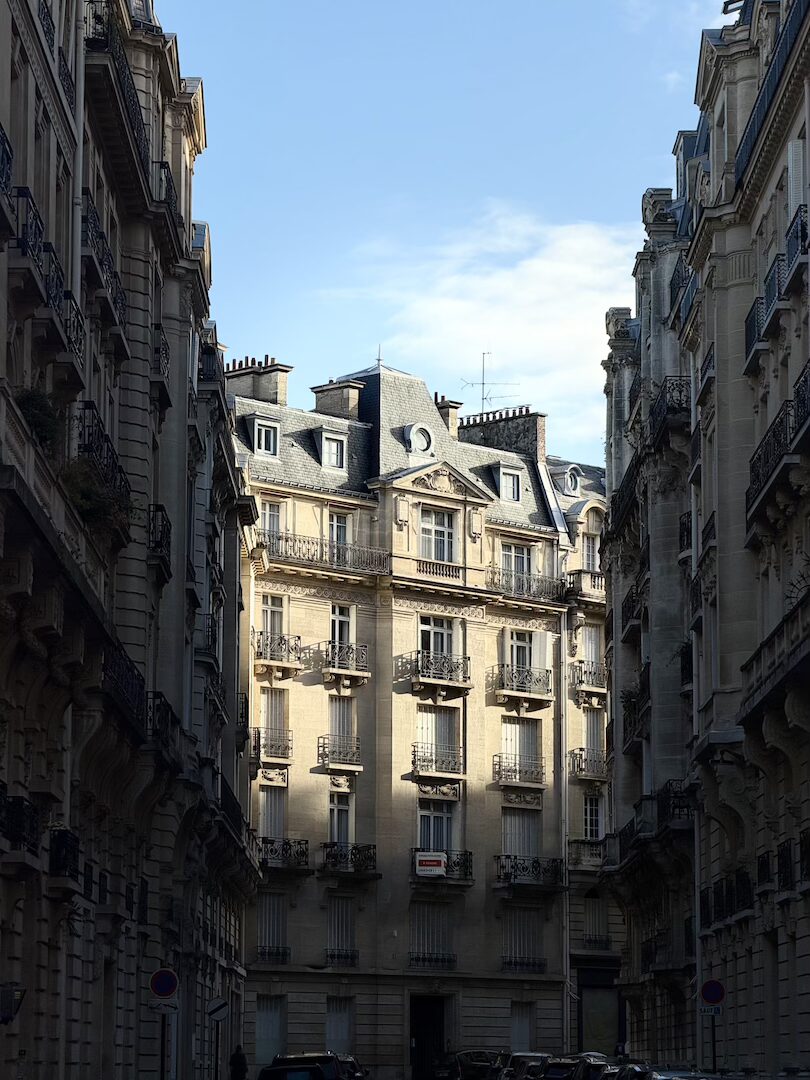
Last week, Paris was Paris. Art Basel, dozens of parallel exhibitions, dinners, private views, queues of people in expensive coats. Some came for new names, some for connections, some for a photograph with a glass of champagne in hand in front of a painting. Some simply came to show off their new loafers. Part of the game. Part of life.
But there is one detail you don’t see in the photographs. Almost everyone in that crowd had a phone in their hand. And on every phone, at that very same moment, another chronicle was unfolding: evacuations, bombings, protests, reports from the front. Alongside images of people whose lives had been shattered by the conflict. The news stopped being “just news” a long time ago. It follows each of us. We used to say, well, that’s far away… And now it’s just around the corner. It is no longer background noise. It is something that doesn’t switch off when you walk into a white gallery in your white coat.
Standing in front of a painting worth several million, I feel another notification vibrating in my pocket. And suddenly, I feel ashamed… of myself. What am I doing here? Why do color, texture, the artist’s name matter to me right now, when at this very moment, perhaps somewhere nearby, someone’s home is collapsing, someone’s life is falling apart?
Can Art Make a Difference?
Art did not save the world. Picasso’s Guernica did not prevent the destruction of the Basque town it depicts. More than two centuries after Goya began The Disasters of War, violence continues to shape our world. The art market has its contradictions, too. Money, vanity, closed circles and the desire to be on the right guest list. I won’t pretend otherwise. I want to be on that list, too. But I still find myself asking a question. Not “does art save us?”, but “what happens to me without it?”
This is how horror works: in the first few days, it cuts deep, and then the anaesthetic kicks in. We scroll through our feeds, and other people’s grief becomes a stream in which individual faces are no longer distinguishable. This is not indifference. It is the mind protecting itself. But that protection comes at a high price: along with the pain, our ability to feel anything at all begins to switch off.
The Value of Looking
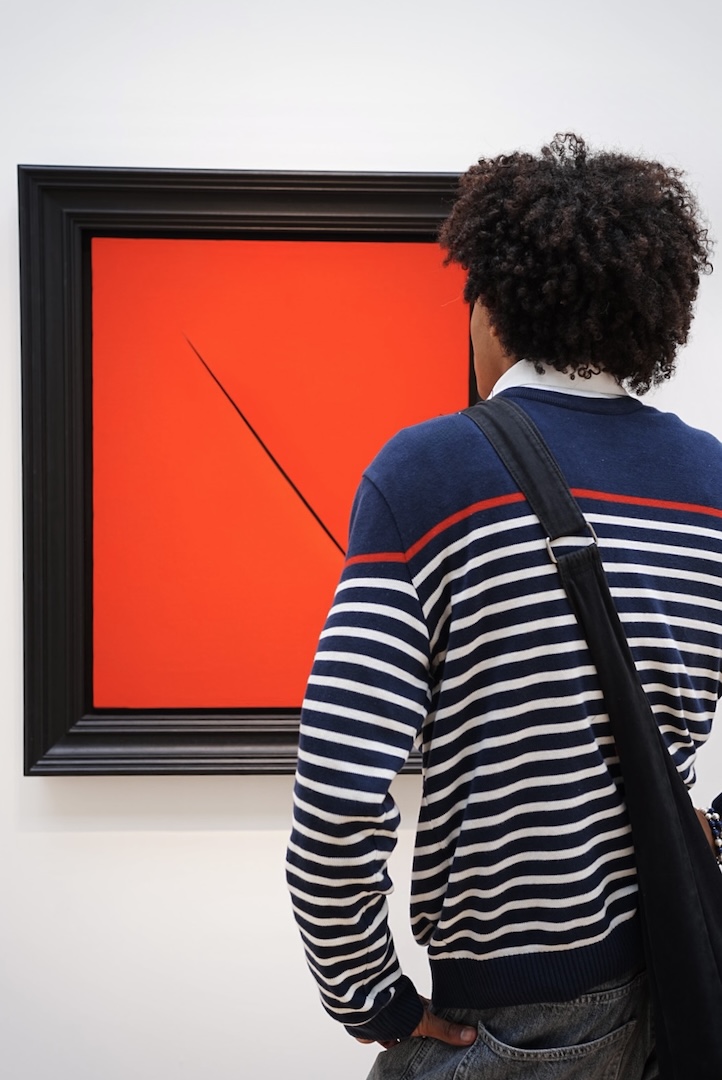
Of course, not everyone goes to exhibitions for this reason. But I think some people come to paintings not to escape, but to check whether they are still alive inside. Whether they are still capable of stopping for a minute and truly seeing something. Of feeling something that hasn’t been dictated by an algorithm or compressed into a headline. Something living, something that was once alive and real.
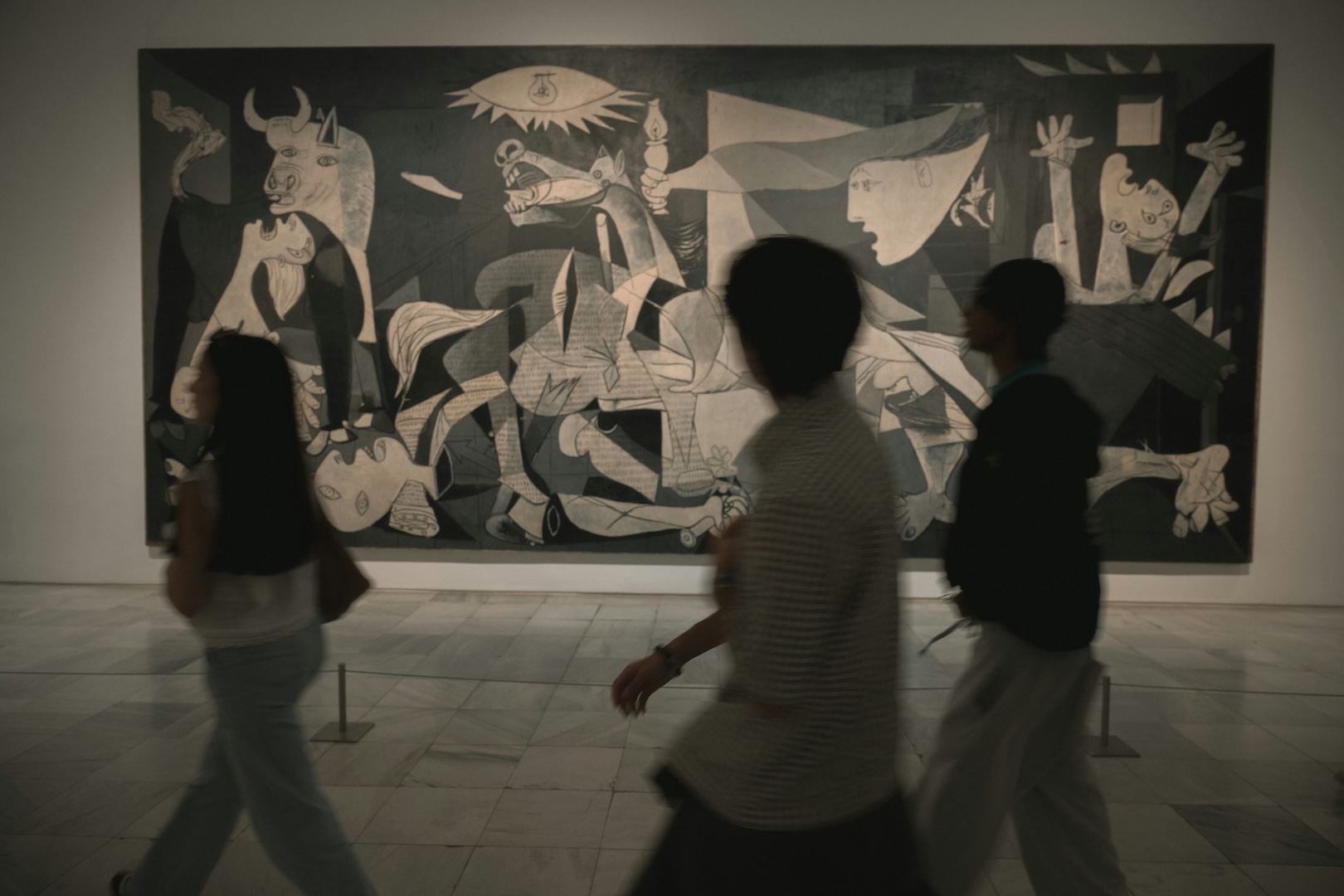
Picasso could not prevent the bombing of Guernica in 1937, yet his painting continues to bring that tragedy into the present. Nearly ninety years later, the name of the Basque town remains inseparable from one of the most powerful images of twentieth-century art.Art does not protect us from catastrophes. It makes them impossible to erase. A record of what happened — and of what should never have happened.
Still, We Return
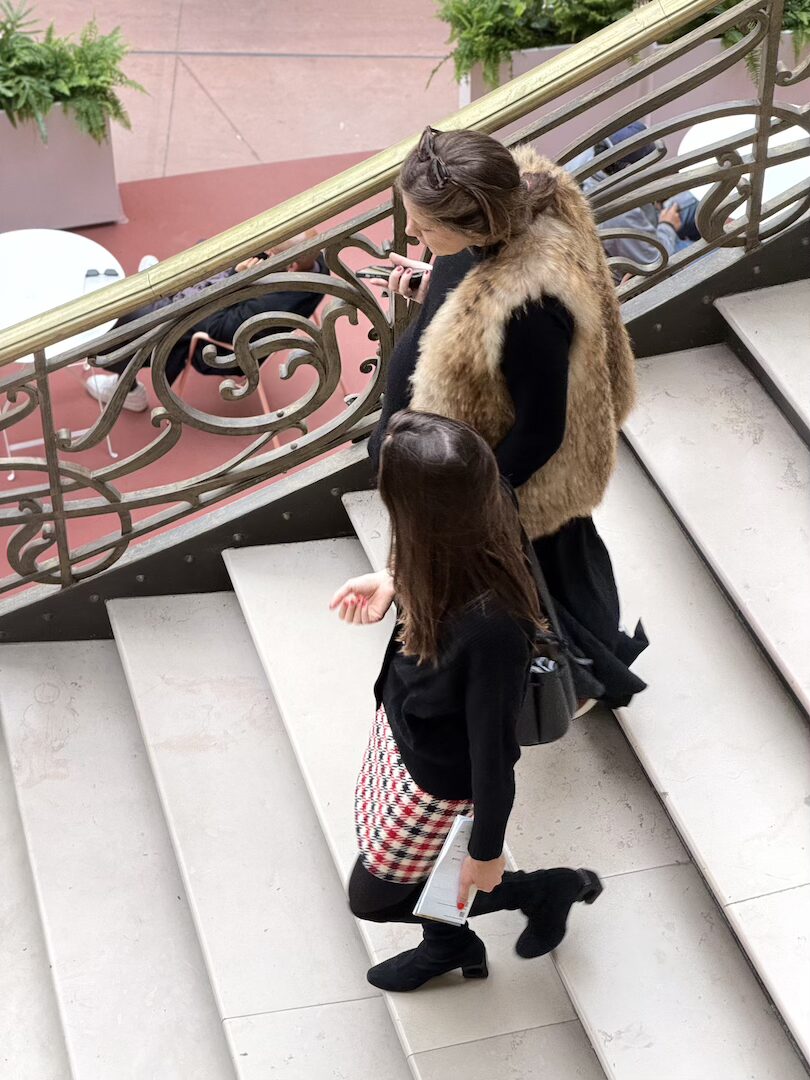
Perhaps that is why we keep coming back. Not for answers. There are none there. But so that we do not become people who are no longer moved by anything: neither someone else’s pain nor someone else’s beauty.
The art week is over. People have left, collectors have taken their purchases home, and the same news fills our phones. I still don’t believe art will save the world. People save the world. And we remain human as long as we are capable of feeling. Art teaches us nothing. It simply reminds us that we are still capable of feeling, and of hoping.


