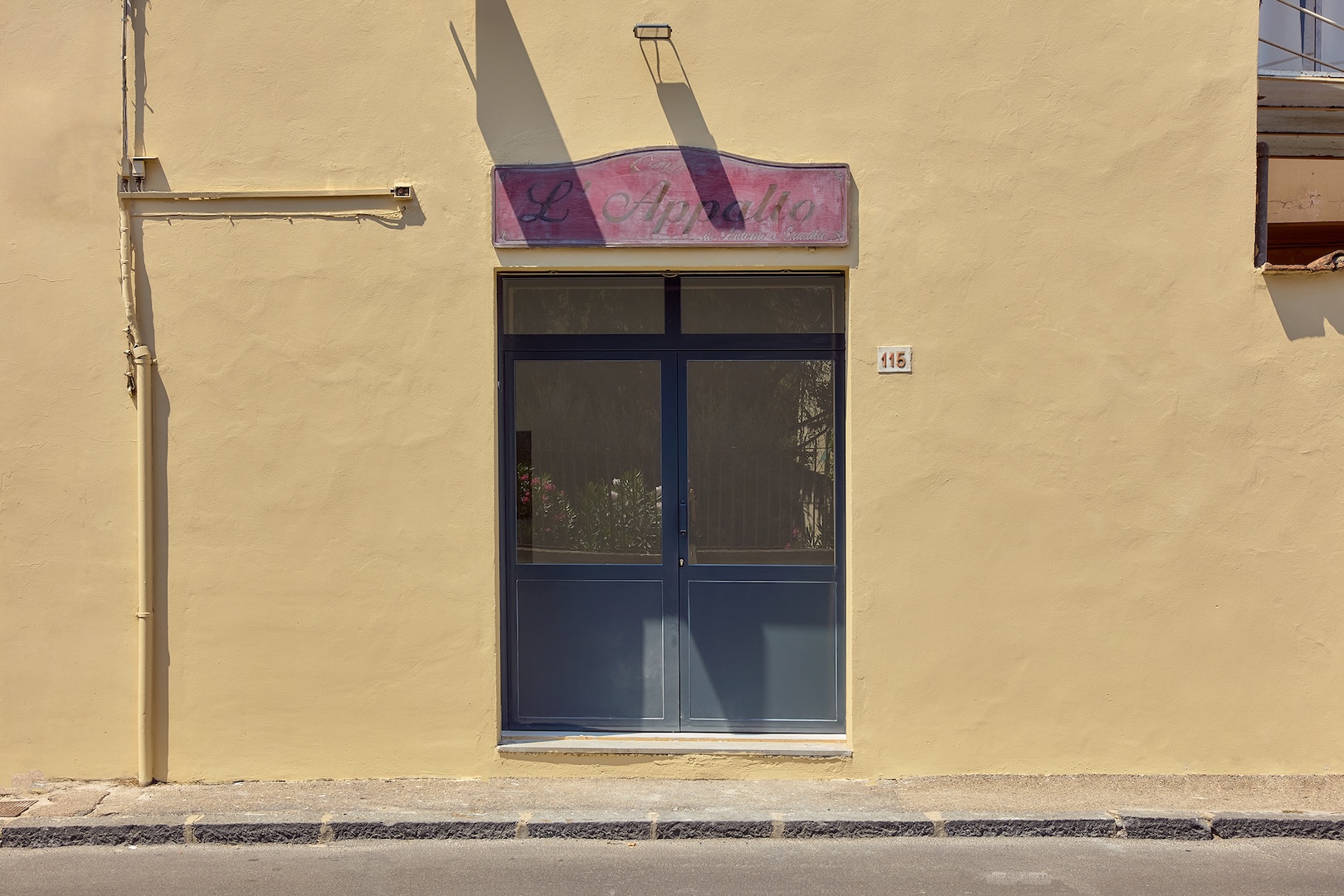
By Rebecca Ceccatelli. Cover image: L’Appalto, Firenze, 2026. Ph: Dimitri D’ippolito
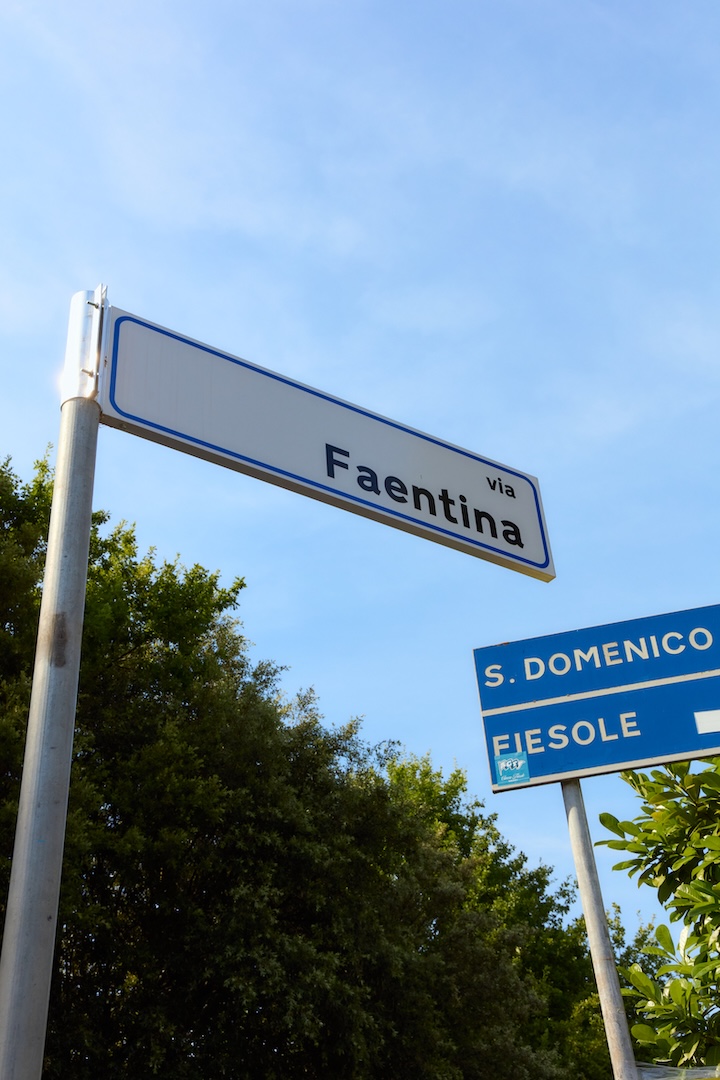
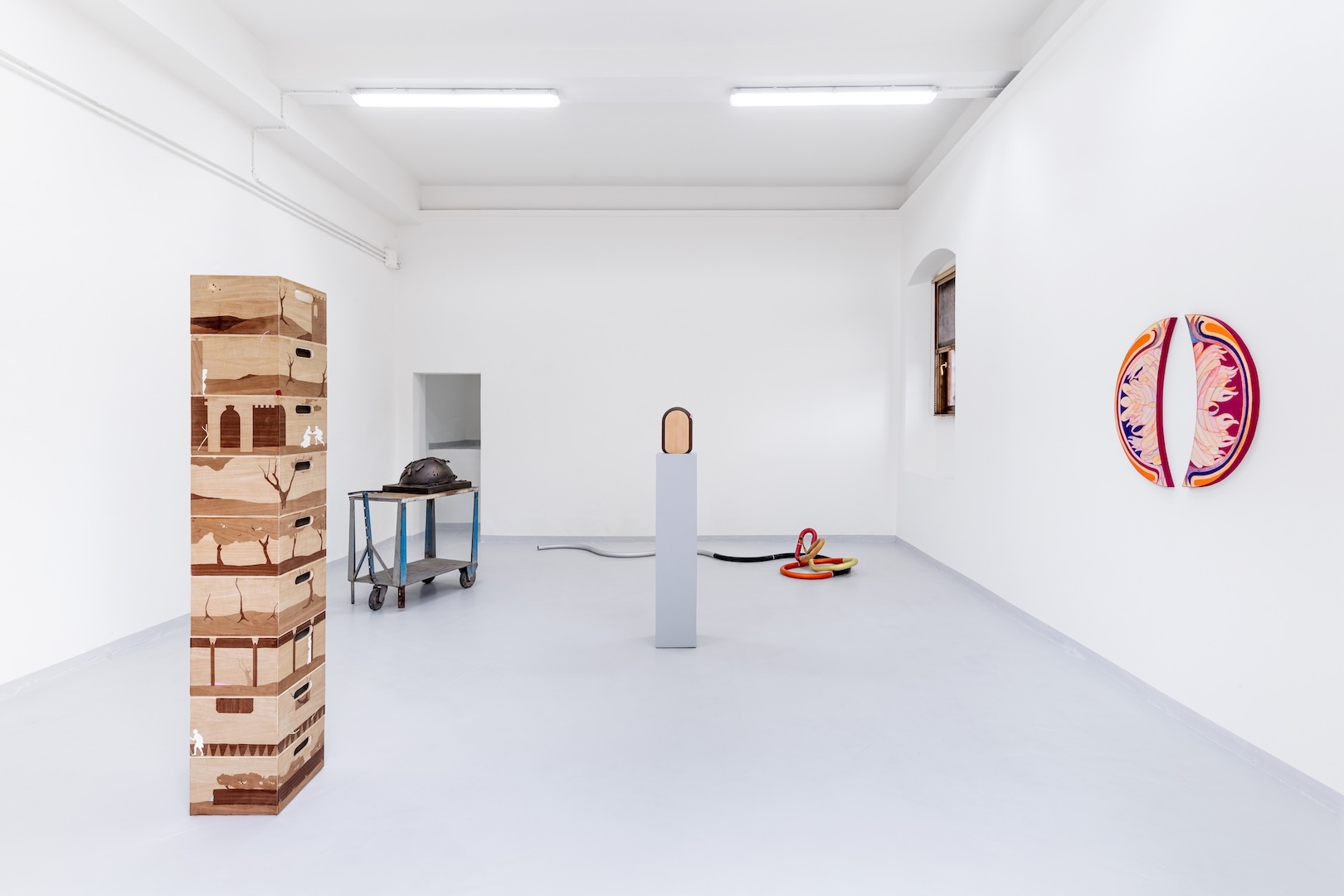
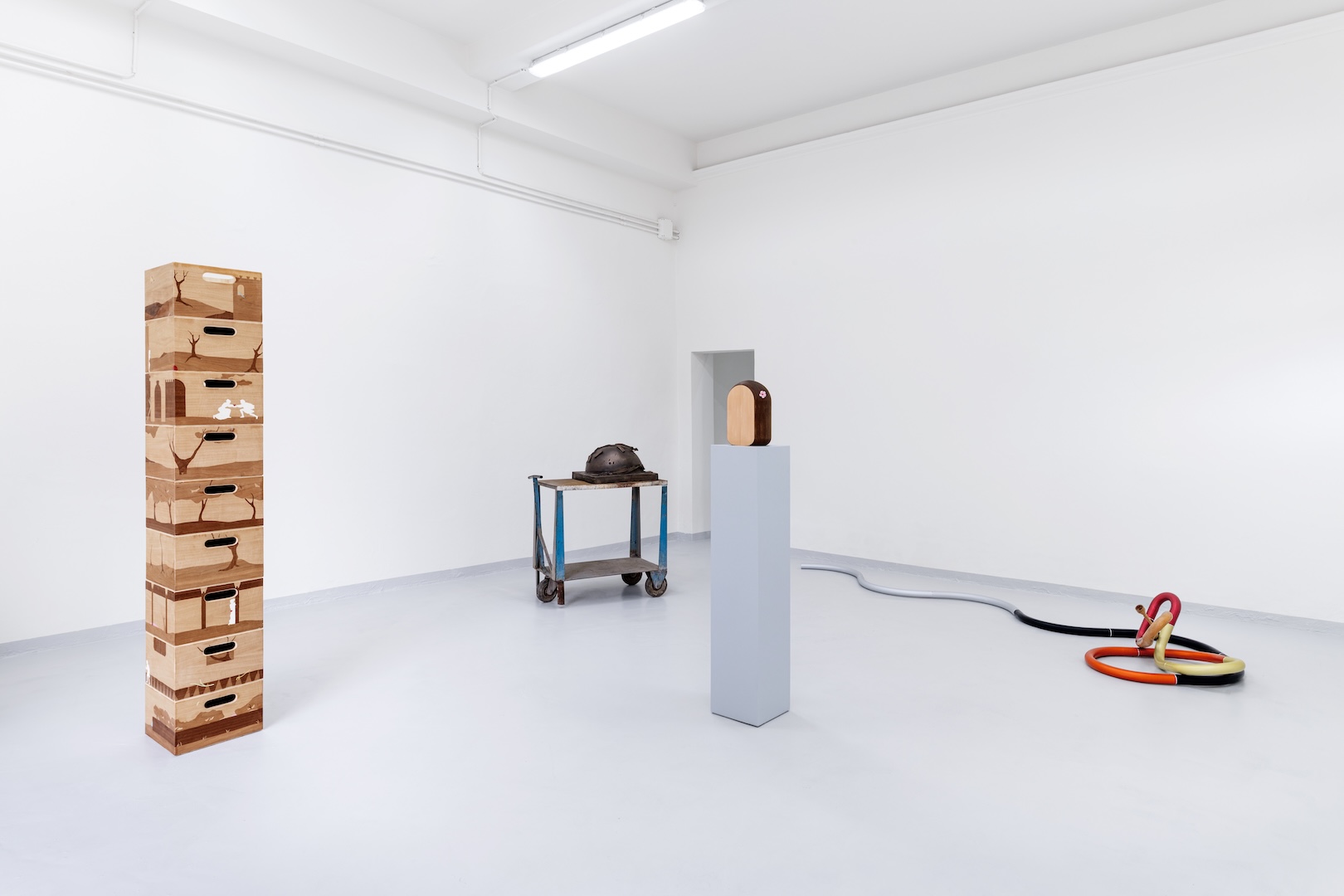
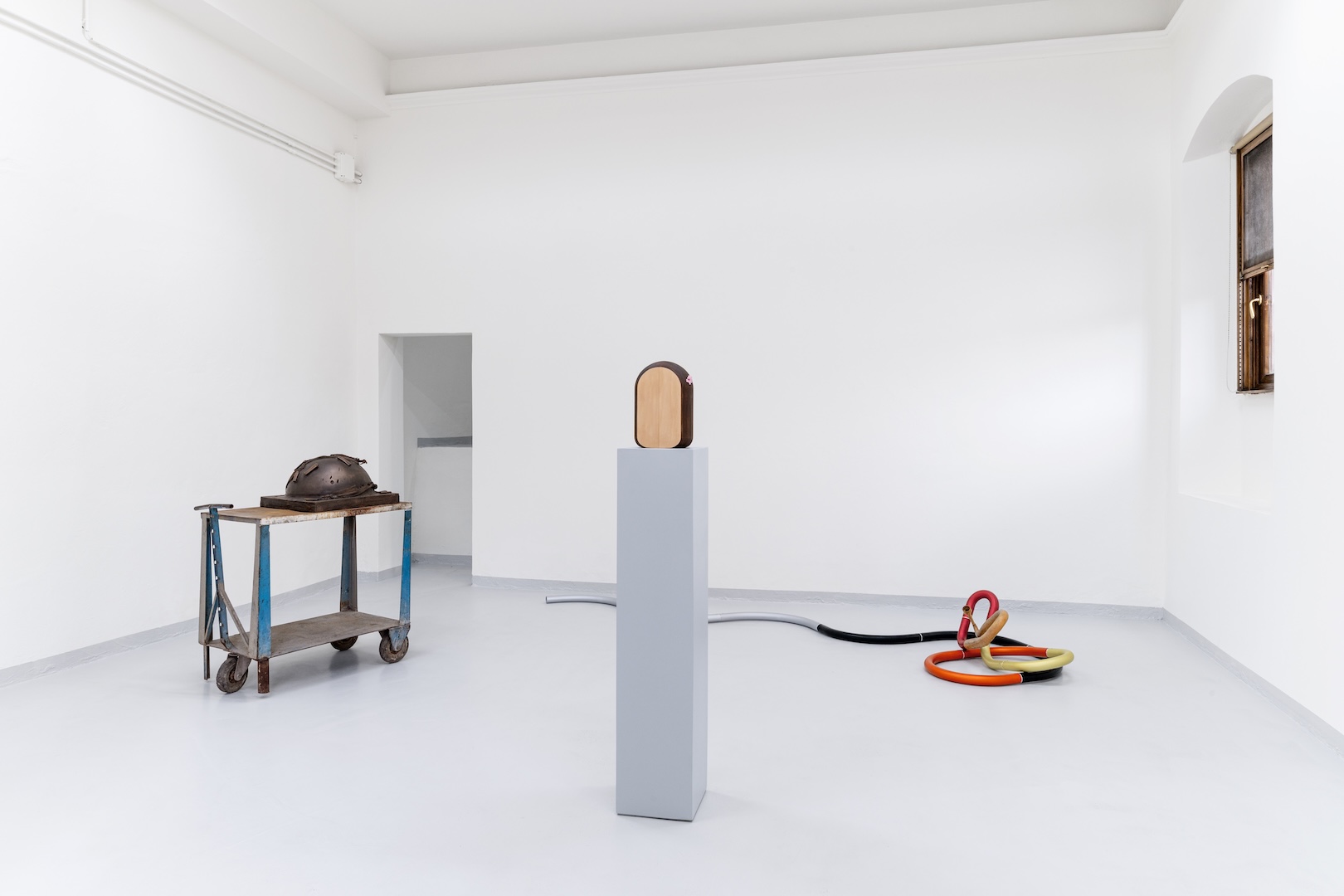
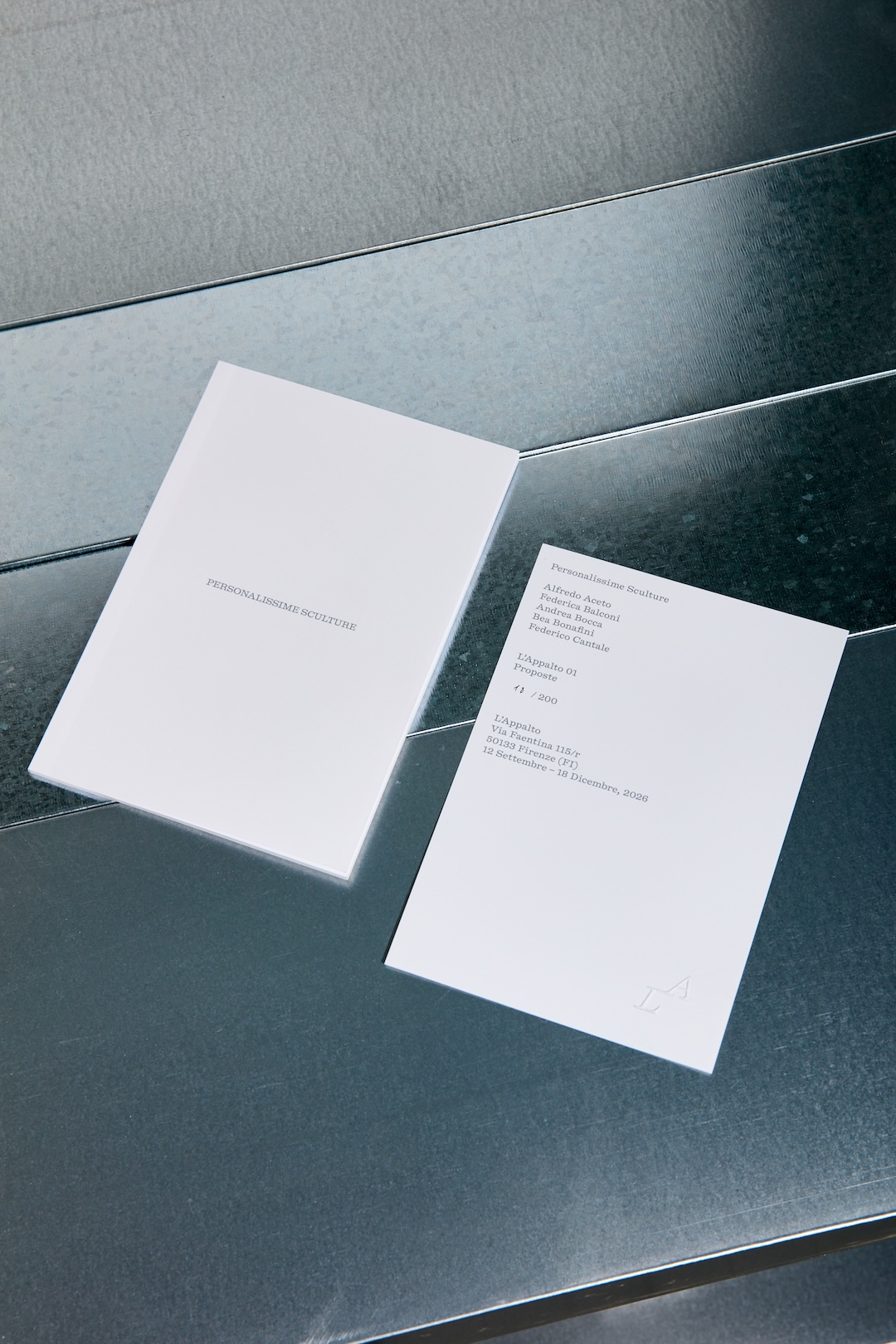
In the northern part of Florence, beyond the city walls, where the Cure neighbourhood begins to climb towards the hills of San Domenico, an old sign still hangs above a former neighbourhood grocery shop. It reads L’Appalto, and it has now given its name to one of the city’s newest spaces for contemporary art. Founded by Arianna Iandelli and Lupo Steinhauslin, the gallery opened on 12 September 2026 with a clear intention: to support emerging Italian artists through a deliberately decentred perspective, both geographically and critically, in a city where contemporary practice has long struggled to find room beside the overwhelming presence of its past. Rather than following the rhythms of the conventional art market, L’Appalto has chosen a slower, more reflective pace: three to four exhibitions a year, each accompanied by a dedicated publication conceived as a critical extension of the show. The inaugural exhibition, Personalissime Sculture, sets the tone. Five Italian artists born in the same decade, Alfredo Aceto, Federica Balconi, Andrea Bocca, Bea Bonafini and Federico Cantale, were each invited to present a work embodying their own idea of sculpture, and to write a text, in whatever form felt most natural to them, about how they understand the medium.
We spoke with Arianna Iandelli about the gallery’s vision, its place in the Florentine landscape, and the questions that shaped its first exhibition.
Balancing Artistic Research and the Art Market
You present yourselves as a gallery that departs from more conventional market models. Yet you remain a gallery, rather than an association or a project space. How do you reconcile research with the commercial dimension of your work?
The ambition of the gallery is precisely to bring together a research-driven programme and a commercial dimension, because we don’t believe the two necessarily have to be at odds with one another. We have the impression that these two aspects are often perceived as being at odds with one another. At the same time, we feel that there are collectors, critics, and art professionals who would like to see them brought back together. We are focusing primarily on the Italian art scene. Although we both have international backgrounds, we feel it is more interesting to work with a scene that is close to us and that we can get to know in depth. For us, this local dimension is also a way of proposing an alternative to the model adopted by many galleries which, from the 1990s onwards, have often developed similar programmes despite being based in different cities. Competing within the same globalised international market, they sometimes end up presenting programmes that are not so different from one another, especially in terms of the artistic geographies they represent. Our idea, then, is to focus on the Italian scene while opening up to a more international dimension through collaborations and exchanges with other organisations, particularly through the Appalti format. We want to build relationships that allow for dialogue and, in a sense, a sharing of areas of expertise. This is an approach we are also pursuing in other aspects of our work.
The Story Behind the Name L’Appalto
You chose to keep the sign of the former grocery shop and adopt its name. Appalto, however, is an ambiguous word in Italian, evoking contracts, concessions and sometimes even something opaque. How much did you play with this ambiguity, and what did you want to retain from the name?
There was certainly a risk of ambiguity, but ultimately two main considerations prevailed.The first was the desire to preserve something of the space itself, maintaining a connection with what was there before without becoming excessively attached to the history of the place. We are located in a neighbourhood outside the city centre, with its own landmarks, and the former grocery shop was one of them: a place people passed through, whose memory we wanted to preserve in some way. The second consideration concerns the name Appalto itself. First of all, we wanted an Italian name. This choice is also reflected in the gallery’s communications: alongside English we use Italian in our newsletters, Instagram posts and publications. Furthermore, Appalto is the name we have chosen for a specific format of projects based on exchange and collaboration. Compared with the more traditional gallery model, we would like to build more collaborative relationships with other galleries of our generation and with other project spaces. We decided to call these exchanges Appalti because they work in both directions: we invite another organisation to use our space for an exhibition, and, in turn, we can be hosted elsewhere. The idea is to make our space available to others, creating opportunities for encounters and collaboration.
Why L’Appalto Chose a Location Outside Florence’s City Centre
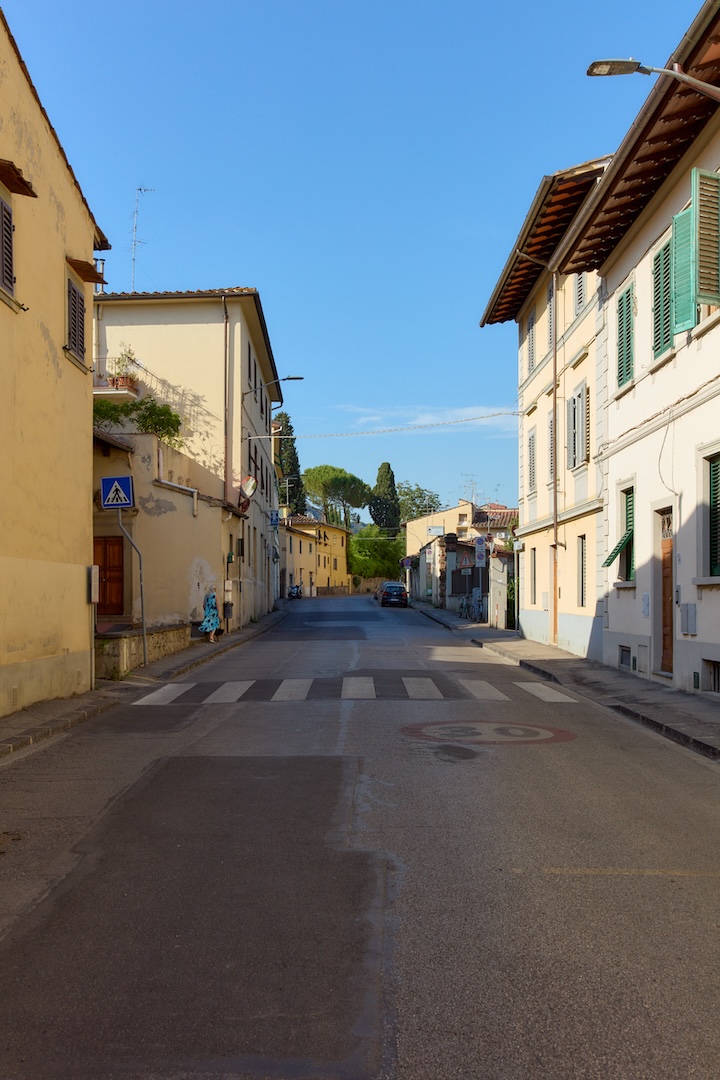
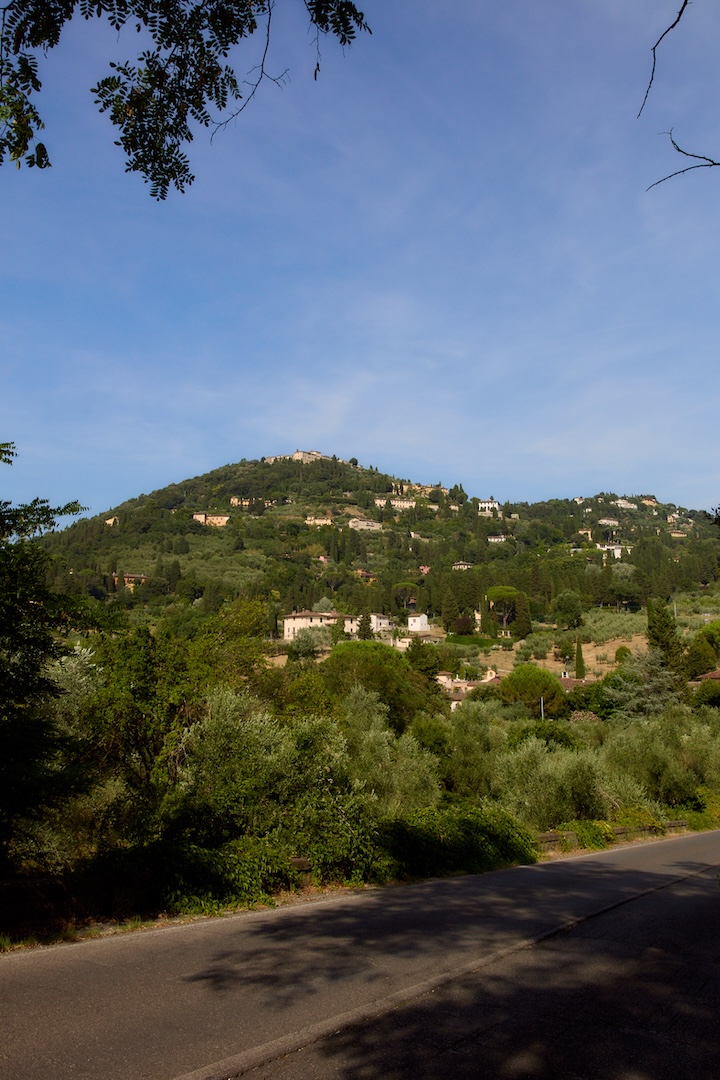
You speak of a “decentred vision” of contemporary art practice, and you have physically positioned yourselves outside the city centre, between Le Cure and San Domenico. Decentring is, for you, both a geographical choice and a critical position in relation to the art system. What does this change, in practical terms, about the people who walk into the gallery?
In a city like Florence, increasingly affected by mass tourism and a fast-paced form of visit, we liked the idea of not being in the city centre. We are in a somewhat peripheral location, but in an area that is well known and appreciated locally, close to the hills and pleasant to visit for anyone coming to see us.This choice allows us to reach an audience that is not exclusively local, and that also looks beyond the most well-trodden tourist routes. We are naturally interested in reaching an international audience, but we want to do so through paths that differ from the more conventional ones.Decentring also relates to the gallery model we want to develop. At this initial stage, and more broadly in our work, we are trying to focus primarily on the exhibition programme, including through choices that may be more challenging from a market perspective. Being outside the city centre allows us, in this sense, to imagine a different structure and give greater space to research, without having to be subject to the more established logic of the art system.
Contemporary Art in Florence: Beyond the City’s Past
It is often said that contemporary art in Florence is overshadowed by the weight of history. Do you share this view, or does it seem to you like a cliché that risks becoming an excuse? In recent years, other independent spaces have opened in the city. How do you see yourselves within this scene?
We agree that there is a widespread perception in Florence that contemporary art is overshadowed by the weight of history, and that this perception risks becoming an excuse. We believe it is possible to work differently.
This idea also stems from our personal experiences: we both lived abroad for several years before returning to Florence. We realised that there is a segment of our generation that would like to live here but often chooses other cities for professional reasons or because of a perceived lack of stimulation. We want to respond to this desire to return and contribute something different, partly because we believe there is a genuine need for new opportunities, not only in the visual arts but in contemporary culture more broadly. In this respect, the response we received at the gallery’s opening was encouraging: almost four hundred people attended. They were not only art professionals, but also people who were simply curious to see what was happening and to engage with contemporary culture. It is something we often discuss with friends working in other cultural fields, as well as with those who would like to return to Florence to develop new projects. Florence, moreover, is a city with considerable economic and cultural resources. We therefore believe that the conditions are there to foster a broader engagement with contemporary art. We do not necessarily see the city’s history and current artistic research as opposing forces. On the contrary, knowledge of art history and architecture can provide an interesting starting point.
We believe the problem lies primarily in the lack of proposals and opportunities capable of encouraging this exchange. Alternatives are needed, as is a form of cultural mediation that allows a broader audience to engage with contemporary art. Naturally, we do not believe it is our responsibility alone to change the situation, but we would like to contribute, alongside other organisations, to building a more articulated ecosystem over time. There is also a broader reflection on how cultural research can be pursued today. On the one hand, it requires freedom and an international outlook; on the other, we believe it is increasingly important to develop projects that are rooted in specific contexts and respond to the characteristics of a given territory. Perhaps this is no longer solely a moment for large international exhibitions or projects that aspire to be relevant everywhere, but also for initiatives that engage more directly with the realities in which they emerge. The idea of an increasingly internationalised cultural elite, detached from local contexts, is beginning to show its limitations. We therefore find it interesting to imagine alternatives by working on projects that are more closely attuned to the specificities of their territories.
Group Exhibitions and Solo Shows: A Research-Driven Approach
Your programme alternates between group exhibitions and in-depth presentations of individual artists. How do you decide when a question calls for a collective approach and when an individual practice needs to be examined in greater depth?
There is no predetermined rule, partly because our method is quite intuitive. Questions often emerge through conversations with artists and through engaging with their practices, rather than from a rigid programme.
Sometimes we are interested in developing a collective reflection, as in the current exhibition, where several artists seemed to be engaging with the question of sculpture from different perspectives.The programme thus also becomes a way of making sense of an extremely broad landscape, in which there are countless artistic proposals and the boundaries between different languages are becoming increasingly blurred. Exhibitions are therefore attempts to bring certain questions into focus through an empirical and deliberately circumscribed approach.Group exhibitions allow us to bring different practices into dialogue and open up a freer exchange, while solo exhibitions offer the opportunity to explore an individual artist’s trajectory in greater depth. In these cases, we are interested in understanding where they are in their research and whether a solo exhibition might be the most effective way to convey its developments.
Over time, it is also through the alternation between these two formats that an overall vision of the programme begins to emerge: individual exhibitions address different questions which, when viewed together, reveal a number of shared areas of interest.
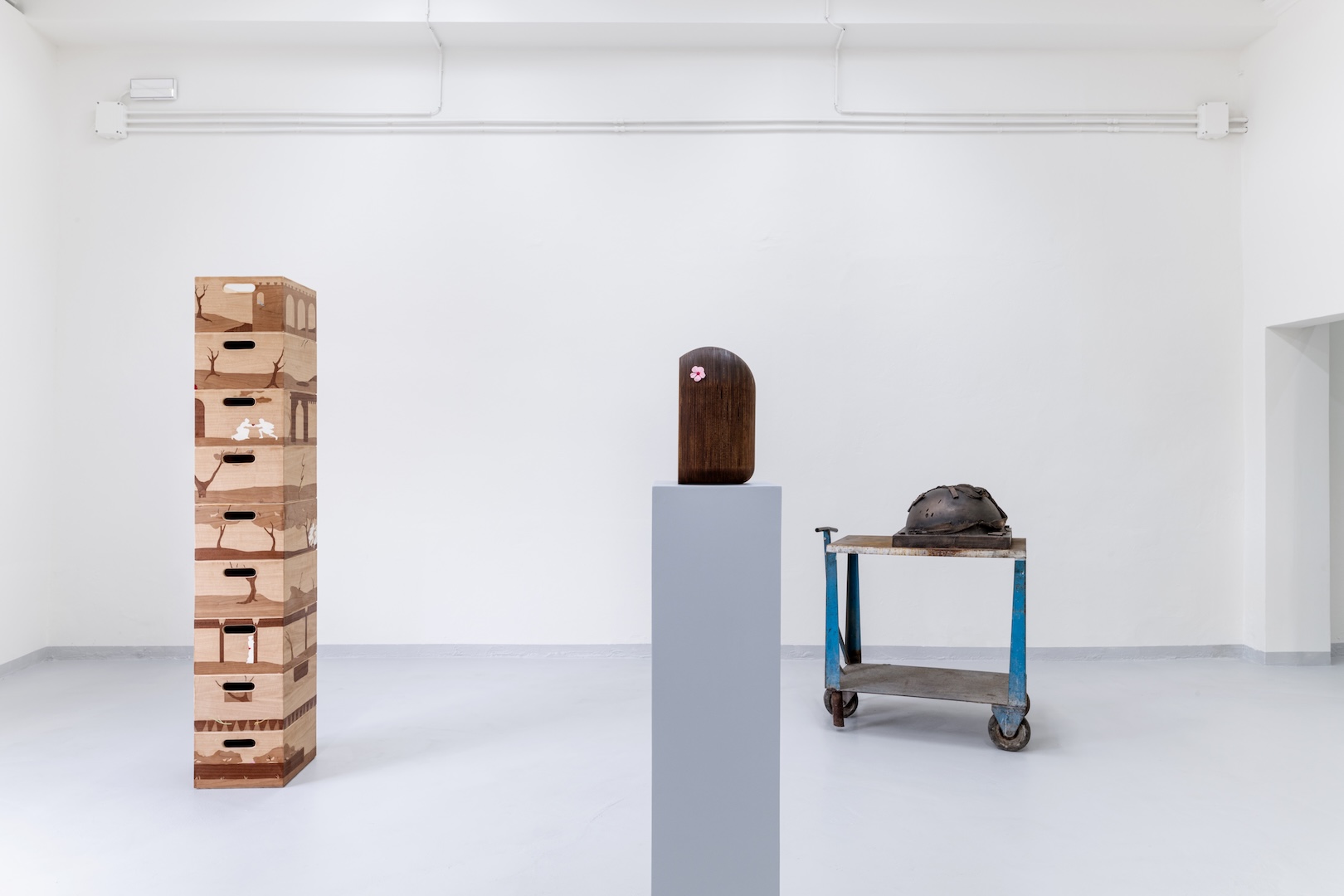
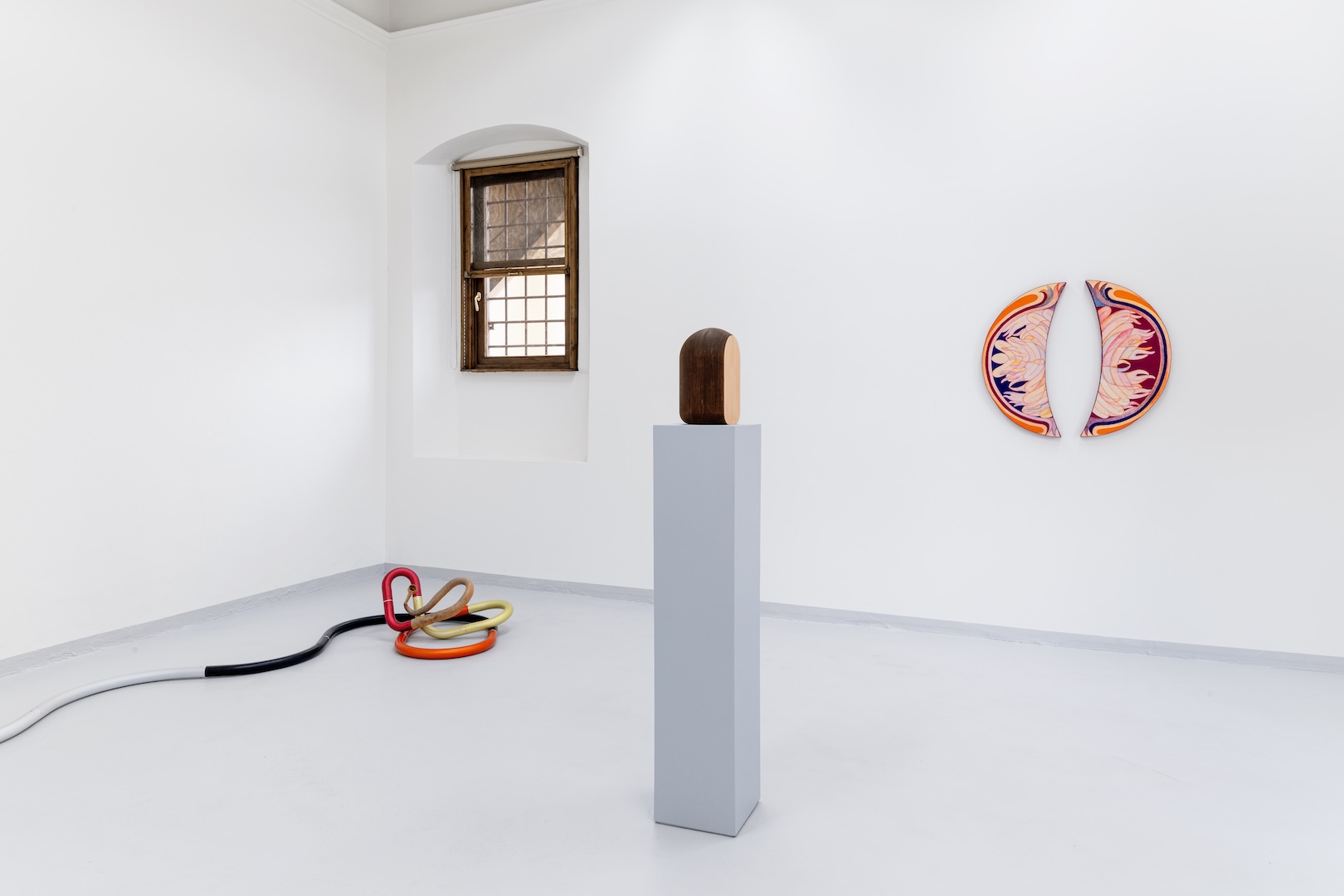
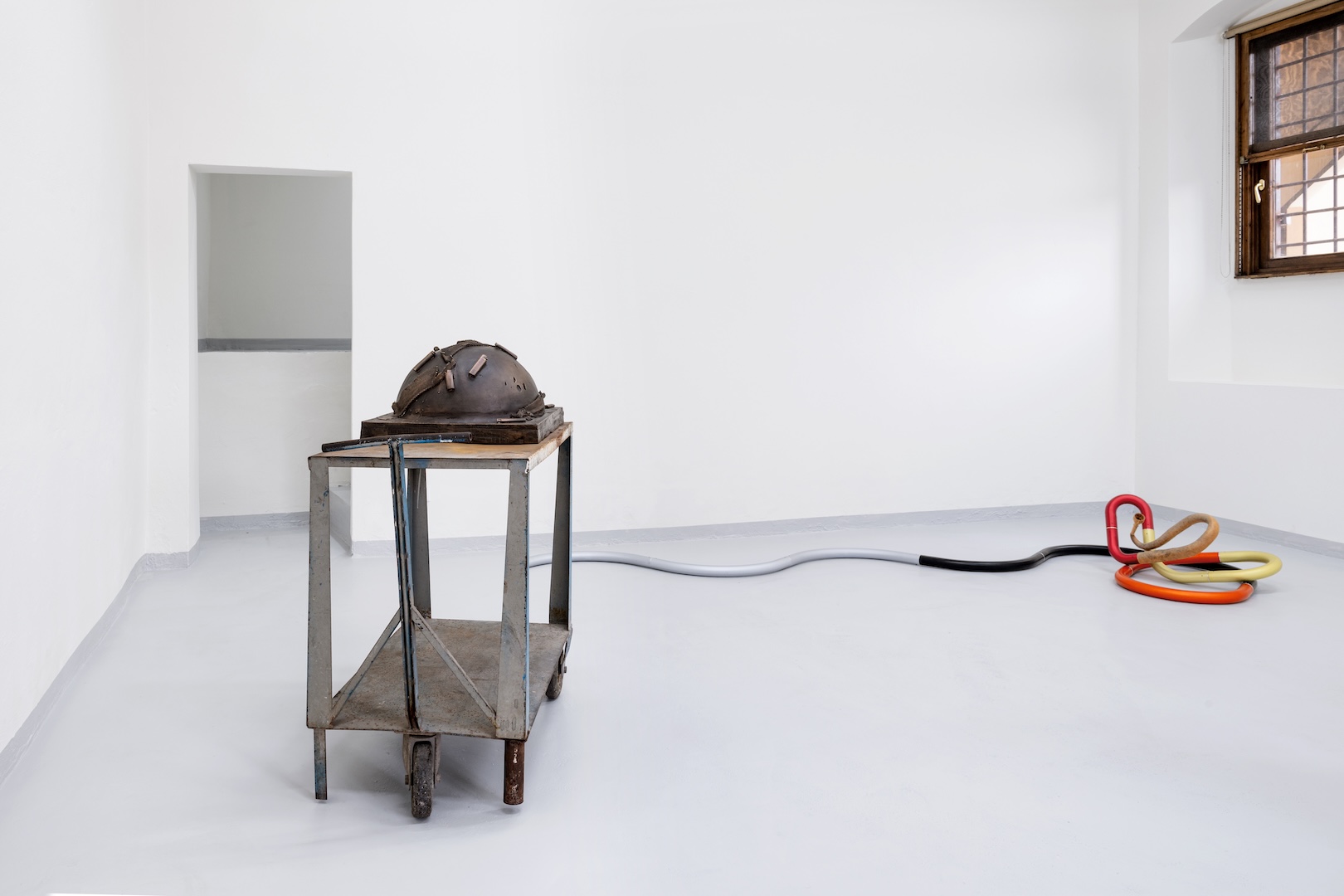
Personalissime Sculture: Five Artists, Five Perspectives
Turning to the exhibition itself, you have chosen five Italian artists born in the same decade. Is this an age-based criterion intended to narrow the field, or were you interested in bringing out something generational in their understanding of sculpture?
Yes, there was an intention to offer a generational reading of the questions addressed by the exhibition, albeit a necessarily circumscribed one. These are artists whose work we follow and find interesting, and whom we felt could offer meaningful perspectives on the subject. It is therefore a generational snapshot, but also a geographical one: predominantly Italian, with a particular focus on Northern Italy, where the artists are based. Moreover, although the exhibition emerges from a dialogue between different practices, the selection nonetheless reflects our own, more specific and circumscribed understanding of sculpture, which guides the project in a specific direction.
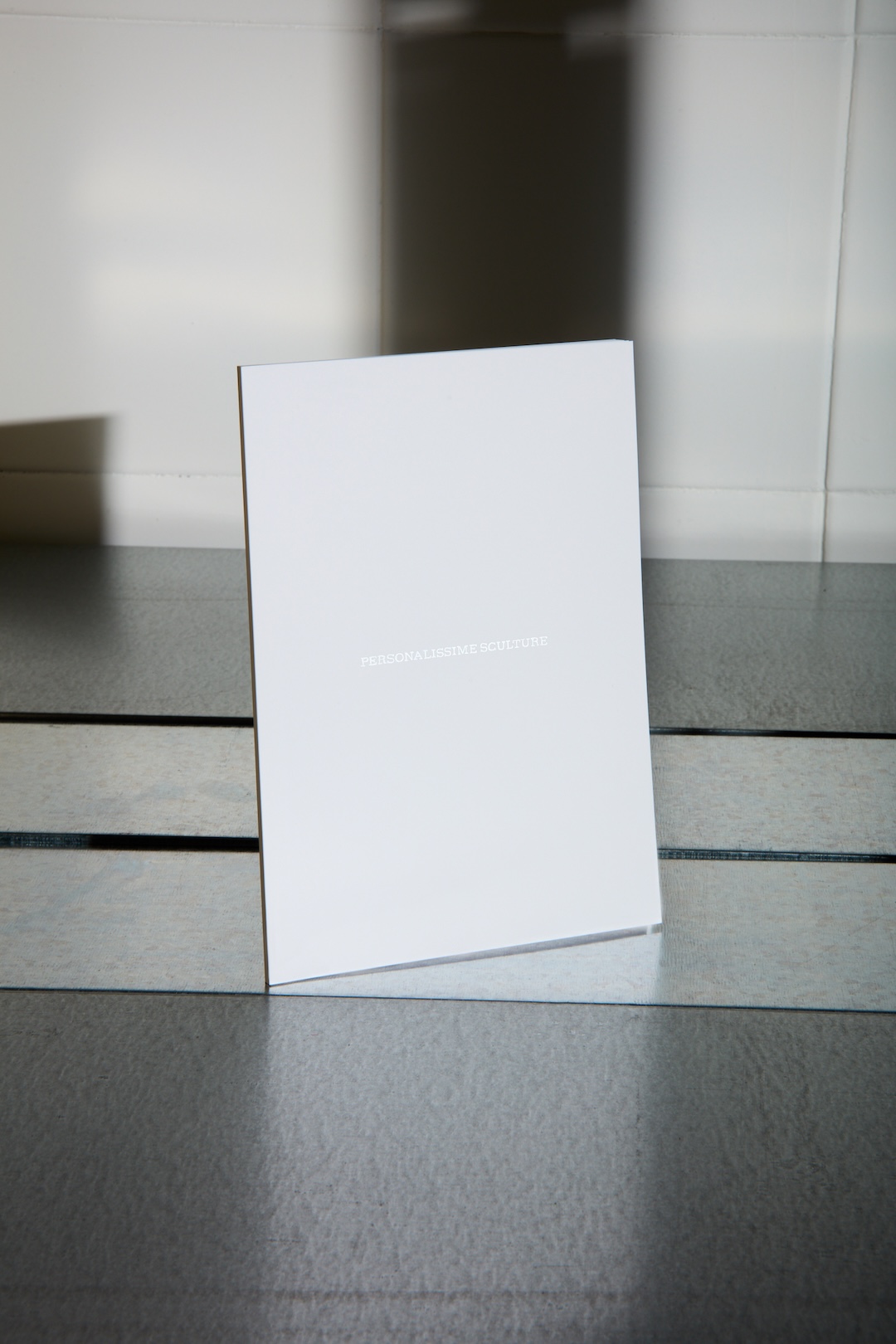
Art Publications Beyond the Exhibition
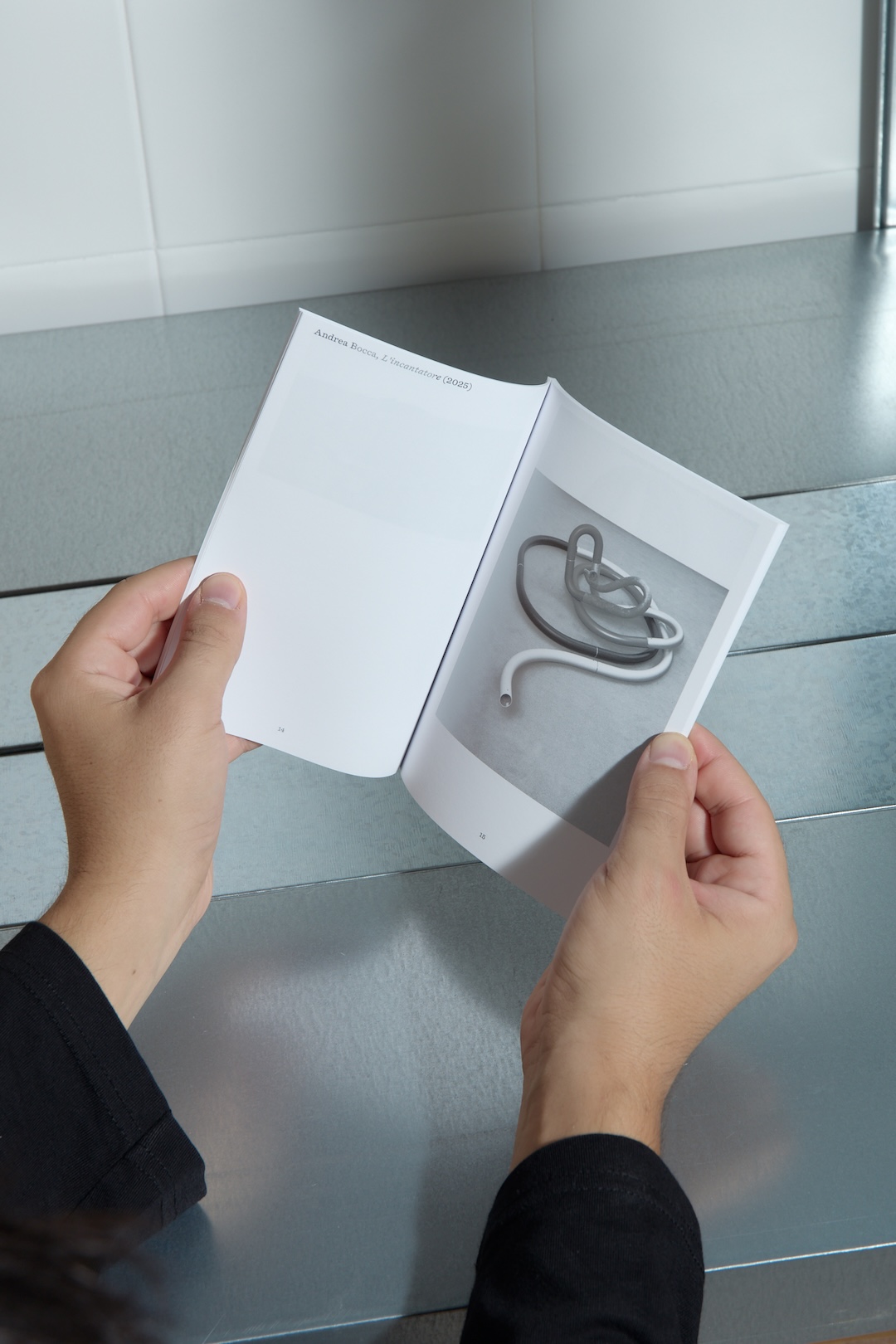
You describe the publication as a critical extension of the exhibition, a tool for allowing its ideas to resonate beyond its duration. How does it differ, in your view, from a traditional catalogue? And is making it free a decision rooted in accessibility, or also in a particular idea of how ideas should circulate?
We would like the publication to become a point of reference, something that remains over time, unlike a conventional exhibition handout, which often gets lost. For us, it is a tool for documenting the exhibition and expanding its interpretation, allowing its content to resonate even after the show has closed. In this case, the publication was an integral part of the project. We asked the artists not only to present a work in the exhibition space, but also to contribute with a text. The publication will always be free of charge. We are producing an initial print run of two hundred copies, after which it will also be available in digital format. The idea is to encourage the widest possible circulation of its content, while drawing on a tradition of independent art publications that emerged in the 1960s and 1970s and sought to make artistic thought accessible beyond more institutional circuits.


