By Adelaida Salamanca Cubides
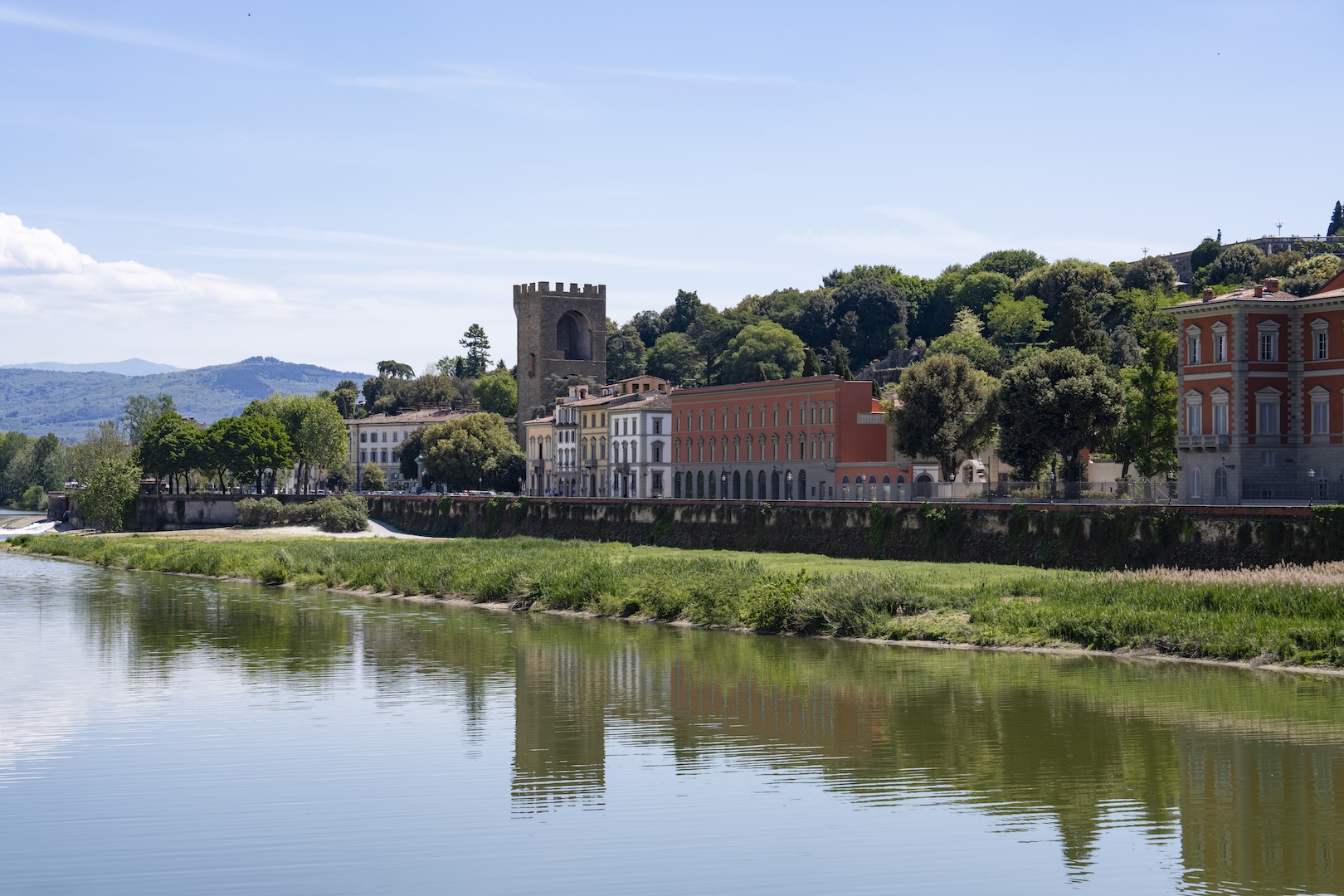
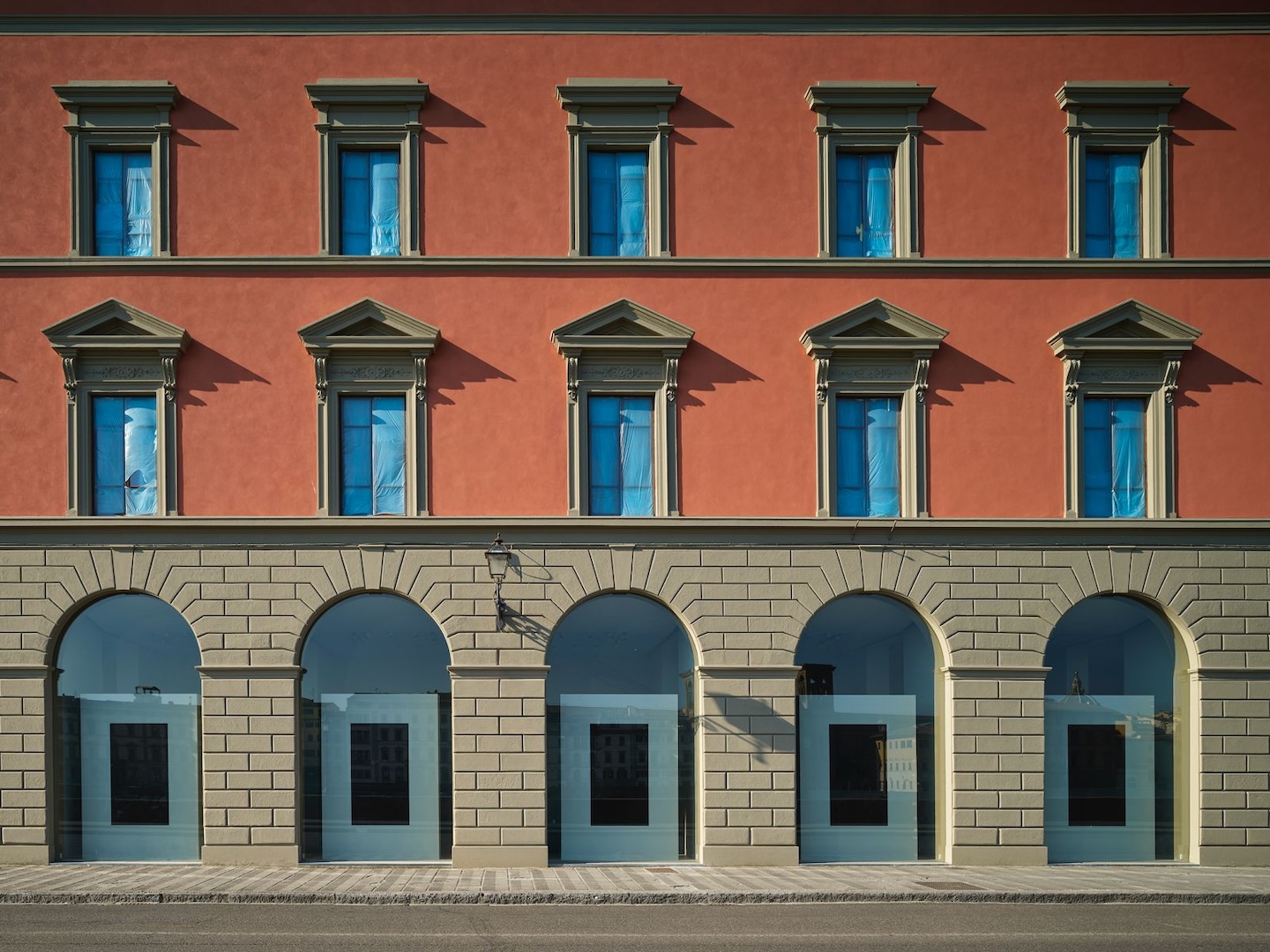
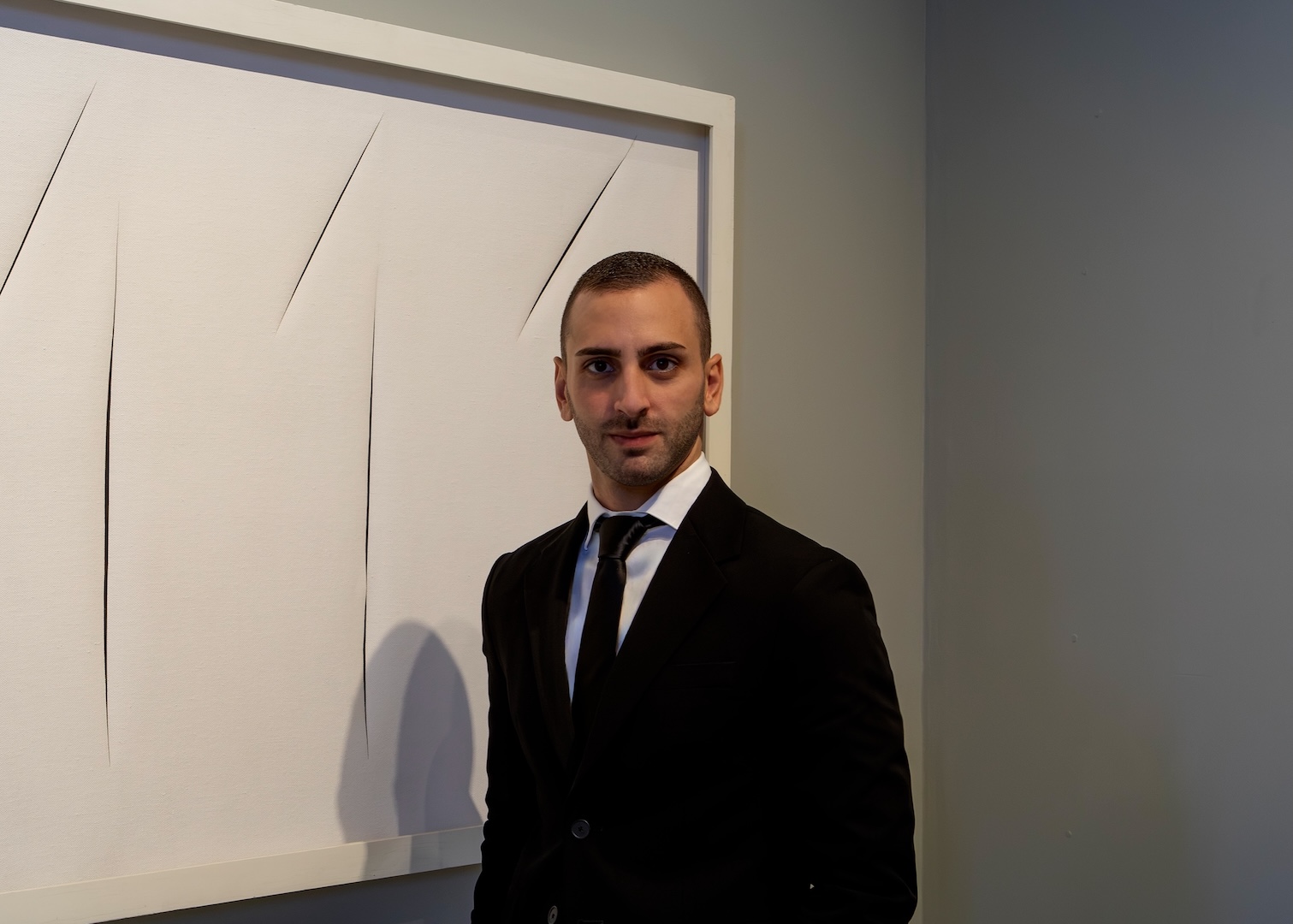
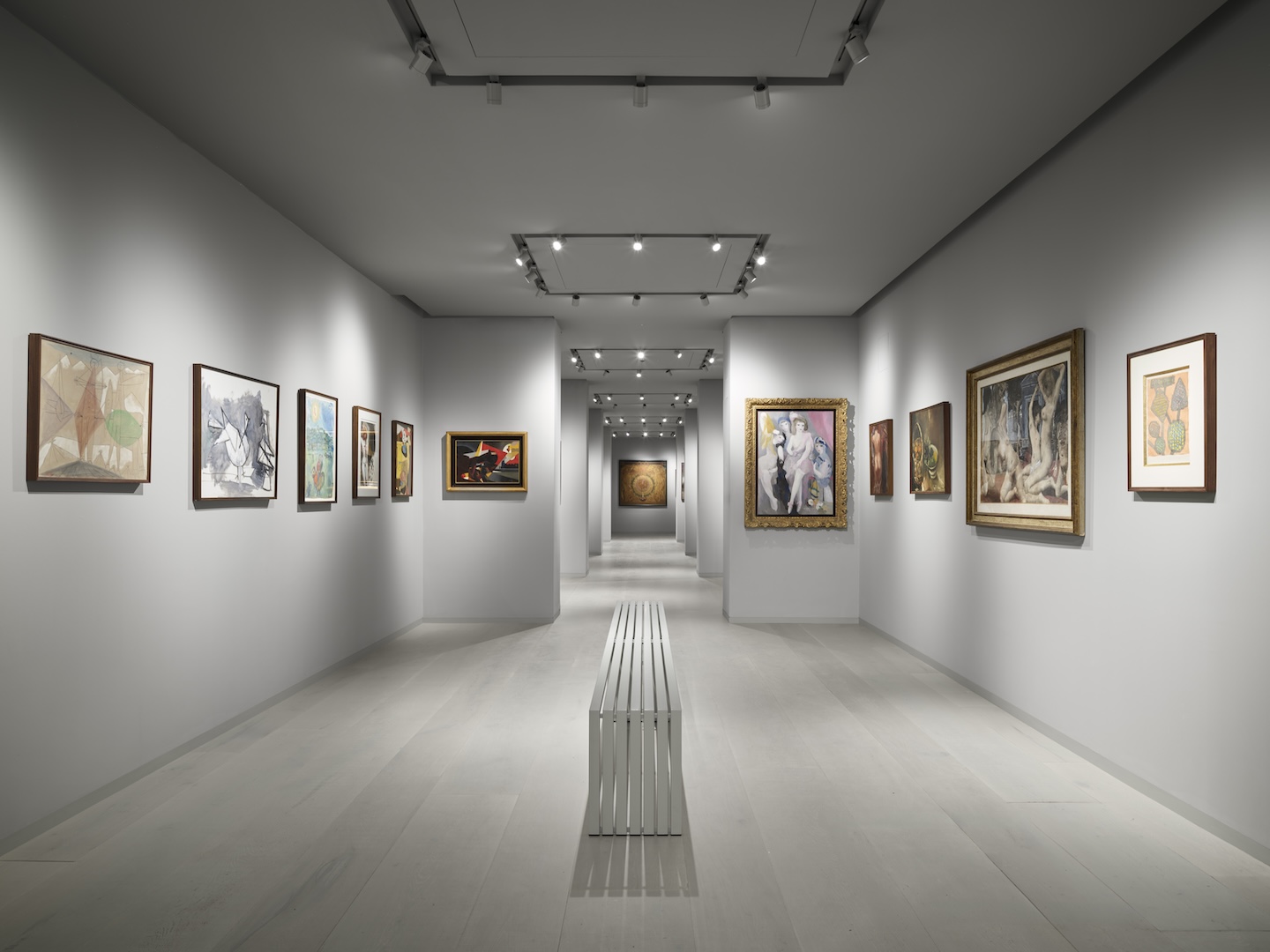
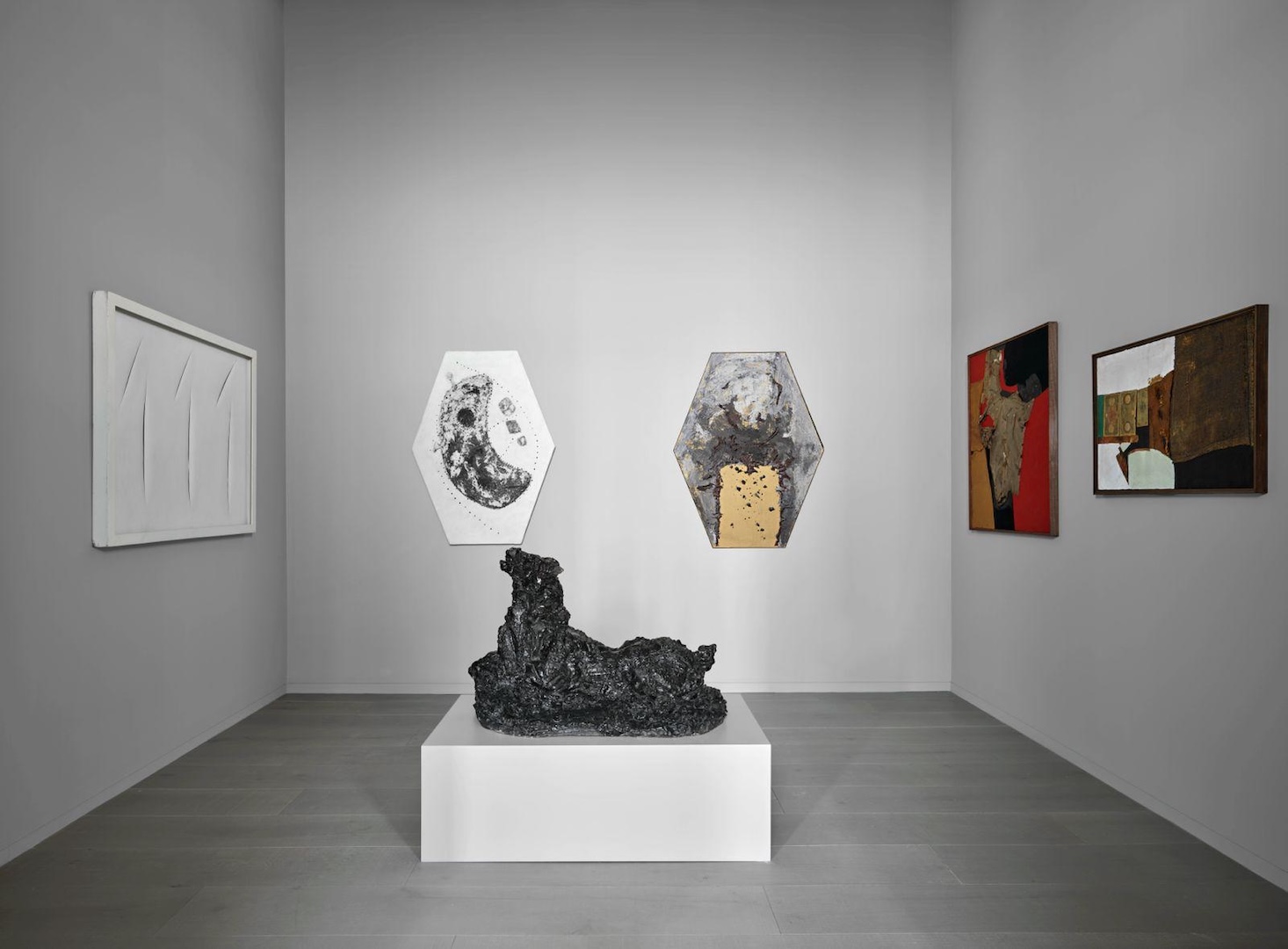
From art student to director of one of Florence’s most significant private art collections, Jonathan Paonetti has built his career around a passion that began in childhood. A graduate of the Master’s in Art Management at Istituto Marangoni Firenze, he now leads Collezione Casamonti into a new chapter with the opening of Palazzo San Giorgio, just steps from Ponte Vecchio. Open to the public since September 28, 2026, the historic building brings together the collection in its entirety for the first time, with approximately 250 works displayed across 30 rooms on two floors. From Picasso and Kandinsky to Warhol, Basquiat and Marina Abramović, the exhibition traces more than 150 years of Italian and international art, reflecting the vision of renowned collector Roberto Casamonti. Originally housed at Palazzo Bartolini Salimbeni, the collection now has a larger home designed by Archea Associati, with spaces dedicated to exhibitions, research and educational activities. For Paonetti, who has also returned to Istituto Marangoni as a tutor, this new beginning is an opportunity to bring contemporary art closer to a wider audience. We spoke with him about his journey, the challenges of directing a major collection and what it takes to turn a passion for art into a profession.
From Art Passion to Art Management
How did your passion for art begin, and what led you to choose the Master’s in Art Management at Istituto Marangoni Firenze?
My passion for art began when I was very young. I have always found the ancient world, particularly Egyptian, Greek and Roman civilisations, fascinating. Over time, I also developed a growing appreciation for contemporary art. I have my parents to thank for this, as I believe an education in art should begin at an early age. Attending a master’s programme of this calibre had always been a dream of mine, and the curriculum and opportunities to interact with industry professionals offered by Istituto Marangoni played a major role in my decision.
How Art Management Education Shapes a Career
How important was your education at Istituto Marangoni in launching your career in the art world, and which experiences best prepared you to become Director of Collezione Casamonti?
My education at Istituto Marangoni was extremely important in helping me understand the realities of the art world, which is both beautiful and complex. The opportunity to work on industry projects, including a collaboration with the renowned auction house Phillips, was particularly valuable.
Learning from Roberto Casamonti
What have you learned from working alongside Roberto Casamonti, and what has inspired you most about his vision of art?
It is difficult to list everything I continue to learn from such an important gallery owner and collector as Roberto Casamonti. Our relationship is built on deep mutual respect, which allows me to maintain a broad perspective on the contemporary art scene and gives me the opportunity to help others experience the emotions that art can evoke.
A New Chapter for Collezione Casamonti
What does the opening of Palazzo San Giorgio mean for Collezione Casamonti, and what new opportunities does it offer compared to its previous location?
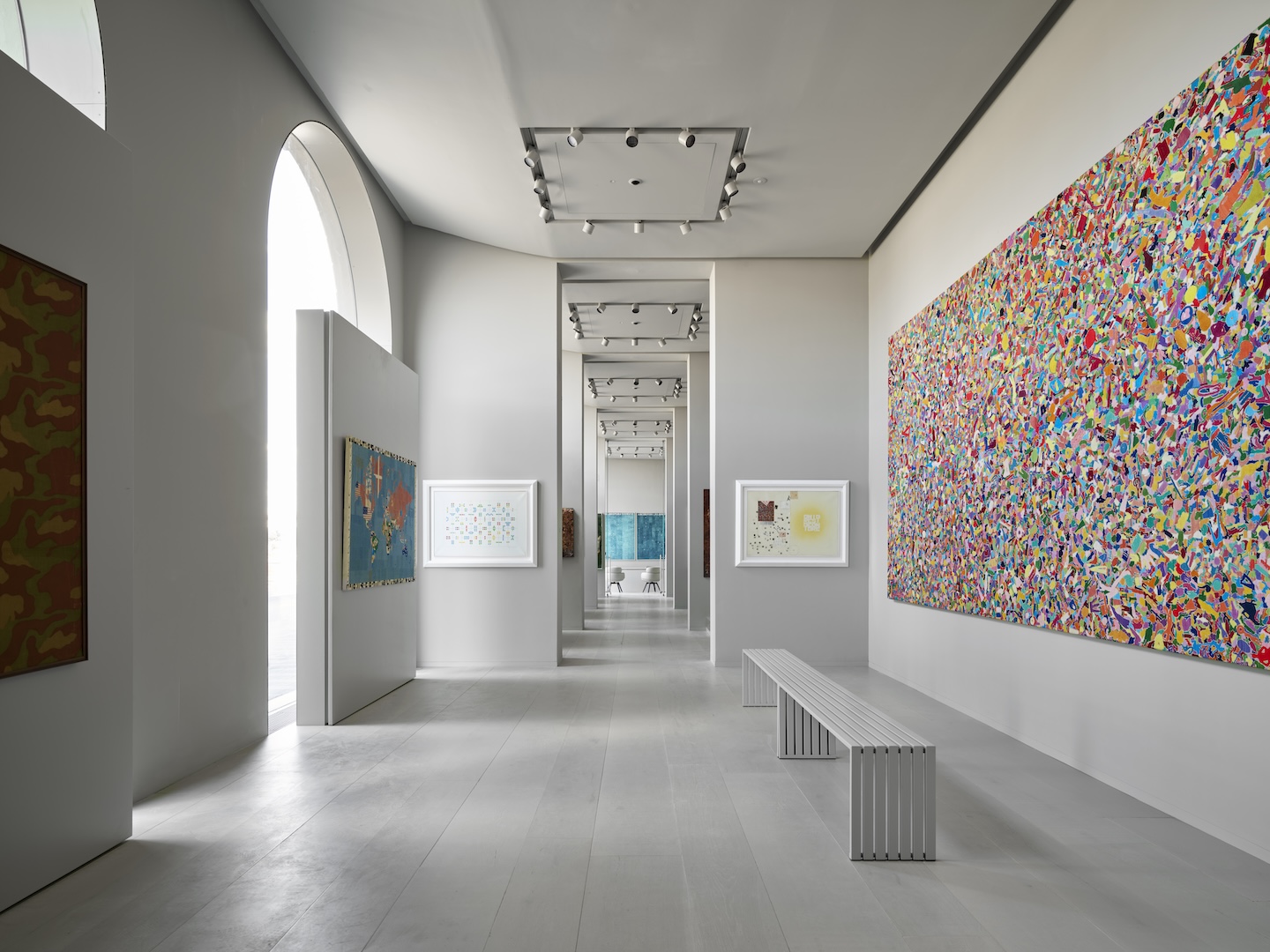
The opening of the new home of Collezione Casamonti at Palazzo San Giorgio is a momentous event. Three years of work have involved a long and complex process to ensure that this vast collection can be displayed across 30 exhibition rooms on two levels. This allows us to offer a wide range of opportunities: a comprehensive overview of the artistic landscape spanning more than 150 years, spaces for research activities, educational tours for children, conferences and many other initiatives.
Creating Connections Across Art History
How did you approach the exhibition layout for the approximately 250 works, and what connections did you seek to highlight between artists and movements from different periods?
My approach to the new exhibition space was primarily to create a presentation that would be easily understood by all visitors, following a chronological arrangement of the artworks while also reflecting the thoughts and experiences of the collection’s founder, Roberto Casamonti. Several breaks in the chronology create unexpected connections that encourage dialogue through comparisons between different artistic movements and artists.
Why Private Collections Matter
What role can private art collections play in Florence’s cultural life today, and how can they help make contemporary art more accessible?
I believe private collections play a very important role, both in Florence and throughout Italy. Thanks to private collectors, we have the opportunity to see extraordinary works of art through more than the traditional perspective of art history. We can also discover the lives, connections and personal stories behind the relationships formed with the artworks themselves. Art is also made up of encounters and friendships worth telling.
Making Contemporary Art Accessible to Everyone
How do you envision transforming Collezione Casamonti into a place for dialogue and participation, particularly for people who rarely visit museums?
This is a major challenge, and the response from the public has been very positive. Contemporary art is often approached with a critical or apprehensive attitude. I have always tried to encourage dialogue within exhibition spaces by engaging with visitors, making them feel welcome and communicating aspects of the artworks that go beyond their aesthetic value. The emotions that contemporary art evokes belong to everyone. Storytelling, and the way we communicate, is essential to making art accessible.
Learning to Look Beyond the Artwork
Which work from the collection would you recommend to a young person discovering contemporary art for the first time, and why?
There isn’t a single artwork in Collezione Casamonti that I would recommend to a young person discovering contemporary art for the first time. Instead, I would encourage them to immerse themselves in the art of the past 150 years and discover which movement, artist or artwork evokes the strongest emotional response. That understanding can only come through knowledge and careful observation.
Returning to Istituto Marangoni as a Tutor
What does returning to Istituto Marangoni Firenze as a tutor mean to you, and what is the most important lesson you hope to share with students from your professional experience?
It is incredibly exciting to return to Istituto Marangoni, this time as a tutor. Being in such a prestigious environment from a different perspective often reminds me of myself a few years ago. Personally, I try to pass on one thing above all: a deep love for what you do. I believe that kind of passion is the essential driving force behind success.
Building a Future in the Art World
What skills are essential for working in art management today, and what advice would you give to young people hoping to build a career in the field?
I believe several factors are essential for working in this field: constantly studying developments in the art world, engaging directly with institutions and industry professionals, and, above all, being able to make important decisions quickly. The advice I would give is to approach your work with genuine passion. I believe that is what ultimately sustains a successful career.