By Camilla Sarra.
Matcha is everywhere. In cafés, on Instagram, in skincare, desserts and drinks in almost every shade of green. But behind the global obsession lies a culture built around time, attention and ritual. For Yuri “Yureeka” Yasuda, a Tokyo-born, New York-raised tea sommelier and art curator, that is exactly where things get interesting.
A certified Tea Sommelier with the U.K. Tea Academy, Yasuda has built her career between Japanese culture and the international art world. She founded Tokyo Art Office, has worked with collectors and contemporary art projects, collaborated with organisations including Frieze and spoken at Art Basel Hong Kong. Art has been part of her life since childhood, through her father, a collector and dealer based in New York for decades.
Tea follows the same approach. Through SAYURI, developed after years of research, Yasuda works directly with producers in Kagoshima, Uji and Shizuoka, with a strong focus on provenance and preparation. Its philosophy, The Art of Everyday, starts from a simple idea: even preparing a bowl of matcha can change the rhythm of an ordinary day. We spoke to her about what lies beyond the trend, what the tea ceremony can still teach us and how to recognise what we are actually drinking.
Tea and attention
You work across contemporary art and Japanese tea culture. Where do those two worlds meet for you?
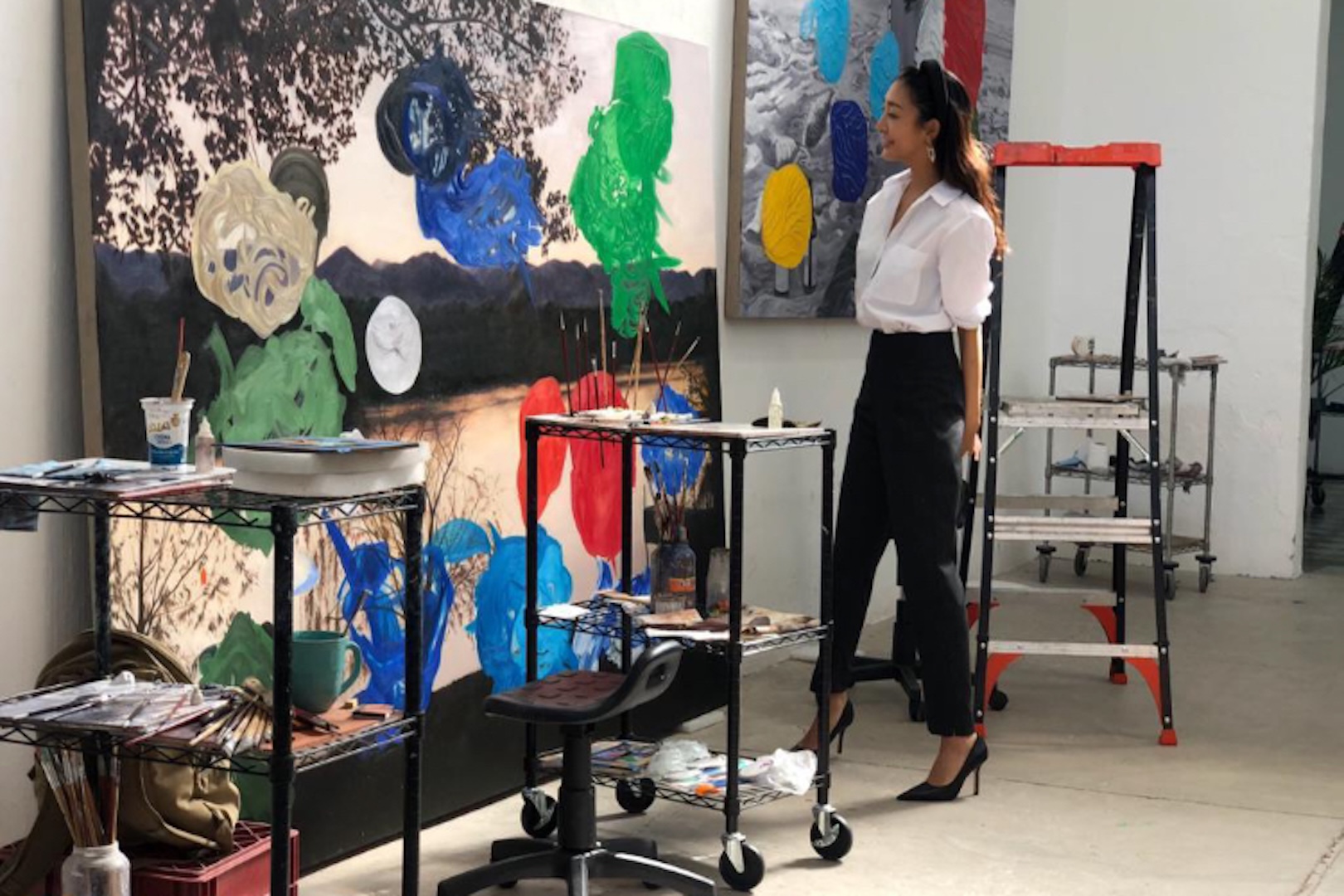
For me, they meet through intention and attention. Art asks you to stop and really look, while tea asks you to stop and really taste. Both can shift the way you feel, bring back a memory or make you notice something you might otherwise miss. What I love is that they can be highly sophisticated and still deeply human, rooted in presence and everyday experience.
When tea becomes ritual
When you prepare matcha, which gesture marks the moment when drinking tea becomes a ritual?
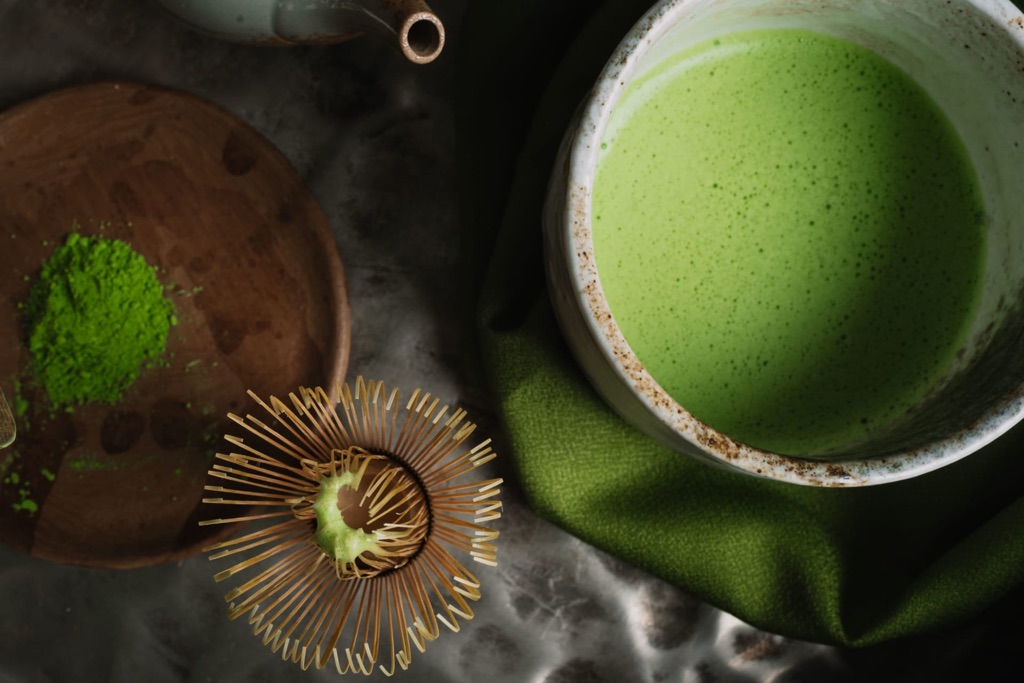
Probably the moment I pick up the chasen. Whisking matcha by hand immediately changes the pace: my posture shifts, my breathing slows and my senses become more alert to what is happening in the bowl. For me, ritual does not have to be formal or ceremonial; it can simply begin with the decision to give an everyday action your full attention.
What tea can teach us
What can the Japanese tea ceremony teach us about the way we live today?
It teaches us to do simple things with care. Modern life pushes us to optimise everything, while tea ceremony reminds us that meaning can exist in repetition and in gestures that might otherwise go unnoticed. Chado is the art of tea, but it is also about being present and respecting the person in front of you. I especially love the idea of ichigo ichie: every encounter happens only once and deserves our attention. Even if we meet the same person again, that exact moment will never return.
Beyond the matcha trend
Matcha has become a global phenomenon. What gets lost when people discover it mainly through cafés and social media?
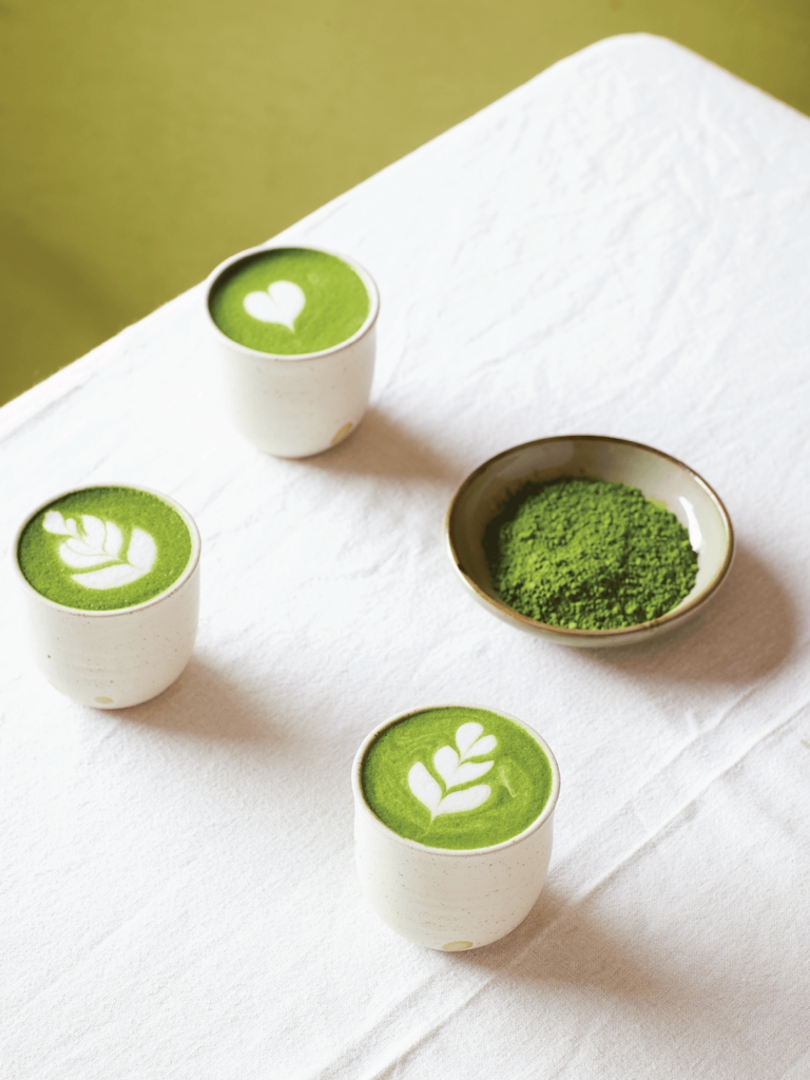
Its Japanese roots can easily get lost. I love that matcha has become so popular and would never want it to remain niche, but when something turns into a trend it can quickly be reduced to a colour, a flavour or an image. Behind good matcha there is agriculture, craftsmanship and generations of knowledge, as well as a rich cultural history. Its popularity is an opportunity to make people more curious about what they are drinking and where it comes from.
How to recognise good matcha
If someone is tasting matcha for the first time, what should they look for to recognise quality?
Start with your senses. Look at the colour and smell it before tasting for balance. High-quality matcha should have depth and umami, alongside softness and sweetness; astringency can be present, but it should never dominate. Texture also matters enormously: properly prepared matcha should feel very fine and almost silky, never grainy or clumpy. With experience, those differences become increasingly easy to recognise.
Why Matcha Origin Matters
How much does matcha change depending on where and how it is grown?
Enormously. Like wine, tea is shaped by its place of origin and by the decisions made during cultivation and production. Kagoshima can produce beautifully vibrant organic teas with a balance of sweetness and boldness, Uji carries an extraordinary history of tea craftsmanship, while Shizuoka has its own distinctive terroir. At the same time, I try not to reduce regions to a single flavour profile, because the cultivar and the producer matter just as much. Two matchas can be equally excellent and have completely different personalities.
The Art of Everyday
How can preparing tea turn an ordinary moment into an aesthetic experience?
Beauty becomes most meaningful when it enters everyday life. It might be in the bowl you choose, the way you scoop the tea or simply the light coming through the window. The Art of Everyday is not about making life overly precious or styled; it is about noticing what is already there and giving ordinary gestures more attention. Tea creates a natural reason to become more conscious of how you move through the day.
Tea meets art
What happens when a tea ritual enters an art space?
It changes the rhythm of the space. Art fairs and exhibitions can be incredibly stimulating, so stopping for matcha creates a brief moment to reset. I also like that tea introduces another kind of craftsmanship into that environment and reminds us that artistry does not only exist on a wall. It can be present in an object or in the preparation of something that disappears within minutes. For me, that is where tea and art come together most naturally.


