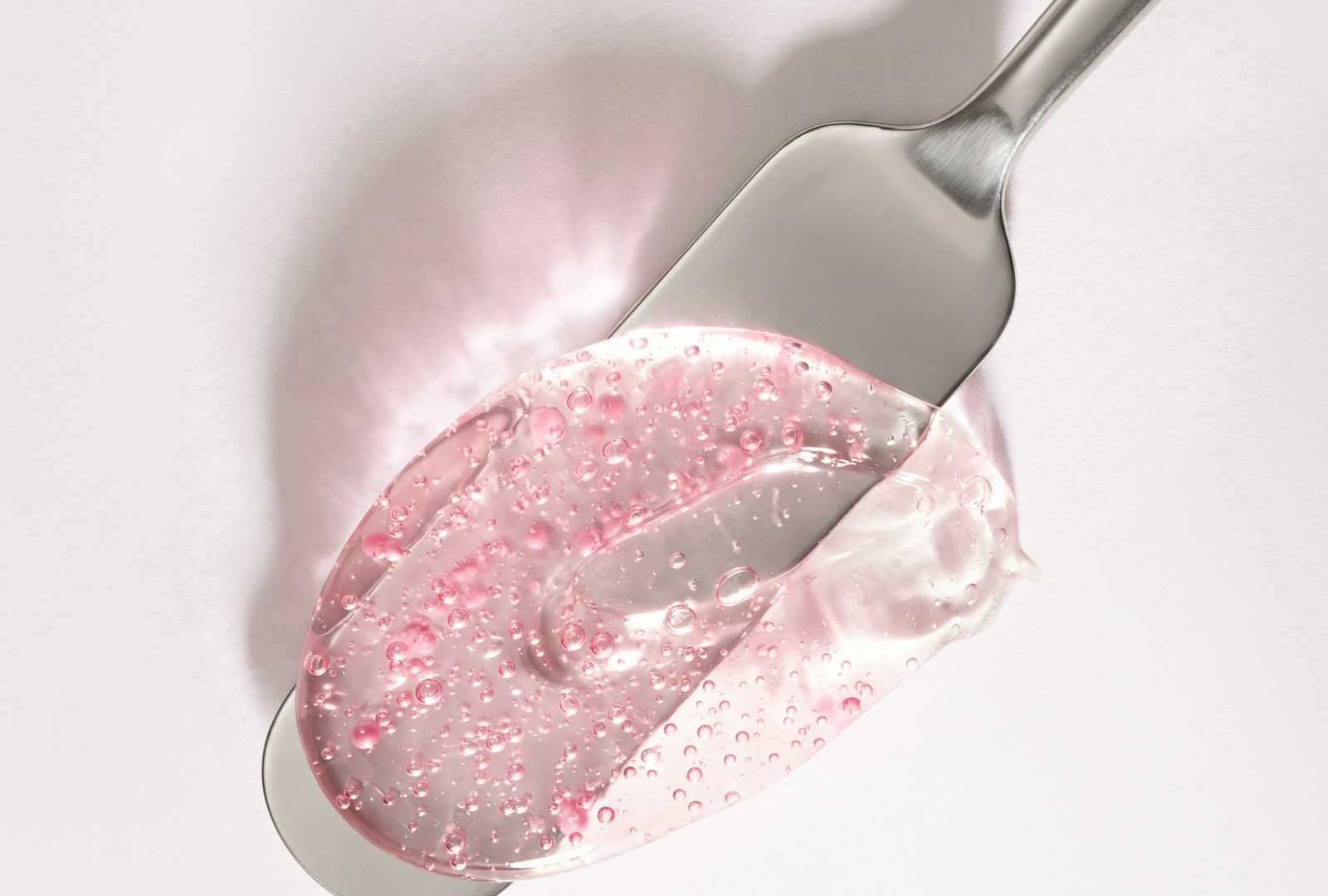
By Sarah Westerman. Cover image Triple Serum’s texture of Retinol Correxion skincare line by RoC, a preview released in October 2026
The pursuit of beauty is timeless. For centuries, people have relied on skincare practices to cleanse, hydrate, and protect their skin. A decade ago, a skincare routine could fit comfortably on a bathroom shelf: a cleanser, a moisturizer, maybe a face mask for special occasions. Today, opening TikTok means entering a world of 10-step rituals, viral ingredients and beauty tools promising everything from glass skin to eternal youth.
Skincare is no longer just about taking care of our skin. It has become a daily ritual, a form of self-expression and, increasingly, a performance shared online. But behind the endless launches and perfect bathroom shelves, a question is emerging: does a more complex routine truly lead to healthier skin, or does it primarily reflect shifting consumer behavior within a rapidly growing beauty market?
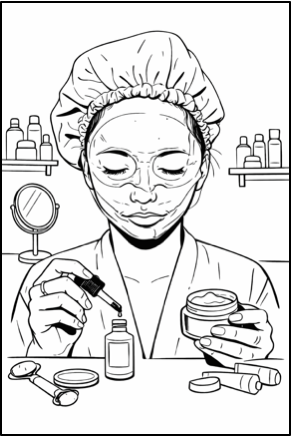
From Self-Care to Social Performance: How TikTok Changed Skincare
Over the past decade, the expansion of skincare routines has been closely tied to the rise of social media. Platforms such as TikTok and Instagram have reshaped how skincare is consumed, shared, and understood. Short videos showing detailed routines reach millions of views within hours, normalizing multi-step regimens and framing them as essential rather than optional.
Many tools and techniques that first seemed experimental or niche are now widely adopted. Gua sha stones, microneedling devices, red light therapy masks, retinals and sculpting face masks, have moved from novelty to normality. Night and morning routines are even expanding beyond facial care to include body shaping massage, facial yoga, supplements and hair-growth serums.
On social media, skincare is no longer just a personal practice but a public performance, where influencers and users transform routines into entertainment and trends can emerge overnight. Hashtags such as #glassskin and #skincareroutine have generated millions of views, introducing routines that claim to optimize skin health through strategic product use.
However, experts consistently warn that many social media skincare routines lack personalization and scientific nuance. A peer-reviewed study published in Pediatrics analyzed popular TikTok skincare videos and found that the average routine consisted of six products, while only a small fraction included sunscreen, despite its crucial role in preventing skin damage and skin cancer. Many of the promoted routines contained ingredients known to cause irritation or allergic reactions, particularly concerning for younger users whose skin typically does not require aggressive treatments. Dermatologists emphasize that popularity does not equal scientific validity, and that viral success is not a reliable indicator of effectiveness (Montague, A., Greenberg, J., & Xu, S. 2025).
Why Does Skincare Make Us So Anxious?
Beyond shaping skincare routines, social media has intensified the psychological pressure surrounding skincare through fear of missing out (FOMO). When products are presented as optional, consumers may feel little urgency to purchase them. However, when they are framed as essential or necessary for achieving youthful, healthy, or “glowing” skin, hesitation quickly turns into perceived necessity. As discussed in analyses of skincare consumerism, the beauty industry strategically uses language to shift skincare from a discretionary luxury to a moral and social obligation, thereby amplifying consumer anxiety and compulsive purchasing behaviors (Fashion Is Psychology, 2025).
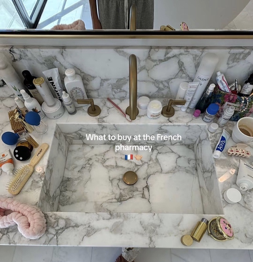
Keywords such as “anti-aging,” “skin barrier repair,” and “glow-boosting” reinforce the idea that your skin is constantly at risk and requires continuous care. Trending ingredients such as snail mucin or peptides can quickly become must-have products, creating the impression that consumers are missing out on a secret to perfect skin if they do not keep up. Social media amplifies this anxiety by rewarding constant novelty and visibility.
The social platforms turned skincare into a status symbol. Carefully curated “shelfies” display rows of products like trophies, while influencers present aspirational routines that suggest discipline, self-care, and success. Brands fuel this cycle by releasing expensive, “dermatologist-approved” formulas that imply consumers are always one product away from better skin. The result is a never-ending pursuit driven by consumption rather than genuine skin health.
PDRN Is Skincare’s Newest Buzzword. Should You Trust It?
The cycle is sustained by continuous innovation, as new treatments and tools are introduced at a rapid pace, frequently supported by celebrity endorsements and bold marketing claims. A recent example is polydeoxyribonucleotide (PDRN), commonly referred to as “salmon sperm facials,” which has emerged as a prominent buzzword within aesthetic medicine. Although injectable PDRN has demonstrated potential in regenerative and wound-healing contexts, topical PDRN serums are increasingly promoted as simple additions to everyday skincare routines, despite limited evidence regarding their long-term efficacy (Natural Image Skin Center, 2025). This discrepancy raises questions about whether such innovations are driven by genuine clinical necessity or primarily by market dynamics.
Innovation on its own is not harmful, but problems arise when new products are almost immediately framed as essential. This rapid normalization often leaves little space for critical evaluation before these products are absorbed into already complex and highly ritualized skincare routines (Natural Image Skin Center, 2025).
Dermorexia: When Skincare Stops Feeling Like Self-Care
Despite their popularity, extensive skincare routines are not without risks. Research indicates that using multiple products containing active ingredients increases the likelihood of irritation, allergic reactions, and inflammatory conditions. Layering actives without professional guidance can compromise the skin barrier, resulting in sensitivity rather than resilience (Montague et al., 2025).
The consequences of contemporary skincare culture extend beyond physical skin health. The social pressure surrounding skincare trends can lead to financial strain, as multi-step routines often require expensive products and continuous consumption. Time also becomes a significant cost: lengthy routines demand daily consistency, which can foster stress or guilt when individuals are too exhausted to complete every step. For some of us beauty lovers, skipping a routine feels less like flexibility and more like personal failure.
Beauty journalist and researcher Jessica DeFino introduces the term “dermorexia” to describe an obsessive fixation on skincare that ultimately harms both mental well-being and skin health. Dermorexia refers to behaviors encouraged by the skincare industry, such as teenagers adopting anti-aging routines out of fear of future wrinkles or adults accumulating debt for cosmetic treatments. Drawing on existing psychological and consumer research, DeFino argues that excessive and persistent skincare use can mirror addictive patterns, transforming self-care into a form of self-surveillance rather than self-compassion (DeFino, as cited in Dazed Digital, 2024; Fashion Is Psychology, 2025).


