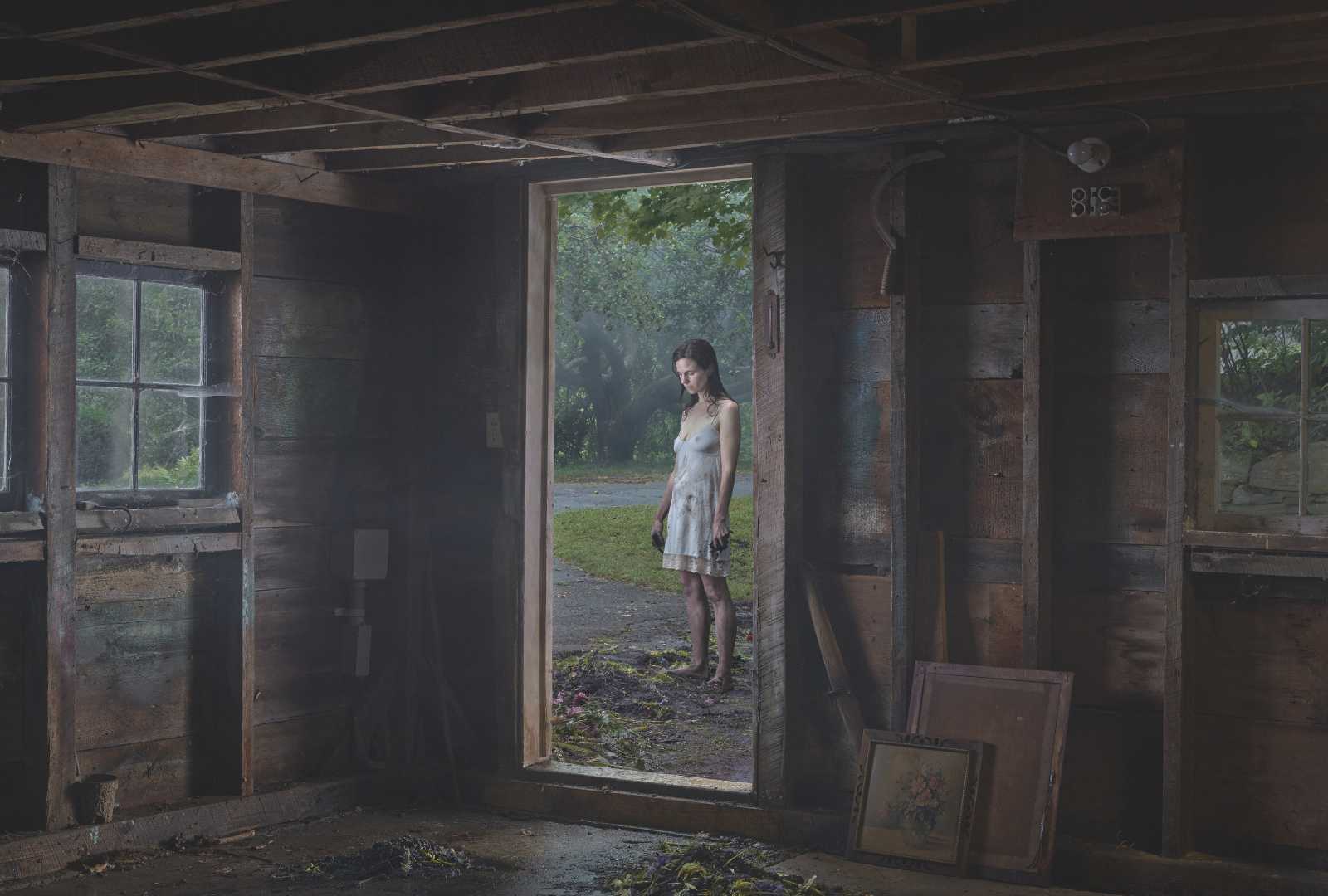
By Rosa Smith. Cover image Gregory Crewdson, The Shed, Cathedral of the Pines, 2014 ©Gregory Crewdson
There is a moment, usually towards the end of August, when endless blue skies stop feeling exciting. After weeks of heat, crowded beaches and the pressure to make every day unforgettable, many of us begin to crave the opposite: quieter rooms, slower conversations, a cup of hot tea, the comforting sound of rain against the window. I have always been a rainy-season person. Autumn, for me, has never meant sadness but clarity, a chance to tune out the background noise and pay attention to what really stays with us.
Perhaps that is why this autumn’s art exhibition calendar feels particularly timely. Many of the season’s most anticipated shows invite us into darker, more introspective territories. Through photography, painting and installation, they explore memory, solitude, absence and the stories we rarely tell out loud.
These are not exhibitions made for a quick scroll. They ask us to stay a little longer: photographs that feel like scenes from films that were never made, paintings shaped by history and loss, portraits so precise they become almost unsettling. Sometimes, the darker side of art is exactly what brings us back to ourselves.
Gregory Crewdson’s Eveningside at Chiostri di San Pietro, Reggio Emilia
A particular kind of light permeates Gregory Crewdson’s photographs, evoking the quiet, cinematic atmosphere of dusk, when daylight hesitates before giving way to darkness. As the final chapter of a trilogy that includes Cathedral of the Pines and An Eclipse of Moths, this compelling exhibition in Reggio Emilia completes a profound decade-long exploration of the American landscape.
Leaving behind deep forests and intimate domestic interiors, Crewdson turns his lens toward parking lots, offices and suburban streets, transforming familiar settings into mysterious film-noir scenes. His America is fragile and deeply human, far removed from the polished perfection of social media, with ordinary people suspended in moments of unspoken longing.
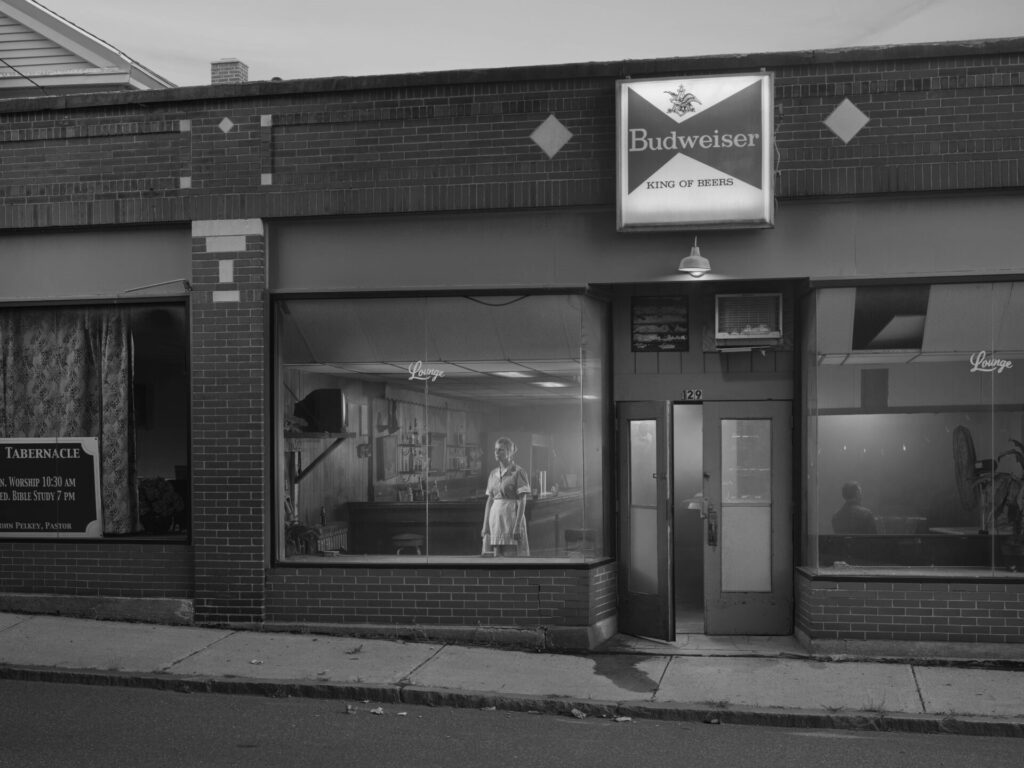
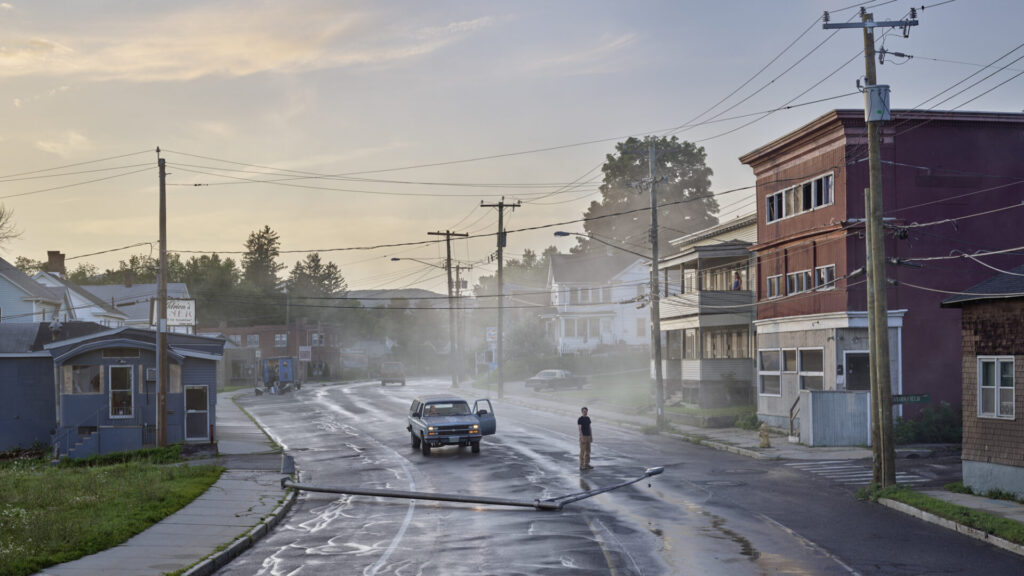
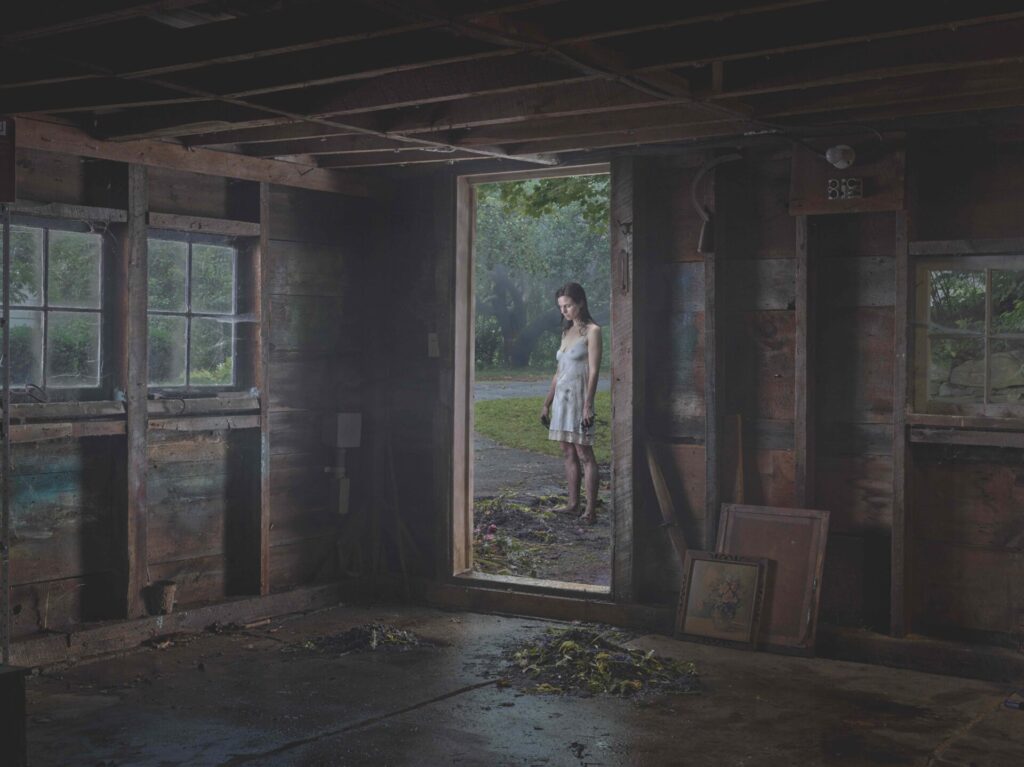
Crewdson’s photographs are monumental and quietly hypnotic. The longer you look, the more they reveal: tiny gestures, forgotten objects, reflections, shadows and clues scattered across the frame, inviting the same slow, attentive gaze usually reserved for the great panoramic paintings of the past. Yet beneath their meticulous beauty lies something deeply unsettling. These are stories of solitude, emotional distance and the hidden side of suburban America, where even the most familiar streets begin to feel uncanny.
* Crewdson reminds us that even the most familiar places can hide a mystery.
Chiostri di San Pietro, Reggio Emilia
10 October 2026 – 17 January 2027
Van Eyck: The Portraits at the National Gallery London
Centuries before photography, cinema and artificial intelligence, Jan van Eyck understood something extraordinary: a face can become a mystery.
The National Gallery in London presents Van Eyck: The Portraits, the first exhibition in the world entirely dedicated to the portraits of the Flemish master.
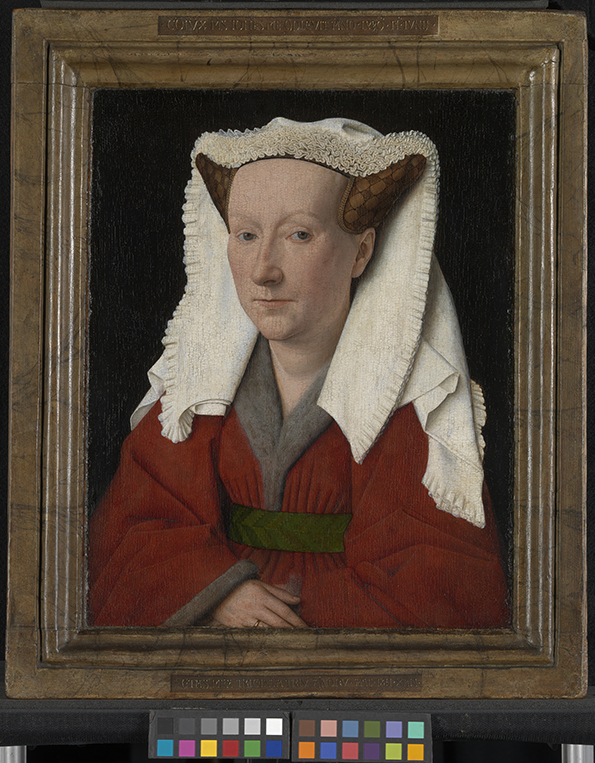
©Municipal Museums Bruges, Groeningemuseum.
Photo: The National Gallery, London
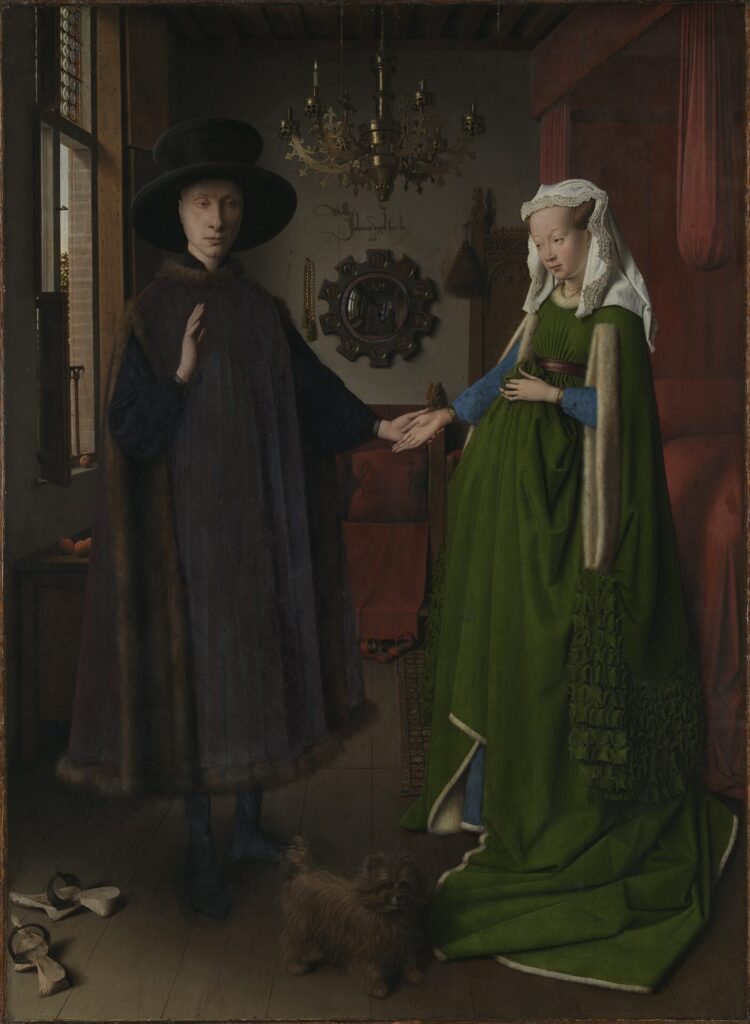
Jan van Eyck,
Portrait of Giovanni di Nicolao Arnolfini and his Wife – fka
The Arnolfini Portrait, 1434
oil on wood
82.2 × 60 cm
©The National Gallery, London
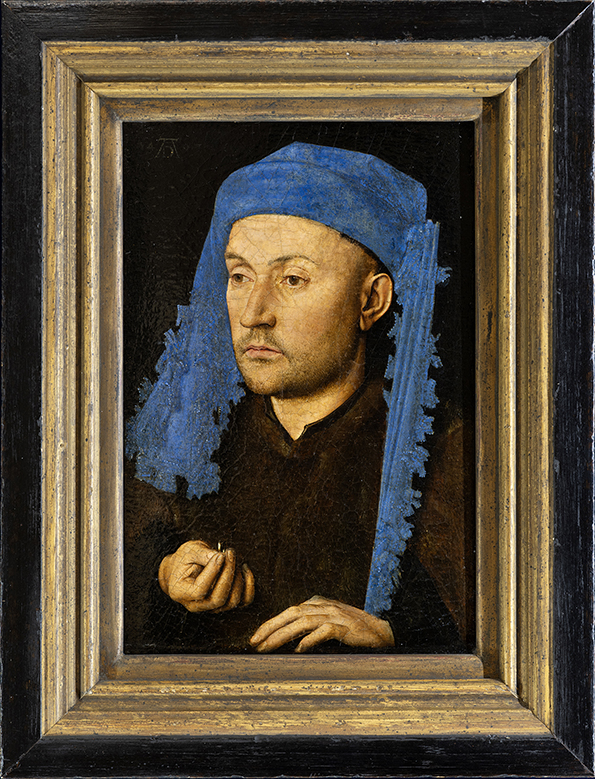
Jan van Eyck
Portrait of a Man with a Blue Chaperon, about 1430
Oil on panel, 22.5 × 16.6 cm
Brukenthal National Museum, Sibiu, Romania
©Brukenthal National Museum, Sibiu, Romania
The highlight of the exhibition will be the unprecedented reunion of The Arnolfini Portrait with its related panel from Berlin. Van Eyck’s genius lies in his impossible precision. Every reflection, texture and expression is rendered with such detail that his figures seem almost alive.
It is this extraordinary realism that makes his work feel surprisingly contemporary: the moment when an image becomes so real that it starts to feel slightly unsettling.
National Gallery, London
21 November 2026 – 11 April 2027
Sophie Calle Exhibition at MAXXI Rome: Love, Loss and Everything We Leave Behind
Sophie Calle has always been fascinated by the traces people leave behind: memories, objects, absences and stories that continue after someone is gone. Sophie Calle. Marriages, Breakups and Funerals Included is the first major Roman retrospective dedicated to the French conceptual artist.
Spanning more than forty years of work, the exhibition explores some of the most fragile territories of human relationships: connection and distance, love and absence, presence and loss. Calle constantly blurs the line between reality and storytelling. Through photographs, texts, personal objects and installations, she transforms everyday experiences into emotional investigations.
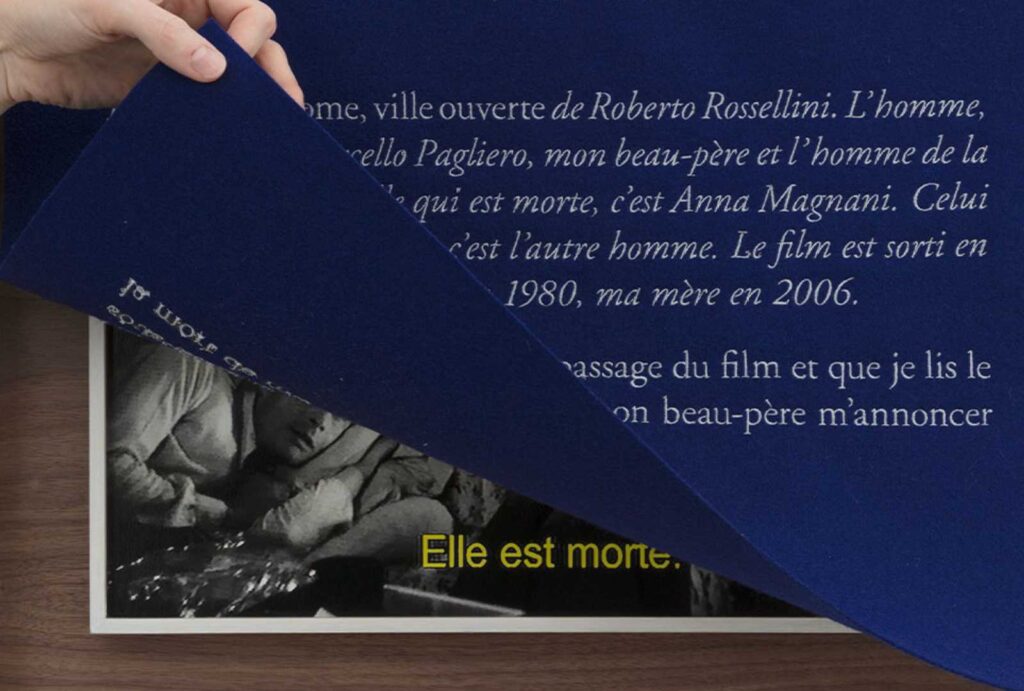
Her work feels almost like detective work: collecting fragments, following stories and searching for meaning in the details people usually overlook.
* Because sometimes the most revealing stories are hidden in the cracks of ordinary life.
MAXXI National Museum of 21st Century Arts, Rome
16 October 2026 – 7 February 2027
Nicolas Flamel: The Paper Alchemist Exhibition in Paris
Few historical figures have blurred the line between fact and fiction as completely as Nicolas Flamel. The Paper Alchemist takes us back to medieval Paris to uncover the man behind one of Europe’s most enduring legends.
The exhibition explores the extraordinary story of the fourteenth-century Parisian scribe and philanthropist who, centuries after his death, became Europe’s most celebrated alchemist. Today his name is inseparable from the philosopher’s stone, immortality and hidden knowledge. Yet the historical Flamel was a public writer, a generous benefactor and a remarkably successful property investor.
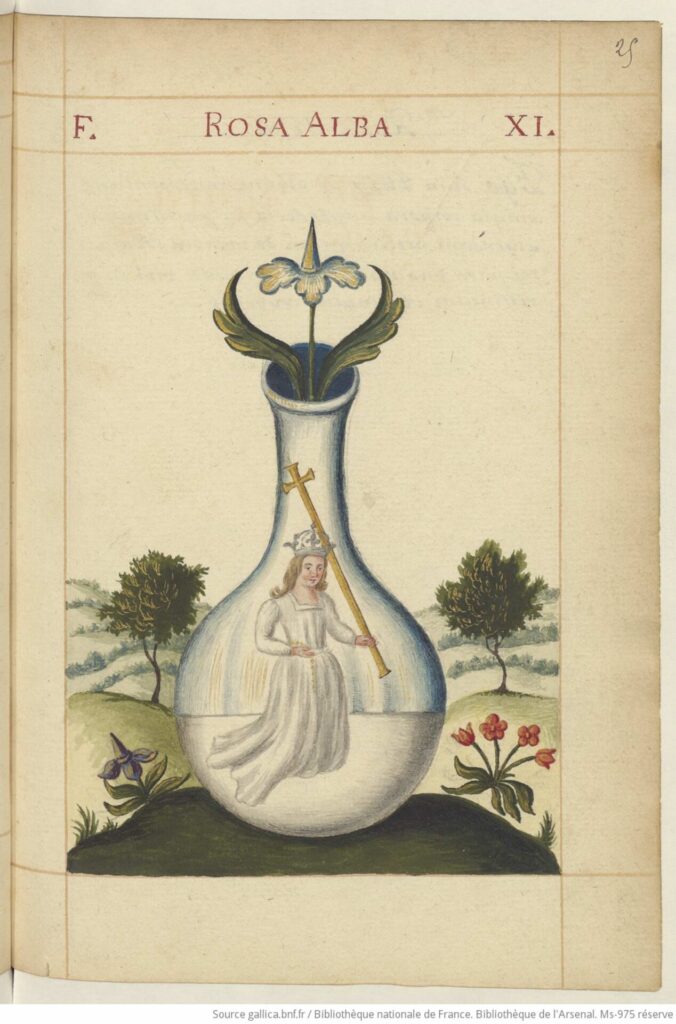
1601-1700
Manuscrit papier. Paris, Bibliothèque nationale de France,
Bibliothèque de l’Arsenal
Source gallica.bnf.fr / Bibliothèque nationale
de France
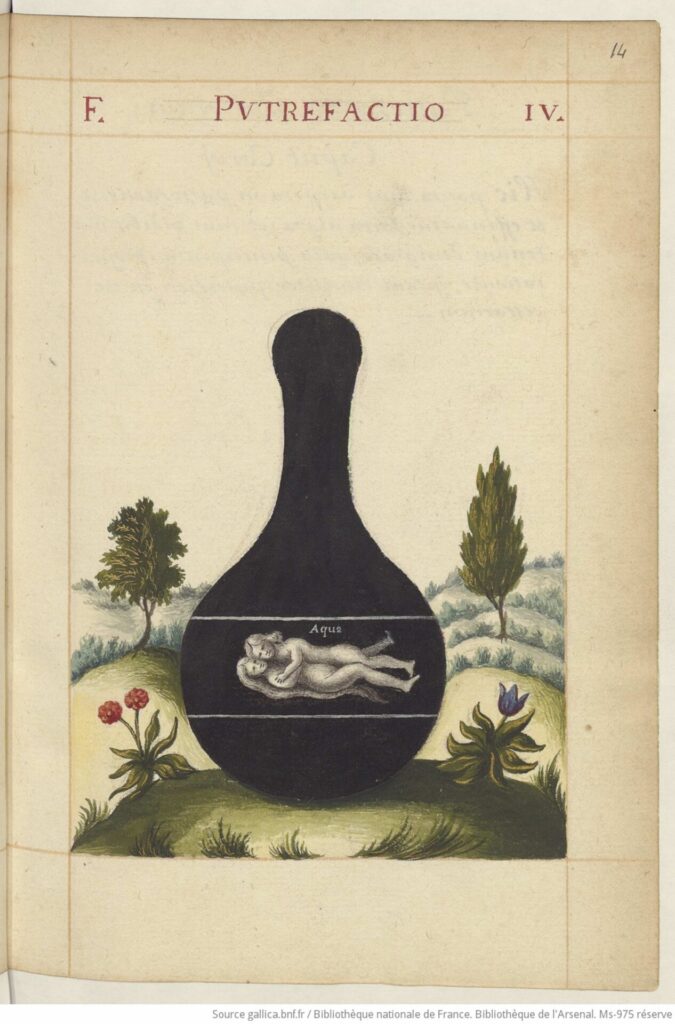
Georges Aurach
1601-1700
Manuscrit papier. Paris, Bibliothèque nationale de France,
Bibliothèque de l’Arsenal
Source gallica.bnf.fr / Bibliothèque nationale
de France
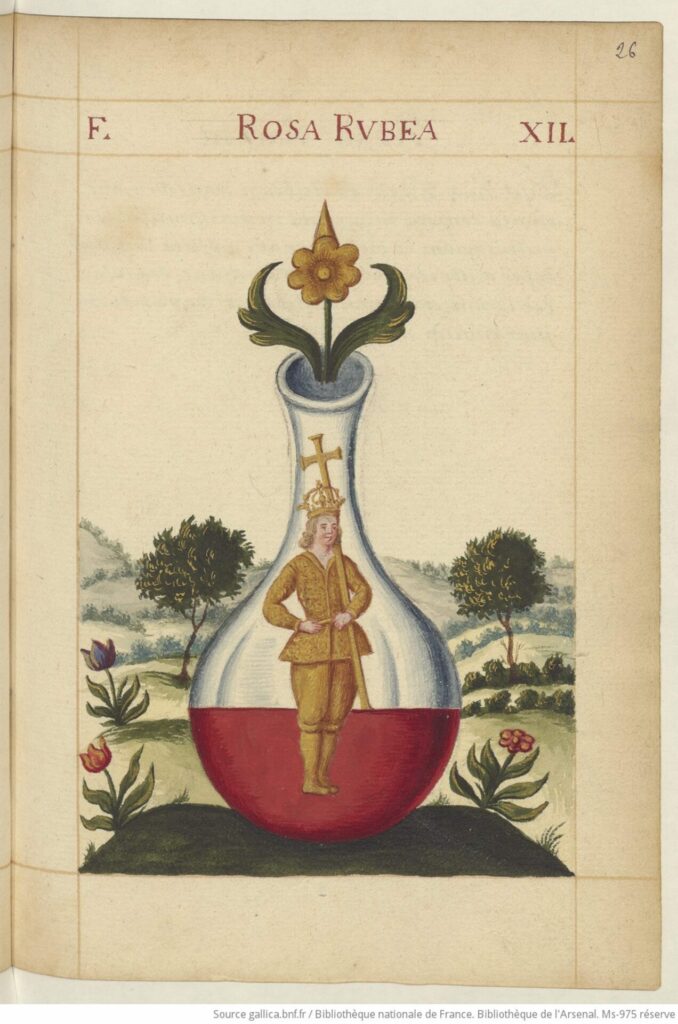
Georges Aurach
1601-1700, Manuscrit papier. Paris, Bibliothèque nationale de France,
Bibliothèque de l’Arsenal
Source gallica.bnf.fr / Bibliothèque nationale
de France
At the heart of the exhibition is Flamel’s original tombstone, designed by Flamel himself before his death and preserved by the Musée de Cluny. Far from the esoteric symbols one might expect, it bears only Christian imagery and inscriptions celebrating his charitable donations. There is no trace of alchemy. The real transformation happened later, not in a laboratory but on paper. Nearly seventy-five years after his death, manuscripts and books falsely attributed to Flamel began to circulate, gradually turning a wealthy Parisian bourgeois into the legendary creator of gold and the keeper of the philosopher’s stone.
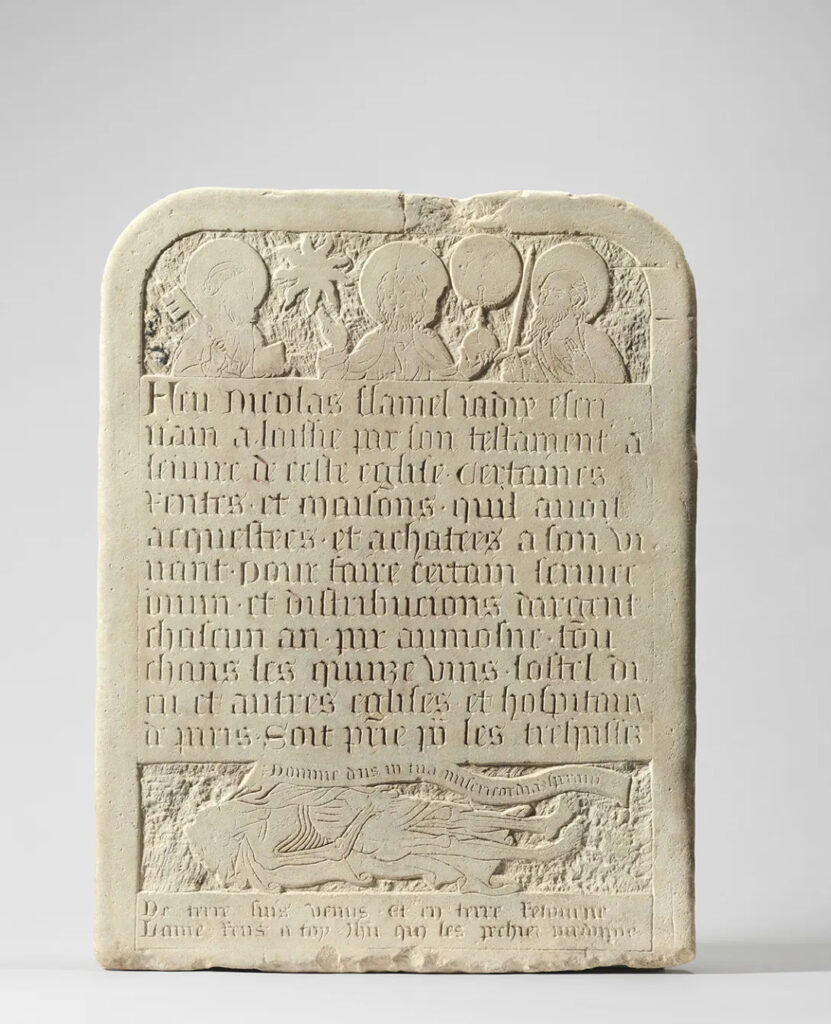
Paris, musée de Cluny – musée national du Moyen Âge. Cl. 18823 ©GrandPalaisRmn (musée de Cluny – musée
national du Moyen Âge) / Michel Urtado
Like every enduring myth, Flamel’s story exists somewhere between documented history and collective imagination.
* This exhibition reminds us that some of the world’s greatest legends are not forged by magic, but by ink, paper and the irresistible human desire to believe.
Musée de Cluny, Paris
13 October 2026 – 24 January 2027
Anselm Kiefer in Milan: When Ruins Become Beauty
If you haven’t seen this exhibition yet, don’t wait too long. It’s one of the most powerful art shows of the year, and it’s well worth planning a trip before it closes.
In the Sala delle Cariatidi at Palazzo Reale, the historic hall damaged during the 1943 bombings and later chosen to display Picasso’s Guernica in 1953, Anselm Kiefer presents Le Alchimiste. The exhibition brings together forty monumental works dedicated to forgotten women connected to the history of alchemy.
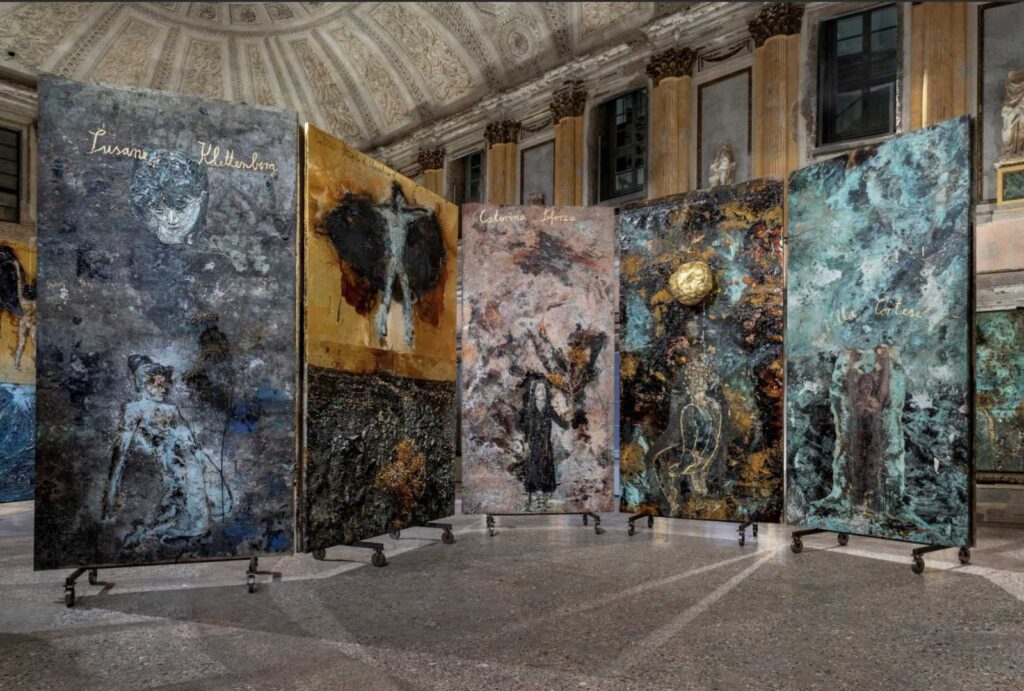
Kiefer’s canvases feel less like traditional paintings and more like fragments of a wounded landscape, layered with earth, ash, lead and memory. Moving between destruction and rebirth, his work explores how beauty can emerge from devastation and how every ending contains the possibility of renewal.
In Kiefer’s work, ruins become spaces of transformation: landscapes where fragments of the past are not erased, but reassembled into something new.
Palazzo Reale, Milan
Until 27 September 2026


