Text and cover by Weronika Jastrzębska.
Constant crowds, busy streets, and endless queues have become part of everyday life in Florence. Yet this is also the result of the extraordinary beauty that makes the city one of the most beloved destinations in the world. Cradle of the Renaissance, home to masterpieces by Michelangelo and Leonardo da Vinci, and crowned by the iconic Florence Cathedral, Florence attracts millions of visitors each year. The future of Florence depends on finding a way to embrace tourism without losing the identity that makes the city so special.
The Real Cost of Overtourism in Florence
At peak times, the number of tourists rivals or even exceeds that of local residents. This is leading to severe congestion around key sites like the Uffizi Gallery and the Ponte Vecchio, where long queues and dense crowds make movement difficult and diminish both the visitor experience and the quality of everyday life for inhabitants. Meanwhile, the rapid growth of short-term rentals has driven up housing costs and forced many Florentines out of the city center, contributing to the gradual transformation of authentic neighborhoods into spaces dominated by souvenir shops, fast-food outlets, and tourism-oriented services.
What Local Authorities Can Do About Overtourism
The main solutions to this issue should, of course, come from the authorities themselves, who have the means to take action. There are two main measures that can be taken. First, it is important to regulate the short-term rental market: landlords should have fewer freedoms regarding the number of properties they own for letting and the duration of such tenancies. Second, an important step is cracking down on illegal rentals and tour operators. Of course, we cannot influence these activities directly, but raising awareness of the problem is just as important as taking concrete action.
How Florence Residents Are Adapting to Overtourism
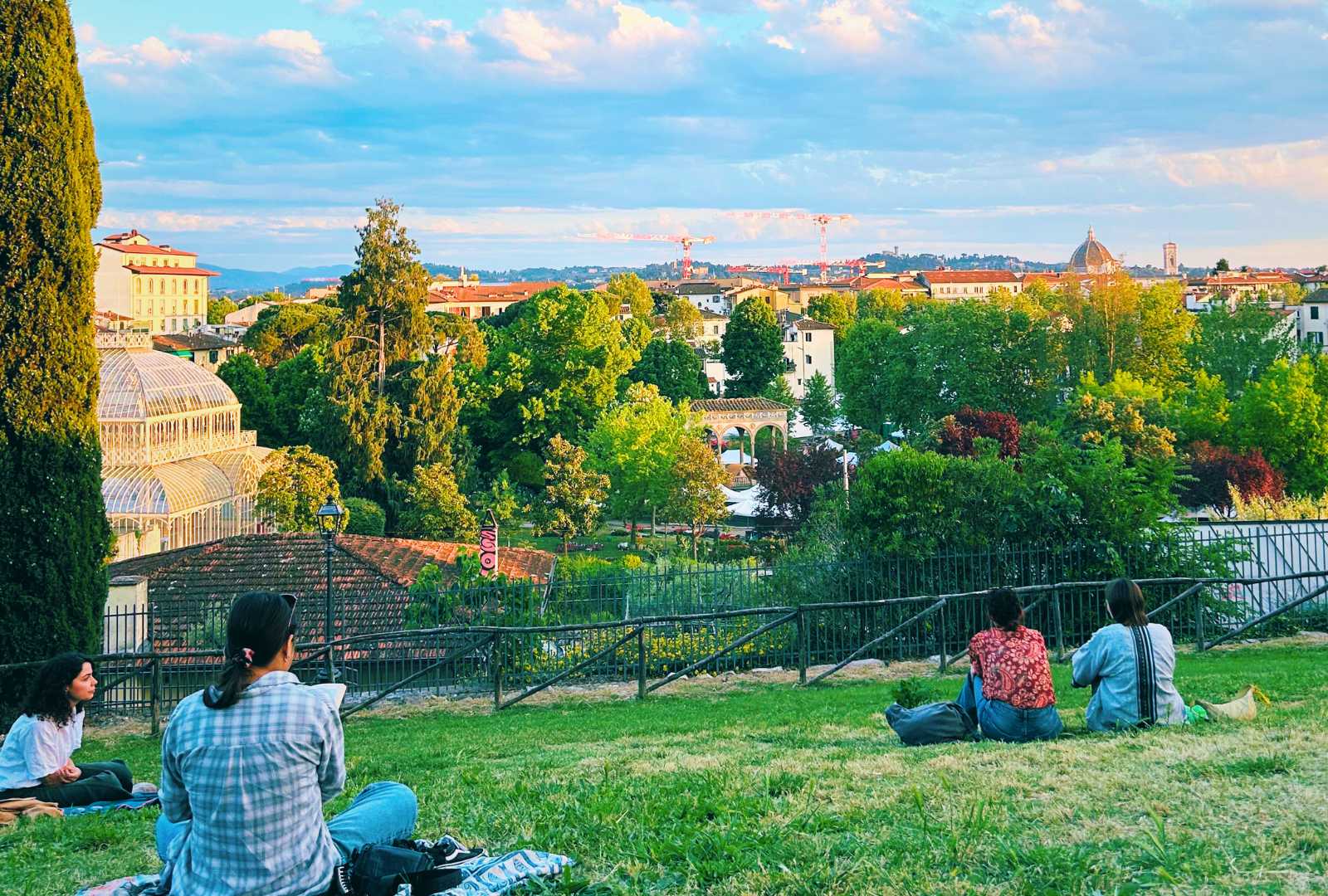
But what can we, as residents, do to make our lives easier? Navigating daily life in a busy, tourism-driven city can be much smoother with a few mindful strategies. Planning errands outside peak tourist hours helps avoid unnecessary crowds and stress, especially in central areas. Choosing to spend time in quieter neighborhoods such as Campo di Marte or Novoli offers a more relaxed atmosphere while still providing easy access to essential services. Rather than viewing tourism as a burden, residents can make it work in their favor by visiting museums early in the morning or on weekdays, and by supporting local businesses that benefit from visitor activity. It is also important to stay informed about evolving city policies, as new restrictions and visitor limits reflect a broader commitment to maintaining a high quality of life for locals.
How Residents Can Help Preserve Florence’s Identity
Even if, as residents, we don’t have the direct influence that authorities do, there are a few habits which, adopted widely, can cause significant change. When choosing a restaurant for a night out, pick one that is smaller, more local, and not purely tourist-focused. The same goes for shops, markets, and artisans: avoid the ones designed mainly for tourists, and choose neighborhood ones that still carry the city’s authentic character. We can apply these habits not only in our own everyday life, but also spread them among tourists, by guiding visiting friends and family toward places that aren’t overwhelmed by tourists, and showing them more local, niche locations. Thanks to that, the most popular, crowded places would be less busy, while visitors could still see and feel the real beauty of the Florentine city.
There is also a more active way to cope with this. It concerns citizens more directly, but it’s grassroots pressure that often drives city policy changes. That’s why it’s also important to get involved in civic initiatives, such as city meetings or consultations about tourism management. Beyond that, there is also the possibility of joining or supporting civic groups focused on sustainable tourism or housing. It’s also worth keeping this problem in mind when voting in municipal elections: even if it’s not a frequent action, it still matters that authorities feel the pressure of public awareness.
In the end, the challenge for Florence is to find a balance. The city’s beauty and culture will always bring in tourists. Keeping it real depends on what the people who live there do every day. Overtourism is a problem everywhere, but solving it starts with local people. If residents, authorities, and tourists all do their part, Florence can be a place to visit and a great place to live for those who make it what it is. The city’s beauty and culture are what make it special, and preserving those things matters. Florence needs to find a way to make tourism work for everyone.


