By Azzurra Rinaldi. Cover by Anano Esartia
As a librarian, books are naturally one of my favorite subjects. Fashion books can teach us much more than trends or designer biographies. Even novels, and narrative non-fiction, offer fascinating insights into how fashion evolves, how luxury is perceived, and how different cultures have shaped the industry. What I really want to explore is the importance of Made in Italy in international books about fashion.
You probably shouldn’t quote them in a thesis, but they’re definitely worth adding to your reading list.
The Shoemaker’s Wife: Italian Craftsmanship as a Way of Life
Long story short: Adriana Trigiani’s The Shoemaker’s Wife is a historical novel set in the years following World War II. At its heart are two Italian artisans, Ciro and Enza, who emigrate to the United States carrying with them something more valuable than money: their craft.
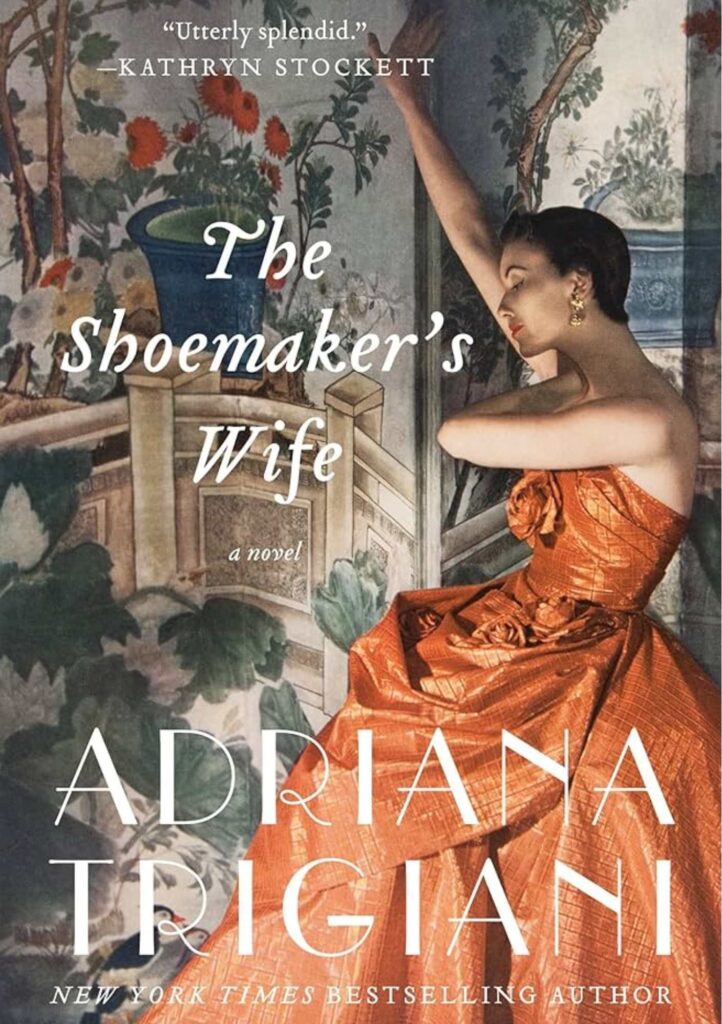
Ciro becomes a successful shoemaker, while Enza’s embroidery skills earn her a position at the Metropolitan Opera. Their talent allows them to build a new life without losing their identity. The novel celebrates craftsmanship as more than a profession. It is heritage, patience, beauty, and resilience, qualities that continue to define Florence and its artisan tradition today.
The House of Gucci: Why Florence Came Before Milan
Everybody knows the Gucci story, mostly thanks to the movie. But in Sara Gay Forden’s The House of Gucci, one chapter particularly caught my attention.
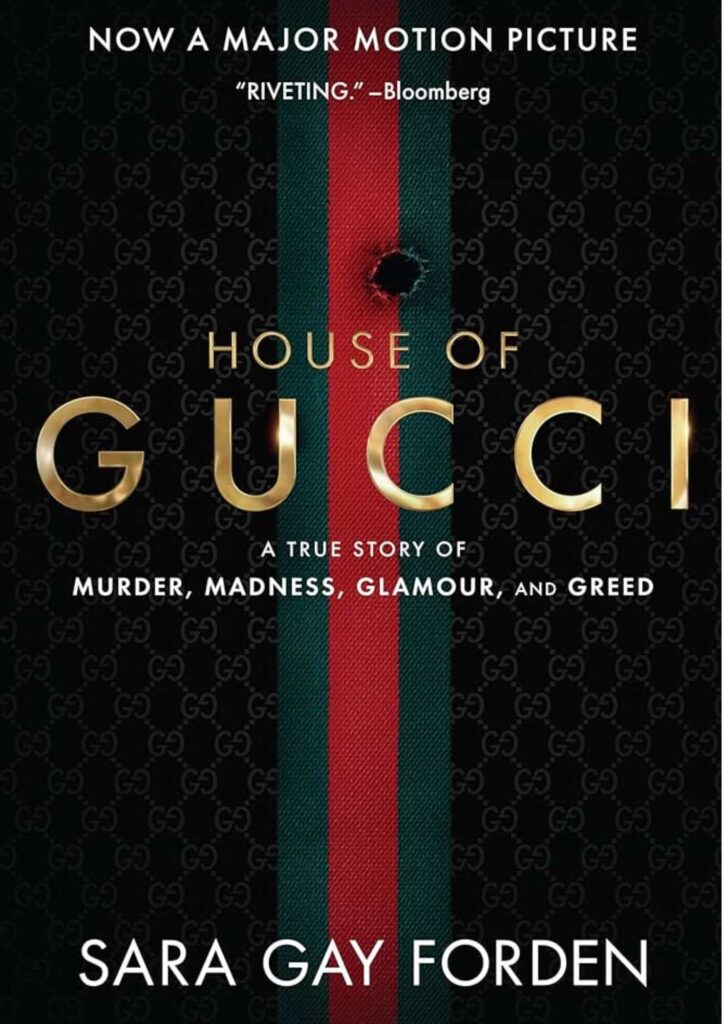
Chapter 2 is about the story of the Gucci family from the beginning to the opening of the shop in Milan. Everybody knows that Gucci is a family from Florence, but it is interesting that the author provides a very summarized history of accessories from the Renaissance to the present day. In this book we see Florence as an important hub for luxury craftsmanship before Milan. It is Florence, with the craft of leather, textiles, and its great genius rooted in the Renaissance, that becomes the heart of fashion: a luxury handcrafted fashion made not only by Gucci but also by Ferragamo and Pucci, and later Cavalli and Scervino.
Yes, my dears, Florence was the first capital of fashion, not Milan.
Shopaholic & Sister: When Luxury Becomes Status
Do you know the novel series Shopaholic by Sophie Kinsella? The series is composed of ten novels in which Becky, the protagonist, buys and buys and buys, from Murano glass tumblers to belts around the world. In fact, she shops from New York to Las Vegas to Milan and Venice.
Becky is a real fashion victim, and she is captivated by luxury brands. In particular, she loves Prada, Miu Miu, and Gucci.
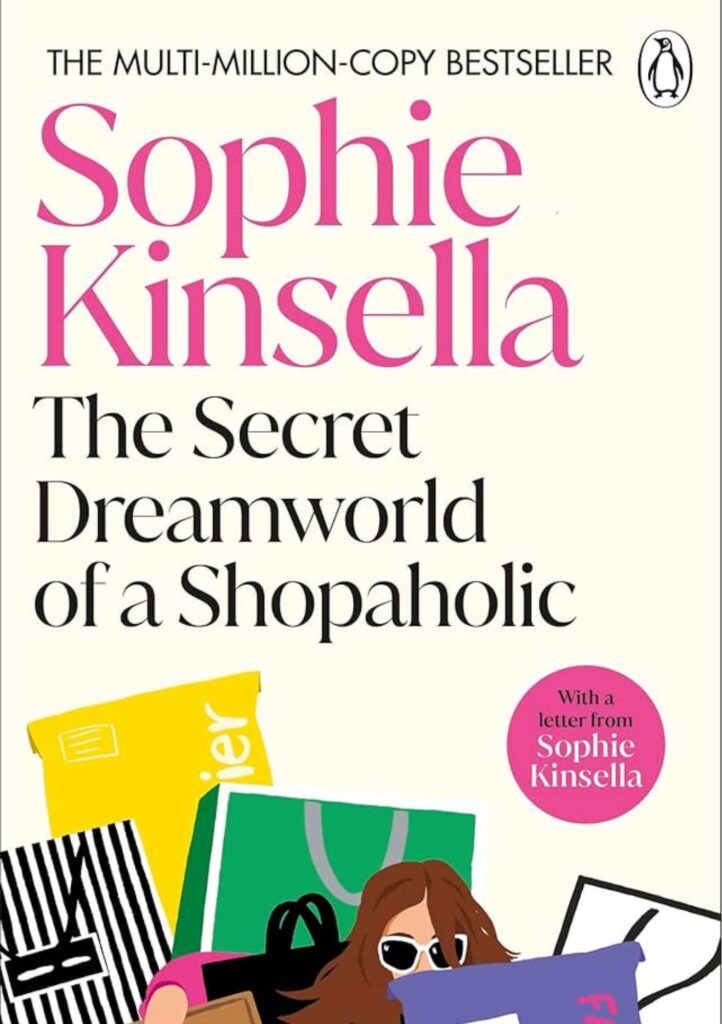
At the beginning of Shopaholic & Sister, in Chapter Three, Becky is in Milan and, naturally, makes a beeline for Via Montenapoleone. She has just $100 in her bank account, so buying anything is out of the question, or at least it should be. Then she spots the object of her desire: the Angel Bag.
The bag doesn’t exist in reality; it is the symbol of exclusivity in luxury. To have it, you need to sign up for a waiting list. Even if the bag is mass-produced and lacks craftsmanship, it becomes the object to own in order to be someone.
Unlike the early Gucci bags, rich in detail and individuality, this object has nothing distinctive or personal. It is a minimalist design, rare, yet mass-produced, completely detached from craftsmanship.
What These Books Teach Us About Fashion
These books tell very different stories, yet they all point to the same idea.
Florence represents an often overlooked dimension of fashion that deserves to be rediscovered. It is creation, it is genius. Becky, by contrast, embodies the cliché of a consumer who is drawn to brands as markers of status, someone who believes she can define herself simply by owning an expensive, exclusive bag. Her vision, however, remains superficial.
Fashion is art, craftsmanship, history, thought, and dedication, and in Florence this is still clearly visible. Elsewhere, Milan has largely come to dominate the narrative, overshadowing this deeper, more artisanal understanding of style.


