By Azzurra Rinaldi. Cover I’M FIRENZE DIGEST
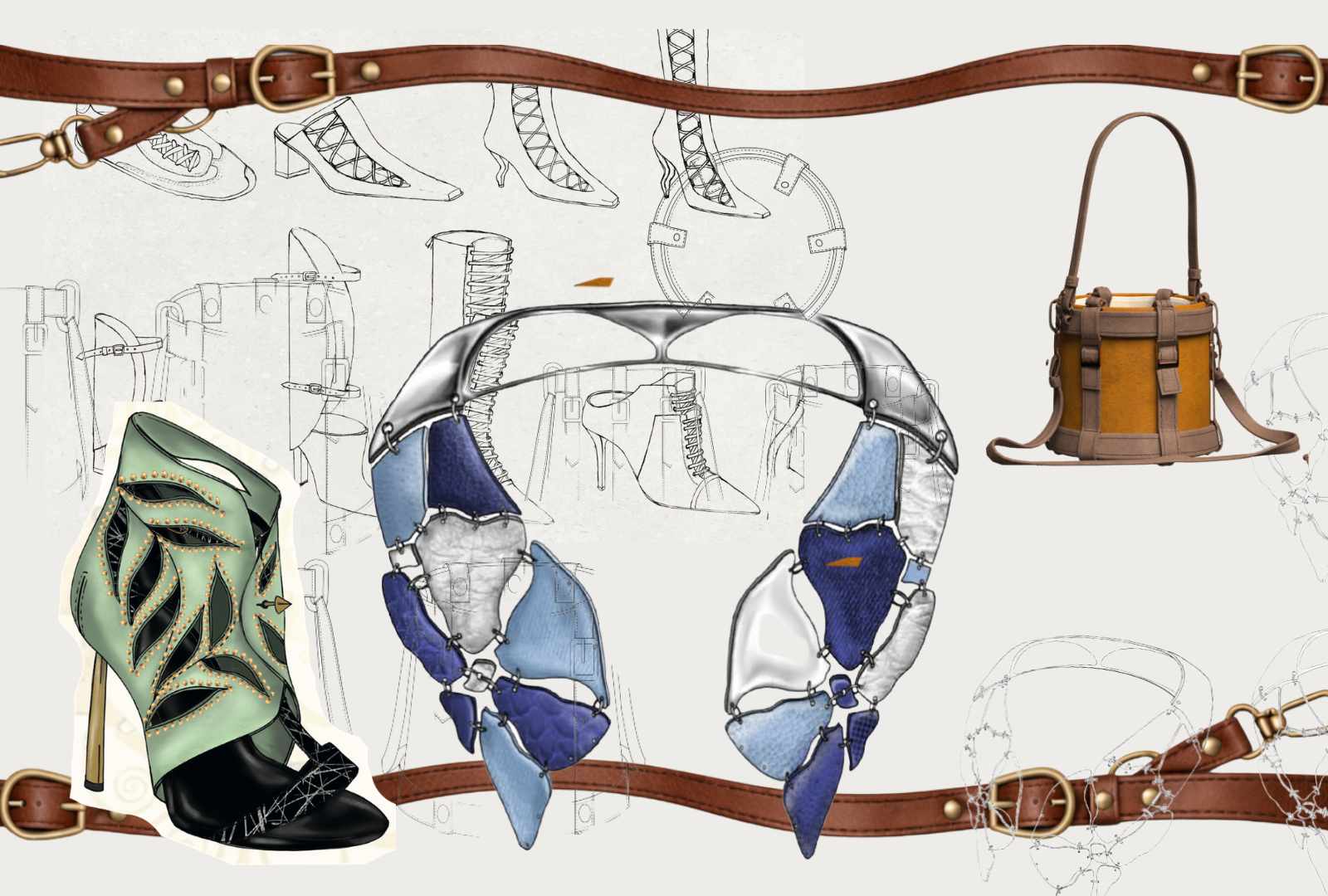
From Florence to Milan, four young creatives travelled to present their ideas for eco-accessories to an international jury of excellence. One moment they were students of Istituto Marangoni Firenze, bent over library tables, sketching. The next, they were standing in front of a panel of international professionals, explaining their choices. As the school’s librarian, I had a privileged front-row seat to that process: the quiet concentration, the drafts, the rethinking. Watching them later present their finished objects felt like witnessing two different moments of the same story finally connect.
All of them said they were excited to present their projects and, even if they didn’t win, they were happy to see their objects brought to life. Their work was part of the Innovative Accessories Challenge, a competition that brought together student designers to reimagine the accessory from the ground up. Each designer translated their personality into an object, sharing impressions and reflections on the competition and the new generation of accessories.
Sustainability at the Centre of the Design Process
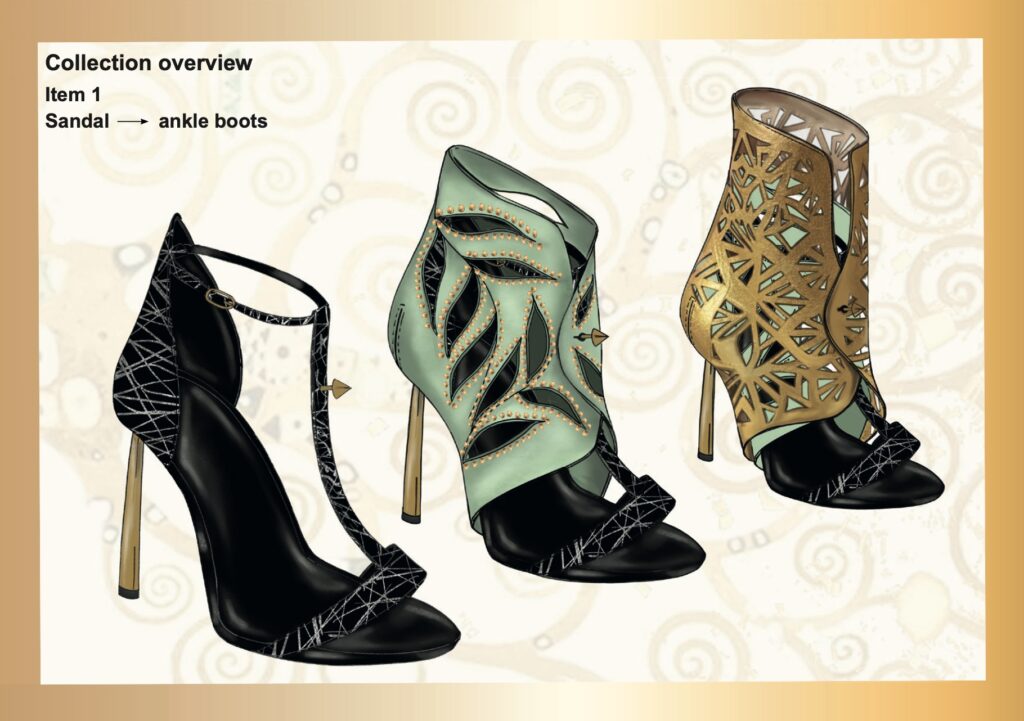
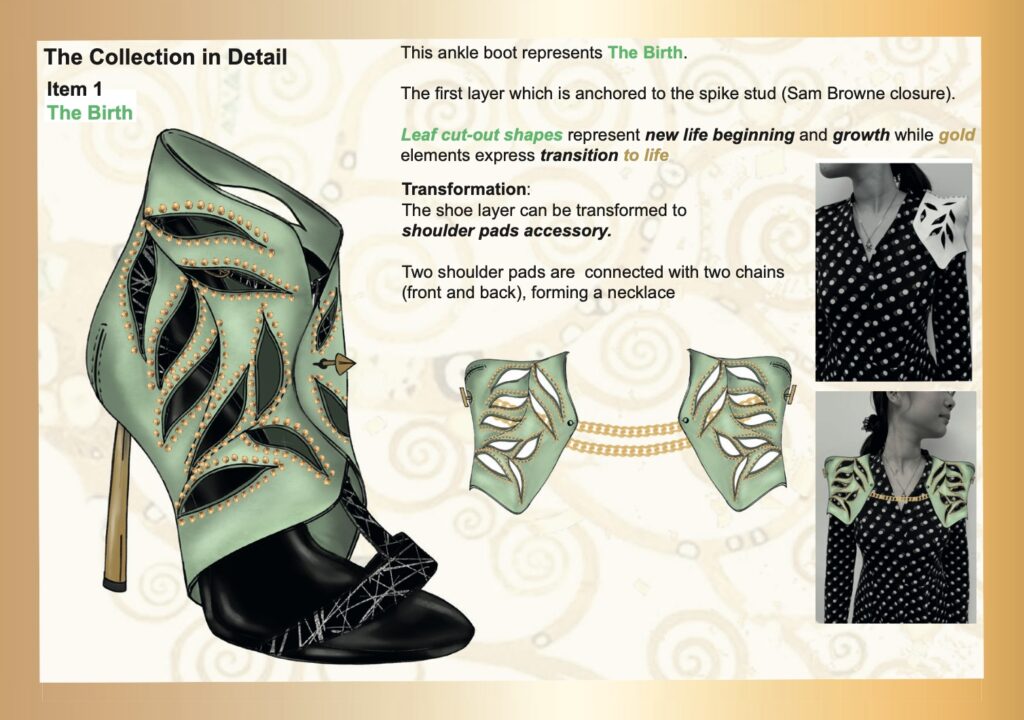
Today, sustainability is no longer optional; it is the core of the design process, and it was the central theme of this challenge. In this sense, I particularly appreciated Natalja Faust’s modular shoes, which transform from an elegant boot into a sandal. She is from the Intensive Course in Shoes and Accessories Design and explains: «My design concept was to create something that could simplify everyday life: instead of buying multiple products, you can have one piece that transforms into two, three, or even four different versions depending on the customer’s preference and mood. Modular design also felt like a strong fit, as it reflects the idea of conscious consumption». Three pairs of shoes in one: great design, but also great business.
Between Traditional Craftsmanship and 3D Printing
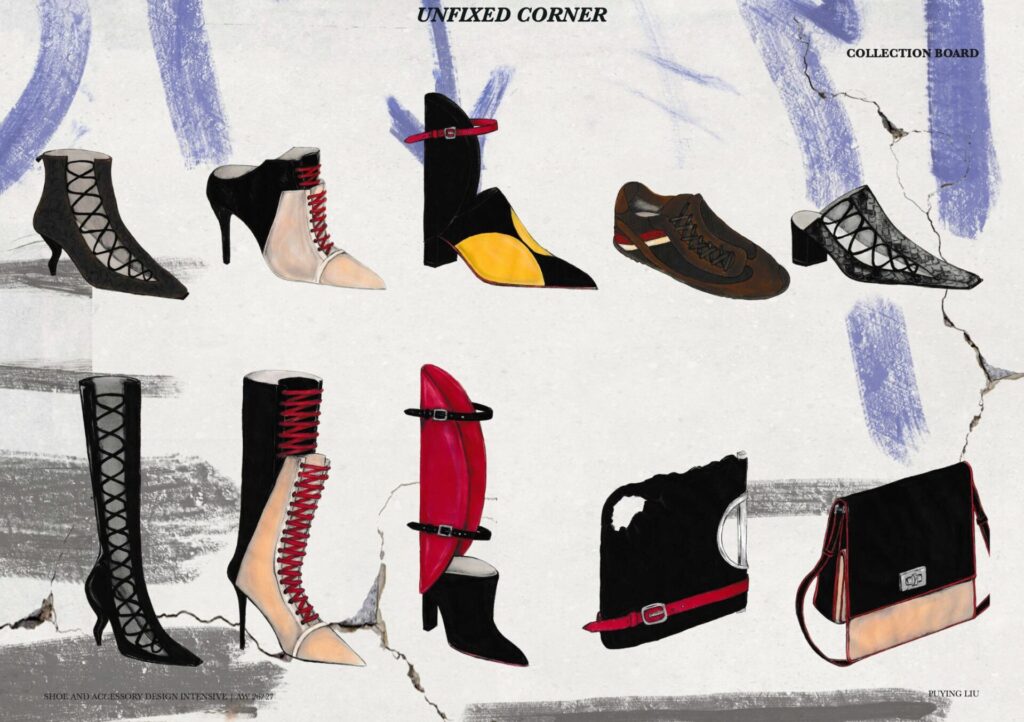
The materials used for these accessories were extremely diverse, ranging from woven leather to metals, while the techniques moved between traditional craftsmanship and 3D printing. Puying Liu also studies in the Intensive Course in Shoes and Accessories Design, but she came up with a different idea from Natalja: she combined both approaches and was particularly proud of this balance, as her object maintained coherence and a strong identity. Integrating different techniques is never easy -they must coexist without one overpowering the other – yet here the balance works, revealing a clear understanding of the textile language behind the final piece.
The Buttero, Reloaded: Reinterpreting Tuscan Heritage
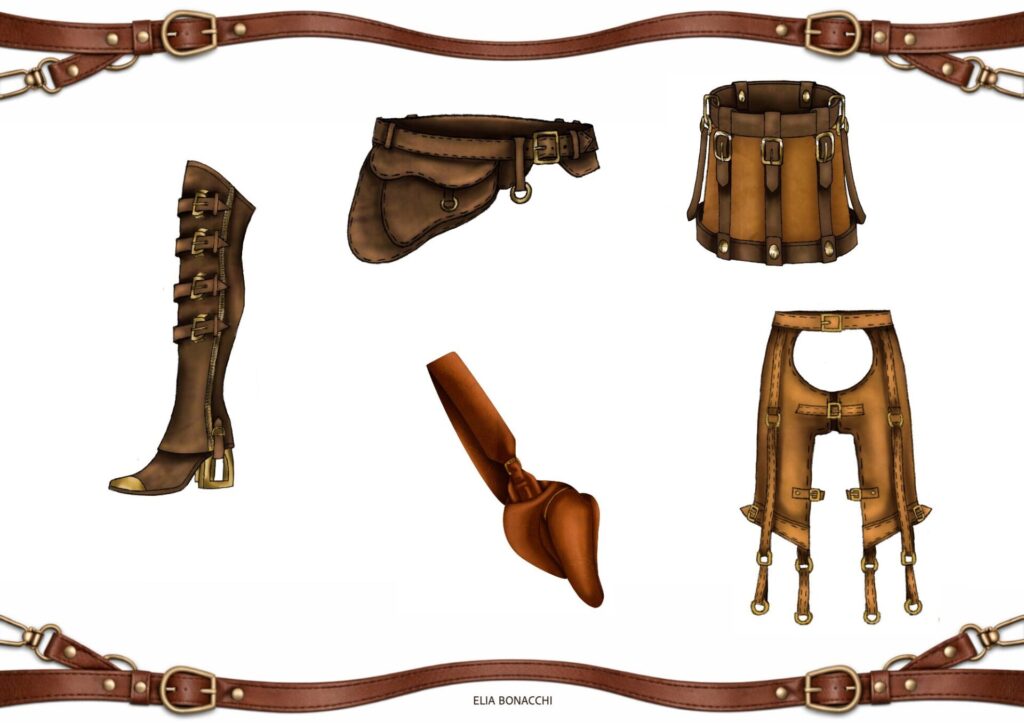
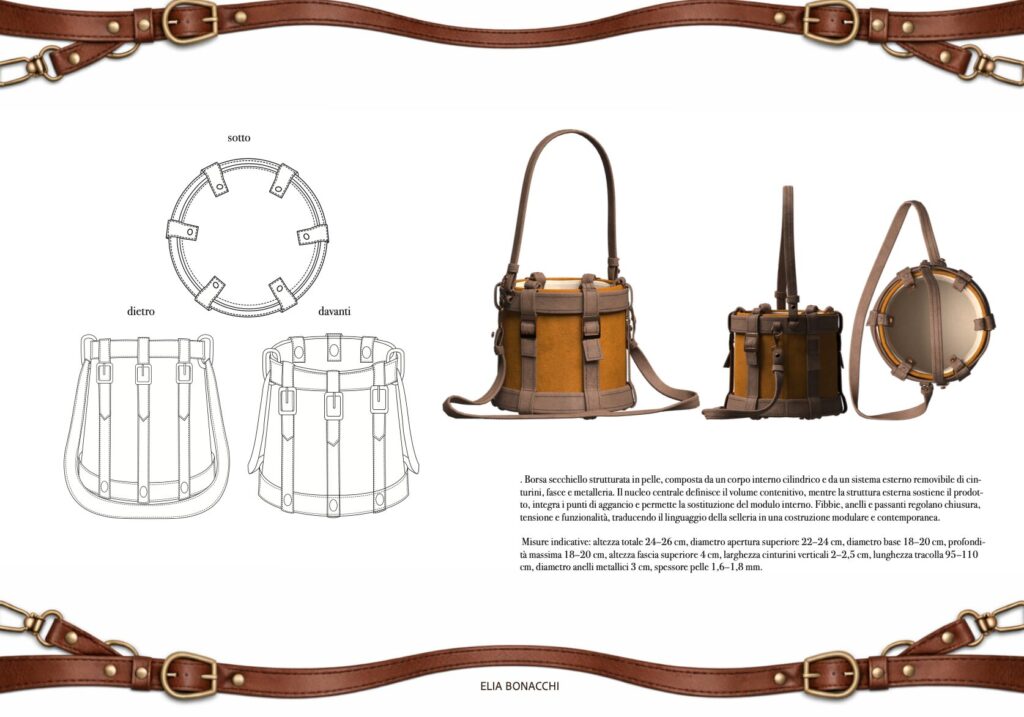
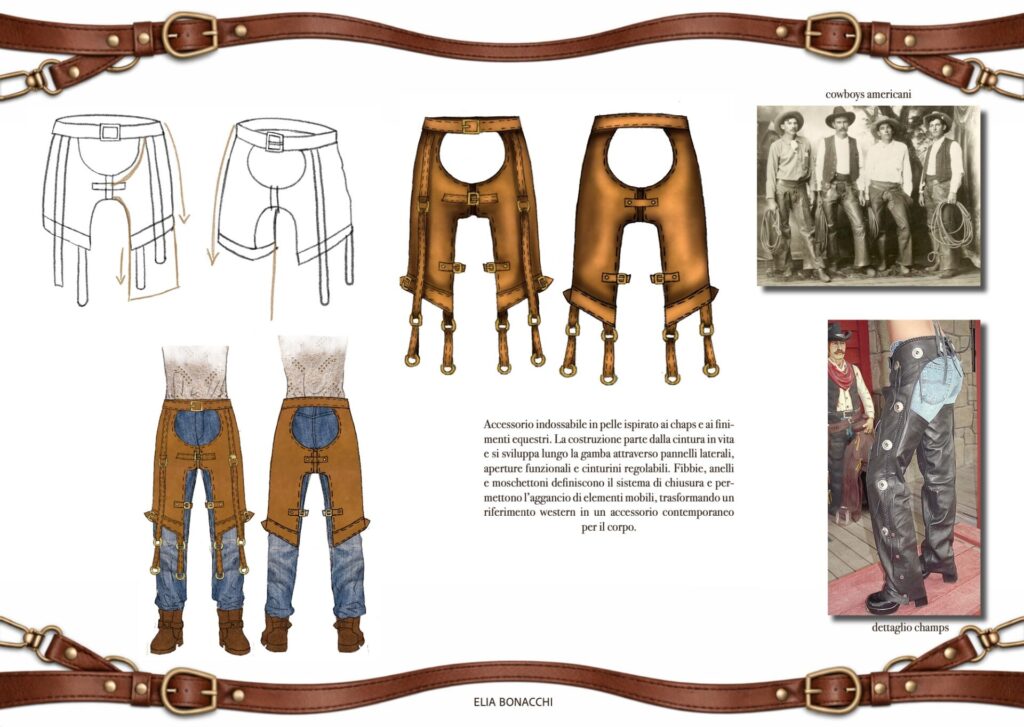
A completely different approach can be seen in the work of Elia Bonacchi, a third-year Fashion Design student, which reinterprets the traditional Tuscan buttero, transforming a territorial heritage into a contemporary language. Not an obvious reference for fashion – the buttero being closer to a rural cowboy than a noble figure- yet precisely for this reason, the result feels unexpected and culturally grounded.
The Accessory as Self-Expression
For all four participants, accessories are not just something to wear, but something that represents creativity and self-expression. As Anyavee Charoenthanakit, another student from the Intensive Course in Shoes and Accessories Design, explains, an accessory can be seen as “an extension of the body” a way to express mood and identity. Each of the candidates also has a favourite accessory. Natalja mentioned a necklace with a pendant representing a pole-dancing woman, a deeply personal piece that reflects the journey that shaped her confidence. The others remained more reserved. For Elia and Puying, the belt is the best accessory: simple and powerful, both functional and structural, yet also decorative.
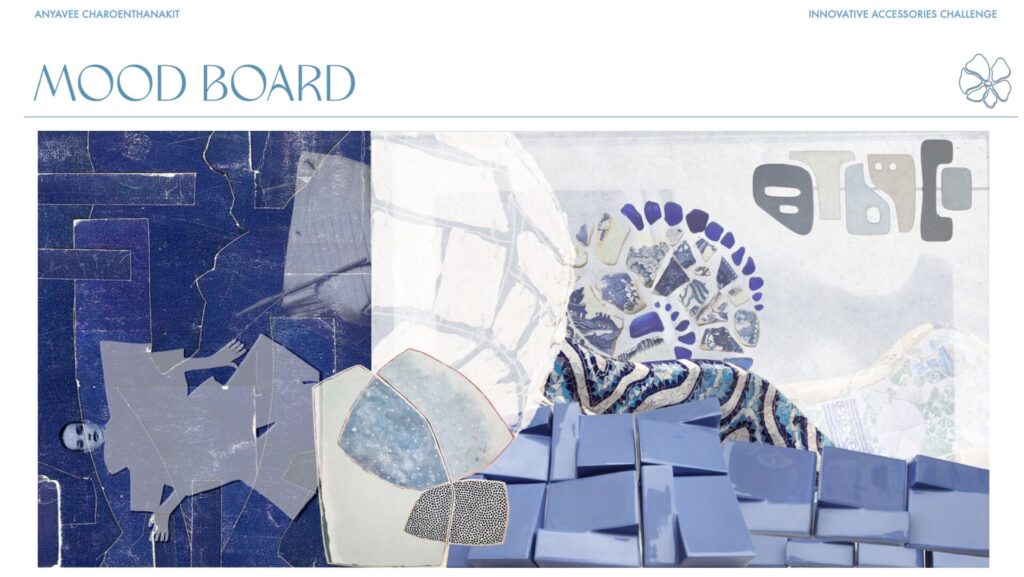
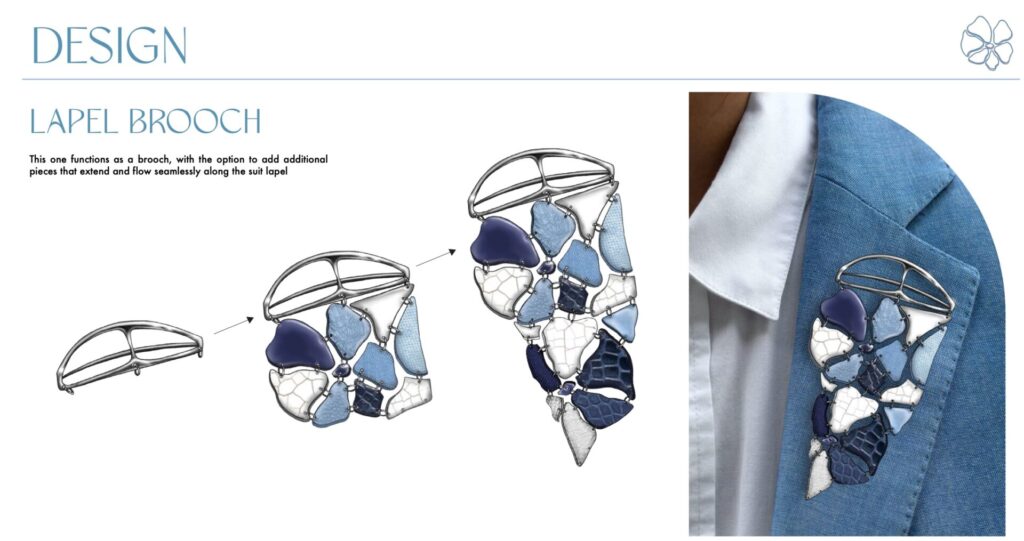
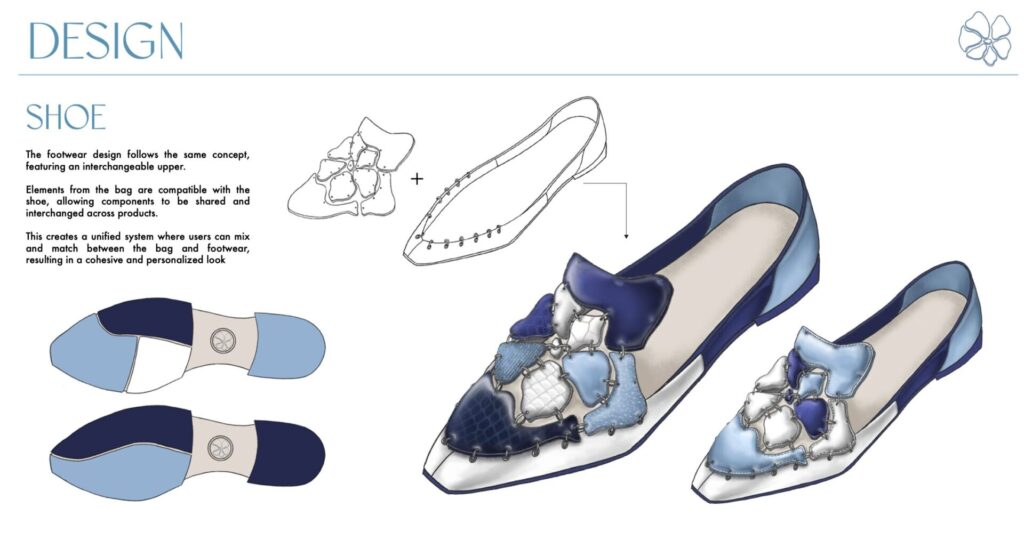
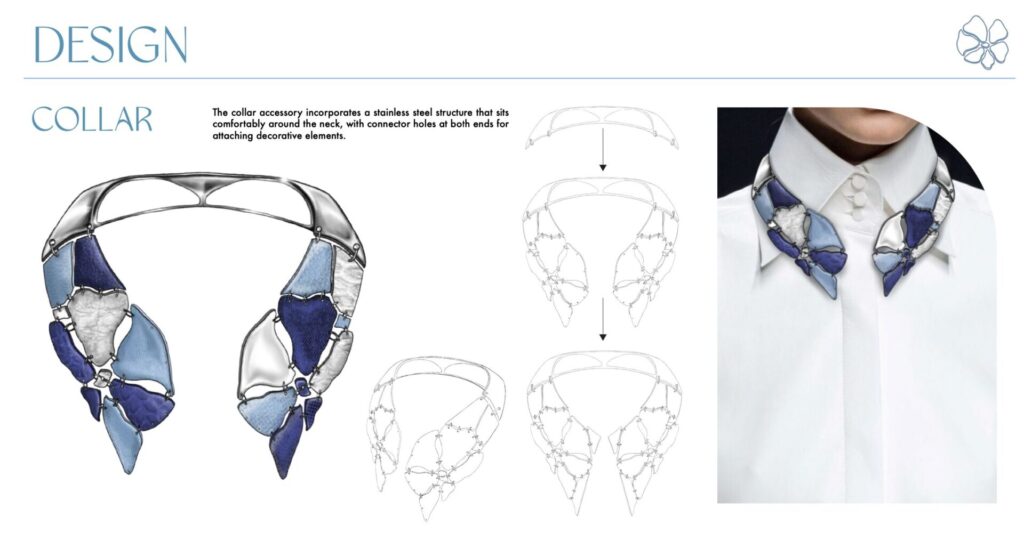
Meanwhile, Anyavee loves collars: “They can completely change the feel of an outfit”. Beyond personal preferences, what clearly emerges is that an accessory can define identity more sharply than clothing itself. Even within a formal “uniform”, a single element like a bold earring or a detail can communicate who you are.
What Gen Z Looks for in an Accessory
When asked what kind of accessories Gen Z prefers, their answers were surprisingly aligned. Minimal or expressive, the choice is secondary: what drives the decision is self-expression rather than decoration. Material plays a crucial role. Gen Z tends to favour authentic materials such as leather, metals, technical fabrics, recycled elements, or transparent surfaces. In terms of colour, neutral tones and silver dominate. What emerges is a shift in values: the importance of an accessory does not lie in how precious the material is, but in the meaning it carries. Recycled elements reflect environmental awareness, while transparent materials reveal rather than conceal, expressing a desire for honesty, visibility, and self-definition.
Accessory Design in 2026: What Comes Next
Ultimately, we should not expect purely minimal accessories or futuristic, space-age aesthetics. Accessories today are, above all, expressive: they no longer represent the future, but the present, the mood of today, the fluidity of identity, and a way of thinking without boundaries, grounded in the authenticity of being oneself.


