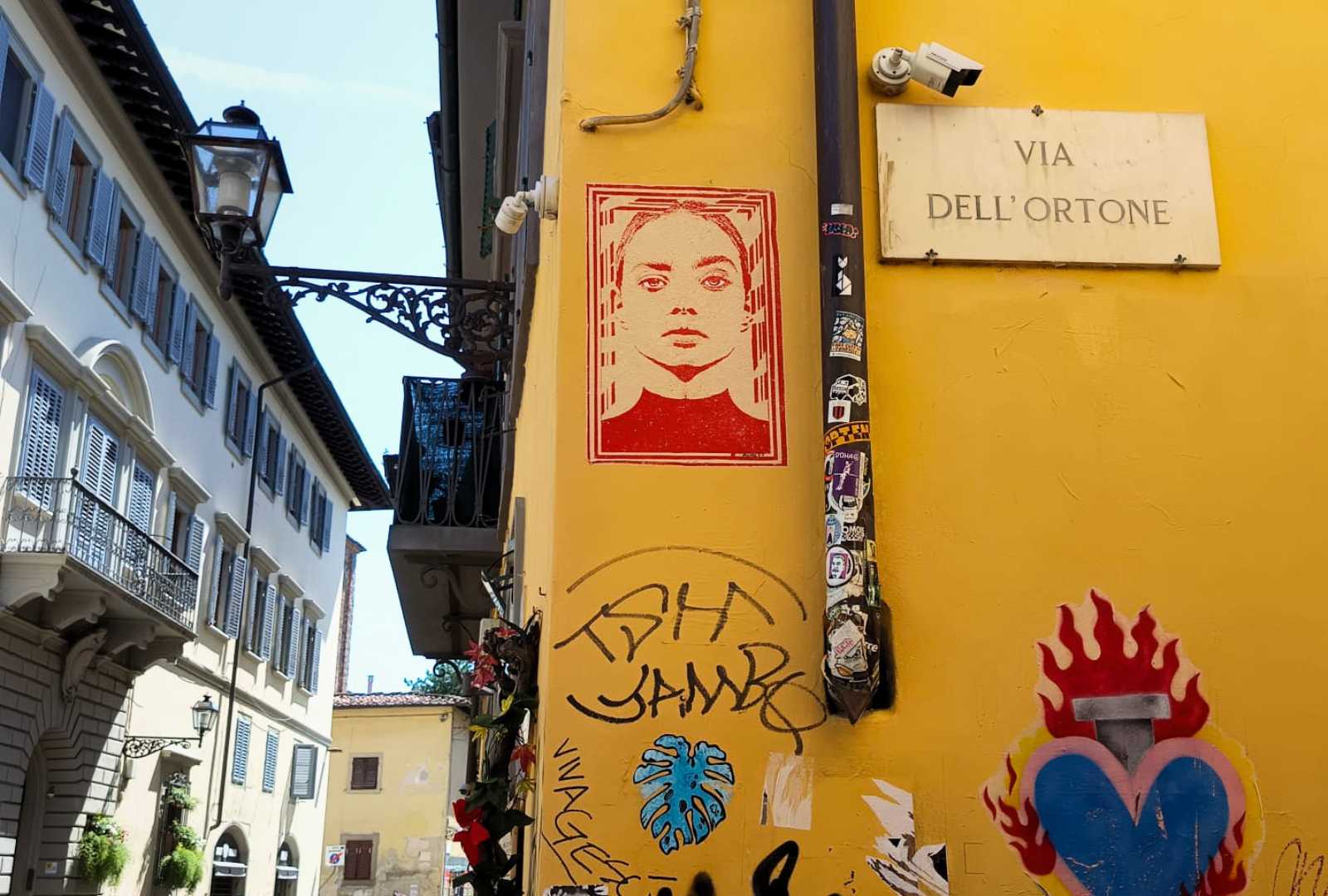
Text and photos by Azzurra Rinaldi. Cover image artwork by Ache 77.
Florence is full of art, home to one of the most important museums in the world, the Uffizi, and to some of the most famous artists of the Renaissance, such as Michelangelo and Raphael. It is also the city of Leonardo da Vinci, and the place where the famous statue of David stands.
But what happens when art leaves museums and starts appearing on the walls? Since the 15th century, Florence has held the title of the “city of art”, attracting tourists from all over the world.
Florence’s Street Art Scene Beyond the Renaissance
Florence is not only about Renaissance masterpieces. Wander through the narrow streets of the historic centre and you will soon spot artworks tucked between cafés, squares, and centuries-old buildings. Some are simple graffiti, others are striking interventions by local and international street artists.
You may not know the artists’ names, but you have probably walked past their work before, thinking either, “That’s brilliant!” or “I wish someone would clean that up.”
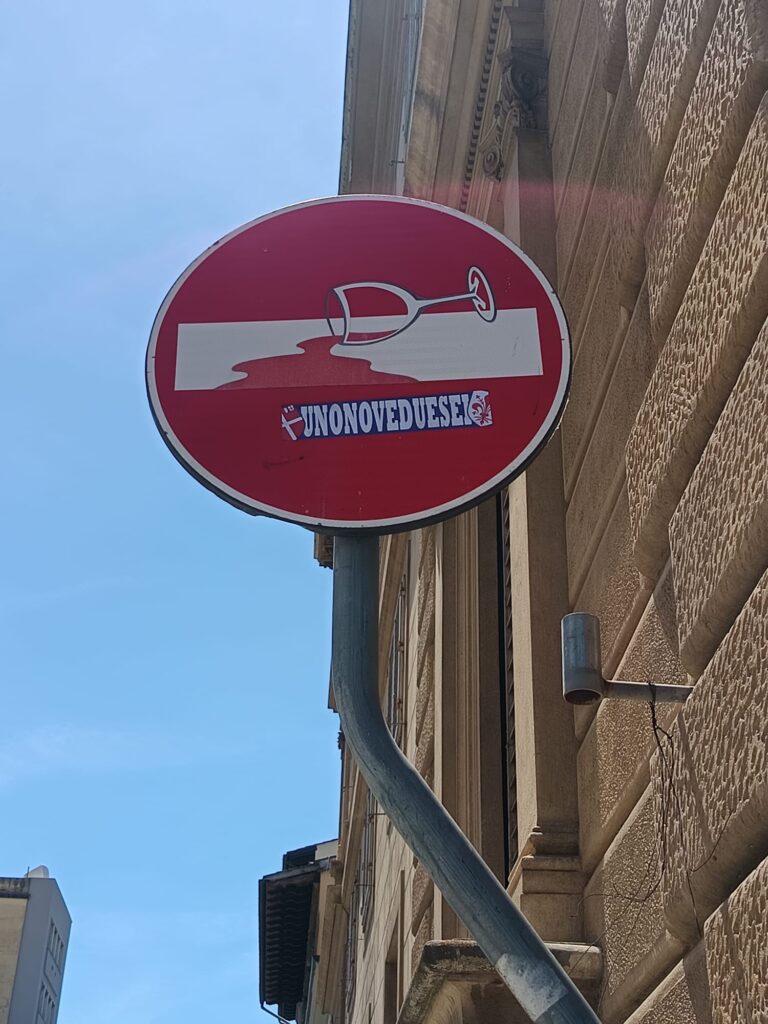
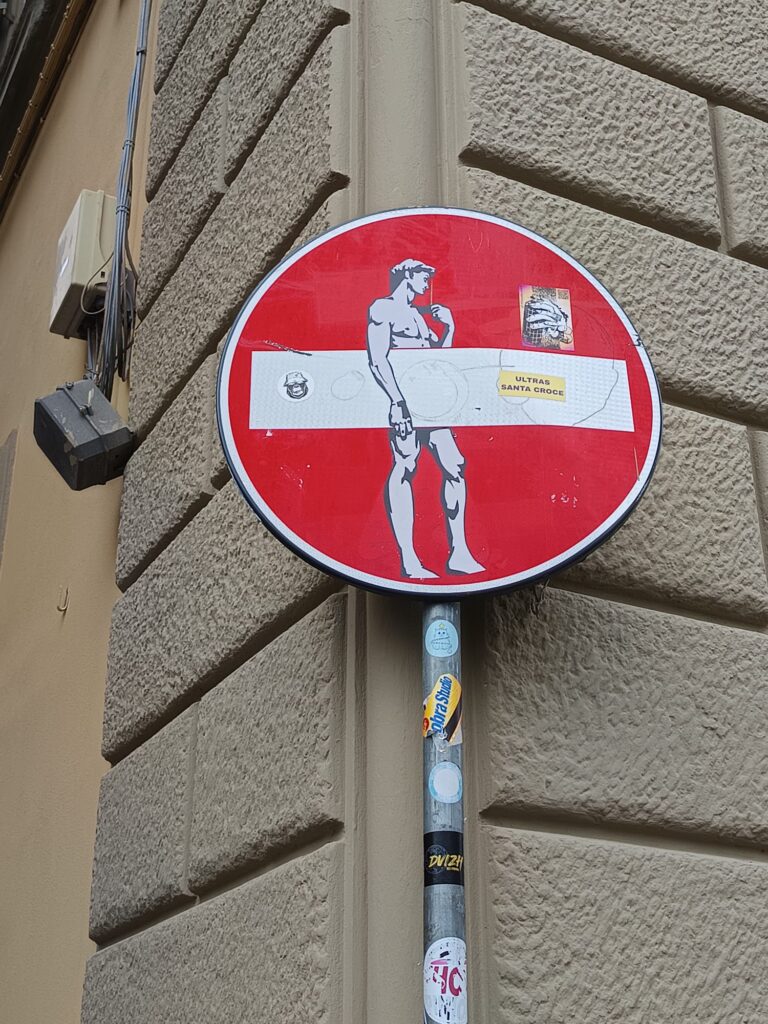
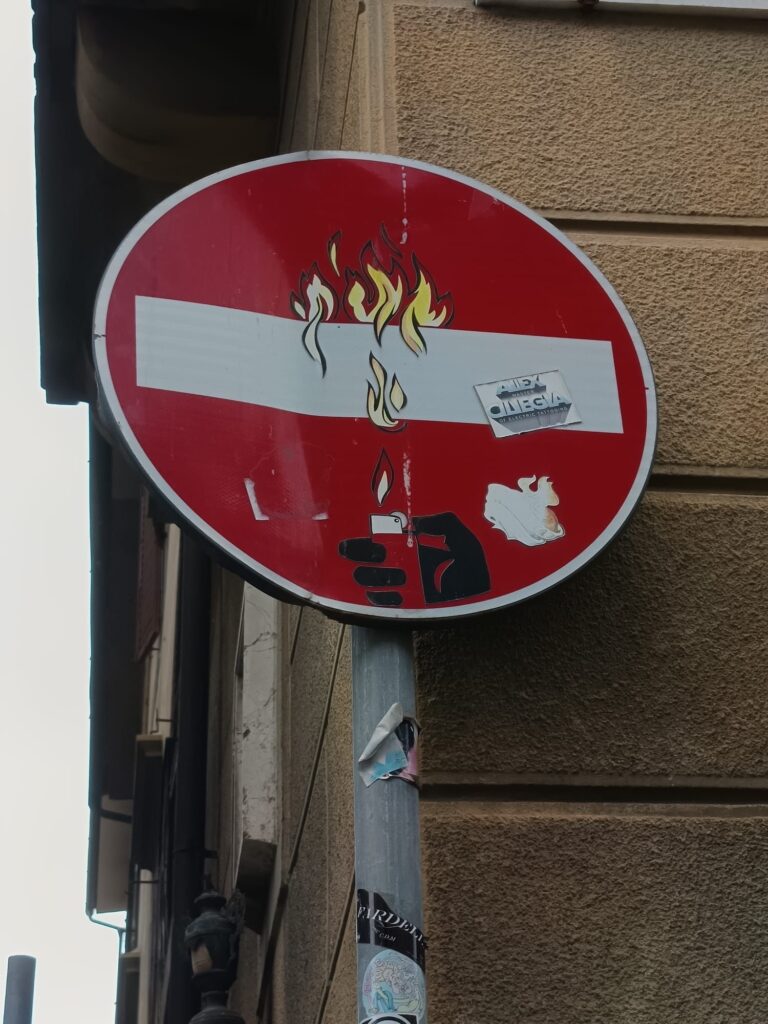
What many visitors don’t realise is that these drawings, stencils, and collages are not just fleeting acts of urban creativity. Some of the artists behind them exhibit in galleries, while others have become so well known that their works can even be found in Florence’s most unusual souvenir shops (places that feel more like cabinets of curiosities.)
What Is the Difference Between Graffiti and Street Art?
We usually associate street art with spray paint, and we often confuse graffiti with art. Graffiti is frequently seen as an act of vandalism: marks or writings intended to damage buildings, walls, or public spaces. But the line between destruction and expression is not always so clear.
Street art, on the other hand, can enrich the city. It offers something beautiful, surprising or thought-provoking to look at, freely accessible to everyone. Some artists are ironic, some playful, others romantic, but their work is always engaging to see.
Even when small or discreet, these drawings and collages are often respected, even if some have been damaged or altered over time.
Where to Find Street Art in Florence’s Historic Centre
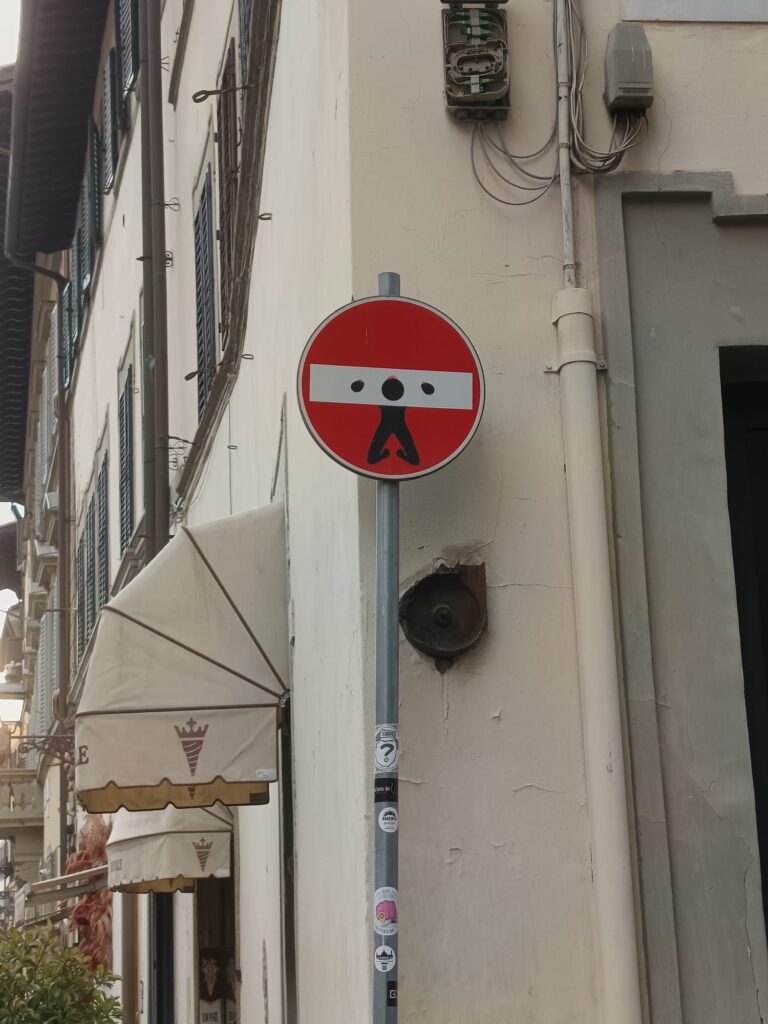
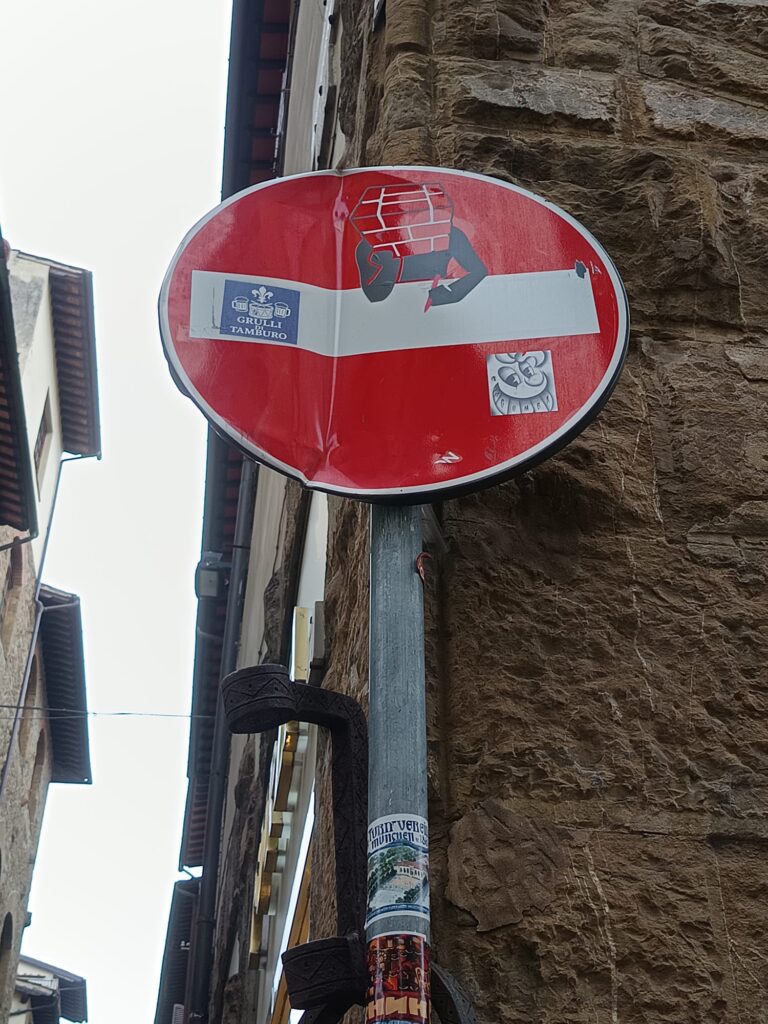
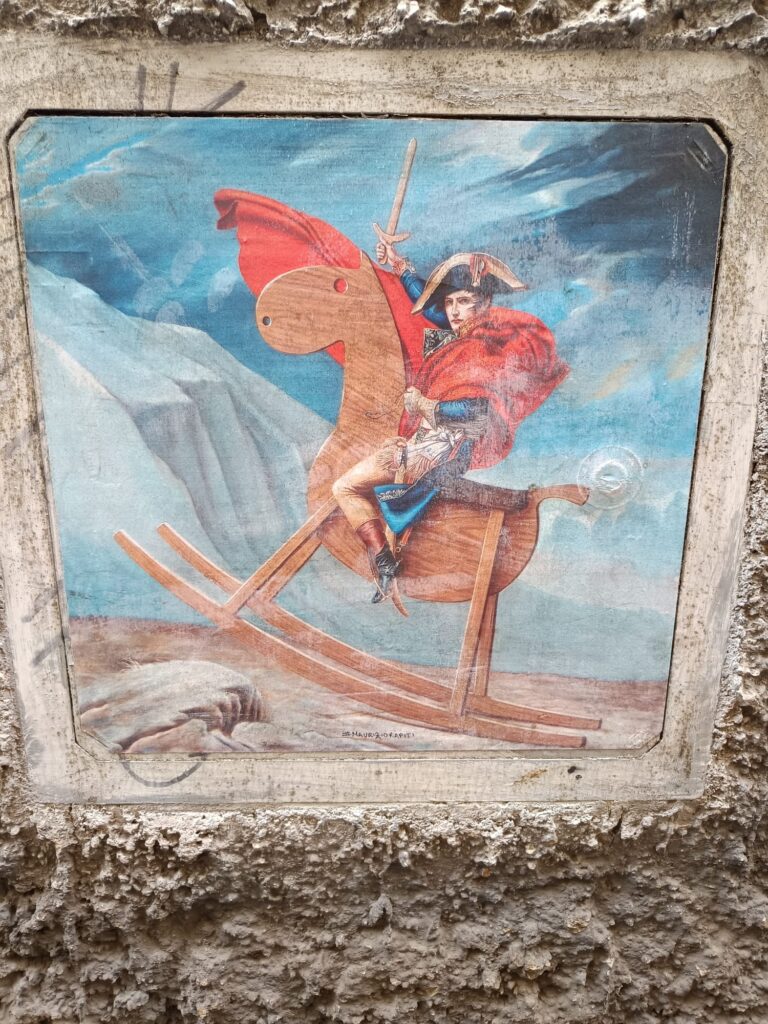
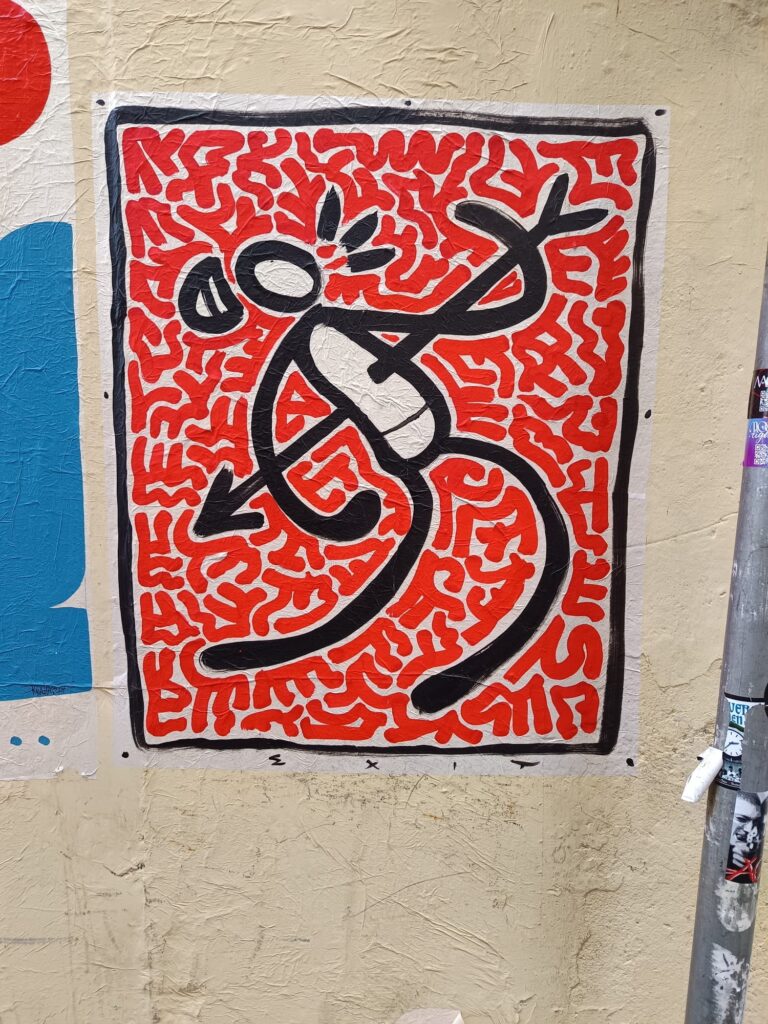
Collages and drawings can be found almost everywhere in the historic centre: you just need to slow down and pay attention. Near Dante’s House, you’ll spot works by Exit/Enter and Ache77; around Santa Croce, Clet’s altered street signs appear in unexpected corners. Blub’s underwater artworks are scattered throughout Florence and beyond, while Maurizio Rapiti’s pieces can often be found in the Oltrarno and Santo Spirito areas.
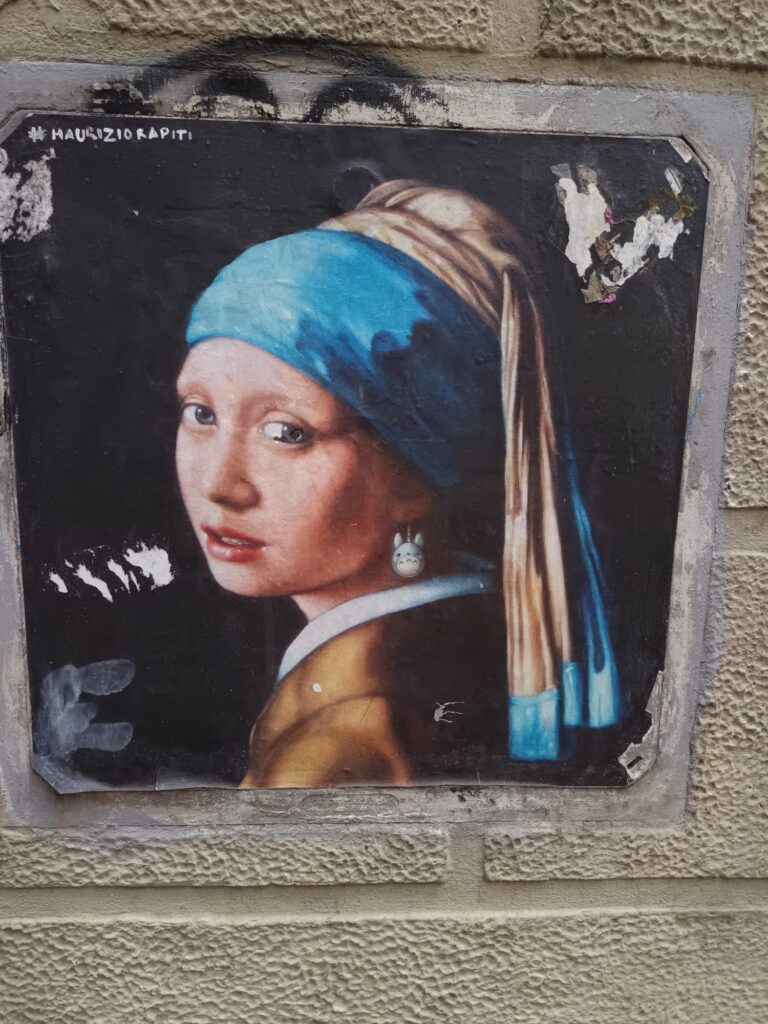
Walk slowly and let your eyes move beyond stickers and graffiti. If you look closely, these works start to appear almost like small revelations hidden in plain sight.
I’m not a fan of collecting street art pieces: in my view, street art belongs in the streets, where it can be encountered by everyone. That said, it is possible to buy some works, such as Clet’s modified street signs or Blub’s underwater Mona Lisa.
Blub: https://www.instagram.com/blub_lartesanuotare/?hl=it
Exit/Enter: https://www.instagram.com/exit.enter.k/
Street Artists in Florence You Should Know
To fully appreciate these works, it helps to know a bit about the artists behind them. Here’s a quick overview.
Exit/Enter creates small, black, stylised human figures in a romantic style. They often appear in pairs, usually in love, and are frequently accompanied by a red heart.
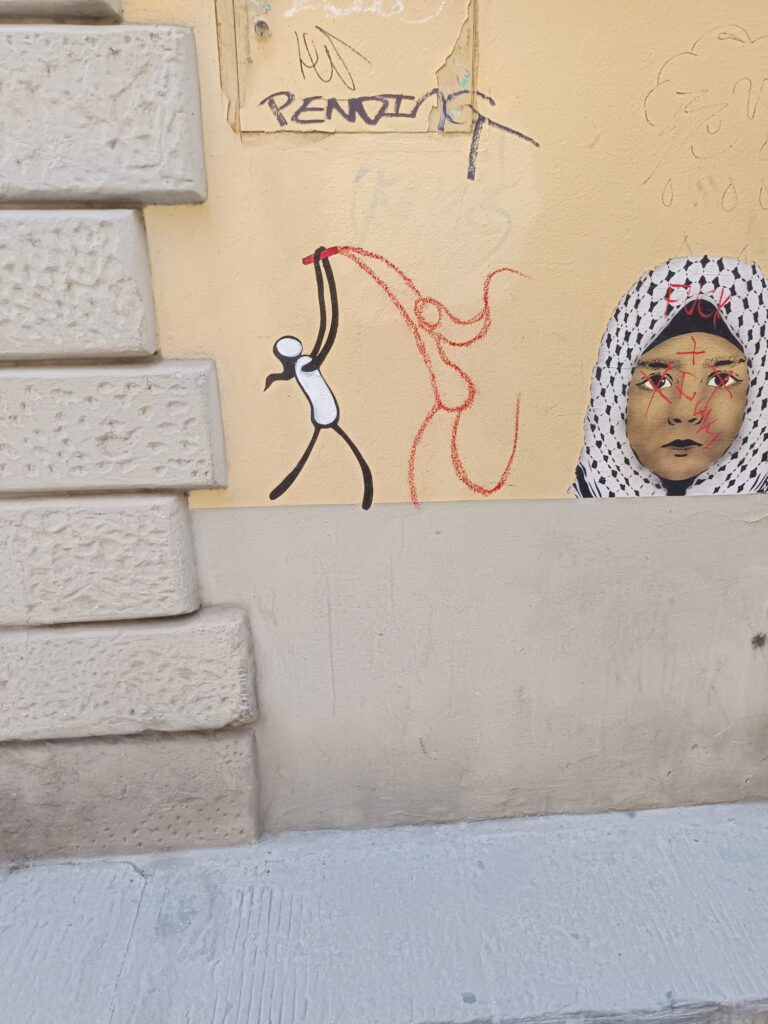
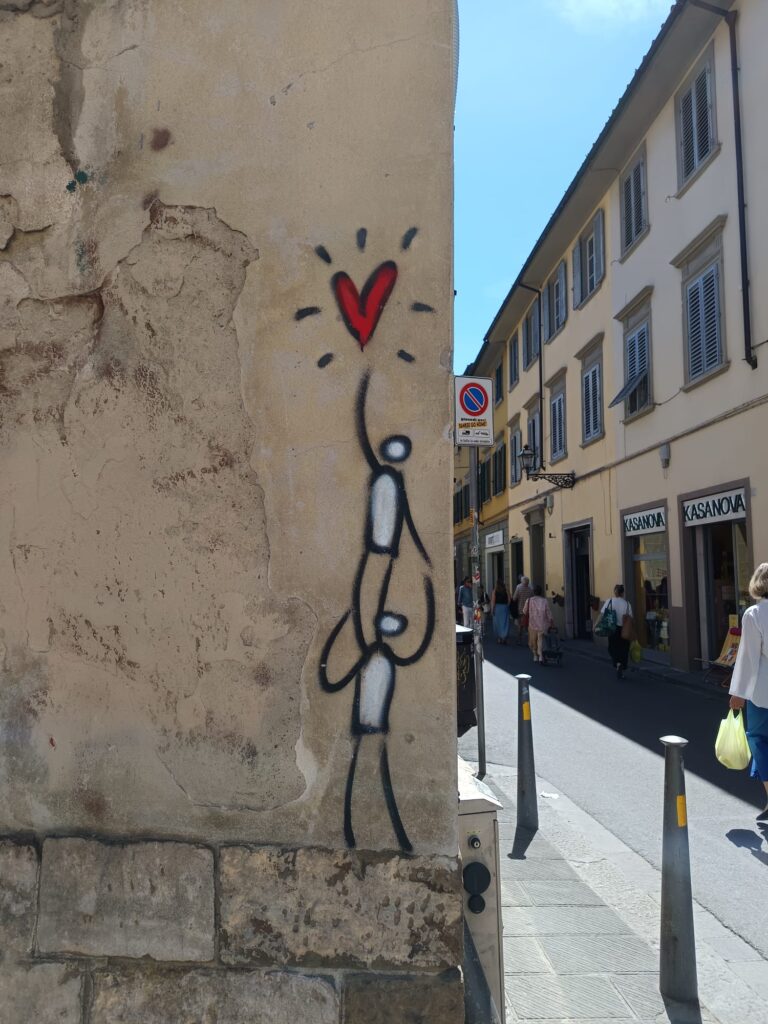
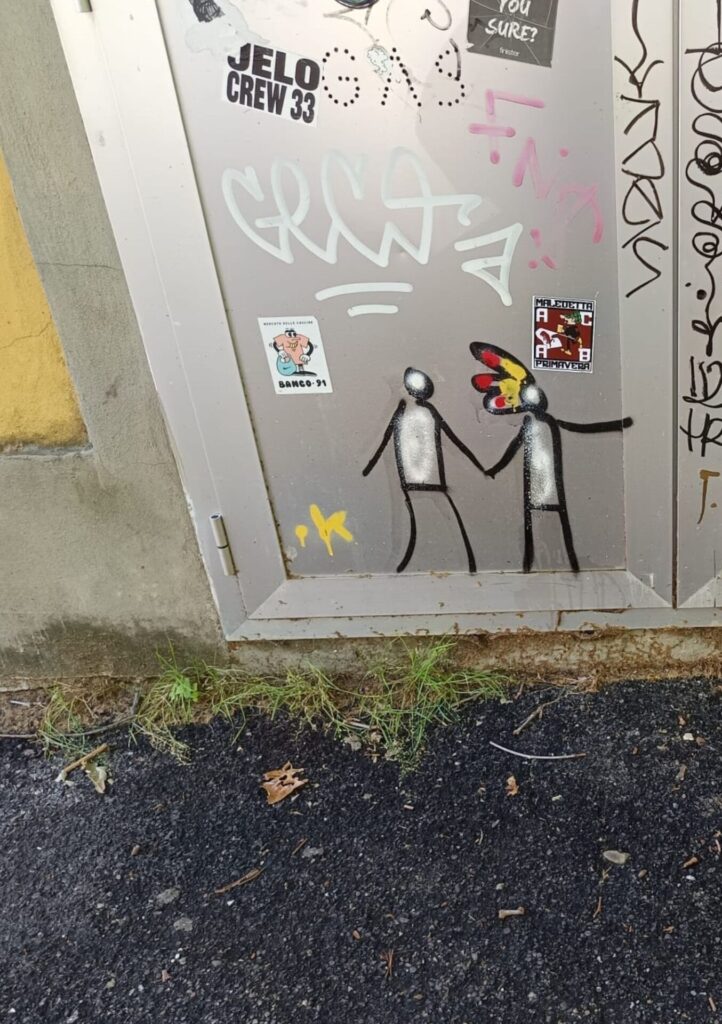
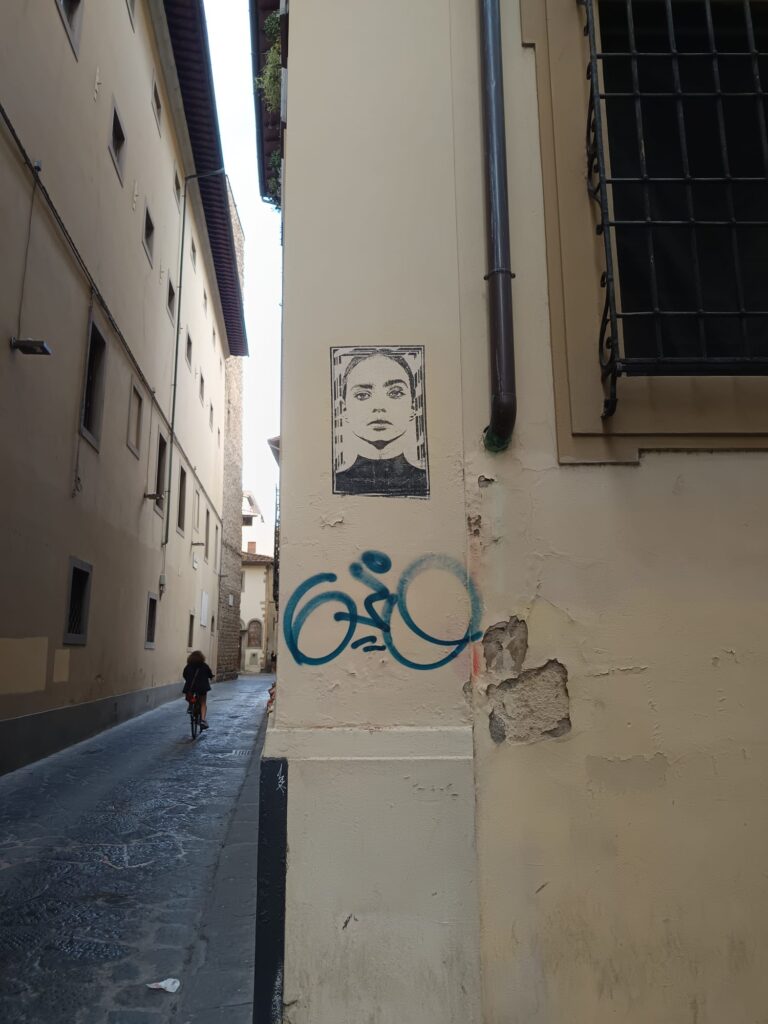
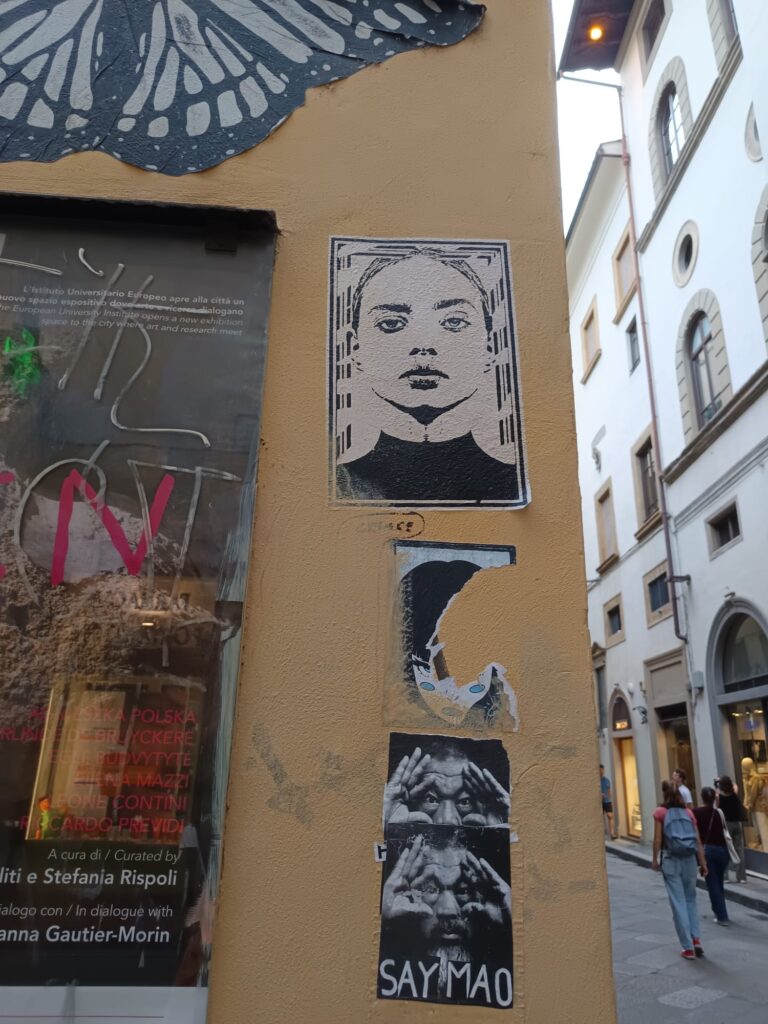
Ache77 is known for her female portraits, often presented as posters pasted onto walls. Her figures are iconic, with a magnetic gaze that is impossible to ignore. She also works with stencils, although her posters are the works I encountered most often.
Clet is known for modifying street signs in a highly ironic and playful way. Once, I saw a “no entry” sign transformed with a figure with a brick-shaped head, seemingly writing.
Blub develops the concept of “Underwater Art”, reinterpreting famous artworks from art history as if they were submerged underwater, complete with bubbles, fish, and aquatic textures.
Maurizio Rapiti is highly ironic, although less widely known. I especially liked his representation of Napoleon riding a rocking horse.
Why Street Art Changes the Way You See Florence
Florence is overflowing with art, extending far beyond the walls of its museums and historic buildings. Exploring the city through its street art can be both a playful and cultural experience, encouraging you to look beyond what you already know, whether that means reading articles, discovering new artists, or rethinking the city itself.
Street art is not just Banksy, and that is exactly why it deserves more attention. Even when it is right there on the wall, it too often remains underground.


