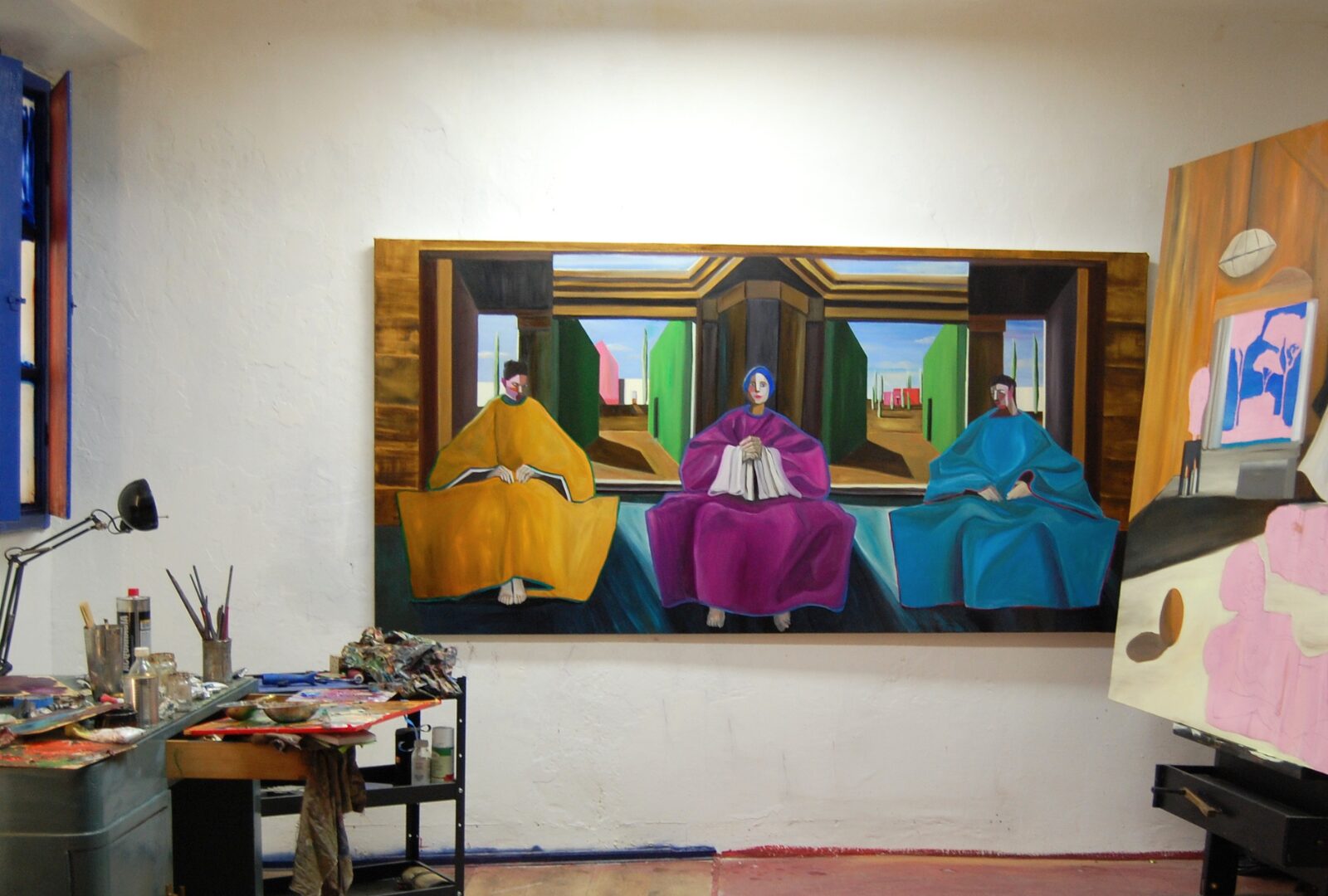
By Francesca Trovato. Cover image Virginia Landi.
Florence often appears suspended in its own image: layered, admired, endlessly revisited. Yet within that continuity, something shifts. A few steps away from the monumental axis, in the dense fabric of Sant’Ambrogio, a different rhythm emerges. It is here, at 25/r via dell’Agnolo, that Bagasseria opens: the new studio and exhibition space founded by painter Samuele Alfani.
Opened in March 2026, the project introduces itself with clarity. This is a fluid, evolving space, conceived as a site of encounter between creative communities and the public—free, inclusive, accessible, and open to provocation. An atelier in the most literal sense: a place where art is made, shared, and experienced in real time.
Sant’Ambrogio Florence Art Scene: Why Everyone Is Talking About It
This part of Florence has a particular kind of energy, shaped as much by daily routines as by what people come here to do. The market nearby, the constant flow of residents and passersby, and the mix of formal and informal exchanges all create a sense of closeness that defines how the area feels and moves.
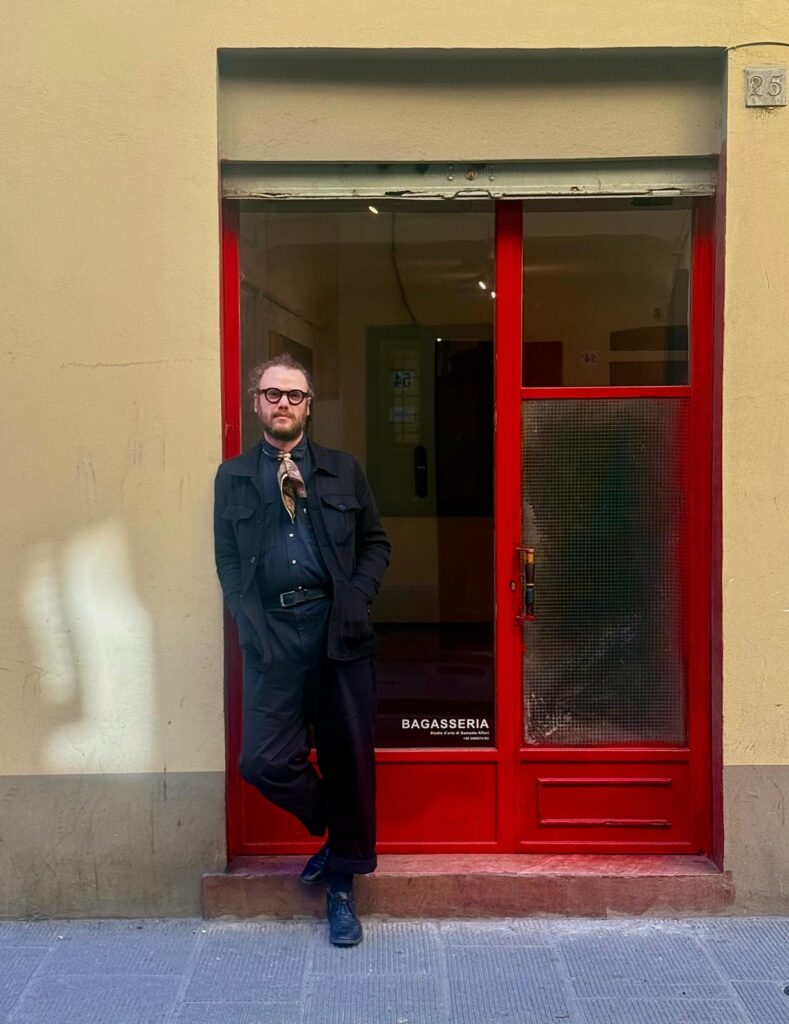
Within this setting, Bagasseria absorbs the surrounding energy and works with it. The bright red frames at the entrance are hard to miss, even for those just walking past, and the space feels open in a very direct way—no barriers, no conditions, just a natural invitation to step inside and engage.
What emerges is a project that stays connected to its environment, where art is not placed at a distance but sits inside the everyday life of the neighborhood itself.
What is Bagasseria in Florence? New Artist-Run Space Explained
The name itself sets the tone. “Bagasseria,” from the Catalan for “brothel,” works as a deliberate provocation, drawing attention to the systems of exposure, consumption and exploitation that often shape how art and artists circulate.
Against this backdrop, Alfani builds a clear counter-position: a space where art is not fixed into a finished, reassuring product, and where meaning is not fully set in advance. As he puts it: “I try to promote an art that is not rhetorical, nor a finished, comforting product for an audience trained to respond to pre-coded stimuli, but an unpredictable form of art—never fully defined—shaped by a real collective energy that can question it and push it beyond its own elitist comfort zone.”
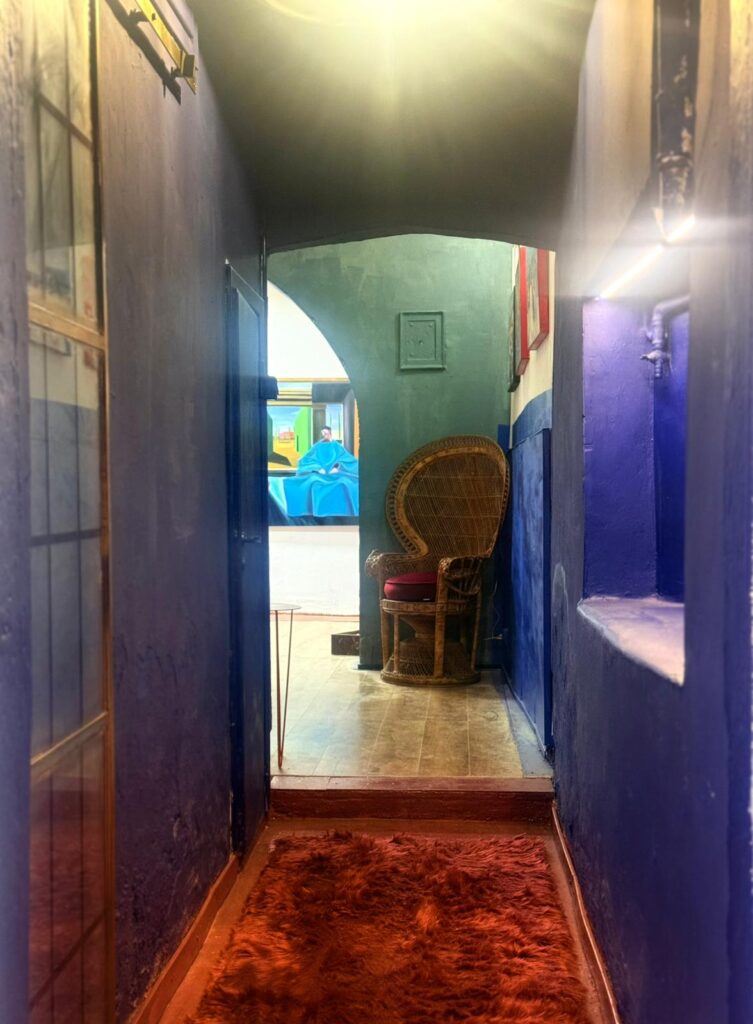
Bagasseria operates as a shared structure. Studio and exhibition space coexist, production remains visible, and each project unfolds within a collective dimension. The aim is clear: to create something that can be lived and experienced, where spontaneity becomes both method and condition.
Bagasseria Florence:Rethinking the Gallery Format
Far from the traditional gallery model, Bagasseria introduces a more open way of presenting contemporary art. There are no solo shows and no focus on the artist as an isolated figure. Each exhibition is built as a shared space, where different practices meet and interact in real time.
This reflects a wider shift in contemporary art. Artist-run spaces are becoming key infrastructures—places where visibility, exchange and meaning grow through proximity and collaboration.
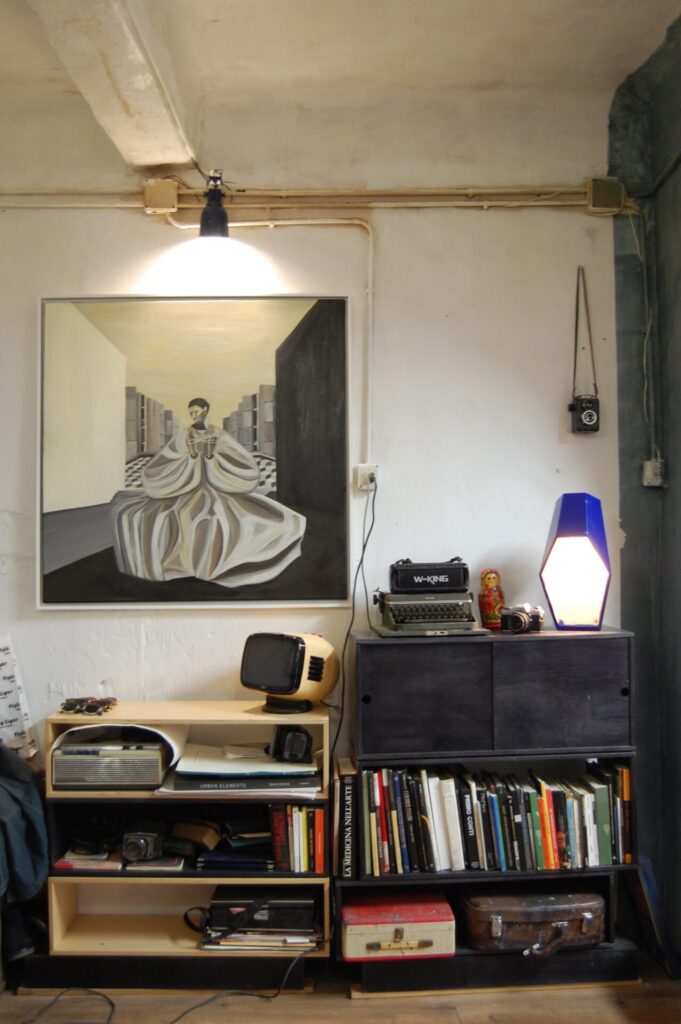
In Florence, this feels especially relevant. The city’s strong historical identity often leaves limited room for contemporary experimentation. Spaces like Bagasseria introduce an alternative: a working environment that supports experimentation, fosters connection, and builds a local yet open network.
Bau Bau Baby: The Emotional Opening Show at Bagasseria
The inaugural exhibition, Bau Bau Baby, curated by Luigi Presicce and Anna Capolupo, opened alongside the launch of Bagasseria on March 28, 2026. It is presented by appointment and concludes with a finissage in spring 2026.
Dedicated to Aurora, known as Pippi, a beloved dog deeply connected to the artist community, the show becomes a collective gesture of remembrance following her passing.
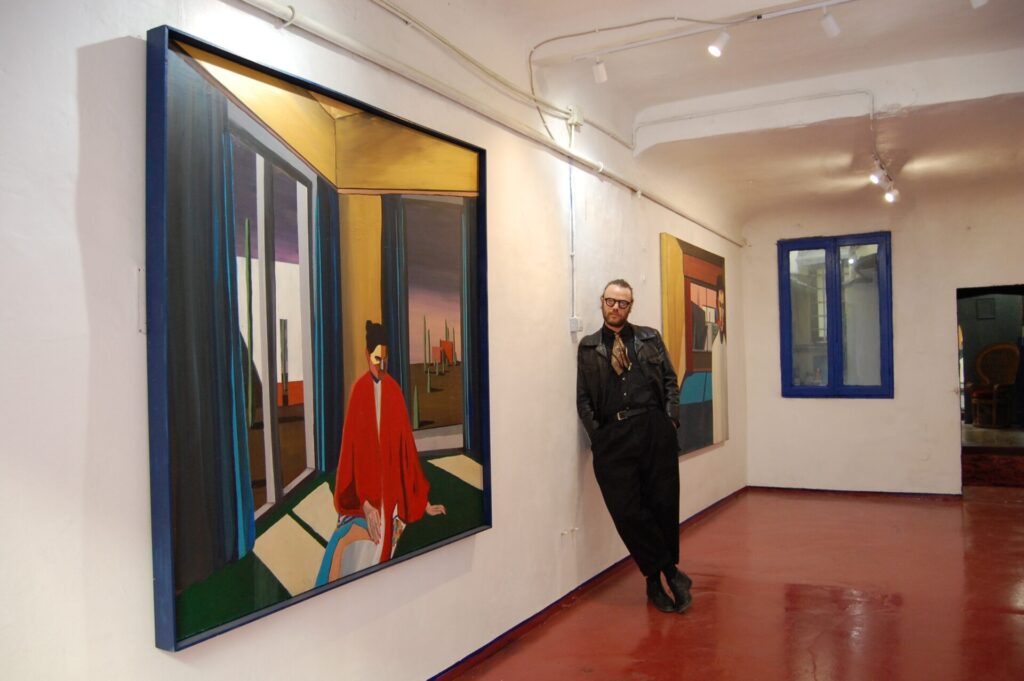
Rather than a thematic exhibition in a conventional sense, Bau Bau Baby operates as a shared emotional field. Memory is translated into visual form through a wide range of practices. The works engage with presence, affection, and the trace left by a life that continues to resonate.
Texts by Francesco Lauretta frame the exhibition with sensitivity, where empathy and melancholy become tools for reading the works. The show brings together a wide group of artists, creating a layered constellation of voices that coexist within a shared emotional field.
The list of participating artists reflects this multiplicity, bringing together figures such as Matteo Capriotti, Mattia Barbieri, Monica Mazzone, Martina Bruni, Davide Serpetti, Lisa Lurati, Valeria Carrieri, Andreas Zampella, Jimmy Milani, Dimitri Zudov, Matthew Licht, Francesco De Grandi, Francesco Arena, Thomas Berra, Marco Acquafredda, Gabriele Ermini, Linda Randazzo, alongside Samuele Alfani himself and many others. A constellation of voices contributing to a shared surface.
Samuele Alfani: the Artist Behind Bagasseria Florence
Born in Florence in 1985, Samuele Alfani developed his practice across photography, filmmaking, and painting during his early years in Spain. Upon returning to Italy, he worked in directing, producing two short films before focusing primarily on painting from 2020 onward.
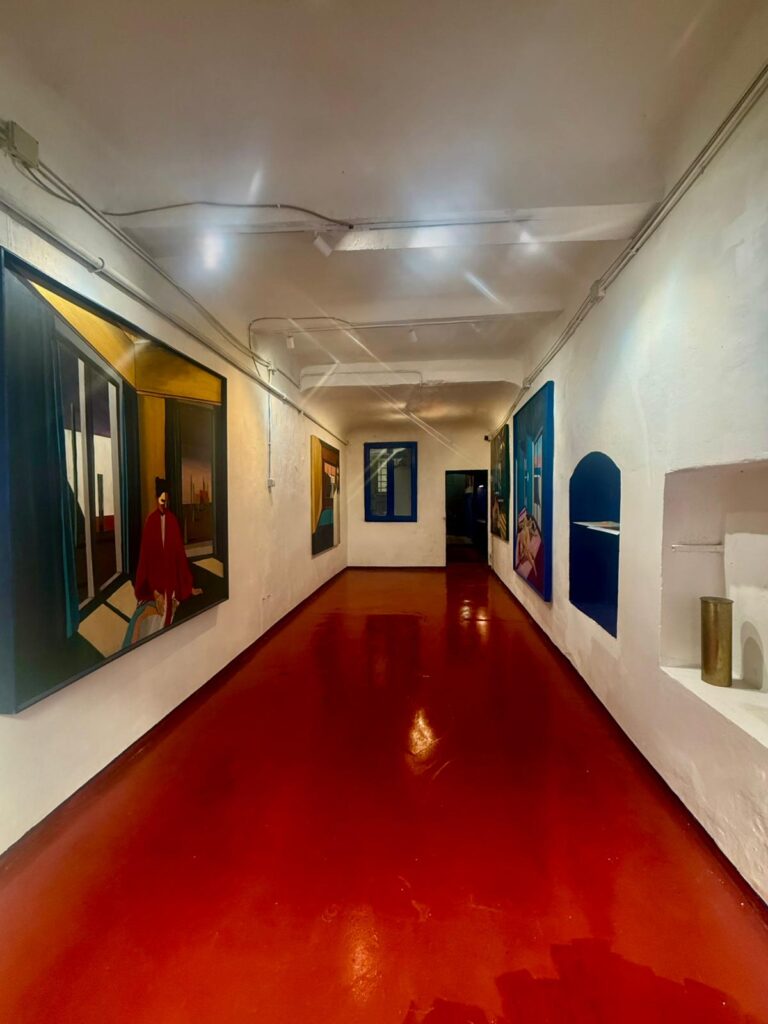
His solo exhibitions in Florence—Isolé, Kerigma, and Agape—trace a trajectory centered on emotional intensity and symbolic construction. In 2024, his work Preda per rimedio dell’anima, addressing gender-based violence, was selected as a finalist at the Art Laguna Prize in Venice. In 2025, he participated in Kosmos, the 21st edition of Paratissima in Turin, and began collaborating with Galerie10 in St. Moritz.
His video practice continues alongside painting, maintaining a dialogue between different visual languages. Bagasseria emerges directly from this trajectory: a space where artistic practice extends beyond the individual and becomes a shared field.
Contemporary Art in Florence: A Shift Toward New Creative Models
A question runs through the city: will contemporary artists continue to leave, or will they find a place to remain? Bagasseria offers a possible answer. It positions itself as a refuge, a laboratory, a site of construction. A place where art is grounded in intention, shaped through collaboration, and sustained by a living network. Here, creativity is not treated as a product. It takes form through relationships, through exchange, through a process that remains open.
Within Sant’Ambrogio, a few steps from the market, Florence reveals another layer of itself—one that does not look backward, but moves, builds, and transforms in real time.


