By Francesca Trovato. Cover image courtesy of ZEROW.
We all know by now that fast fashion is ruthless: it grants visibility to only a few, leaving little room for young creatives who want to build their own path through fabric expressing ideas, emotions and identity. Large industries dominate in terms of costs and materials, often ignoring the environmental cost of their choices. This also shapes the way we dress, while emerging sustainable brands struggle to find the space they need to truly grow, experiment and innovate.
The €125 Billion Problem Fashion Doesn’t Want to Talk About
Every year, the fashion industry generates over €125 billion worth of surplus leather and textiles: high-quality materials that sit unused in brand warehouses despite their value. Deadstock fabrics represent one of the clearest contradictions in contemporary fashion: while new materials and leathers continue to be produced, vast quantities of existing resources remain untouched, waiting for a second chance.
Today, there is a real alternative, and it is based in Florence. A model that breaks the traditional relationship between client and supplier, creating instead a more direct, conscious and collaborative connection. This is ZEROW, an innovative project created to give new life to unused fabrics, the so-called deadstock materials, often coming from luxury companies. Where others see waste, ZEROW sees possibility. It is not only about recovering materials, but about imagining a new ecosystem in which every player in the supply chain, from brands to suppliers to independent creatives, can actively contribute to change.
Instead of being forgotten in warehouses or discarded, these materials become valuable resources for designers who prioritize quality, research and sustainability. The result is a completely different production logic: no rigid standardisation, but a creative process that starts from what already exists, turning constraints into opportunities, recovering value meter by meter.
Sca-Ja and Pside: Two Brands Rewriting the Rules of Sustainable Design
Several emerging brands are redefining what sustainable fashion can actually look like. Two of them took part in the ZEROW Pop Up Showroom held in Milan at Alef Lab, and their approaches are strikingly different.
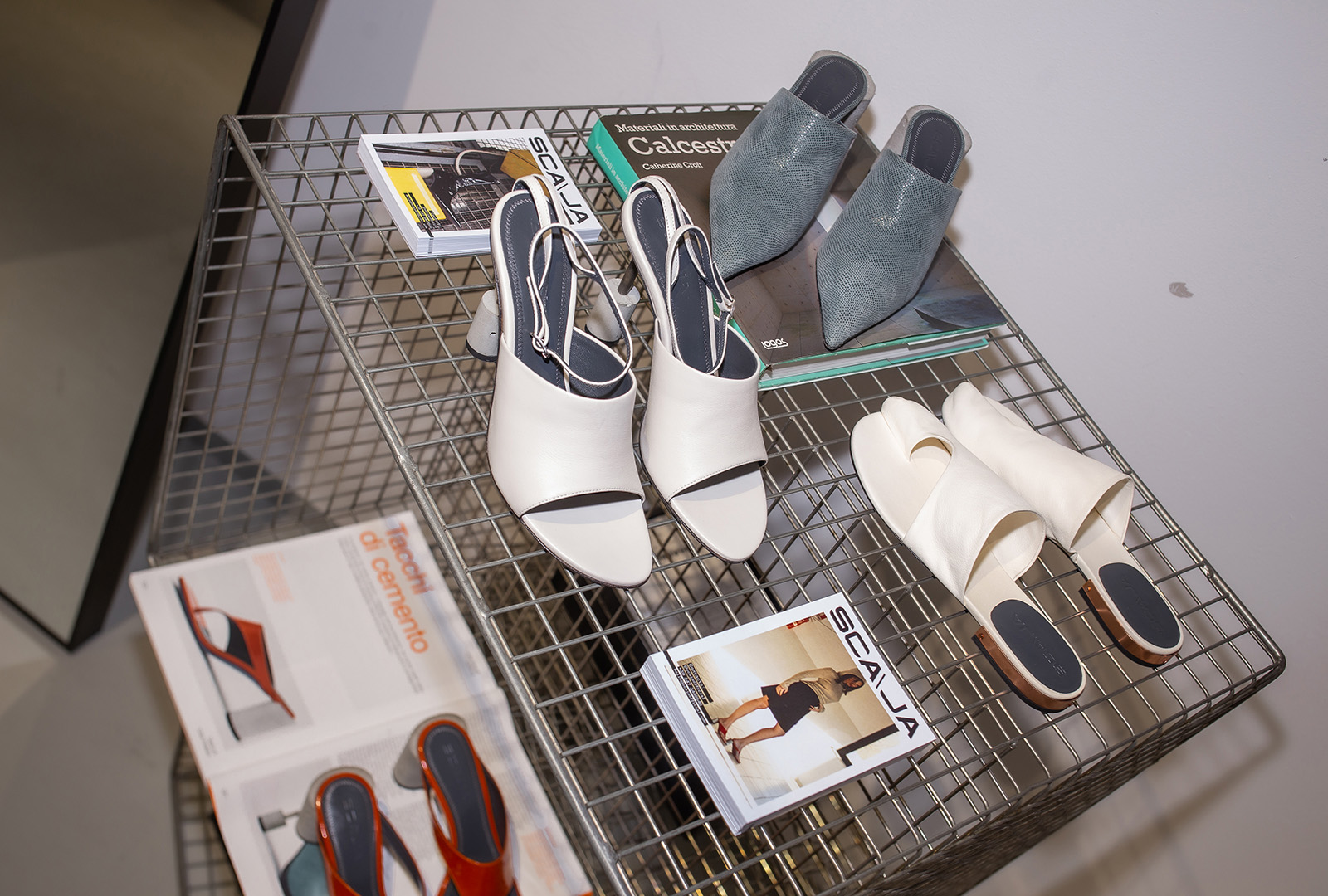
Sca-Ja stands out for its essential, almost brutalist aesthetic, where material research becomes the core of the design language. Its collections are built through a conscious use of deadstock fabrics, transforming surplus materials into garments with a strong visual and conceptual identity. The brand focuses on reduction and purity of form, placing material storytelling at the centre rather than chasing seasonal trends.
Psideexplores a different but complementary direction, combining sustainable tailoring with streetwear influences to create collections that speak to contemporary urban culture. It works through contrast and experimentation, reinterpreting recovered materials in a dynamic way while maintaining a strong focus on sustainability and traceability. Here too, deadstock is the starting point of the creative process.
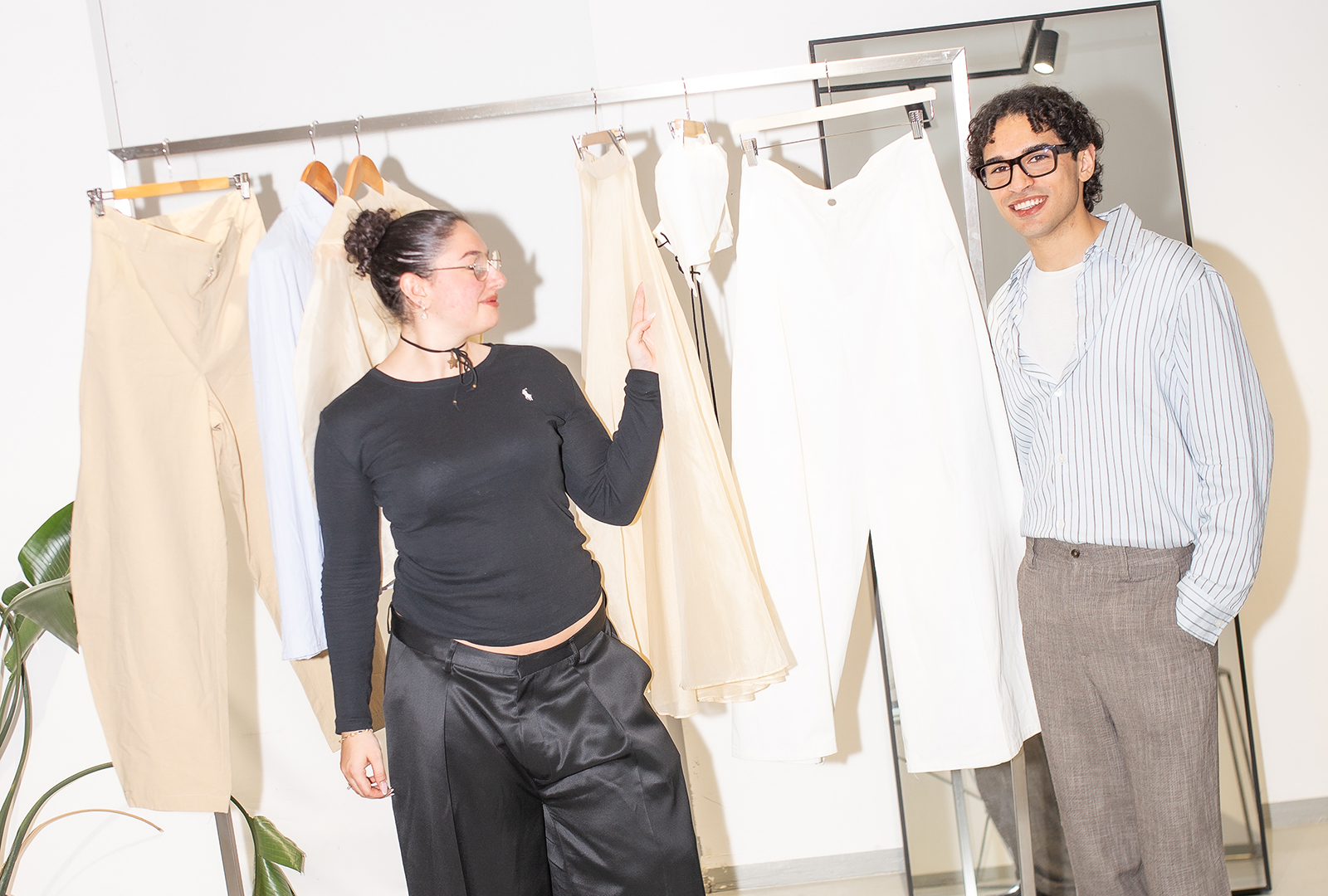
From Warehouse to Wardrobe: The Milan Event
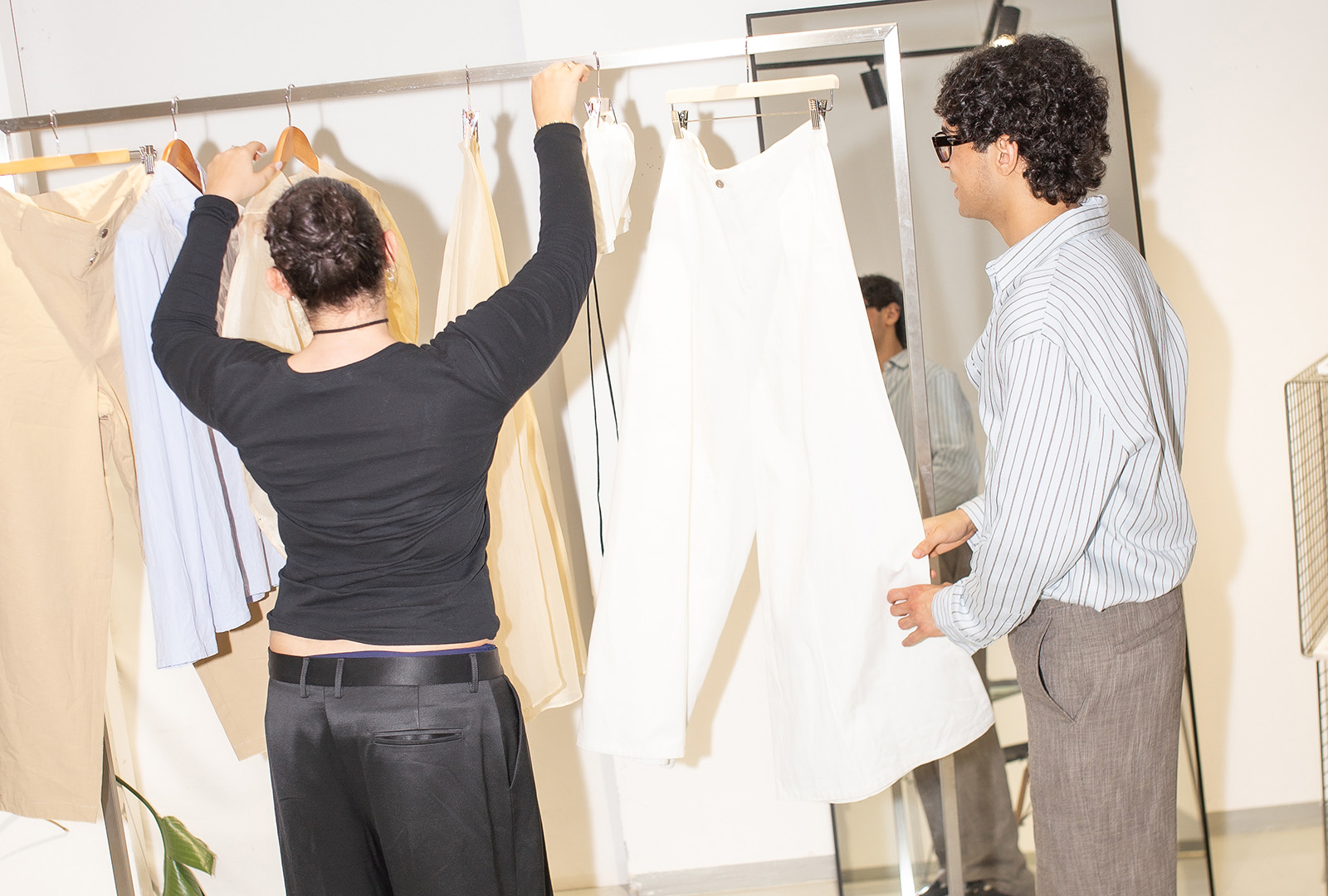
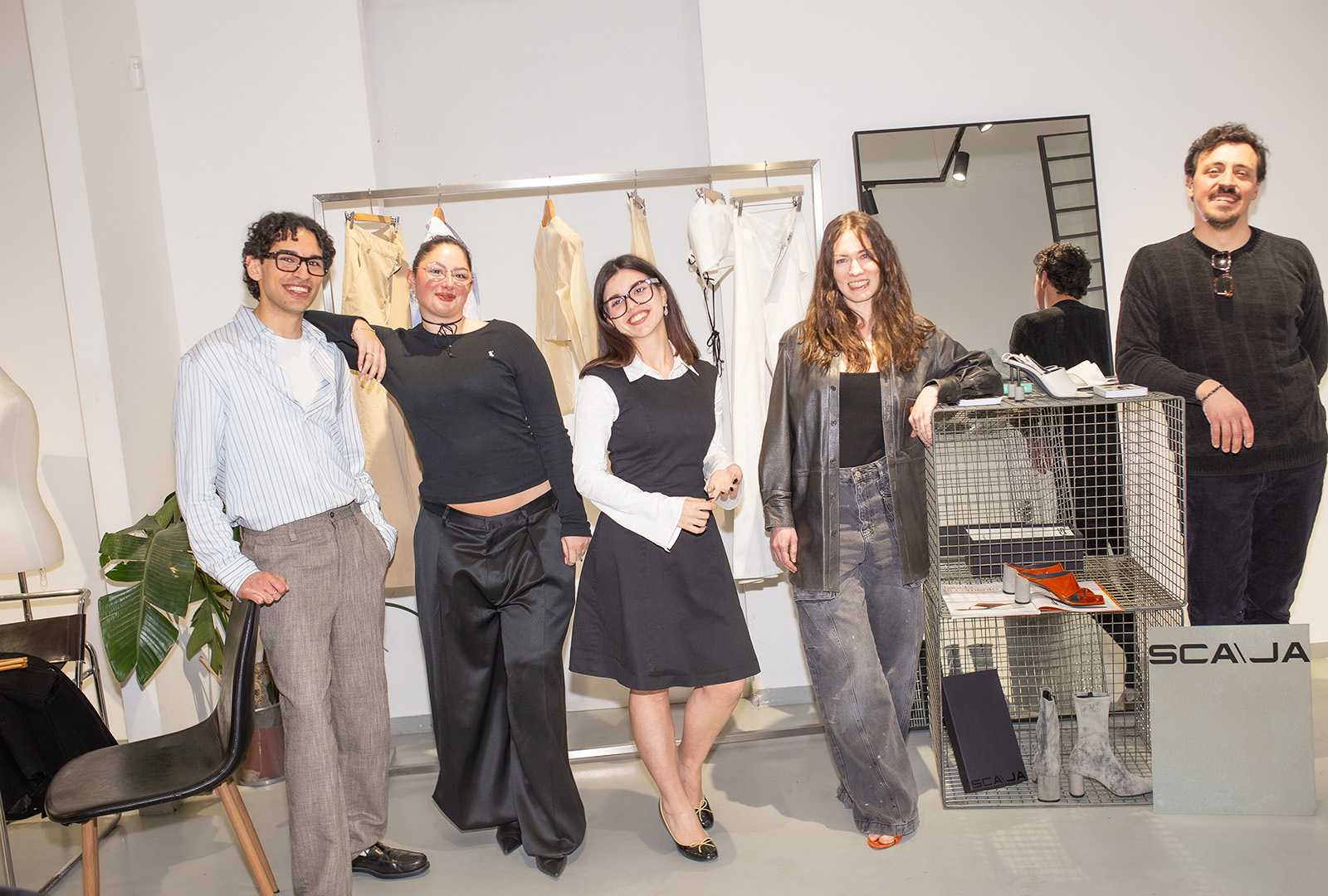
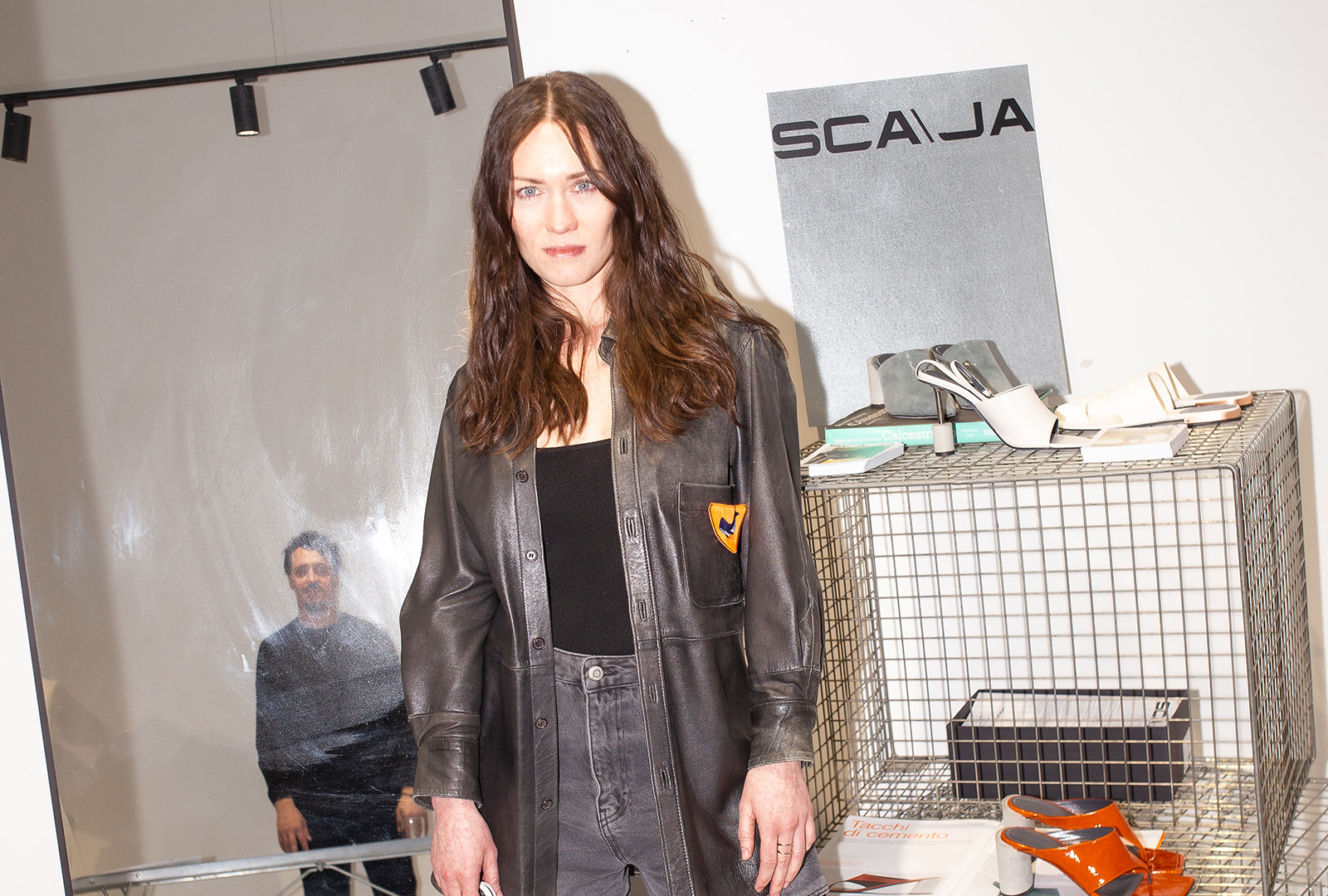
Both brands were featured in the pop-up showroom organised by ZEROW at Alef Lab in Milan, an event that became a genuine meeting point between creativity, research and sustainability. Istituto Marangoni also took part in the initiative, attending the event and interviewing the designers to explore their creative process and highlight the growing dialogue between education, industry and sustainable innovation.
During the event, the collections made it clear how material reuse can generate new aesthetics and new narratives. This is not only about reducing waste but about rethinking the entire fashion cycle, and transforming what was once considered surplus into cultural and creative value.
350 Kilometres of Fabric Saved — and Counting
The impact is tangible: over 350 kilometres of fabric have already been saved, reused and brought back into circulation. A result that is anything but abstract: it shows up in real garments, worn not only at events like Pitti Uomo in Florence or Berlin Fashion Week, but in everyday life. ZEROW positions itself not just as a supplier, but as a creative hub where designers, brands and educational institutions come together to experiment, collaborate and redefine the meaning of production itself. A space where sustainability is no longer a slogan, but a concrete, shared and constantly evolving practice.
In a fashion system still searching for balance between excess and responsibility, projects like ZEROW show that change does not come from replacing what exists — but from reimagining its value.
Want to know more about how deadstock is reshaping the fashion industry? Read our interview with ZERO WASTE CEO Gabriele Rorandelli: https://imfirenzedigest.com/2025/07/11/zero-waste-deadstock-circular-fashion/


