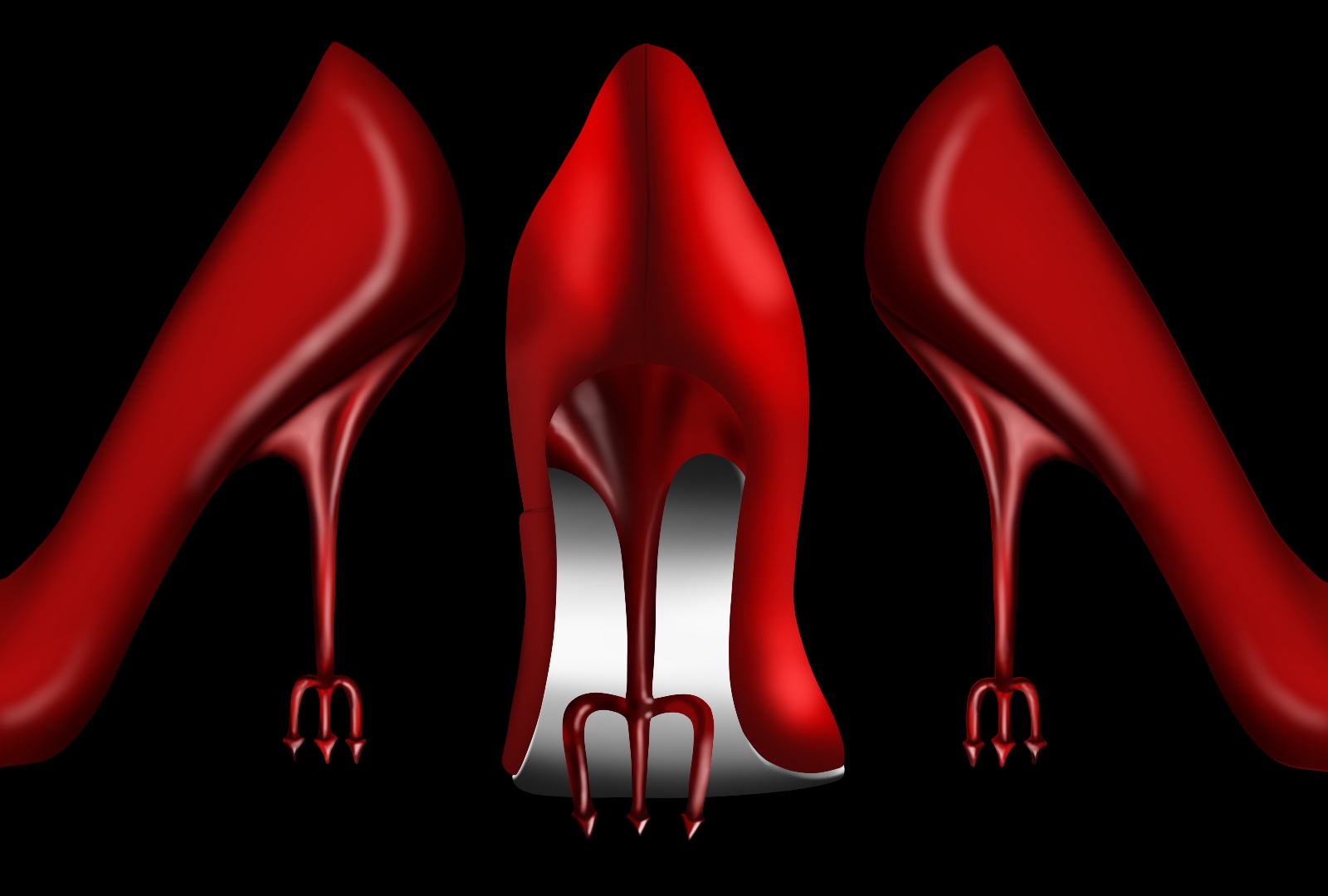
By Sanjana Viswanath Mundhwa. Cover image by Iulia Ecaterina Ene Paraschiv.
The Devil Wears Prada 2 and the Fashion Industry in 2026
“Gird your loins” people! Two decades later, The Devil Wears Prada 2 brings back Miranda Priestly and her “minions”: a film that became a cultural reference point for aspiring editors, stylists, and especially fashion students. Set to hit cinemas on April 29, the sequel steps into a fashion industry radically different from the one idolised in 2006: faster, more digital, more critical, and far less forgiving.
Why the Original The Devil Wears Prada Still Defines Fashion Students Today
The original film never intended to be a play-by-play of the realities of fashion – it didn’t need to be. Instead, it offered a stylised, hyper-curated view of the fashion industry that felt aspirational enough to inspire and motivate, yet grounded enough to feel real.
In the grand scheme of things, this approach worked. The film received largely positive reviews, with audiences particularly drawn to Meryl Streep’s layered portrayal of Miranda Priestly. As mentioned earlier, the film – especially for fashion students – was much more than entertainment. It became a crash course on the realities of hierarchy and power dynamics, a visual archive of the early-2000’s editorial culture, and a slightly romanticised take on burnout versus ambition in a highly competitive industry.
However, our generation today – raised on TikTok trends, overwhelmed with sustainability discourse, and shaped by a new level of industry transparency, may be far harder to convince by the romanticised realities of the fashion world.
What We Know So Far About The Devil Wears Prada 2
The sequel reunites Anne Hathaway, Emily Blunt, and Stanley Tucci, with the narrative shifting towards a declining print industry and evolving power structures.
The key plot pathways suggest that our favorite characters have significantly evolved since 2006. Miranda appears to be navigating the collapse of print publishing as digitalisation becomes increasingly dominant; Emily is reportedly rising within a luxury powerhouse as an executive, and last, but not least, Andy returns, this time, as an equal, not an assistant.
This already signals a clear tonal shift. The sequel is no longer about “entering” fashion – it’s about surviving it. Following the success of the first film, the sequel has also secured strong industry support. Unlike the original, which reportedly struggled to gain backing from fashion houses, the sequel features stronger collaboration with designers and was partly filmed during real-life events such as Milan Fashion Week.
How The Devil Wears Prada 2 Trailer Became a Viral Fashion Moment
The trailer has already broken a series of records, with the teaser gathering a total of 181.5 million views in its first 24 hours alone, while the official trailer reached 222 million views within the first day – proving that viewers are clearly hungry for more.
Visually, the film leans heavily into early-2000s nostalgia, drawing on fashion styling cues and music choices that echo the original era. However, audience reactions have been divided, particularly among younger viewers and fashion students. Some see the film’s release as a welcome back to a beloved universe, while others are more cautious, questioning whether the film risks becoming a stylised relic rather than a relevant reflection of today’s fashion industry.
This tension may reflect a broader shift in audience behaviour: today, viewers don’t just consume fashion narratives: they actively analyse and critique them.
Why Miranda Priestly’s Valentino Heels Sparked Debate
Nothing captures younger viewers’ instinct for scrutiny better than the backlash the trailer received over a single accessory: a pair of Valentino Rockstud heels. Spotted on Miranda Priestly in the trailer, the shoes – once a defining symbol of 2010’s luxury – quickly became a talking point in 2025 fashion debate.
Fashion students and commentators argued that the choice felt incongruous, pointing to a key contradiction: Miranda Priestly represents forward-facing authority, while Rockstud heels are strongly associated with a specific, past trend cycle. This criticism is not purely aesthetic but symbolic– would a character defined by her ability to anticipate fashion really wear something so strongly tied to its past?
Some, however, argued that the choice was intentional: a nod to fashion’s cyclical nature, or a calculated use of nostalgia. Others even suggested that the controversy itself was the point, that, in today’s fashion landscape, conversation is currency. Either way, the moment reveals something deeper: fashion audiences are no longer passive viewers, they’re critically engaged.
How the Sequel Is Bringing Real Fashion Into the Narrative
People seem to believe that the original film orchestrated a more fiction-focused idea of the fashion industry, whereas the sequel appears to lean towards greater realism.
This shift is evident in the production team’s clear efforts to align the story with the modern fashion landscape – whether through collaborations with real fashion houses, filming during actual real-life events or even building on the narrative that brings to highlight the instability of print media. Even the wardrobe reportedly blends archival and contemporary fashion – subtly downplaying trend-driven excess and instead emphasizing the industry’s authenticity.
The likely reason for this evolution is the need to reflect the fashion world of 2026, which is more digitally driven and subject to stronger ethical scrutiny. A film that fails to acknowledge these changes risks feeling outdated or disconnected from reality.
The Risk of Romanticising Toxic Work Culture in Fashion
As we all know, the original film was equally celebrated and criticised for glamourising toxic workplace culture (impossible demands, emotional burnout, hierarchical pressure and more).
In 2006, this felt like insider exposure at a time when audiences were far less informed about what was happening behind the scenes in the high-fashion environment. In 2026 however, following this path risks feeling outdated, or even irresponsible.
As fashion students today, there is no real concept of insider exposure anymore. Information and opinions are readily accessible: from labour exploitation and abusive power structures to sustainability issues and the impact of technology. Our understanding of the industry is far more informed and critical. This is why, if the sequel fails to integrate these realities, it may struggle to resonate with us.
What Students Expect From Power and Representation on Screen
Through student discourse and industry commentary, expectations vary but always return to three clear categories: accuracy, complex female power and communicative fashion.
We are no longer looking for perfection, but for relevance. Students want realism that reflects today’s media landscape – shaped by rapid digital transformation, the rise of influencers and the growing power of corporate conglomerates. Authenticity matters more than curated perfection. Alongside this comes a more nuanced expectation around women in power. Figures like Miranda can no longer remain one-dimensional. Authority on screen should reflect contemporary womanhood: layered, evolving, and allowed to show vulnerability without losing strength. Finally, fashion is expected to communicate, not simply impress. Every look must mean something, and as the Valentino debate highlights, fashion on screen is now read as text – it makes a statement, it’s no longer used as decoration.
The Final Verdict: A Film Under Global Fashion Pressure
The Devil Wears Prada 2 is a film under significant global pressure. It isn’t being judged solely as a cinematic work, but also as a piece of fashion discourse, a cultural reference point, a reflection and even a potential misinterpretation.
Fashion students will most certainly not watch the film passively. They will decode, critique, and question it. If a single pair of Valentino heels can spark this level of discourse, it is clear that the stakes are higher than ever. For fashion students, and for an audience raised inside the constant transparency of the system, every detail is immediately analysed. Every object, every image, every aesthetic reference quickly becomes part of the conversation.


