By Mila Johanna Papini. Cover image Anano Esartia
The Language of Flowers in Scent: From Myth to Perfume
What do flowers really mean in perfume? In modern perfumery, floral notes carry centuries of symbolism, mythology, and emotional meaning. From lavender’s calming purity to the rose’s connection with passion and loss, each flower tells a story that perfumers continue to reinterpret today. In this guide, we explore the meaning behind four iconic flowers in fragrance —lavender, peony, iris, and rose— and how their cultural histories shape the perfumes we wear now.
Lavender: Purity, Calm, and a Modern Comeback
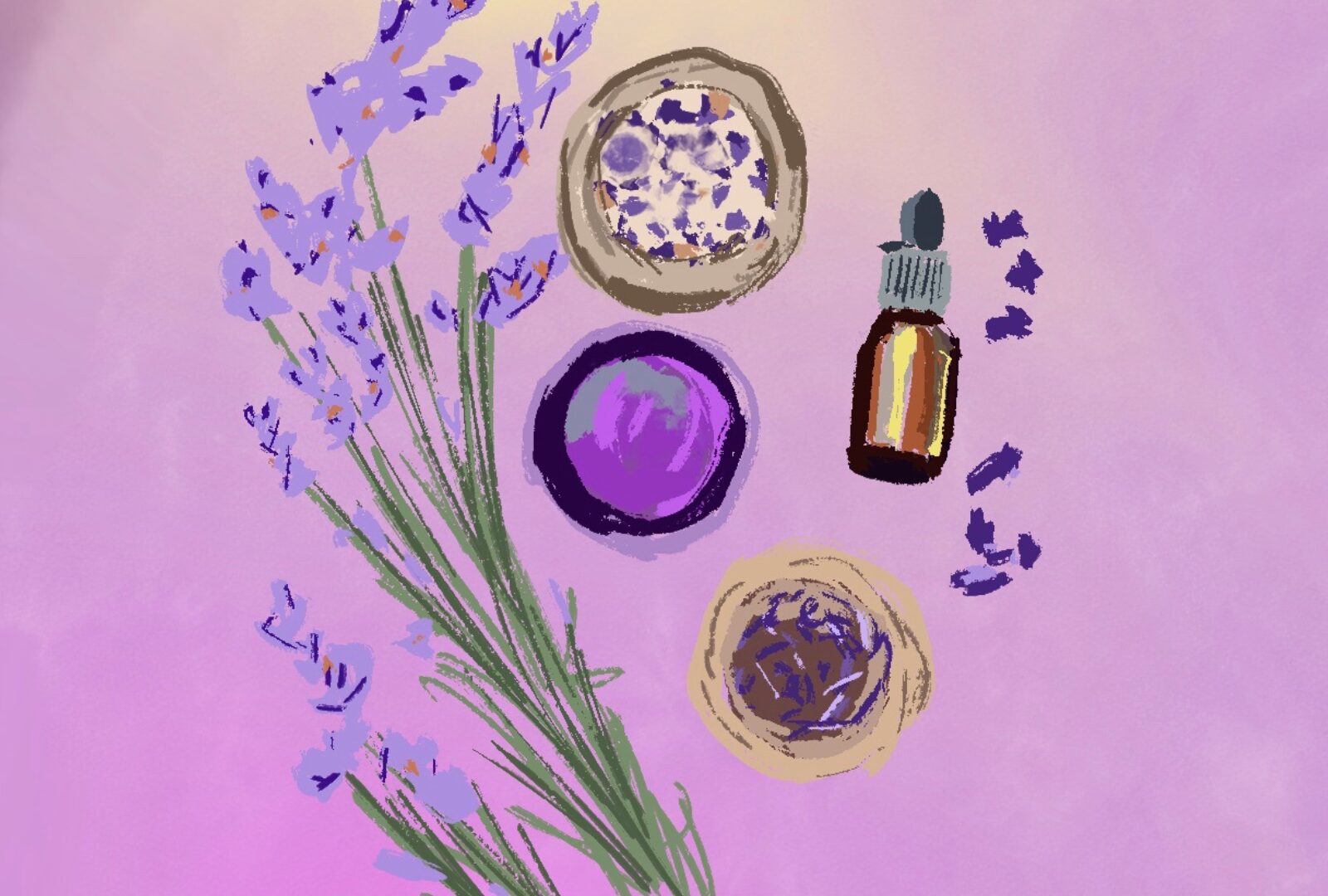
Lavender is probably one of the most controversial scents in cosmetics, people tend to either love it or dislike it. Yet despite this divide, it has unmistakably made a comeback. Today, lavender appears not only in perfumes, but also in skincare, cosmetics, and even food and beverages, reintroducing the note to a new generation. But what are the origins of lavender? Native to the Mediterranean, it was prized by ancient Egyptians for its antiseptic and preservation properties and later embraced by the Greeks and Romans, who infused it in baths for its cleansing qualities furthermore its name deriving from the Latin lavare, “to wash.” Across cultures, lavender became a symbol of purity, calm, and healing, believed to soothe both body and spirit. In medieval folklore, it was thought to ward off evil and protect the home, while in other traditions it was linked to love and emotional comfort. In contemporary perfumery, this rich legacy finds new expression in fragrances such as Burberry Goddess, where lavender is woven into a modern aromatic tapestry: soft and floral at first, with warm, musky depths that transform the once-simple herb into something sensual, elegant, and unmistakably wearable.
Peony: Romance, Prosperity, and Soft Power
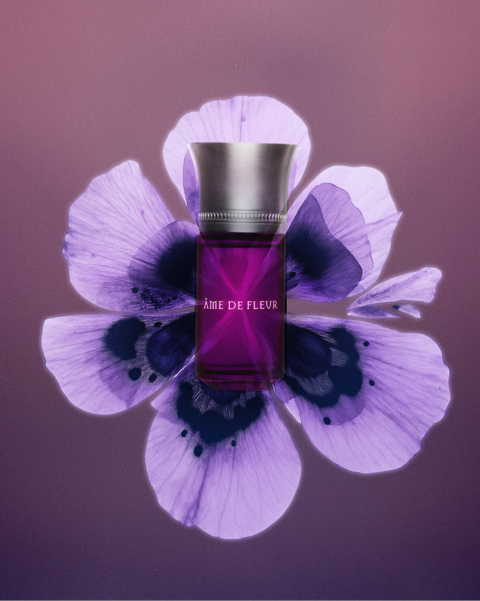
Peonies have long captivated cultures with their lush petals and layered symbolism, earning the title “King of Flowers” in China. Revered for over two millennia, peonies symbolize wealth, honor, and nobility, while legends such as Empress Wu’s winter garden tale highlight their resilience and grace. In Japan, peonies are intertwined with stories of bravery and protection, often paired with lions in art to balance strength and beauty. In Korea, the flower adorns royal palaces and wedding garments, conveying prosperity and good fortune. Color further enriches its meaning: pink evokes romance and gentle affection, red signifies passion and success, white conveys purity, and yellow brings hope and opportunity. Beyond cultural lore, peonies have become icons of modern elegance, inspiring art, design, and perfumery. In fragrances like Jo Malone Peony & Blush Suede, the peony’s soft, floral freshness is transformed into a romantic, wearable scent that celebrates love, femininity, and timeless beauty.
Iris: Elegance, Rarity, and Powdery Depth
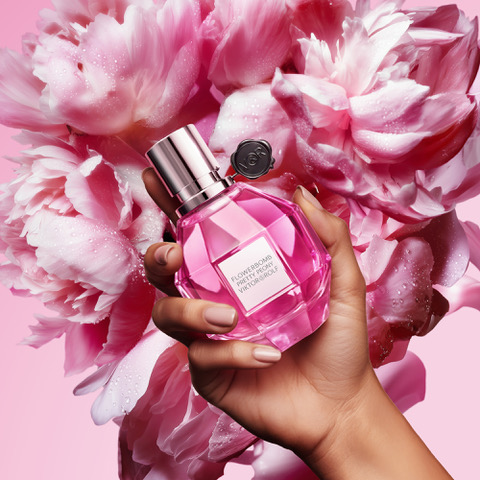
The iris is both a visually stunning flower and a critical, highly unique component of the human eye, with both interpretations—botanical and anatomical—offering features that make them powerful and unique. With over 300 variations, irises come in nearly every color—blue, purple, yellow, white, pink, orange, and black—earning them the name of the Greek goddess of the rainbow. Historically, the iris has symbolized faith, hope, courage, wisdom, and admiration. It has served as a powerful emblem for royalty through the French Fleur-de-lis, a symbol of protection in Egypt, and even as a “purple butterfly” in China. Its distinct structure, with three upright “standards” and three drooping “falls,” is specially designed to attract pollinators, while its roots, known as orris root, have been used for centuries in perfumes, remedies, and cosmetics.Modern perfumery continues to celebrate the iris’s mystique. L’Iris by Santa Maria Novella, for example, is inspired by both the goddess Iris from Greek mythology and the flower’s historic significance in Florence, where the iris has been an emblem of the city for centuries. Crafted with precious Florentine iris butter—derived from rhizomes that take years to mature—the perfume blends bright top notes of neroli and pepper with a warm, elegant base of musk and ambergris. It beautifully captures the iris’s powdery elegance while honoring its storied past, bridging mythology, history, and contemporary fragrance artistry.
Rose: The Most Iconic Floral Note in Perfumery
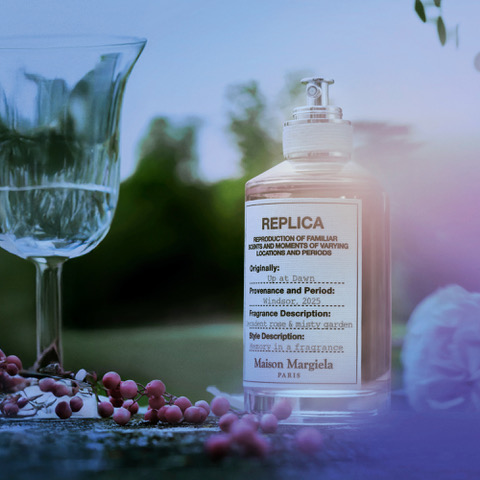
Lastly, of course it would be impossible not to include roses — you might not be a huge fan of them, since a lot of rose perfumes can come across as slightly mature, but there are masterpieces that deserve the hype. Roses are the timeless signature scent that have inspired myths, art, and perfumery for centuries. In Greek mythology, red roses are said to have sprung from the blood and tears of Aphrodite mourning Adonis, while white roses were born from the sea foam at her birth, symbolizing purity and beauty. Across cultures, roses have embodied passion, devotion, secrecy, and celebration. In modern perfumery, this rich lineage finds expression in fragrances such as Penhaligon’s Elisabethan Rose, where elegant rose accords are softened by warm, musky and woody layers that feel both refined and contemporary. Another iconic interpretation is Parfums de Marly Delina, which pairs luxurious rose with bright, fruity facets like lychee, giving the classic floral a luminous, playful edge. These scents show how the rose continues to evolve — not merely as a symbol, but as a signature note that bridges ancient lore with modern expression, romanticism with sophistication.
Why Floral Notes Still Define Modern Perfumery
Floral notes have already inspired countless fragrance masterpieces, each rooted in centuries of symbolism and cultural meaning. As perfumery continues to experiment with new ingredients and unexpected combinations, these iconic flowers remain a constant source of inspiration—ready to be reimagined, reinterpreted, and transformed into scents that feel both timeless and entirely new. I’m curious to see how the world of fragrances and scents will continue to evolve, giving birth to new creations and combinations, each ready to tell its own story.


