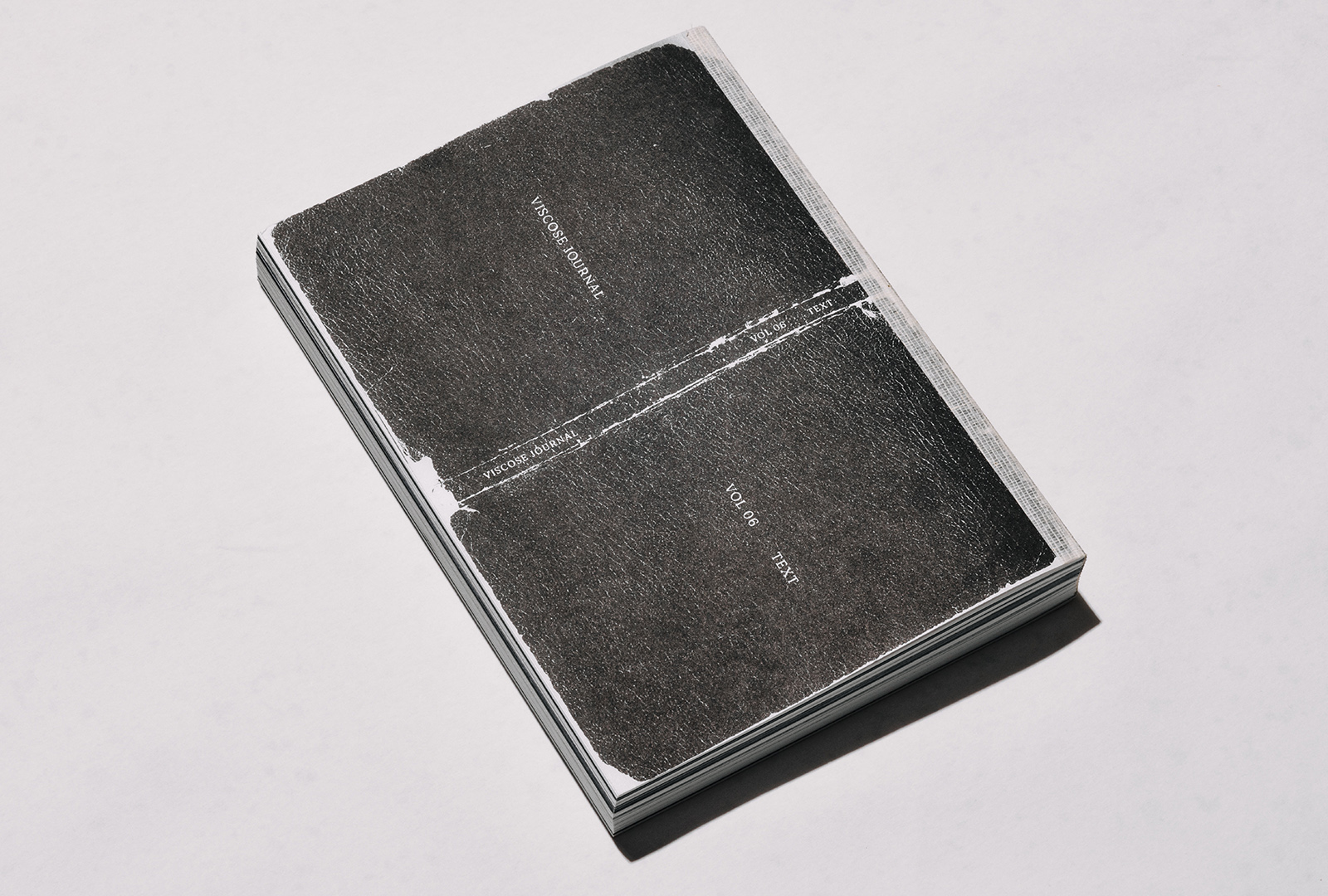
By Giulia Piceni and Rebecca Ceccatelli. Cover image: Viscose Journal vol 6: text. Courtesy of Jeppe Ugelvig.
Jeppe Ugelvig is a curator, historian, and cultural critic based in New York whose work spans contemporary art, fashion, and editorial practice. He views writing not as an accessory, but as a fundamental tool that shapes both exhibitions and concepts while providing a space for reflection and construction.
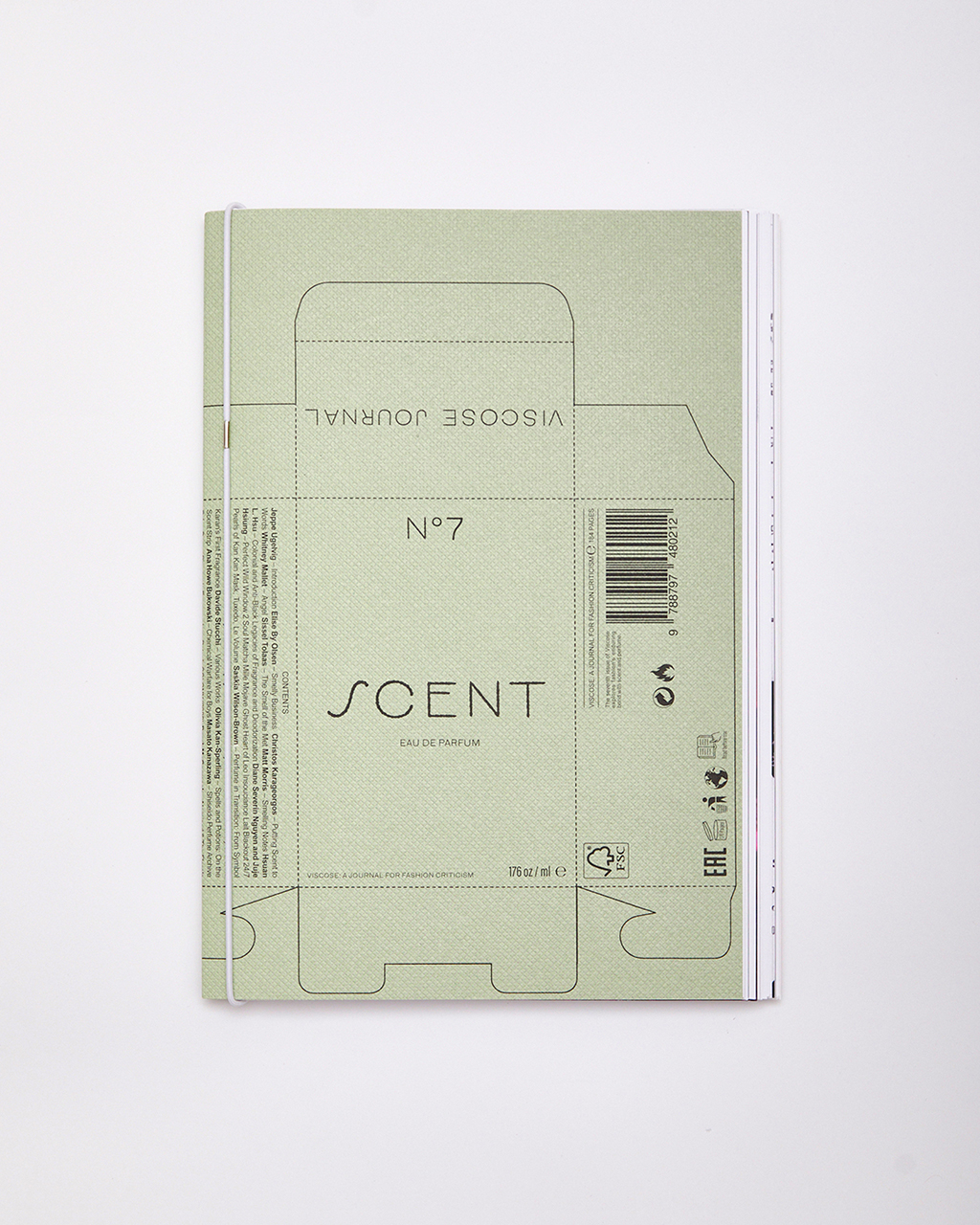
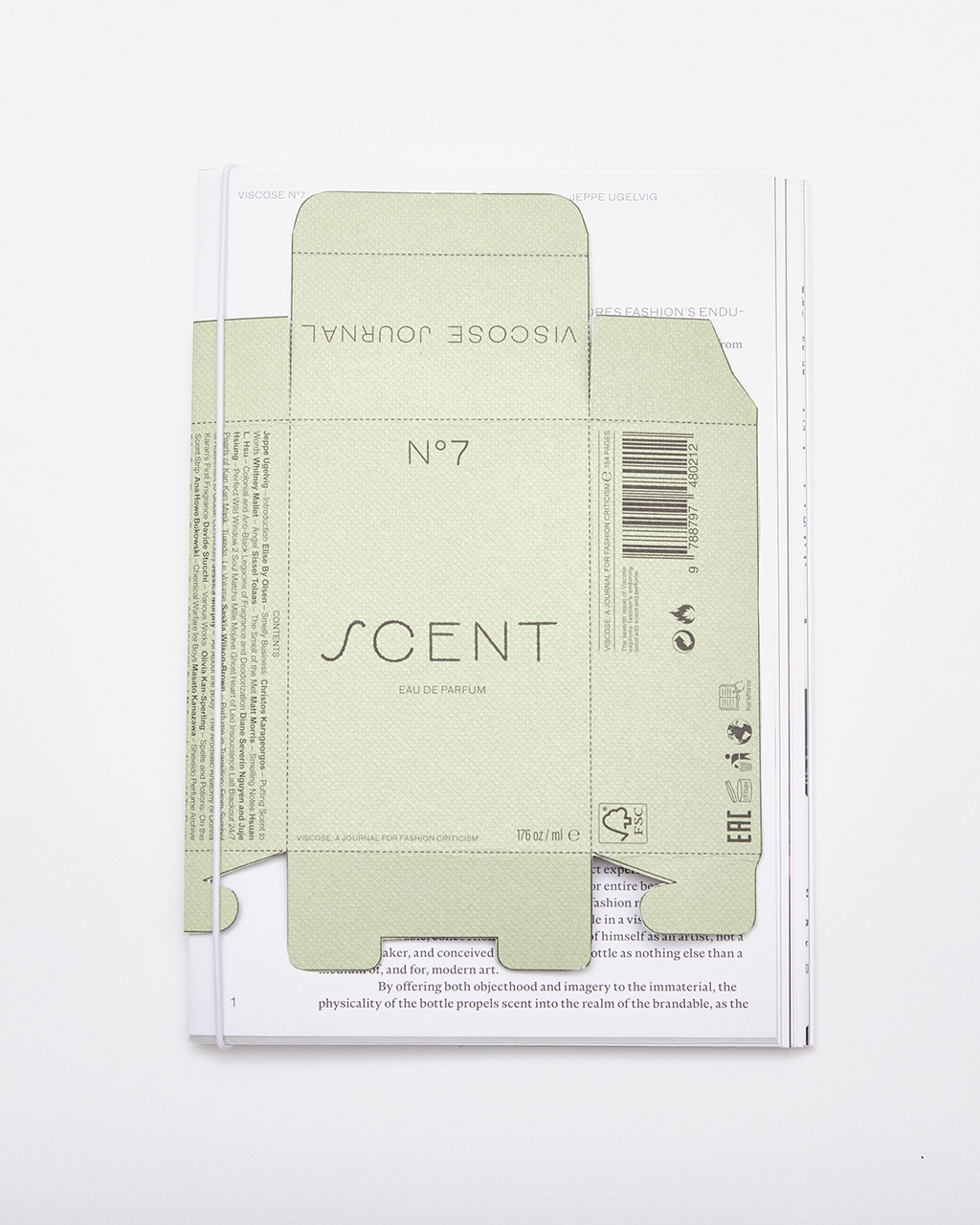
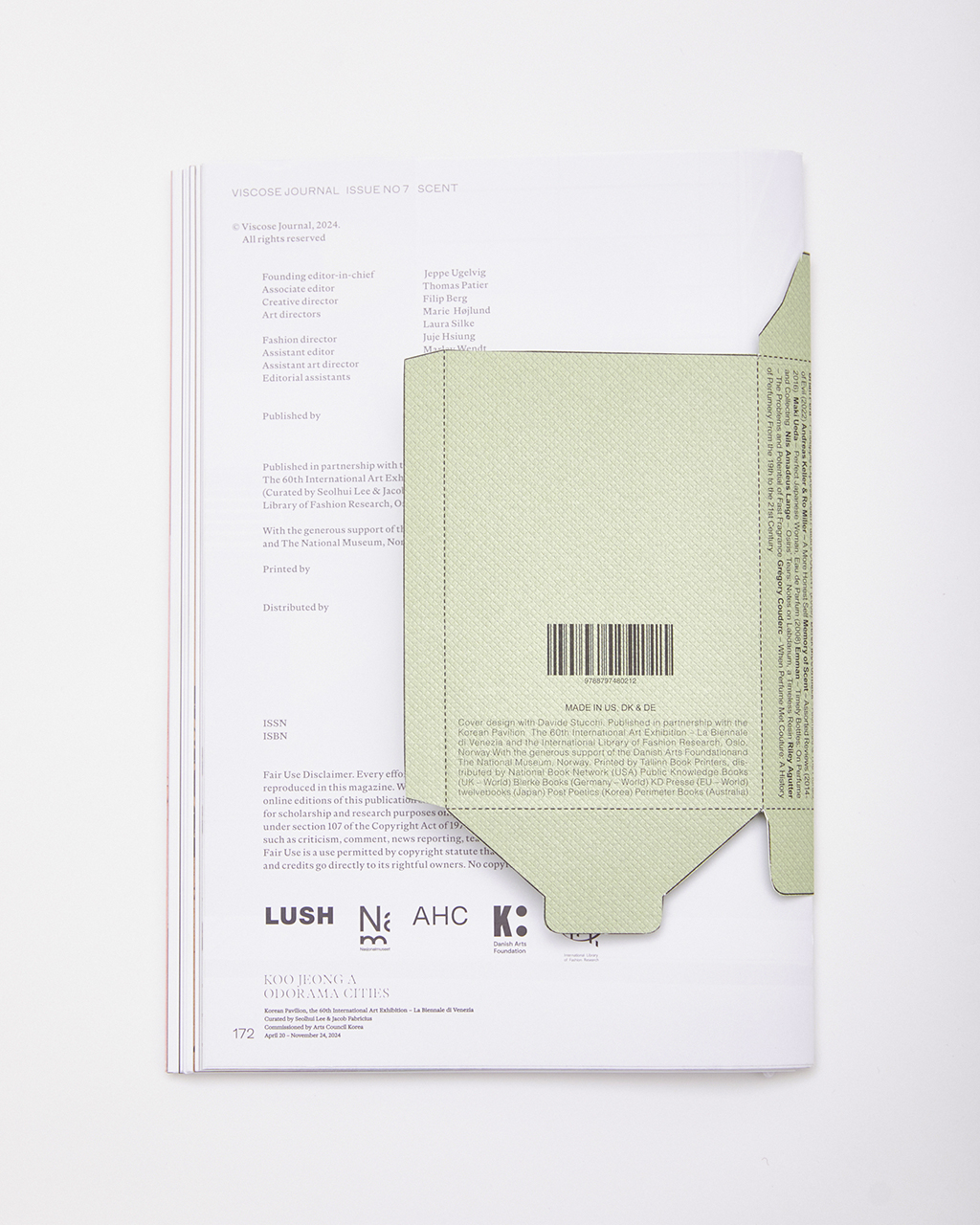
As the founding editor-in-chief of Viscose, a journal dedicated to fashion criticism, and the author of Fashion Work (2020) and Commodity Ecumene (2024), Ugelvig operates across formats and disciplines with a distinctive voice rooted in language. Whether in print or exhibition spaces, he regards text as an essential medium that informs curatorial thought and frames cultural analysis.
In this conversation, Ugelvig discusses the literary foundations of his curatorial practice, the evolving function of writing in the field of fashion, and how language can embody care, attention, and intelligence in its own right.
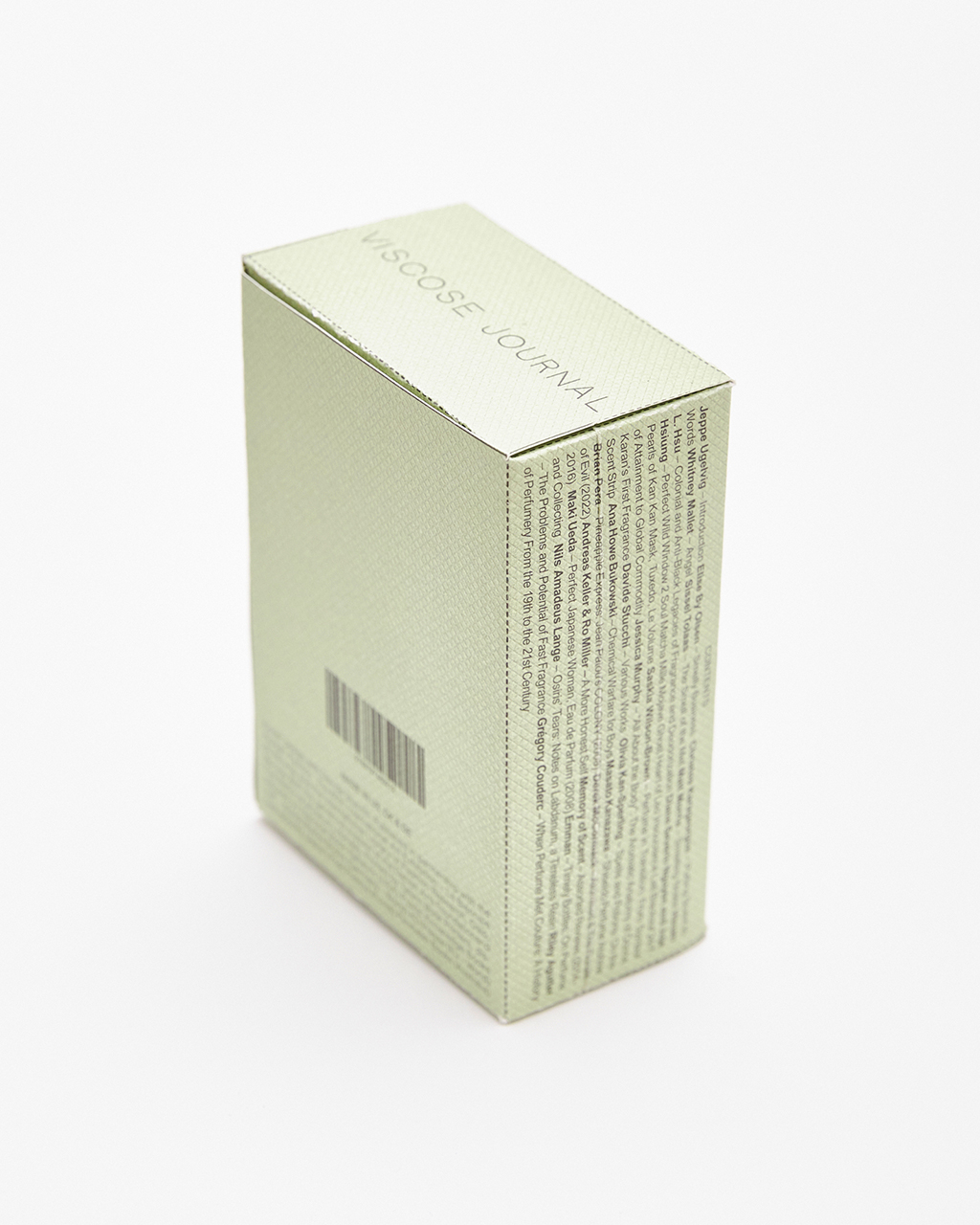
Jeppe Ugelvig: Writing Before Curating
Written words play a central role in curatorial practice. A curator, you describe, narrate and combine concepts in both fashion and contemporary art. When did you realise that words would become an important form of self-expression for you? Which text has had the most significant impact on your curatorial practice?
Before becoming a curator, I was a writer, and I still think of exhibitions in terms of words on a page. I am not sure if this is the most efficient methodology, but it is the only one I am familiar with. I have wanted to write since I learned to read, and in that sense, every text is transformative.
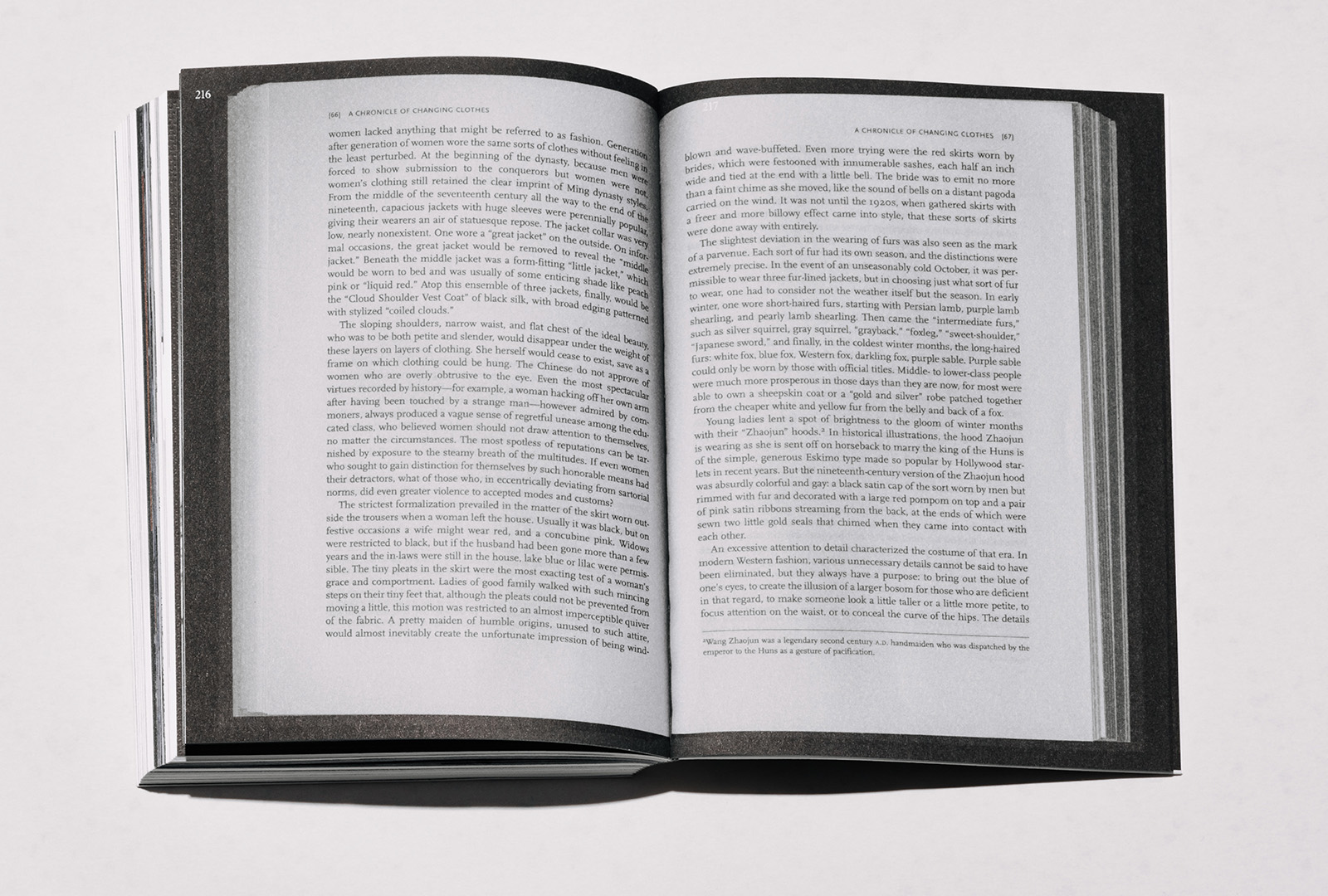
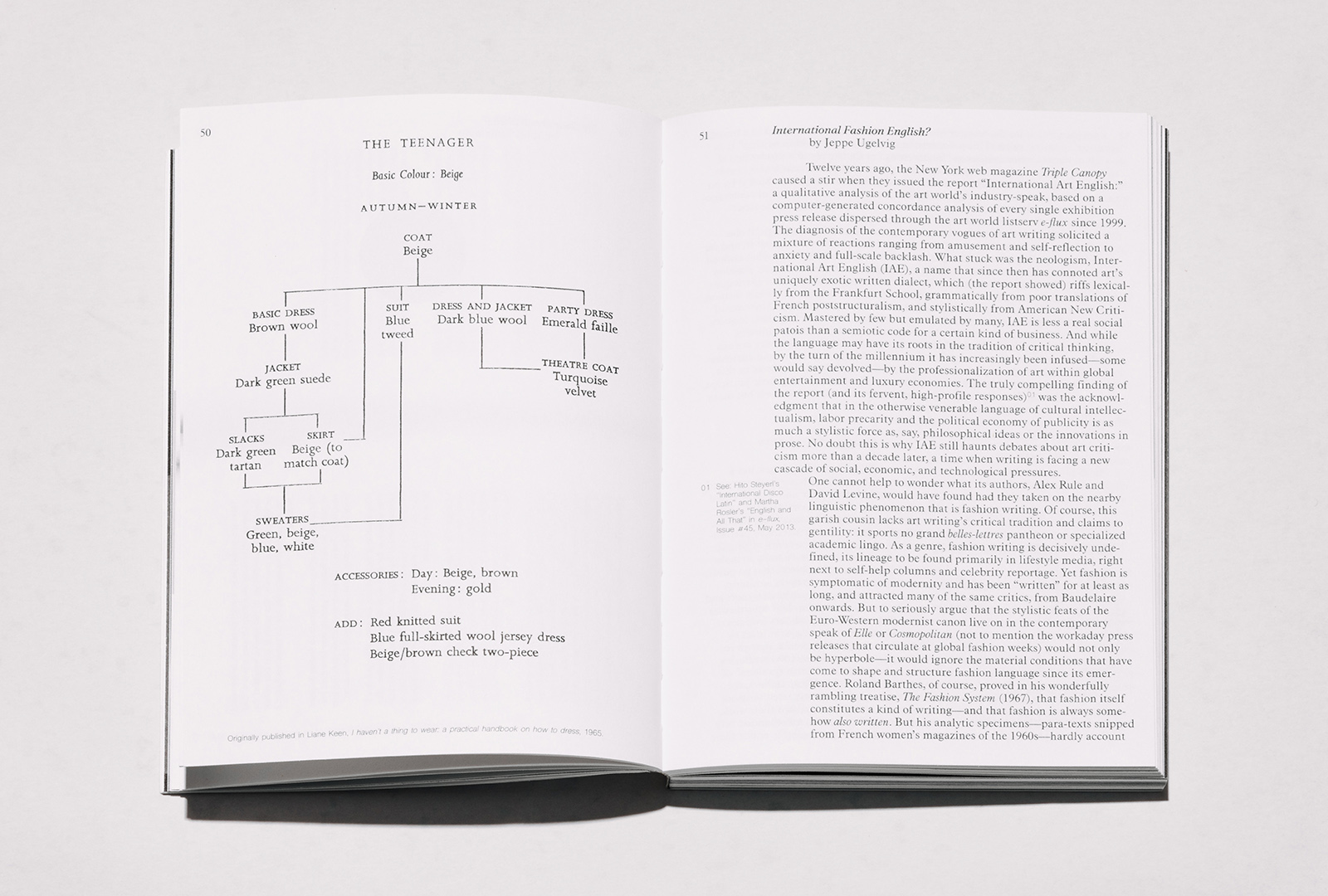
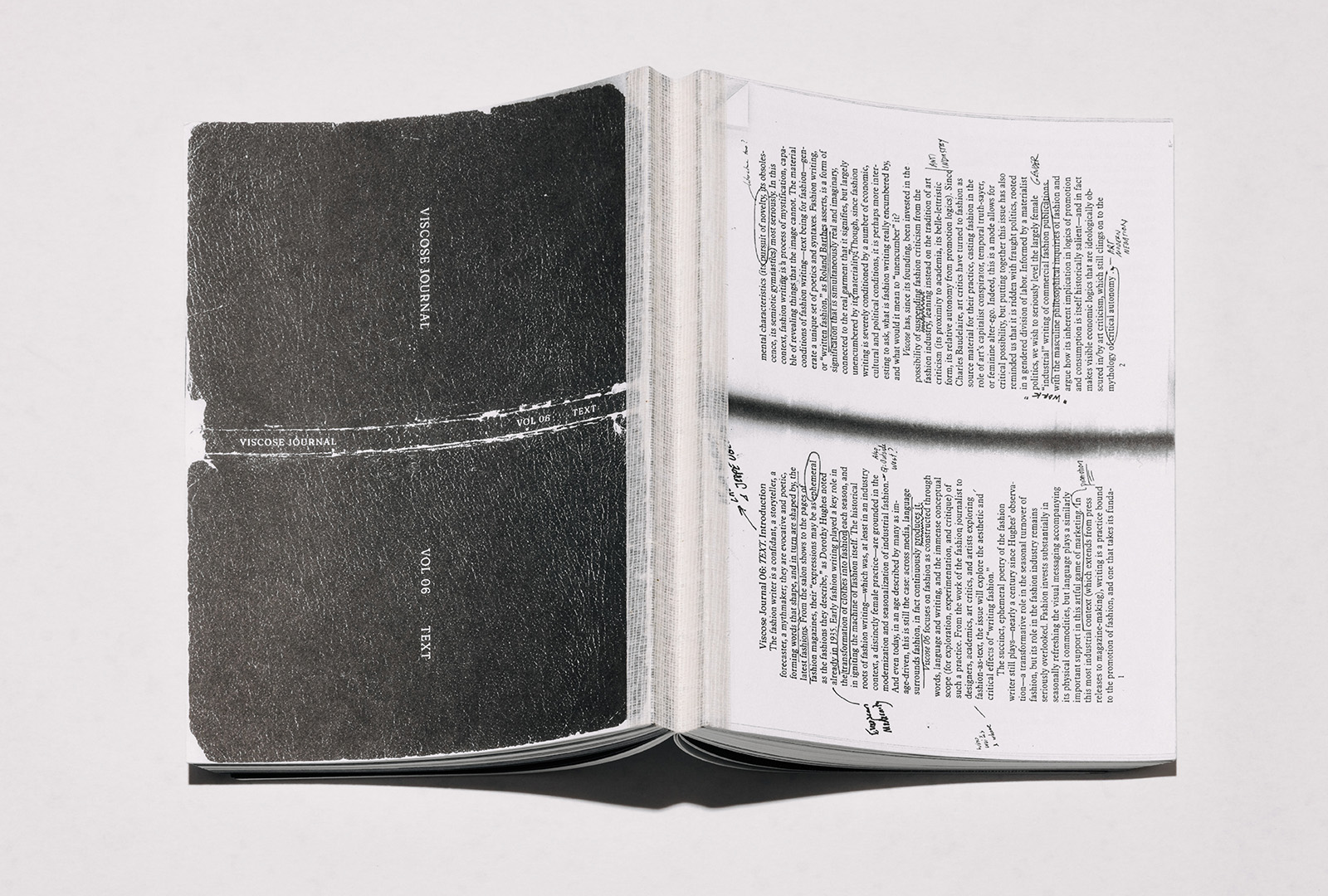
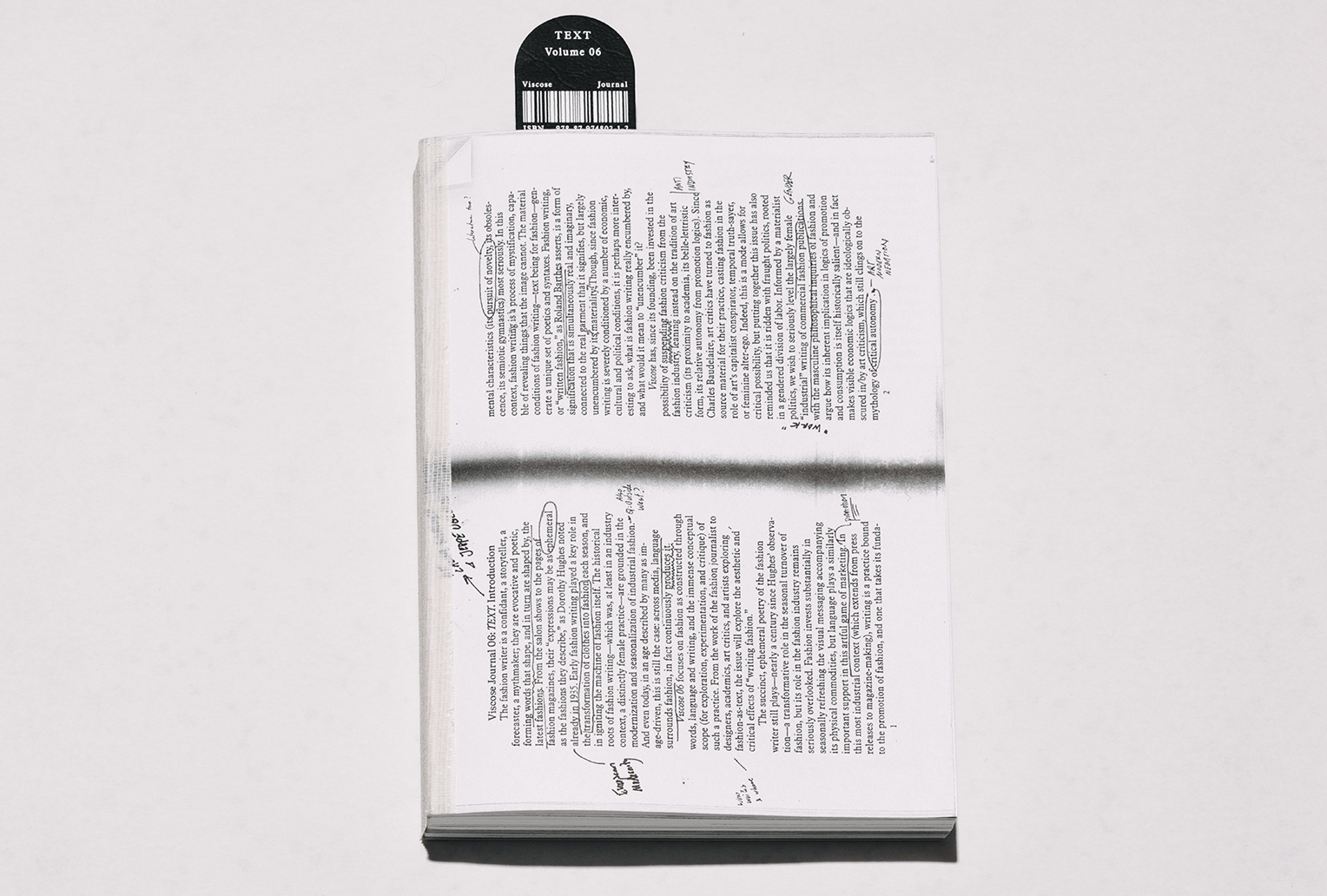
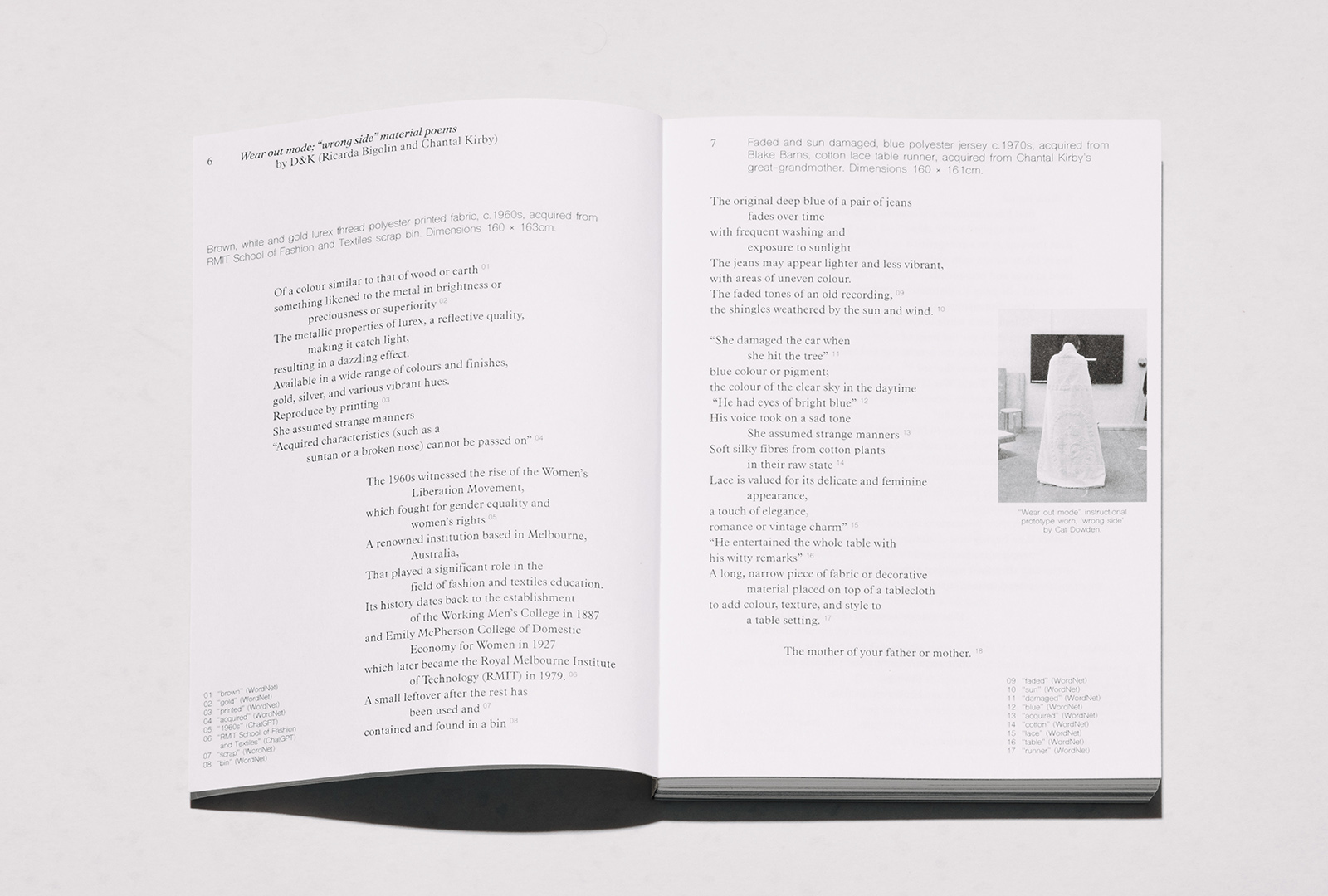
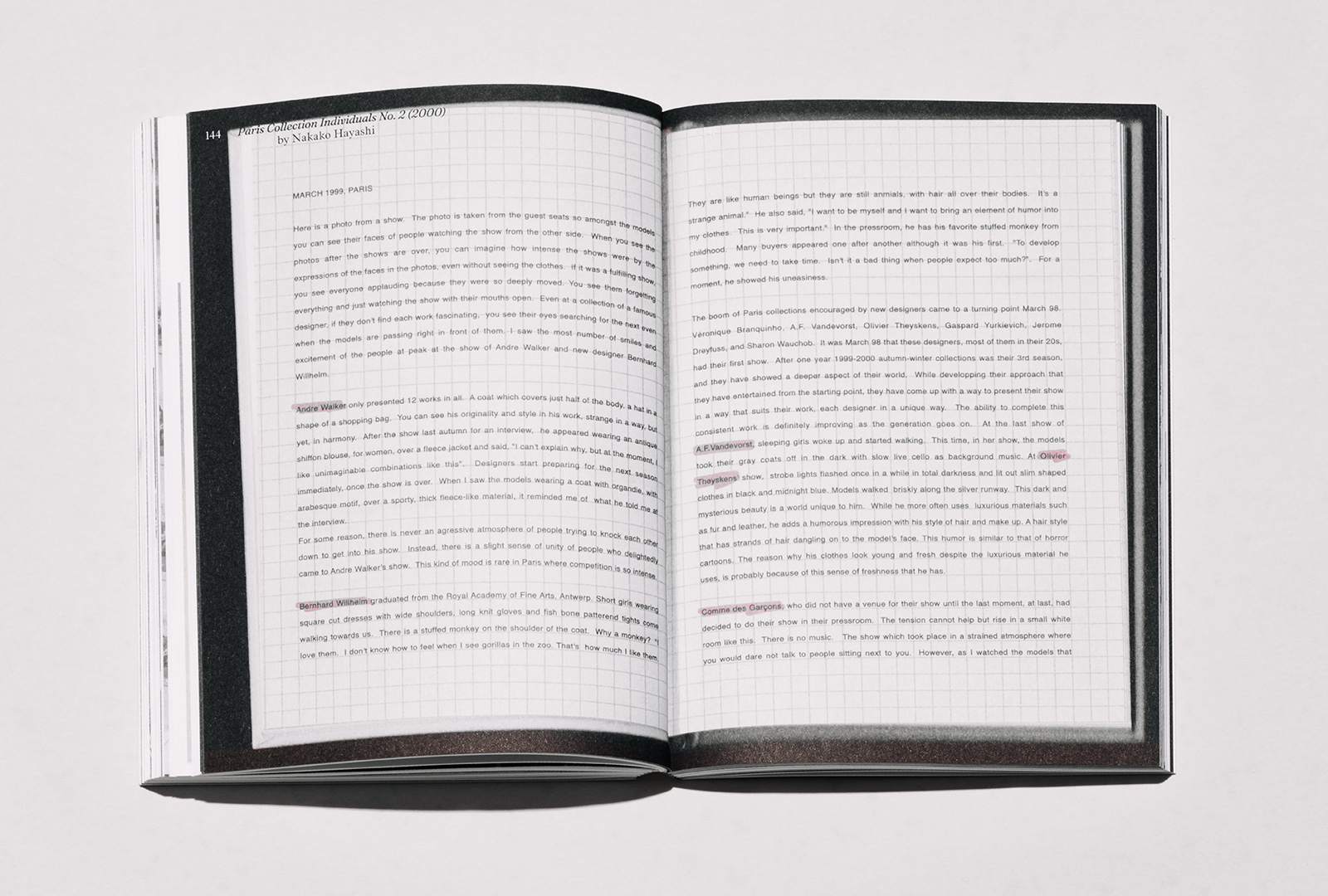
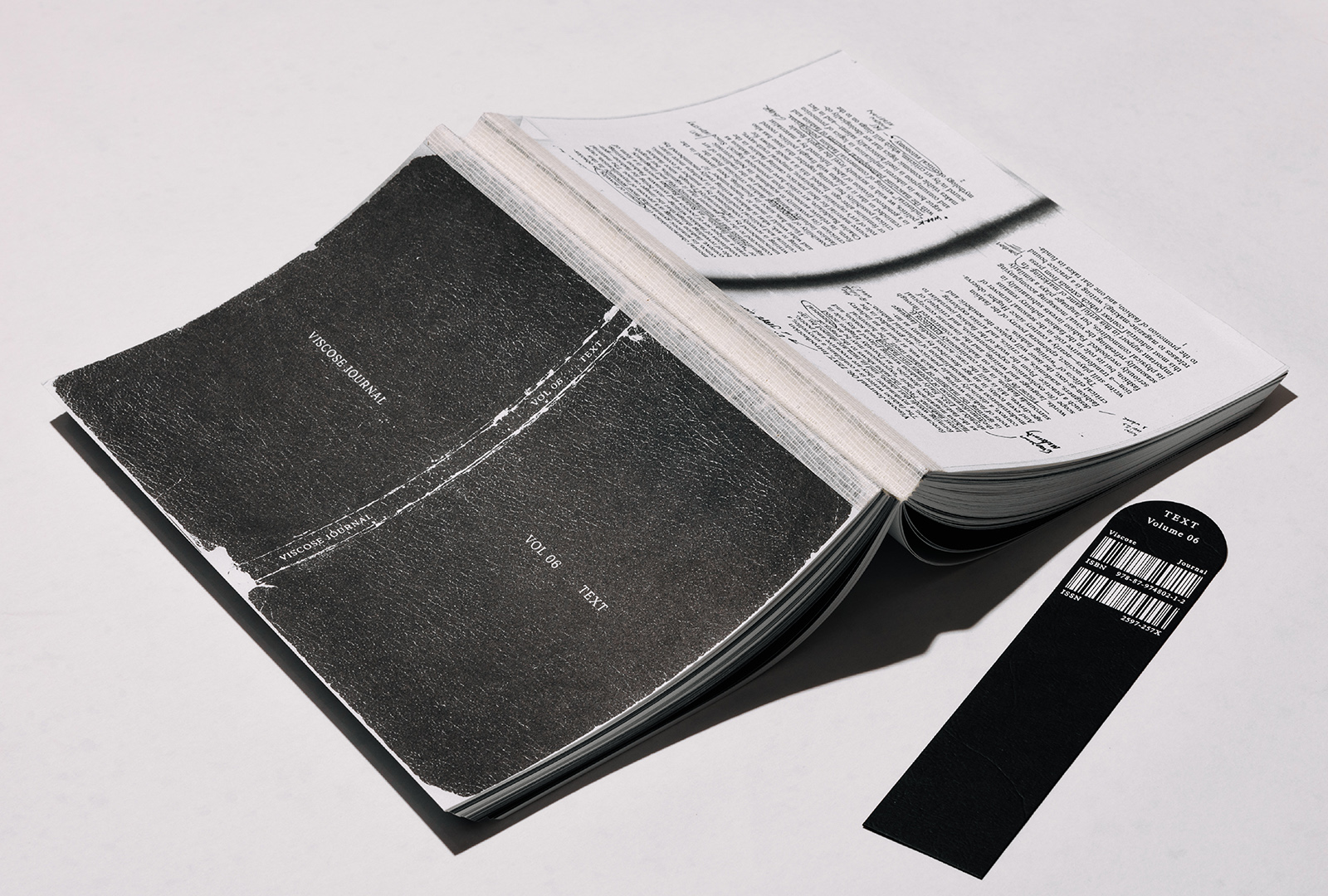
Reading as Ritual, Jeppe Ugelvig’s mantra
If you had to describe any rituals or routines that help you engage in creative writing, what would they be?
I read well-crafted writing. My own writing emerges from mimicking others, so I’ve learned that my best work comes from reading great literature. It doesn’t matter if it’s academic, fictional, or journalistic, as long as it resonates.
Word Obsessions and Fixations
Do you have a favourite word that frequently appears in your writing? Is it a word that you obsess over or one that you try to avoid?
I tend to fixate on certain words and use them excessively, which I later regret. Fortunately, I eventually move on from them.
Fashion Criticism and the Role of Text
In the magazine Viscose, where you serve as the founding editor-in-chief, you explore new possibilities in fashion criticism. What is the role of text in fashion today?
Much like it has always been, text wraps clothes, images, and people in meaning. It provides a means of reflection.
Bridging Fashion and Art Writing
Do you approach fashion and art writing in different ways?
My primary goal as a writer is to avoid approaching them differently.
Text as Curatorial Care
What do you think is the role of text in the contemporary curatorial field? How can text serve as a form of “care” in its own right?
I think text is important, but it is often misused. While text may be a part of exhibitions, it can also detract from them. Many exhibition-goers feel there is too much text in shows. Care is only appreciated when it is needed.
Intelligence and Expression
Have you ever thought of text as a form of intelligence? What does intelligence mean to you?
Text is one form of expressing intelligence, among many others.
Creativity Across Intelligences
How can different types of intelligences (natural, artificial, human) collaborate creatively?
It depends on how creativity is understood.
A first version of this interview was published in Title(s), I’M Firenze Digest first printed edition, published for TEXT(S)TURE(S), Istituto Marangoni Firenze Fashion Show 2025.


