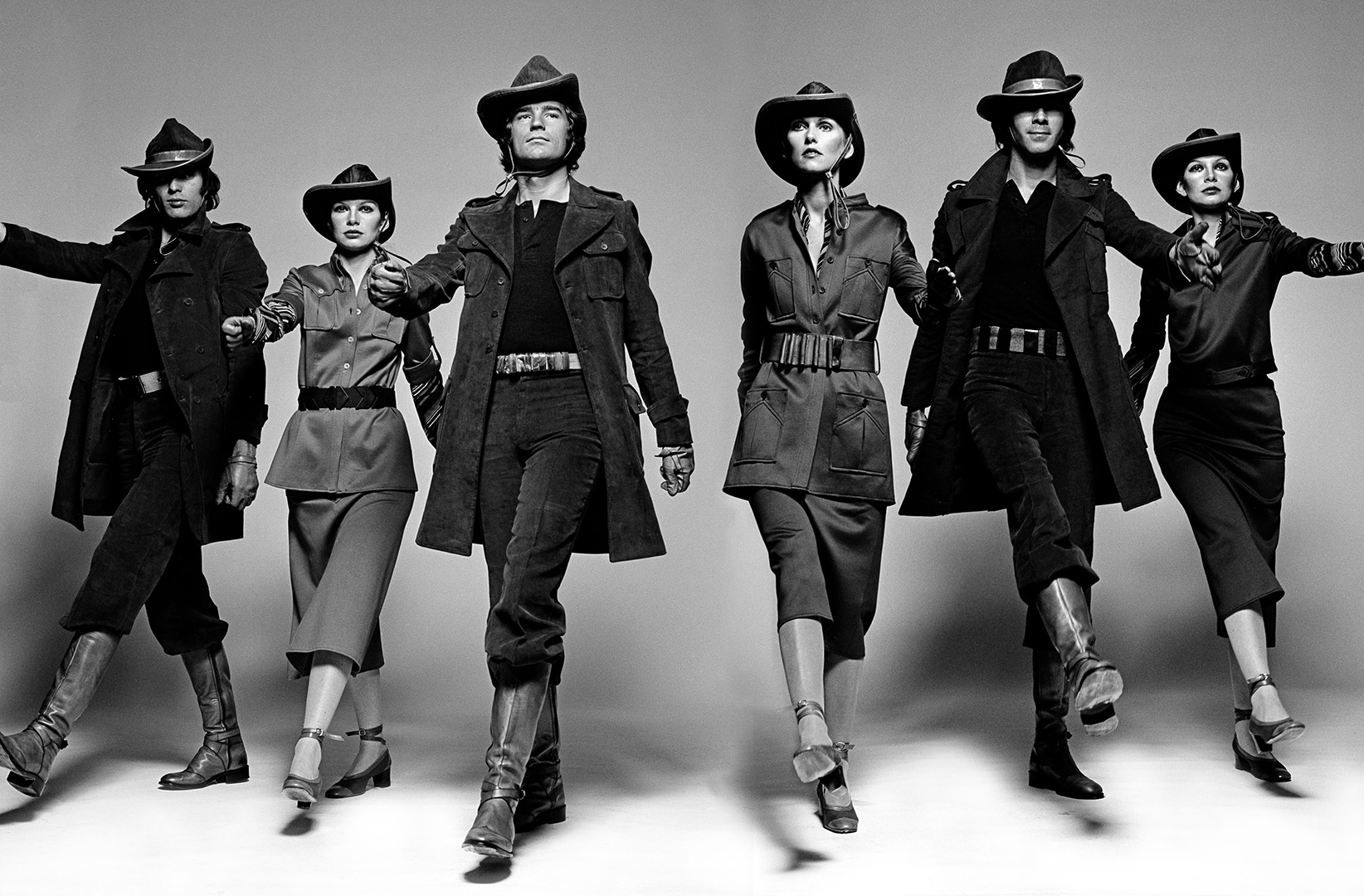
By Rebecca Ceccatelli. Cover image: Vogue Italia, april 1971. Collection F/W 1971, Walter Albini for Montedoro. Courtesy of Archivio Alfa Castaldi.
Walter Albini was a revolutionary talent.
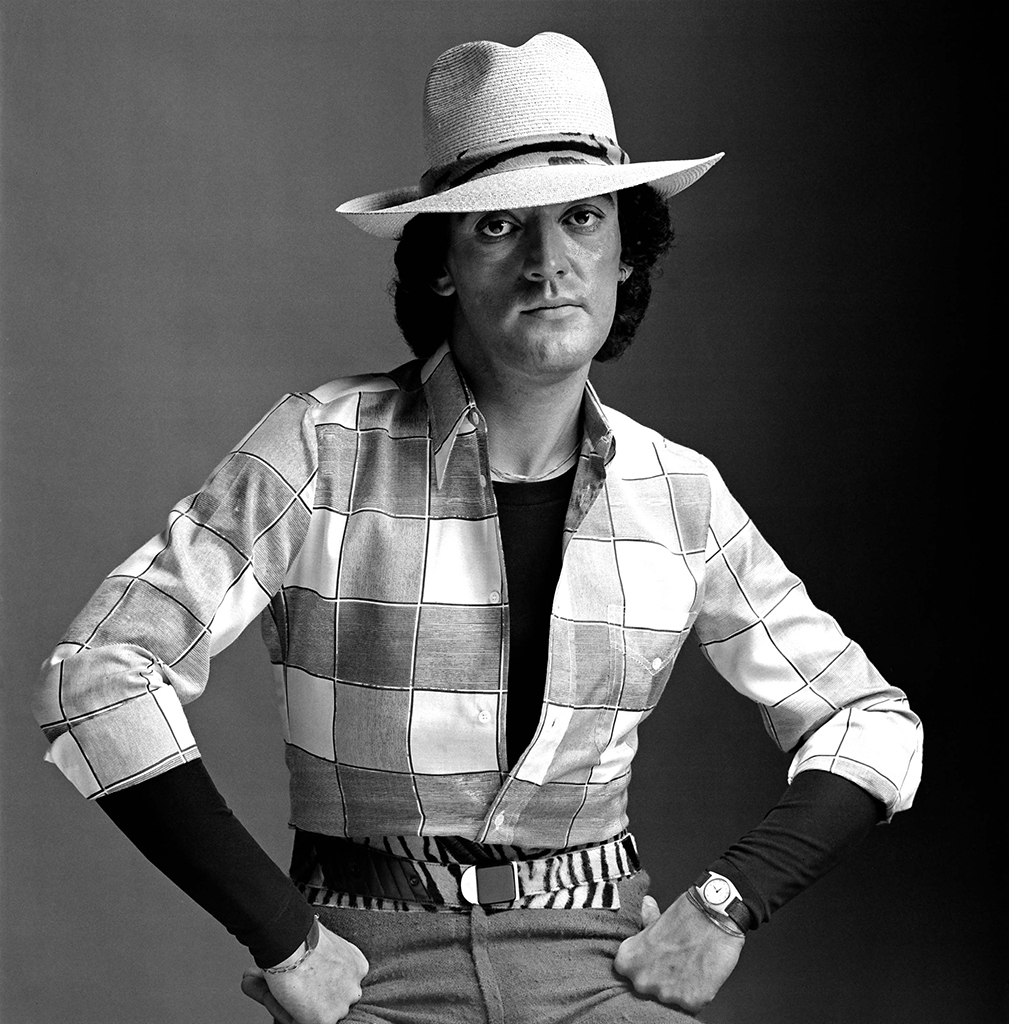
In the dim light of an atmosphere untouched by any ray of sunlight – some even complained that it was too dim – a detail sharply penetrated through the shadow, shining all attention to itself: sometimes hidden beneath a white straw hat, the contemplative gaze of two sunken eyes and a suggestive stone-faced demeanour recurred within the rooms of the Museo del Tessuto of Prato. The figure of Walter Albini narcissistically and honourably steals the spotlight in the new setup of the Prato museum in an all-encompassing and well-documented portrait of the designer who revolutionised the rules of Italian ready-to-wear with unconventional collaborations.
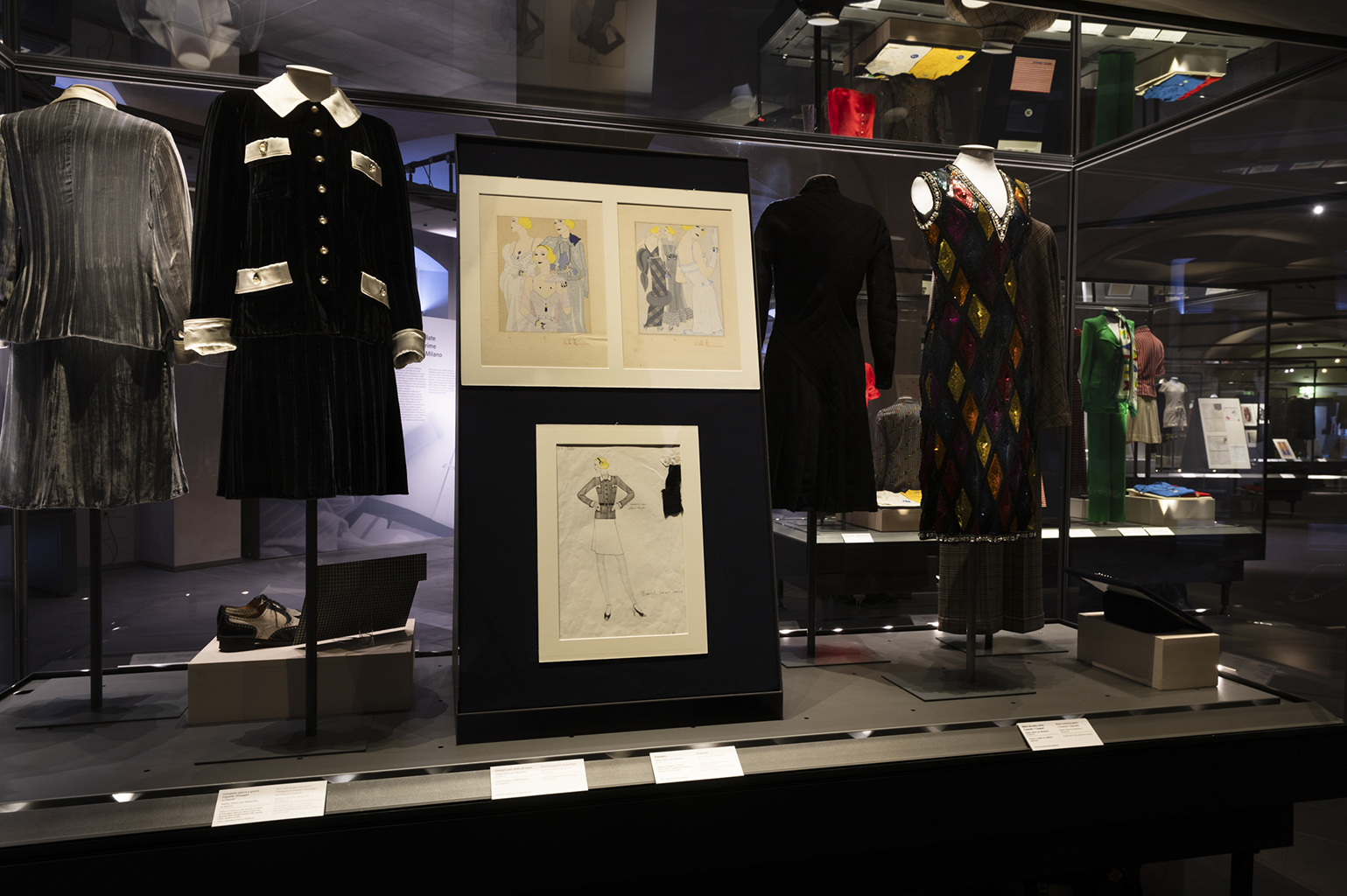
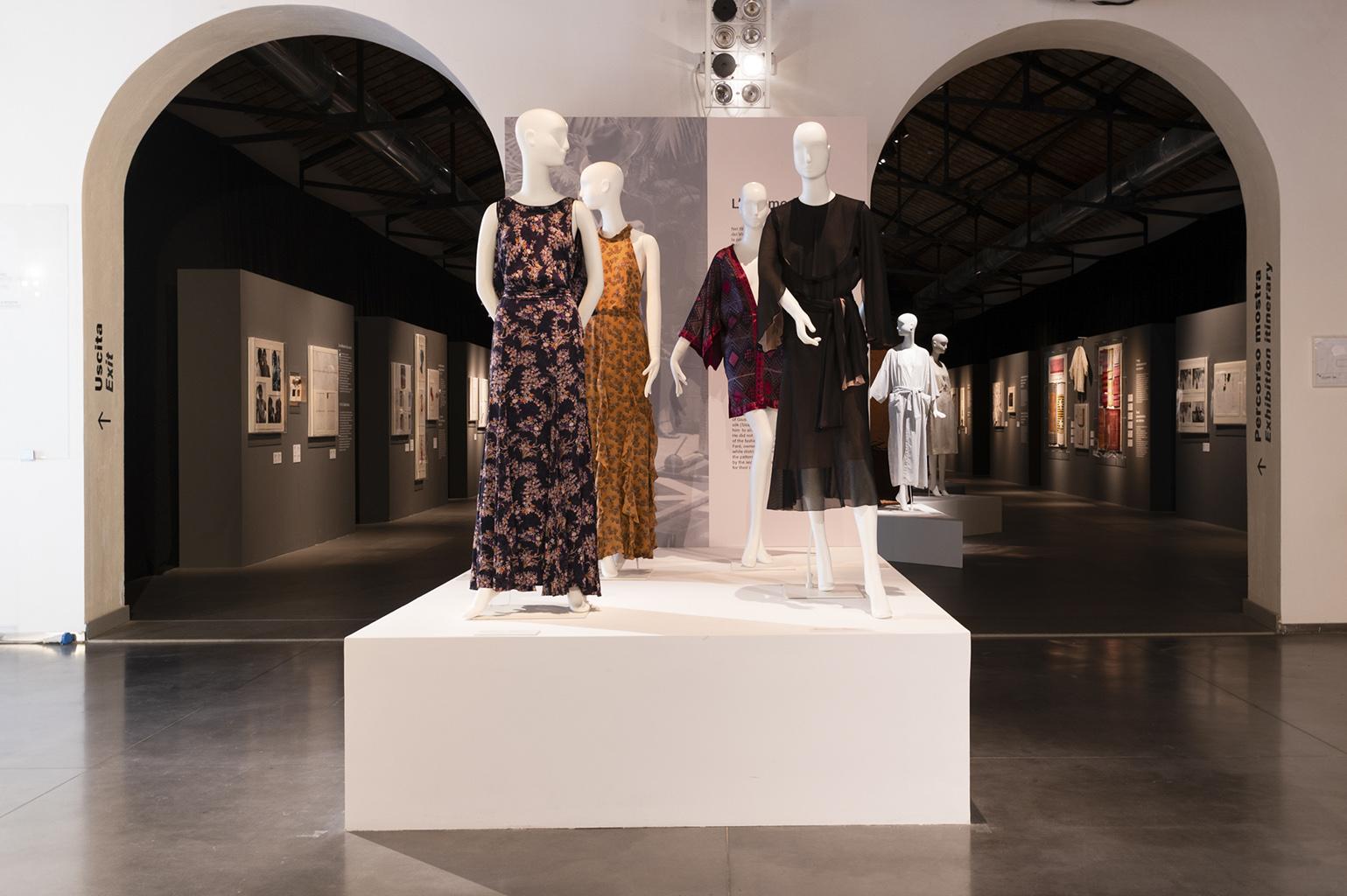
This is Walter Albini: the Talent, the Designer (open until September 22). The most comprehensive exhibition ever created around the fashion pioneer who fell into obscurity and was rediscovered years later, revealing him as one of the fathers of Made in Italy fashion. Now complete with over 1700 items, including jewellery, sketches, drawings, photographs, documents, books, clothes, and fabrics, the retrospective is the result of meticulous archival research by the curators Daniela Degl’Innocenti and Enrica Morini and assistants, whose dedication is evident in every thread of fabric, from cotton to jersey.
Get ready for a journey behind the curtain, where you’ll discover a true time capsule from the 1960s to the 1980s. Experience the nostalgia of a bygone era – a journey you won’t want to miss. Bon voyage!

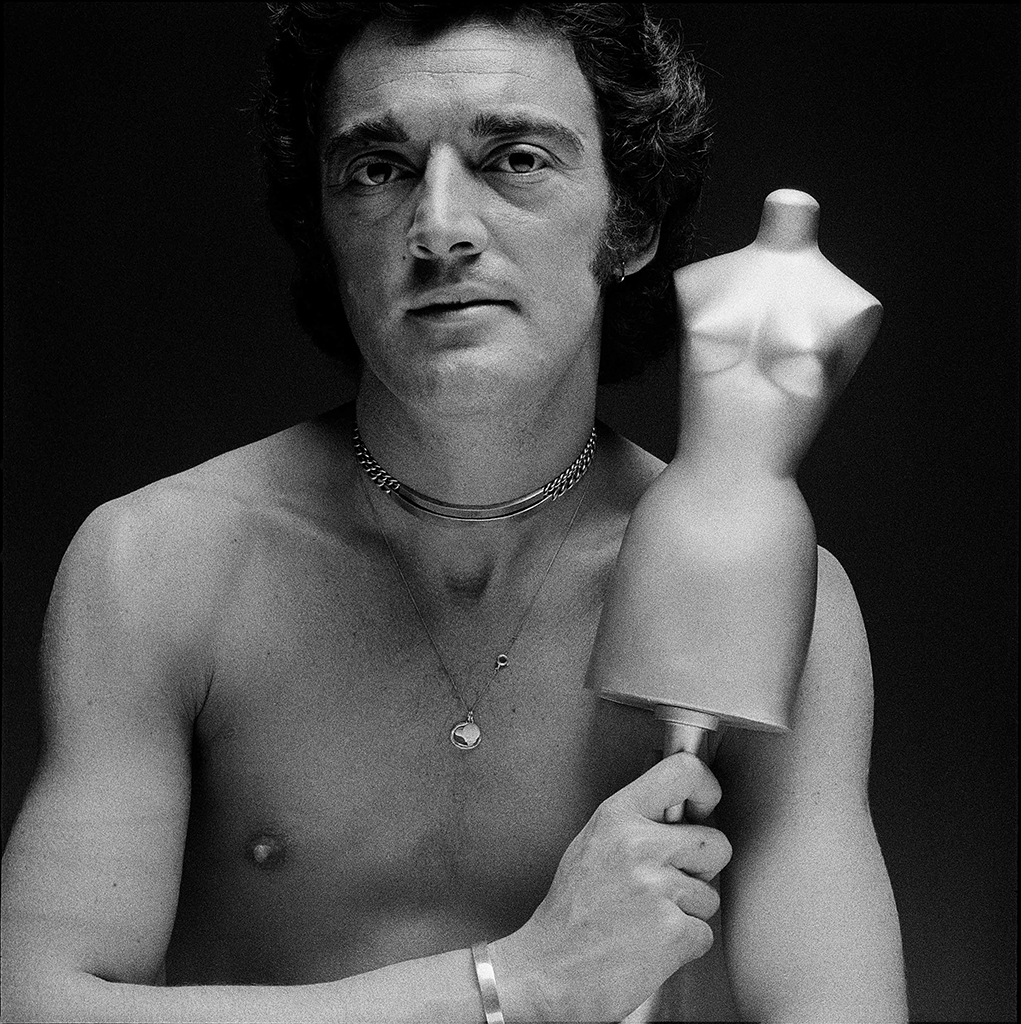
Walter Albini, his fashion is his lifestyle. The early days of a fashion acrobat
Behind every great creation, there’s a skilled hand that knows how to flow into the space of paper. If the way you start the morning determines the rest of the day, it was certainly an astonishing sunrise.
The time capsule takes nothing for granted and delves into history from the very beginning. Step by step, in the mysterious playground of lights and soft spotlights, the gaze barely has time to explore before it is drawn to a jumble of lines. With confidence, fashion illustrations come to life on ivory sheets where colour reminiscent of Japanese ukiyo-e resonates with a gothic cloisonné technique.
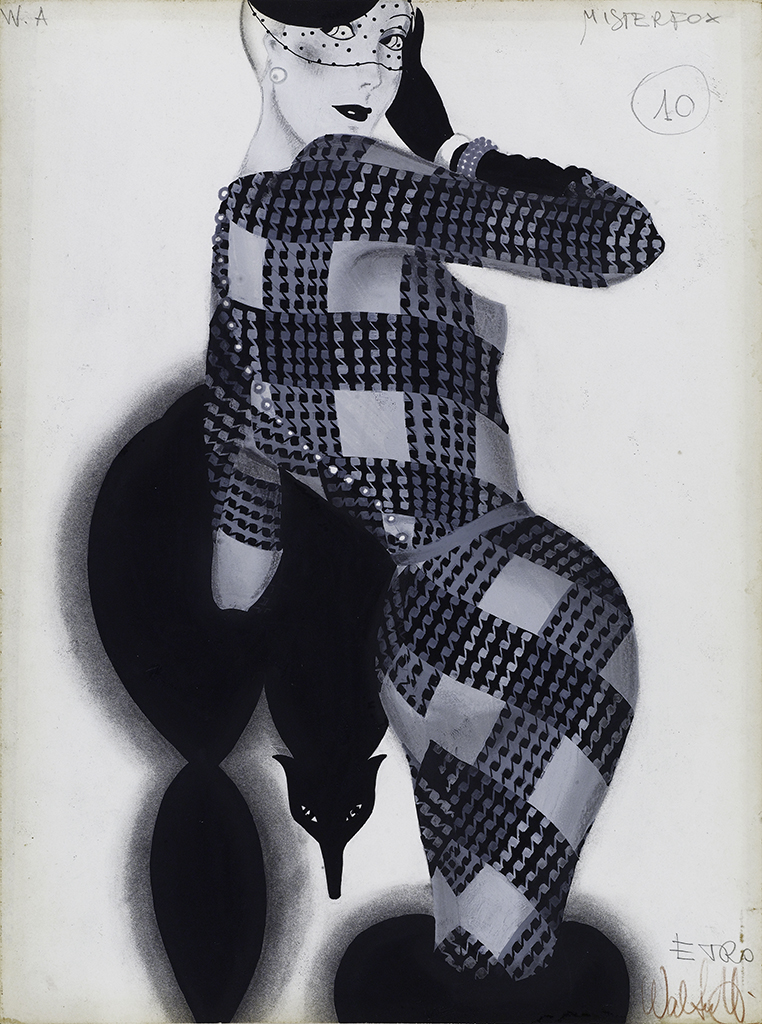
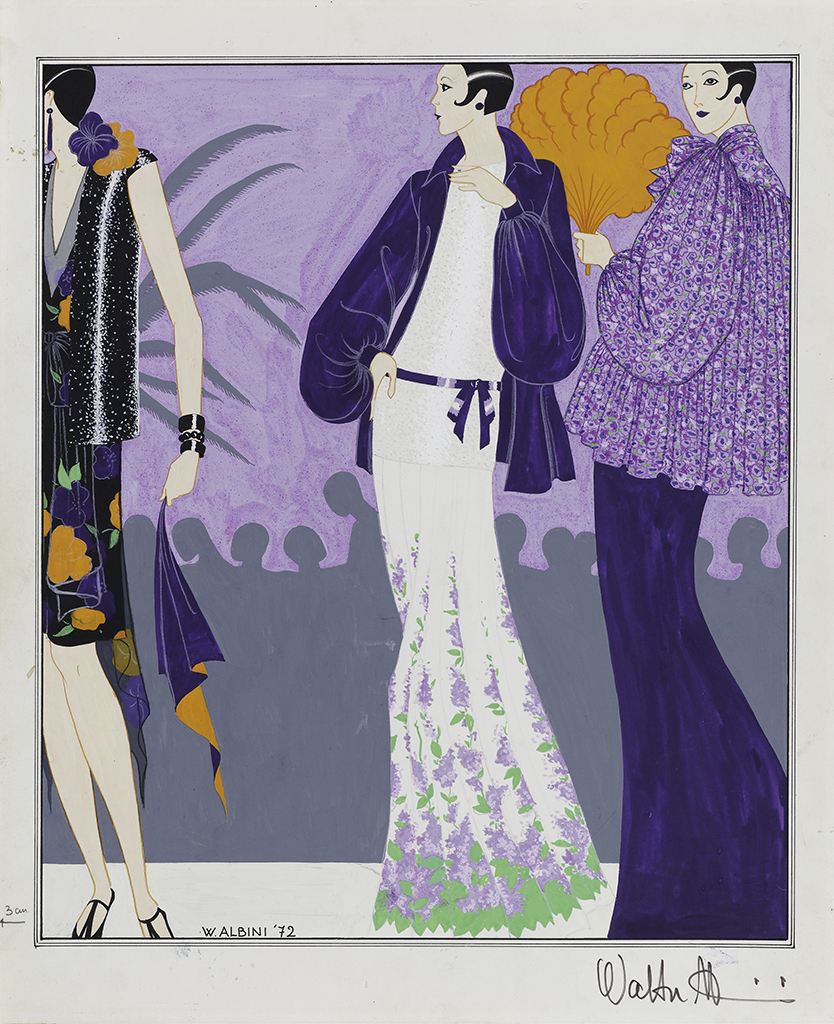
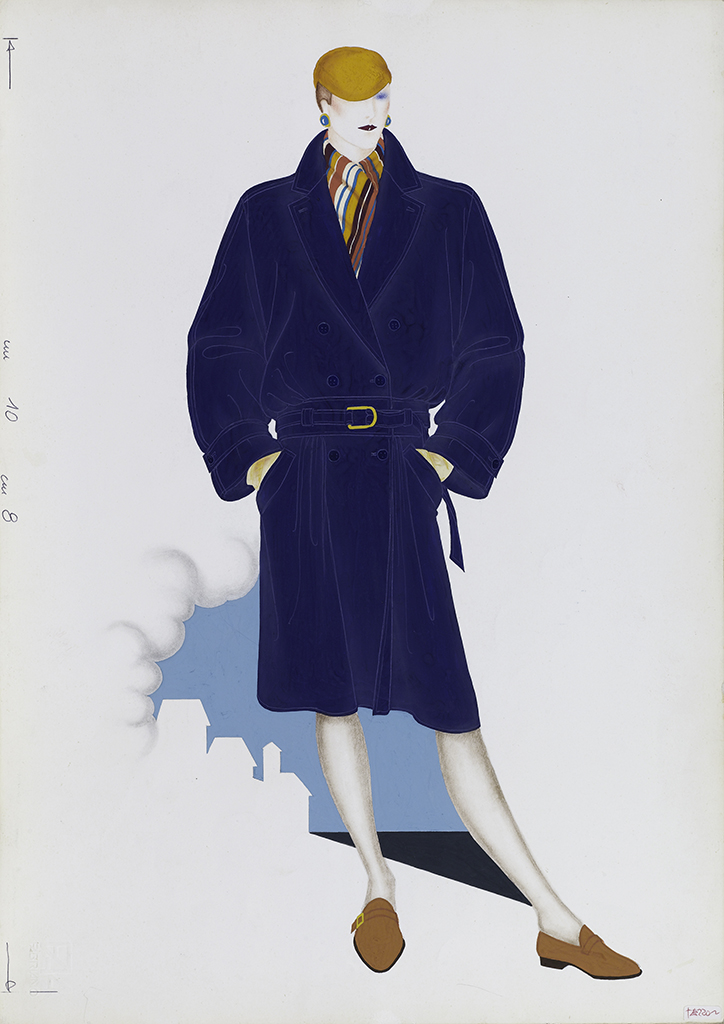
In the 1950s, Walter Albini ventured alone – almost as a natural calling – into the first female school in Turin dedicated to fashion illustration and design. There, his early sketches quickly gained recognition, finding their place in fashion magazines such as “Mamme e bimbi” and “Vanità”, Albini’s talent was in demand not only in Turin but also in Rome and Paris. This marked a time of vibrant hues and enduring harmonies that remained with him like loyal companions throughout his career, just as for the entire timeline of his exhibited work, which consistently offered the initial visualisation of a collection on paper, completing the overall perception of the outfits on display.
But if everything stemmed from a pen, Walter Albini’s talent truly began to shine through in his first real collaborations with established knitwear brands and labels that needed the Albini method: communicating to the masses by liberating the industry from mundane repetition and literally putting himself at the centre. His fashion was his lifestyle. His houses matched his fabrics. His personality was reflected in the bold colour of his designs.
First with Krizia, then Cadette, and immediately after with Billy Ballo in Crociera, Polaroid of Montedoro, Paola Signorini and Annaspina, Albini emerged as the new protagonist at Pitti and Maremoda Capri. His creations ranged from clothing to accessories and jewellery, swiftly showcasing the versatility of a visionary mind that left no detail to chance. It’s no coincidence that Albini stood out among the jewellery box of Italian fashion in the 1960s, thanks to the authentic completeness of his total looks that only his personality could confer.

“If everyone can’t get it, I don’t want it”. Ready to be worn? Prêt-à-porter
Prêt-à-porter, literally ready-to-wear, was ready to enter our wardrobes. It was ready to catwalk down the street to work in totally new, accessible, yet fascinating pieces of extraordinary collections.
What could be more appealing than a collection that is not just stylish but also accessible? This is the concept that Walter Albini began to explore after ending collaborations with magazines. He desired to bring his drawings to life in tangible, diverse collections—true hybrids of the Made in Italy style.
Albini not only turned prêt-à-porter into his own art form but also ushered in a new era of complete experimentation.
“For me, every garment holds a story – one of love, anger, or violence. Each piece of clothing is a moment, a person, a place, and every garment has its role, like in theatre. To change clothes, you have to change your attitude and spirit and step into a new ‘role.’ Every time, every season, every collection,” he expressed to Anna Piaggi for Vogue Italia in 1978, remaining as relevant as ever.
The ambitious project of bringing designs to life through the involvement of multiple parties began when Walter Albini partnered with the distribution powerhouse FTM. This innovative collaboration afforded Albini the freedom to create designs entirely of his own while entrusting production to five distinct companies, each specialising in different garments. This ensured a seamless fusion in the final look. In the 1970s, Misterfox became the ultimate ally for evening wear, Callaghan for jersey, and Diamants for shirting – all under the signature of “Walter Albini for …”.
However, during the 1970s, Florence lost its central position in the fashion world, which it had gained with Giambattista Giorgini, and Milan emerged as the new fashion capital, pushed by the influence of prominent figures like Krizia, Ken Scott, Missoni, and, of course, Walter Albini.

Walter Albini was a master born under the sign of Pisces
“Extremely fragile”. The designer would have defined his personality as such. Deeply obsessed with astrology, Walter Albini created things only for the people he loved – meaning, himself, like a true Pisces born in March with Gemini rising.
The museum’s staircase serves as a gateway not only to a higher floor but also to a higher fashion realm: haute couture. In this world, Albini dove in headfirst, embodying a decadent dandy living a life directly from The Great Gatsby.
In his pursuit of self-expression, the designer delves into the extremist movements of the Years of Lead and incorporates the balaclava into high fashion. Bold geometric patterns adorn the fabric and provide structure to garments that are genderless and one-size, with a clear nod to the Orient, culminating in stateless jewellery. The clothes speak volumes through evocative colours and writings on t-shirts, perhaps hinting at Maria Grazia Chiuri’s “We should all be feminist” slogan. Albini envisioned an outfit for every occasion, from safari jackets to Carnival masks and aviator glasses, mirroring his adventurous life in his art—a testament to his refusal of financial influence, safeguarding his “freedom to experiment.”

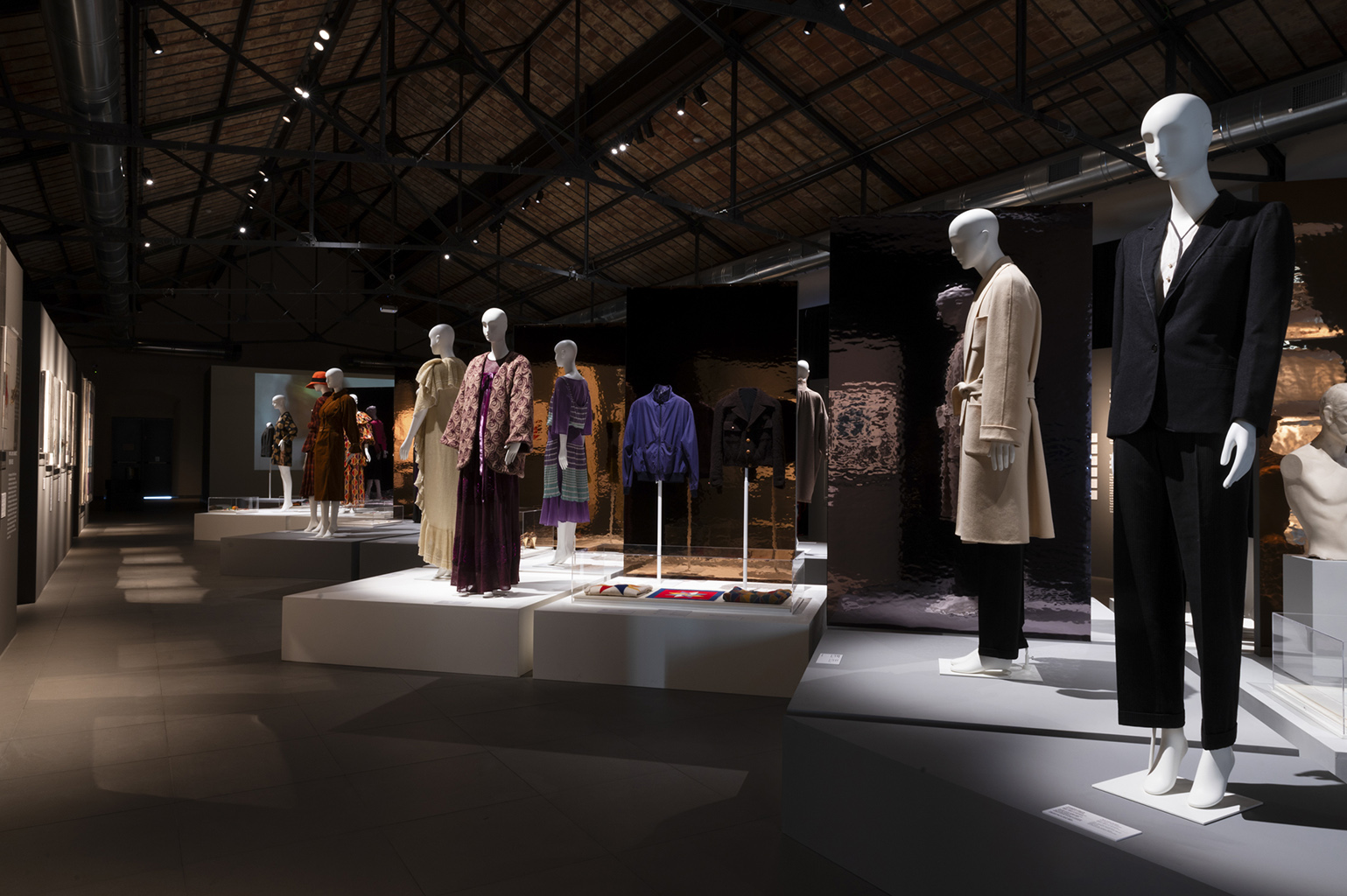
It has been 40 years since his untimely death, and 40 years since Time magazine defined its “Person of the Year”, relegating those who weren’t chosen to oblivion. Through majestic archival research, the designer is now rediscovered, shedding light once again on the face of the revolutionary figure who inspired many of our great names without even having the chance to be acknowledged for that.
However, the mission would only be deemed complete with the participation of those who will take part in it, crossing the threshold of the time capsule that the curators have reopened after years of burial.
Perhaps you will discover that even you, without realising it, can recognise yourself in Walter Albini more than you had imagined, and you will be able to say, “I was wrong. I knew this man more than I believed”.


