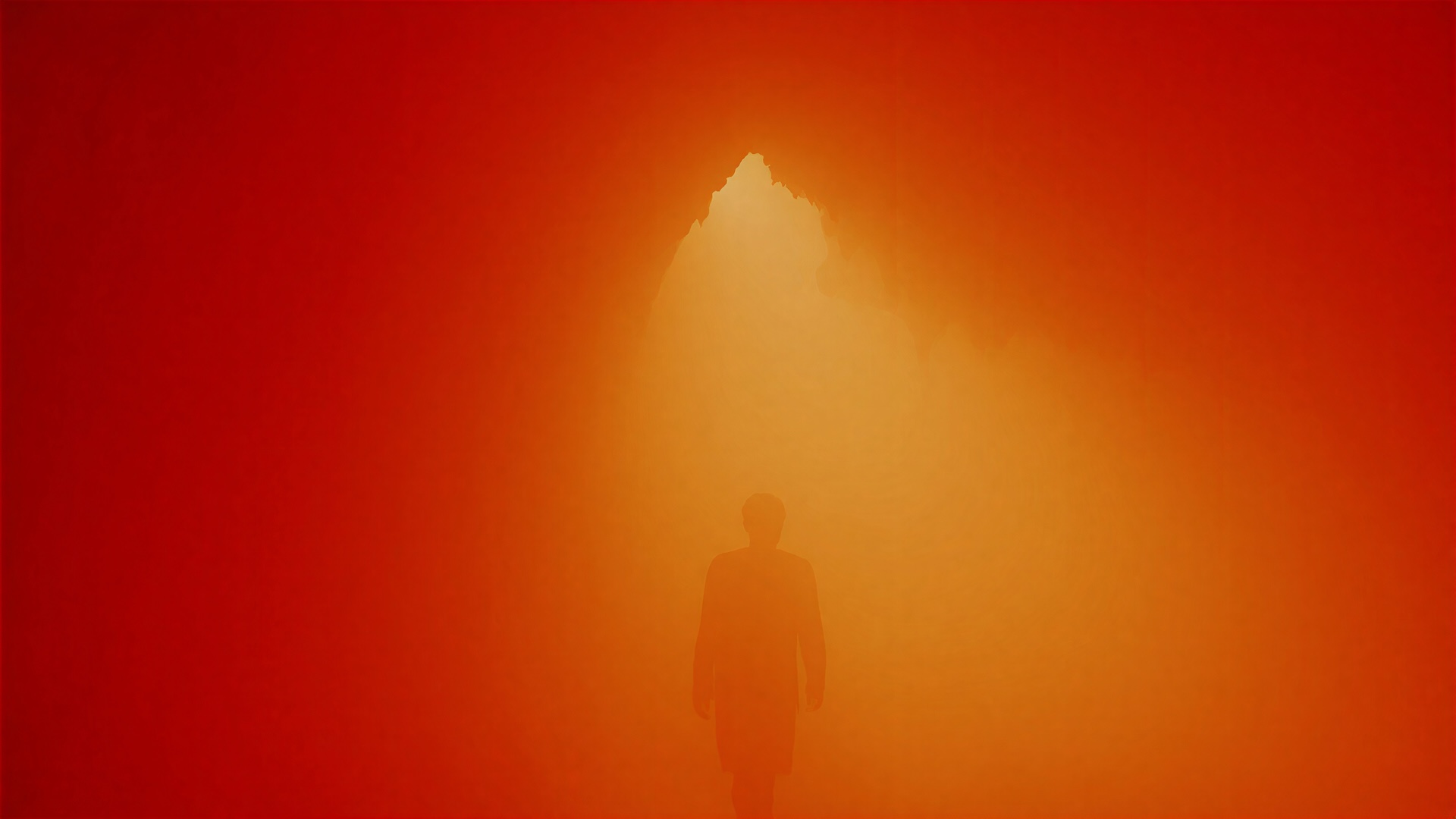
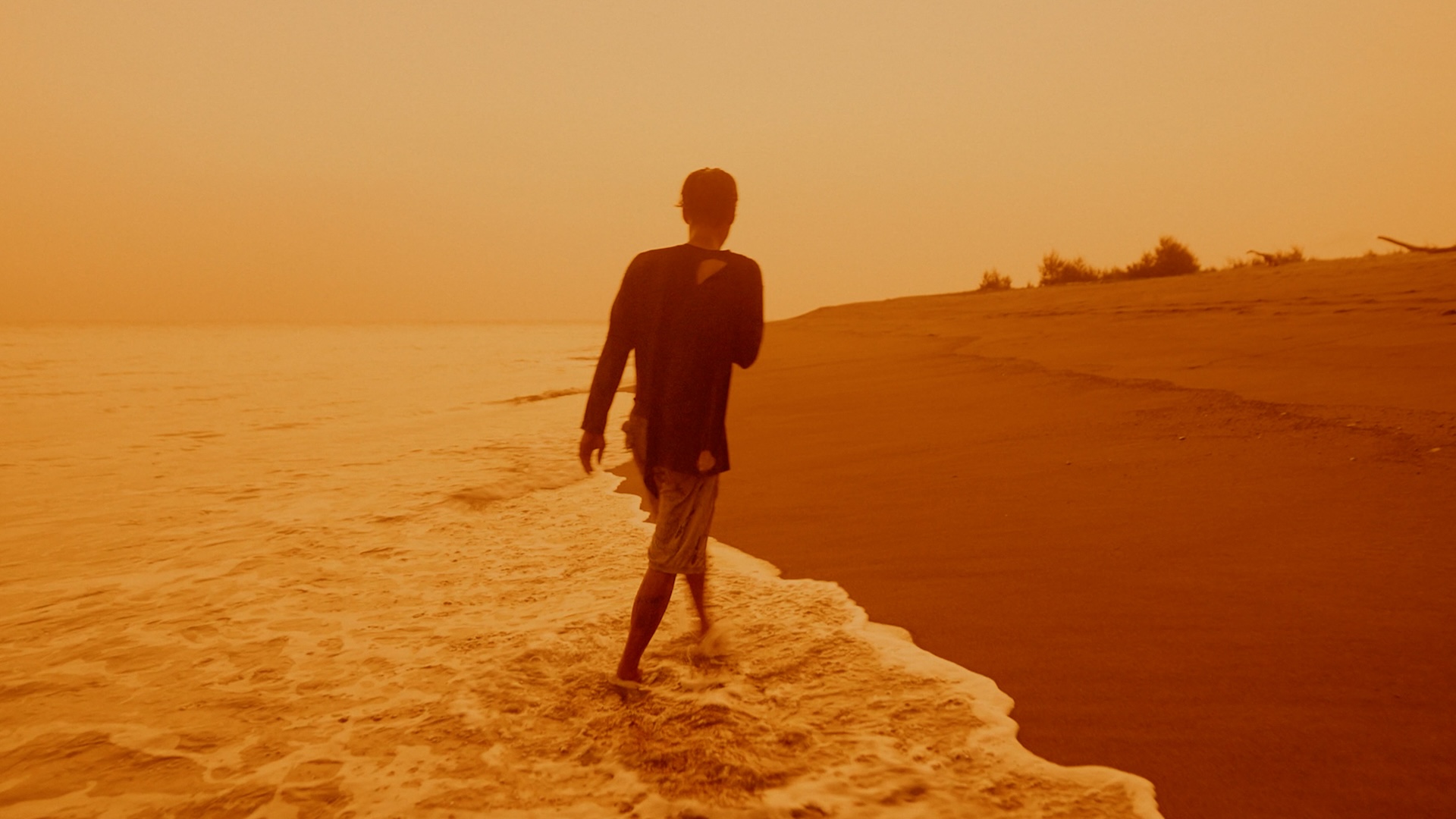
By Alessandro Calvanese. Cover image: still from Carlos Casas, Krakatoa, 2026.
From 11 to 15 November 2026, Florence once again confirms its role for the artistic research into moving images with the 19th edition of Lo Schermo dell’Arte. Directed by Silvia Lucchesi, the festival explores the relationship between contemporary art and cinematic language by rethinking the ways stories can be told. With Cinema La Compagnia as its main screening venue, the programme extends across several locations throughout the whole city, bringing together exhibitions, talks, lectures, workshops and morning screenings for students. It offers an opportunity to reflect on the contradictions of an increasingly chiaroscuro[1] present.
The festival’s programme takes shape around these very contradictions, with a focus on experiences shaped by war, migration, ecological devastation and political struggles, alongside the rediscovery of ancestral knowledge and the cultural and social transformations driven by technology. These intersecting forces point towards a future that is becoming more difficult to imagine. In this context, memory and archives play a central role as tools for opening up alternative perspectives on the disorientation of the present.
1. Saodat Ismailova: To the Throat of the Sun
Saodat Ismailova is one of the key figures of this year’s edition of Lo Schermo dell’Arte. The Uzbek artist, filmmaker and screenwriter presents five films made between 2017 and 2026, alongside a lecture scheduled for 12 November at 3 pm at the Strozzina, Palazzo Strozzi. Her practice moves between memory, spirituality and sociopolitical transformations, weaving the cultural heritage of Central Asia into narratives that resist a linear understanding of time and history. “I think cinema is like a container, which transports and remembers everything,” the artist explains. This image captures the layered nature of her work, in which myths, archives and oral traditions are not confined to a closed past but continue to resurface and transform in the present.
This approach can be seen in To the Throat of the Sun, which will have its Italian premiere with the artist in attendance. The film explores the mysterious figure of al-Muqannaʿ, also known as the Veiled Prophet, a religious leader in the 8th Century in Sogdiana[2]. Walking through the region’s deserts and the remains of Soviet nuclear test sites, Ismailova brings this ancient figure back into focus to question how images and historical accounts shape our understanding of reality. al-Muqanna‘, used to hide his face, and claimed that the divine light emanating from his face was too intense for the human eye. So for the artist, this becomes a way to explore the double meaning of light: it can represent knowledge and discovery, but it can also blind us. This ambiguity complicates the idea of progress, bringing its promise of freedom into contact with the violence that remains in the landscape.
2. Lamia Joreige: Casting for a Film, Ihsan’s Diary
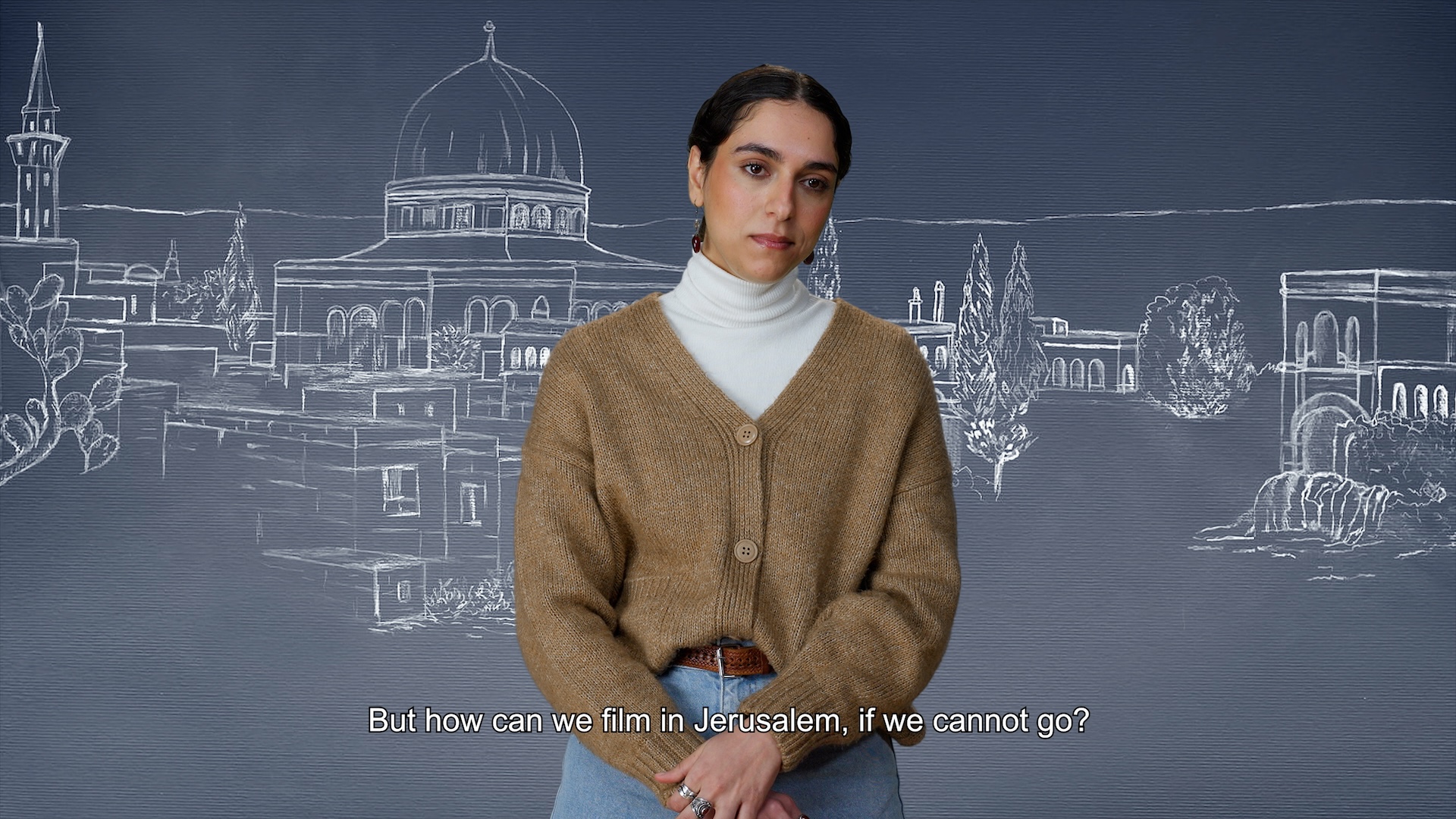
Lamia Joreige explores the connection between personal stories and collective history. In Beirut, young Palestinian and Lebanese actors audition for a film set in Jerusalem, inspired by the 1915 diary of Ihsan Turjman, an Ottoman soldier. As they read the diary and explore its characters, the auditions become a way for them to share their own experiences and reflect on a history that continues to shape their lives today. An animation also brings Jerusalem to the screen, portraying a city that remains out of reach under Israeli genocide. Through fiction, Joreige gives shape to a place whose reality continues to be marked by violence, occupation and displacement.
3. Earshot and Forensic Architecture: The Last Responders
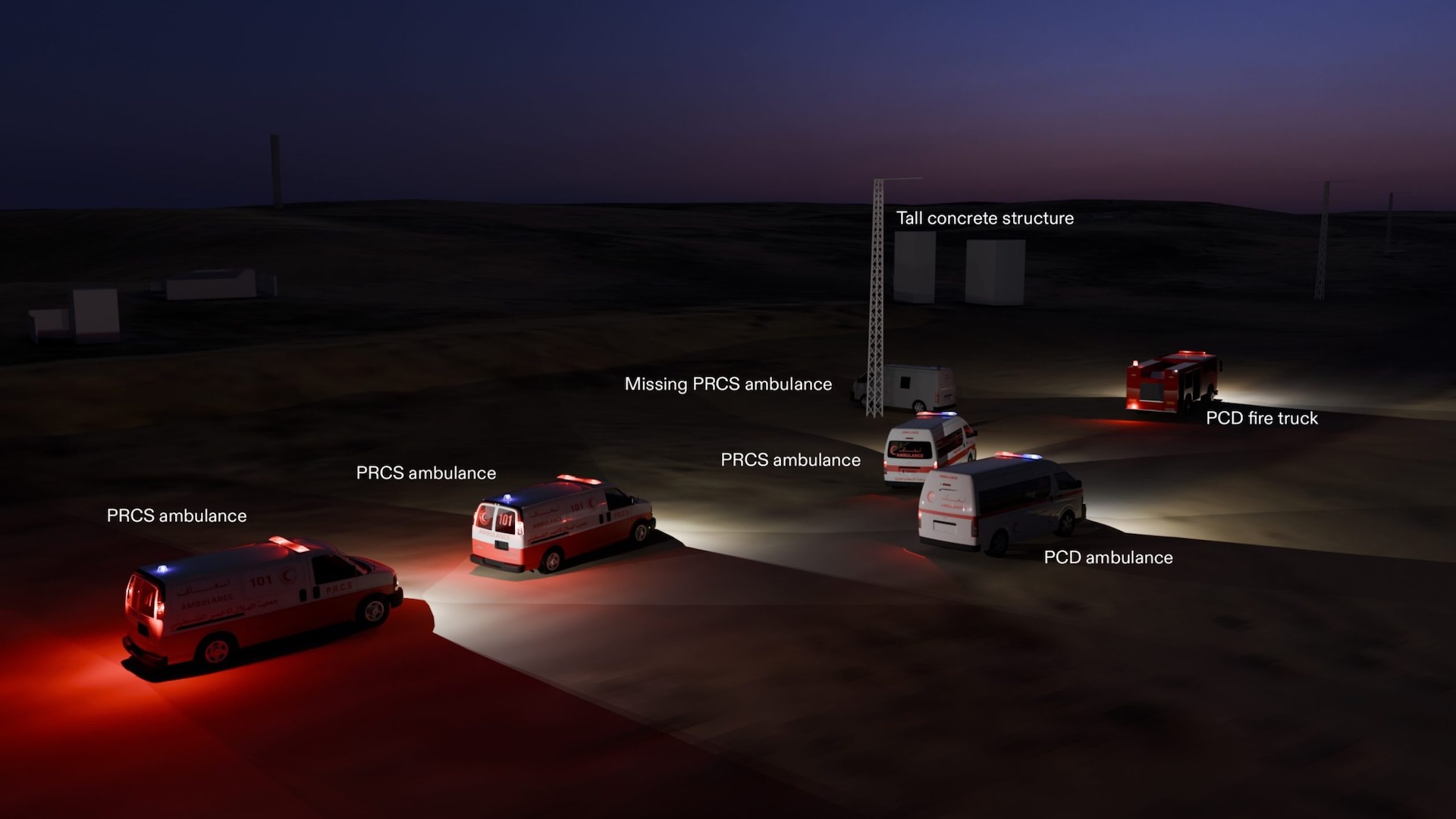
Images can preserve what might otherwise be forgotten, but they can also help establish what happened. The Last Responders, a film by Earshot and Forensic Architecture, examines the killing of fifteen Palestinian first responders in Tel al-Sultan, in the Gaza Strip, on 23 March 2025. Israeli forces opened fire on a convoy of humanitarian vehicles marked as emergency vehicles. After days of searching, the responders’ bodies were found in a mass grave alongside their destroyed vehicles.
The film draws on audio and video recordings, survivor testimonies and a 3D reconstruction of the site to piece together the events. Sound is particularly important: it helps establish distances and movements, adding details that the images alone cannot provide. By combining these different sources, the film challenges official accounts and shows how audiovisual evidence can be used to investigate violence. It also raises a question about the role of images in documenting events that might otherwise be denied or forgotten.
4. Francesco Bertocco: O Homem no Pelourinho
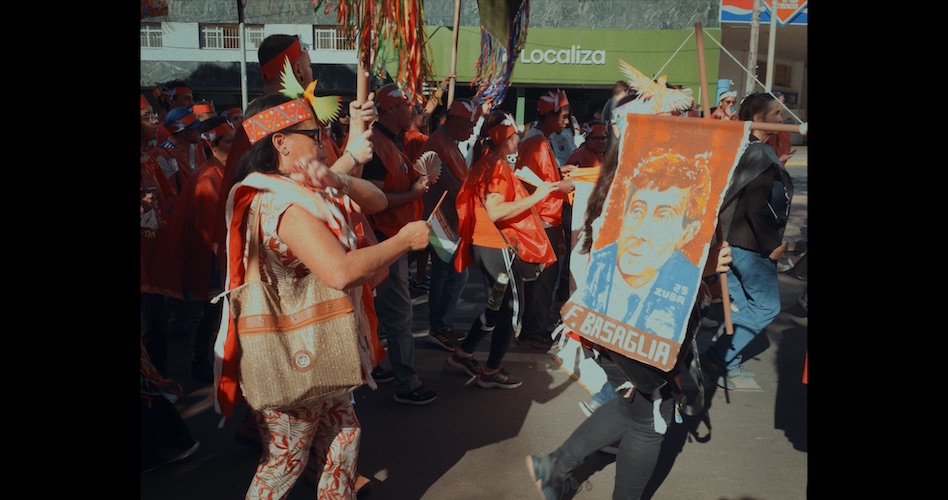
Francesco Bertocco looks at the legacy of Italian psychiatrist Franco Basaglia in Brazil, almost fifty years later. The abandoned Juquery psychiatric institution offers a glimpse into the history of institutional psychiatry, while the annual demonstrations of Luta Antimanicomial in Belo Horizonte show that the fight for psychiatric reform is far from over. Through interviews with healthcare workers and activists, Bertocco explores the shift away from confinement towards forms of care that respect people’s rights and dignity, as well as the challenges this transformation continues to face.
5. Gala Hernández López — like moths to light
What if our dreams could be read, recorded and turned into data? In like moths to light, Gala Hernández López explores the growing interest in understanding the human mind through technology, and the commercial opportunities that might come with it. Dreams are deeply personal experiences, often difficult to remember or put into words. Yet scientific research and private companies are increasingly interested in finding ways to study them. The film raises questions about what happens when something as intimate as a dream becomes accessible to others. Who owns this information, and who gets to use it or make money from it? By looking at the possibility of turning dreams into data, Hernández López asks us to consider how far technology might reach into our private lives, and where the line between scientific discovery and commercial exploitation should be drawn.
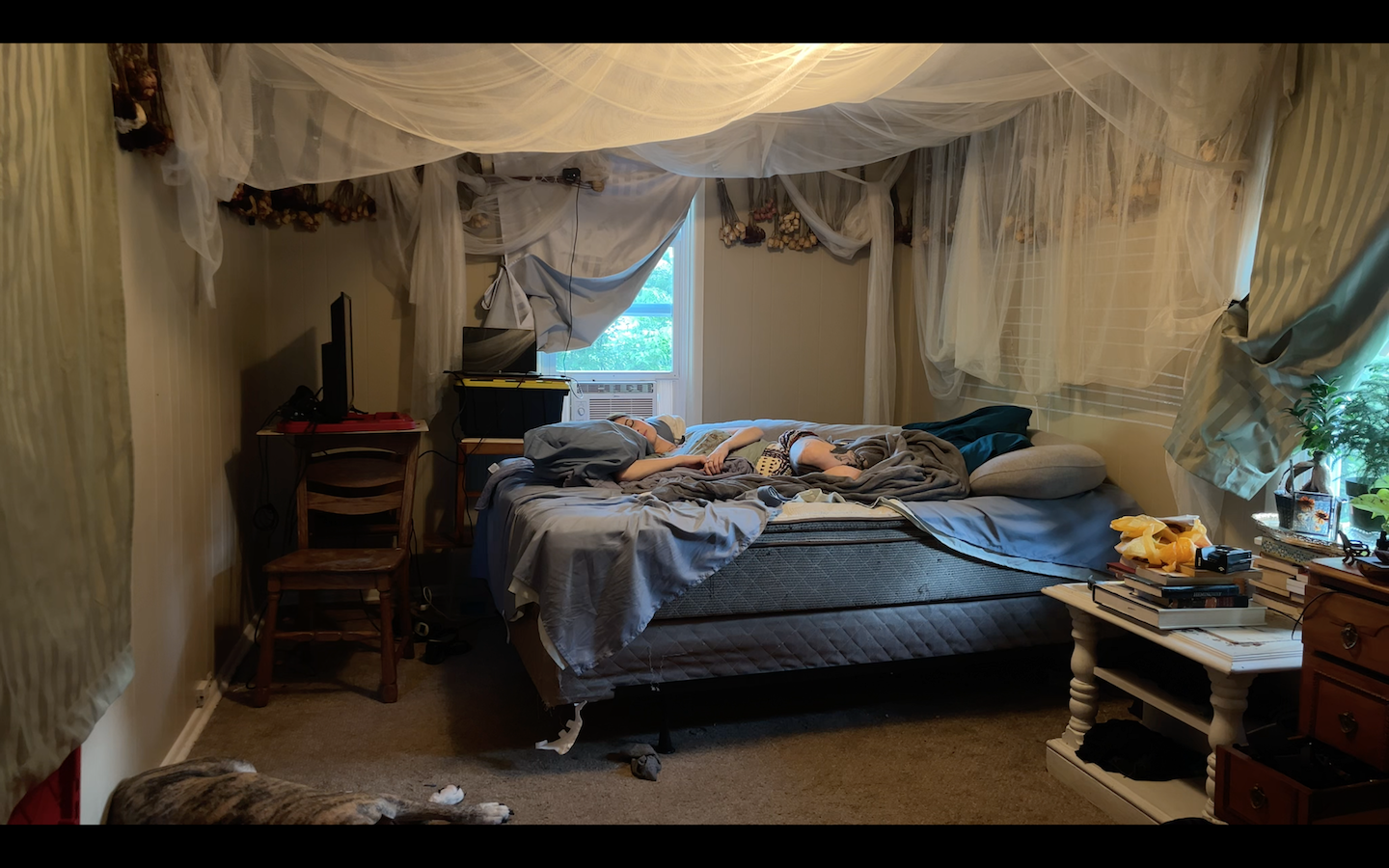
6. Paul Heintz — Sleep Work
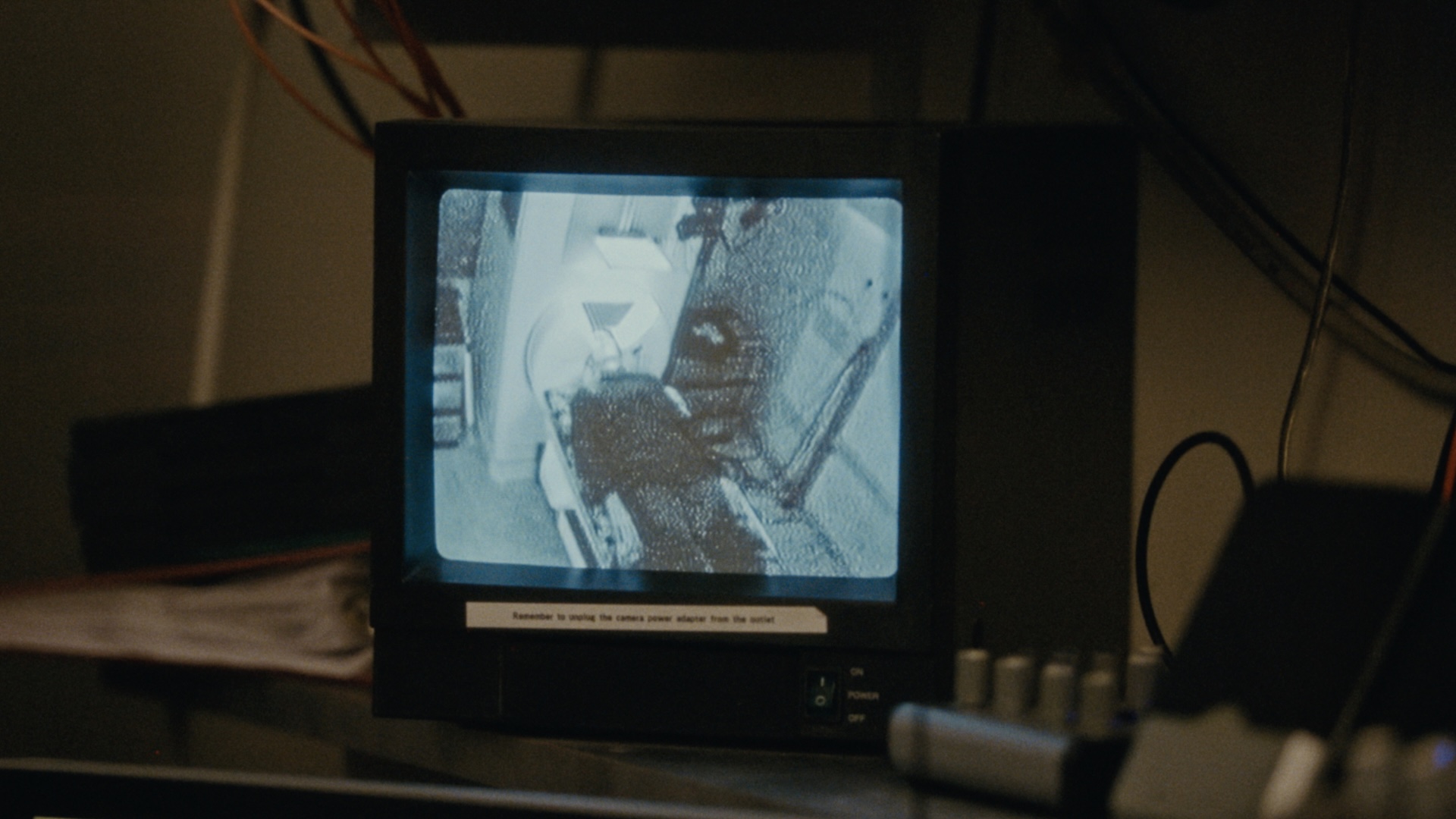
If like moths to light considers the possibility of extracting value from our inner lives, Sleep Work by Paul Heintz turns to the commodification of rest itself. Through the practice of sleep streaming, the film reports a form of labour in which even the suspension of activity becomes a source of content and visibility. Sleep, traditionally understood as a withdrawal from the demands of productivity, is transformed into a performance offered to an anonymous audience. This shift shows how the demands of work and the economy can extend into parts of our lives that were once considered private. The sleeping body is forced to be productive even when it appears to be doing nothing, while intimacy acquires value through its public exposure. Read alongside Hernández López’s film, Sleep Work raises a broader question: can any part of our lives escape the pressure to be productive and profitable?
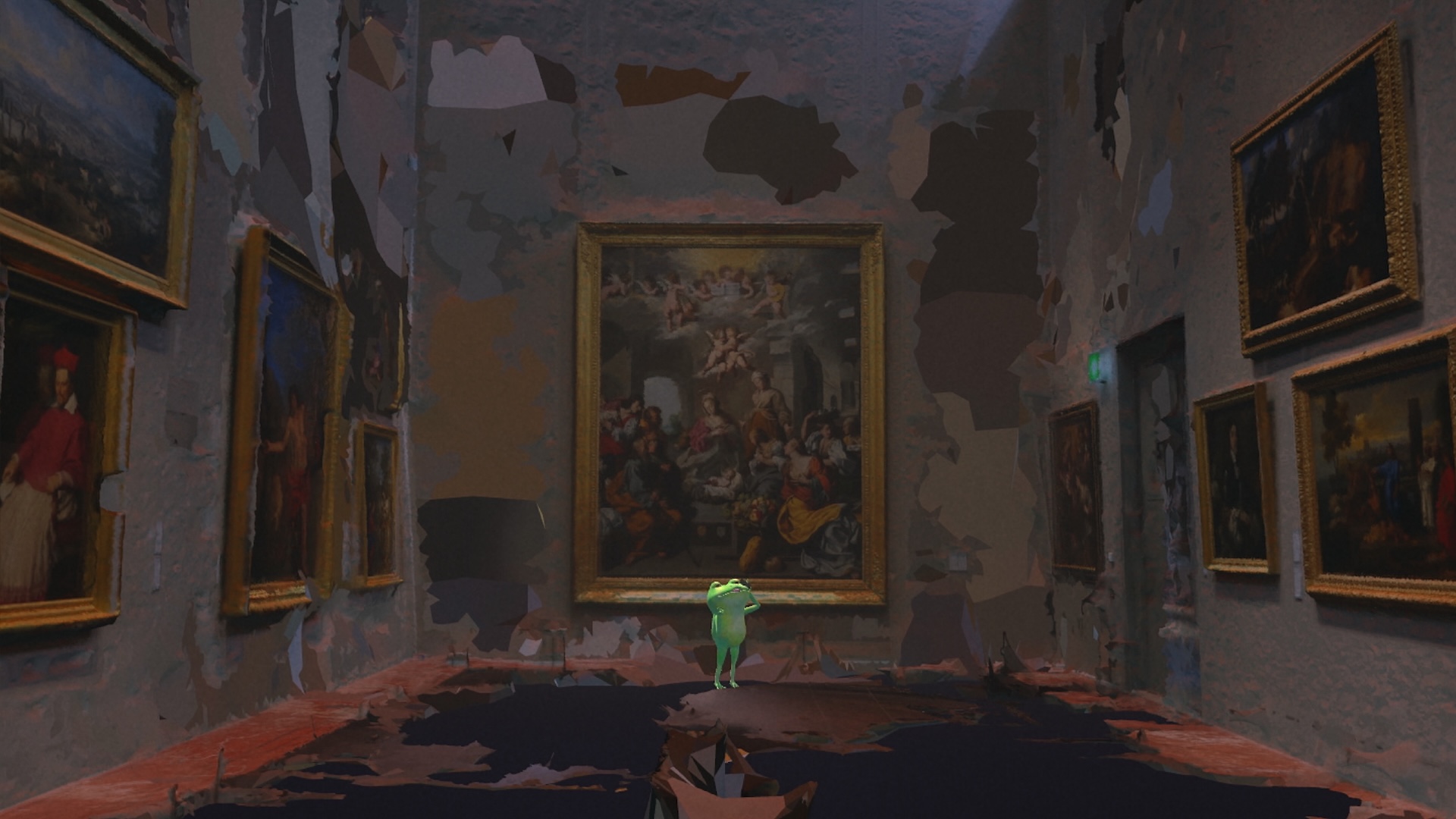
7. Ekiem Barbier, Guilhem Causse and Quentin L’helgoualc’h — Normal Planet
Ekiem Barbier, Guilhem Causse and Quentin L’helgoualc’h explore the ways we experience art through a surreal virtual world. Using real comments recorded at the Musée Fabre in Montpellier, the film recontextualises visitors’ reactions to artworks through the voices of digital avatars inhabiting a derelict museum. The result is a playful, irreverent look at how we talk about art, how we decide what matters and how certain works come to be recognised as part of cultural history. By placing recorded museum comments in an unfamiliar setting, Normal Planet invites us to question the authority of museums and the ways they shape our understanding of art. Its use of online language and digital characters also creates a contrast between the formality of the museum and the often unpredictable humour of internet culture.
+1. Carlos Casas — Krakatoa
Carlos Casas’s Krakatoa expands the relationship between cinema, sound and performance through a historical account of the 1883 eruption of the Indonesian volcano, one of the most powerful volcanic events on record, whose roar was heard thousands of kilometres away. Casas examines the threshold between destruction and creation, shaping an experience in which sound and images convey the transformative force of a natural phenomenon. The project comprises a feature-length film, a live audiovisual performance and an immersive sound installation. Presented in Italy for the first time as part of the festival, the performance invites audiences to experience a practice in which sound becomes a force that shapes space and perception. Against the backdrop of the climate crisis, Krakatoa reminds us that the planet is not an inert setting for human experience, but a dynamic system driven by energies and transformations that exceed our capacity for control.
Through the interplay of documents, testimonies, fiction and visual experimentation, this year’s programme offers different ways of interpreting the complexities of the present. What brings them together is again the capacity of moving images to act as tools of inquiry. It is in this context that Lo Schermo dell’Arte continues to explore the possibilities of contemporary cinema.
[1]An adapted version of Gramsci’s famous remark on the “morbid phenomena” of the interregnum. Gramsci, Antonio. 1975. Quaderni del carcere. Edited by Valentino Gerratana. Turin: Einaudi. [Especially Notebook 3, § 34, “Past and Present”.]
[2] Sogdiana was an ancient historical region in Central Asia located between the Amu Darya (Oxus) and Syr Darya (Jaxartes) rivers.


