By Amanda Rodrigues. Cover image: photo by Gabriele Busi.
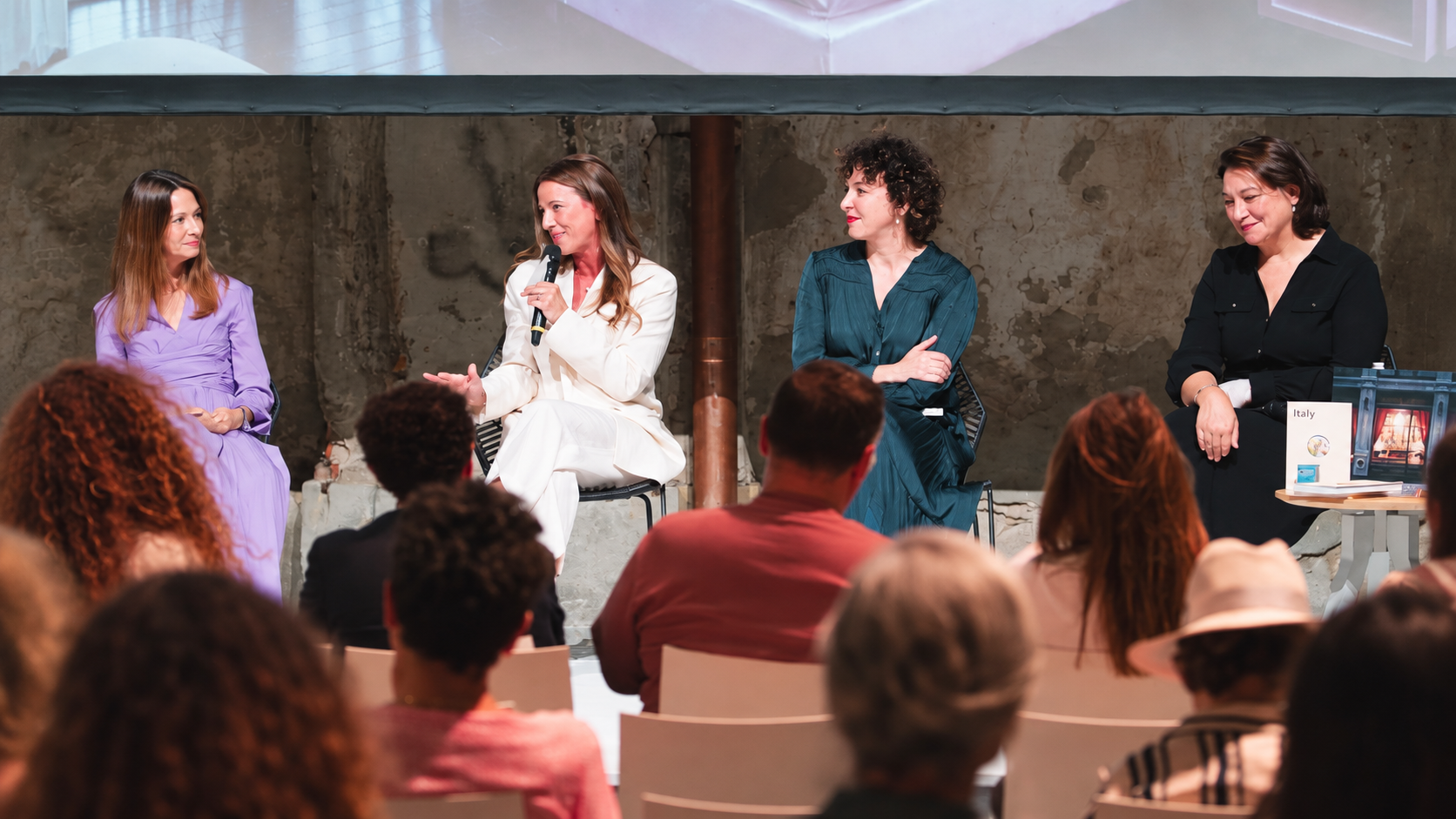
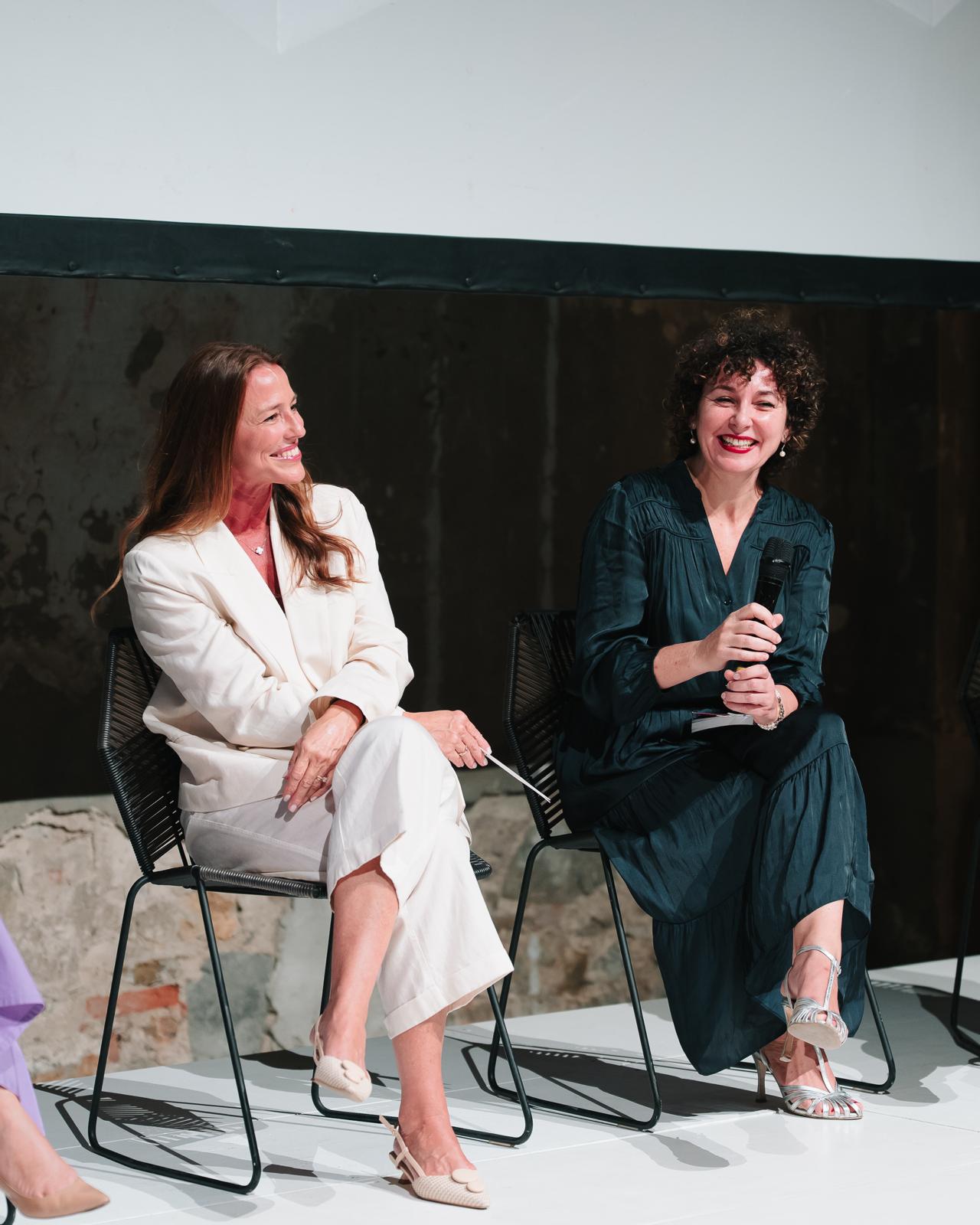
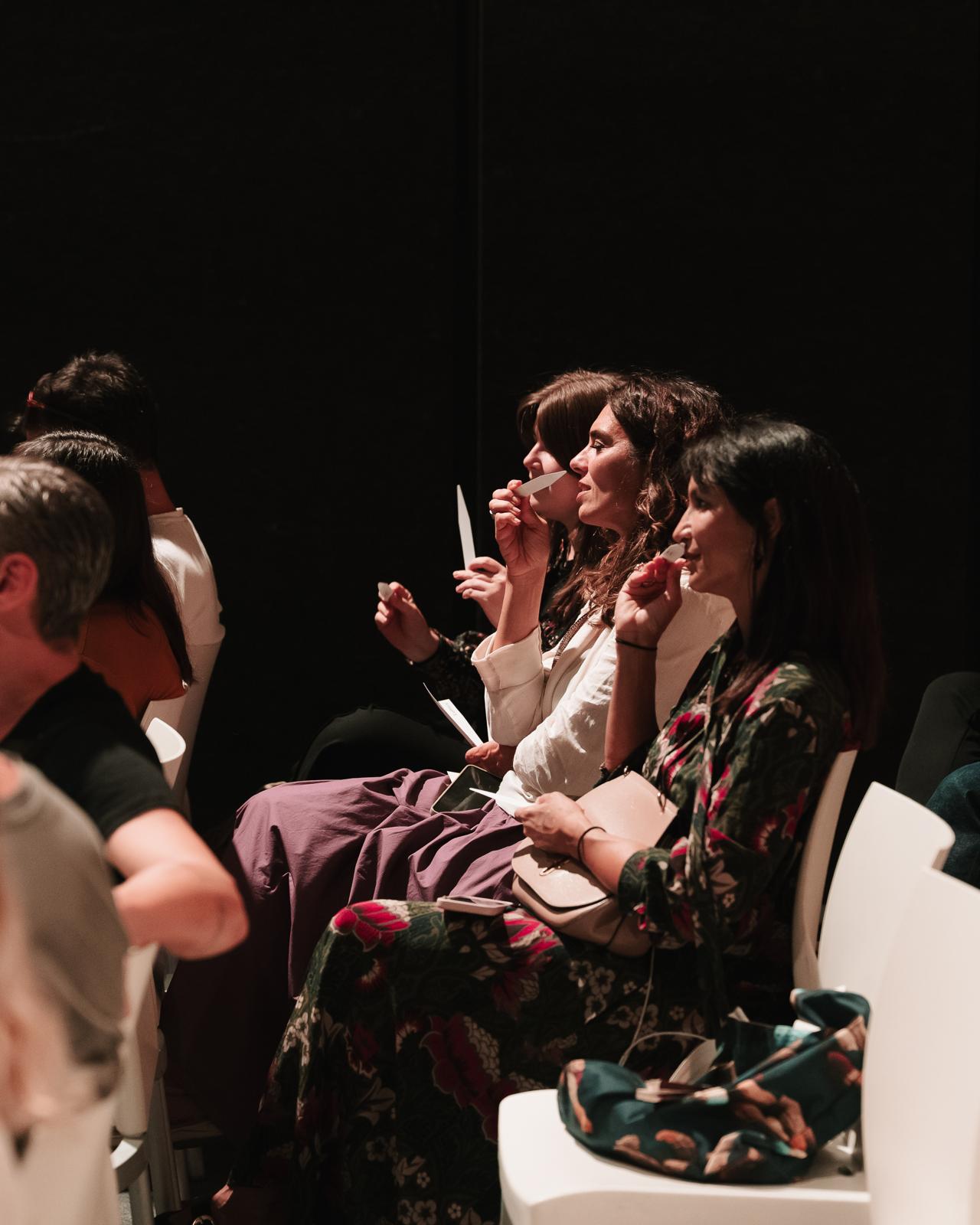
Over the past few months, millions of people on TikTok have been trying to recreate “the smell of a luxury hotel” at home, sharing fragrances that bring back the feeling of having just arrived on holiday. It is a sign of how deeply scent is entering the language of hospitality, where it can become part of a place’s identity and one of the memories that lingers longest after a trip. The role of the perfumer is evolving too, with scent increasingly used to interpret a landscape, a culture or a destination through a distinctive olfactory signature. This was the focus of The Scent of Hospitality, a talk held during Pitti Fragranze 2026 in Florence and moderated by journalists Francesca Delogu and Silvia Manzoni, bringing together different perspectives on how smell is reshaping the experience of travel and hospitality. Among the speakers was Ilaria Legato, Brand & Olfactory Designer and author of Io sono Naso, whom we spoke to about why olfactory identity matters so much right now, how a “scent logo” is created, the risk of overperfuming and the role smell could play in the future of hospitality.
From visual saturation to olfactory identity
Why do you think hospitality is rediscovering the value of scent at this particular moment?
I think we have reached a point of visual saturation. For years, identity has been built through images, logos, colours, photogenic interiors and digital content, while today people are increasingly looking for experiences that feel more immersive, immediate and interactive. Smell has a particular power because it is direct, ancient and closely connected to the emotional part of the brain: a fragrance can take us straight back to a place, a moment or a relationship, almost adding a fourth dimension to an experience. In hospitality, that becomes incredibly powerful because welcoming someone also means creating an emotional condition, making them feel expected and recognised, and surrounding them with an atmosphere they will remember. For hotels, museums, retail spaces and destinations, scent can become a genuine medium, giving shape and narrative to the identity of a place.
Building a recognisable scent logo
You often talk about a “scent logo”. What makes it recognisable, and what mistakes should be avoided?
A scent logo is an identity code and it has to come from a precise design process, consistent with the personality, values and imagery of the brand. It should interact with the architecture, materials, light, service, territory and the people welcoming guests, while always remaining measured. The most common mistake is simply choosing a pleasant fragrance and diffusing it in the same way everywhere: a Mediterranean hotel, an urban spa, a historic museum or a contemporary boutique all have different identities. There is also a very real risk of overperfuming, because an overly intense scent can create saturation and discomfort. In hospitality, fragrance should feel like a subtle presence and should never be used to cover unpleasant odours: air quality comes first, then the olfactory signature is designed.
When the history of a place becomes its scent
Is there a project where, in your view, the relationship between place and fragrance works particularly well?
I think Magna Pars in Milan is a particularly successful example because it was created in the design district, inside the former perfume factory of the Martone family, and its olfactory identity comes directly from the history of the building. Each room is dedicated to one of the LabSolue essences, with a number and a raw material that interact with the space, while the stay begins with a genuine olfactory check-in where guests choose a fragrance according to their own taste or curiosity. The experience continues through the suites, communal spaces, the LabSolue laboratory and the spa, extending into the gastronomic offering with the Olfactory Aperitivo and Cena à Parfum. It works because the scent feels as though it has always belonged there, becoming a natural continuation of the place’s memory.
Gen Z and the rise of the “osmonauts”
Gen Z is increasingly drawn to immersive experiences. How important can scent become in the memory of a trip?
I think it can become extremely important. Gen Z is highly visual and digital, and precisely for that reason it is also looking for physical, authentic, engaging and personalised experiences, places with a strong identity that can be shared and, above all, remembered. I like to think that it could become a generation of “osmonauts”. An image can be stored in a photo gallery, while a scent enters the body and settles into emotional memory, sometimes resurfacing unexpectedly many years later. In travel, that is fundamental because we also remember how a place made us feel: scent can become a trigger for episodic memory, for what I like to call “olfactory images”. It should be part of a broader experience shaped by hospitality, rituals, materials, sounds, flavours and human connection. When designed well, it can make a stay more memorable and strengthen the bond between a guest and a destination.
The future of scent in hospitality
If you look ten years ahead, what role do you think scent will play in hospitality?
I think it will become an increasingly important part of hospitality design, just as we already consider lighting, acoustic comfort, interiors and service quality essential today. Luxury will probably continue to develop highly sophisticated and personalised experiences, while sensors, artificial intelligence, electronic noses and air-quality monitoring systems could make olfactory environments more controlled and adaptable to individual preferences. Technology will still need to remain at the service of human sensitivity: the point will be to scent better, using fragrance as a form of design care and as a way of communicating that a place has an identity and that the guest experience has been thoughtfully created. I imagine we will all become a little more like osmonauts, a word that combines osmé, meaning scent, and nautēs, meaning navigator: explorers of olfactory space and time, able to find our way by following the emotional trails left by smell.


