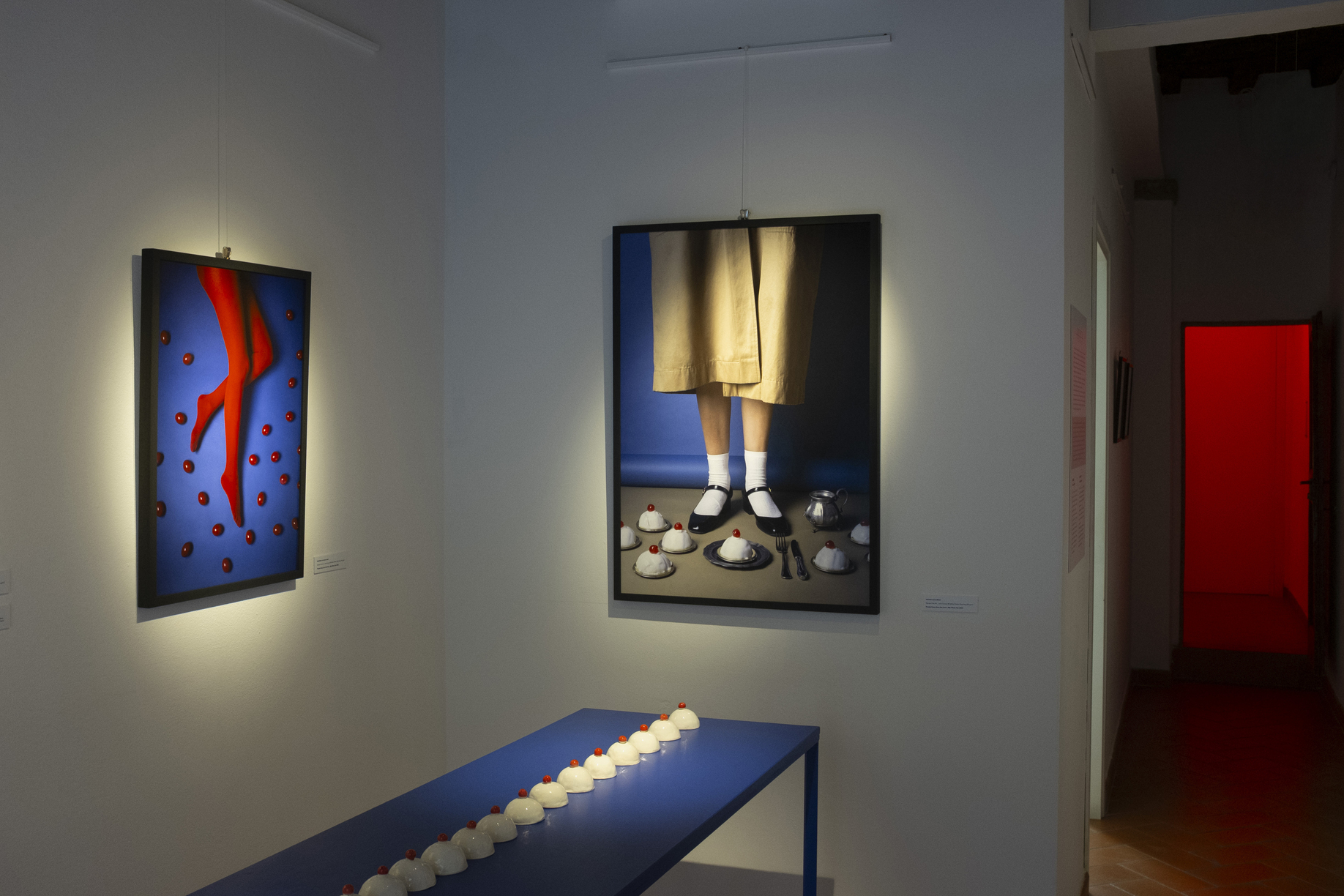
By Camilla Sarra. Cover image: courtesy Lo Studiolo Florence.
Florence still has doors you can walk past without realising how much is happening behind them, and right in the city centre, at Via del Porcellana 8E, Lo Studiolo is one of those places. Today it works as a creative district where photographers, set designers, stylists and videomakers develop projects across art direction, photography and video, with a particular interest in food, still life and portraiture. The story began on a much smaller scale in 2012, when photography entered a private home and exhibitions became part of everyday life through the idea of a home gallery. Lo Studiolo has since changed location and grown into a space where commissioned work meets experimentation, while the original desire to exchange ideas has remained central to the project. We spoke to the team about building a visual identity when we are surrounded by images, what still separates creativity from content and why curiosity remains essential in a world increasingly shaped by algorithms.
Inside Lo Studiolo
What exactly is Lo Studiolo, and what kind of space did you want to create?
Lo Studiolo started in 2012 as a studio and gallery, with the idea of hosting photography events inside my own home and allowing art to enter spaces that were usually private. That experience gradually developed into a kind of home gallery, and over the years we moved through different locations while hosting exhibitions by established photographers and other creative voices, which helped us build a relationship with people of different ages who were curious about photography.
How It All Started
How did the whole adventure begin, and who is part of Lo Studiolo today?
It began with a genuine desire to meet people, exchange ideas and discover other ways of looking at images, because I wanted to be around people who shared the same curiosity while bringing their own perspective into the conversation. Today Lo Studiolo brings together professionals working across visual communication, photography and set design, so the original idea of exchange has gradually developed into a much broader creative community.
Creative Minds Working Together
What changes when photography, styling, video and set design work side by side?
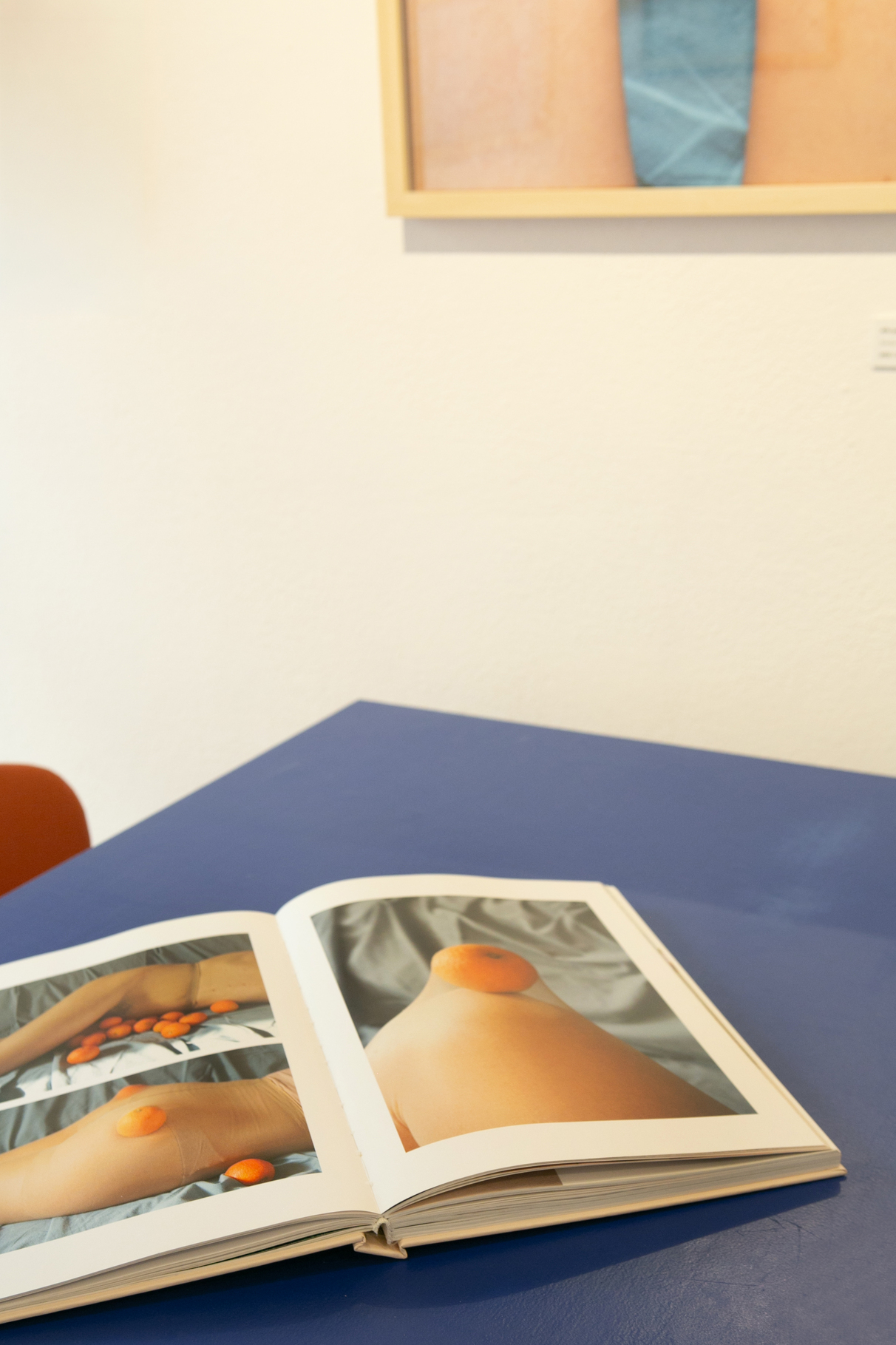
Working together constantly challenges the way we approach a project because someone else can see a possibility you had missed, and that exchange pushes everyone to improve while testing new ideas. Over time we have also become friends, which creates a level of trust that makes it easier to question each other’s choices and take creative risks together.
What Makes an Image Memorable
We see thousands of images every day. What can still make one stop us?
For us, it comes down to having a recognisable authorial voice and being able to notice something that another person might overlook, then finding the visual language that makes that detail meaningful. Every project needs its own identity, because an image becomes memorable when you can feel that someone has made a deliberate choice about how the story should be seen.
Keeping a Creative Identity
When you work with a brand, how do you keep your own creative identity alive?
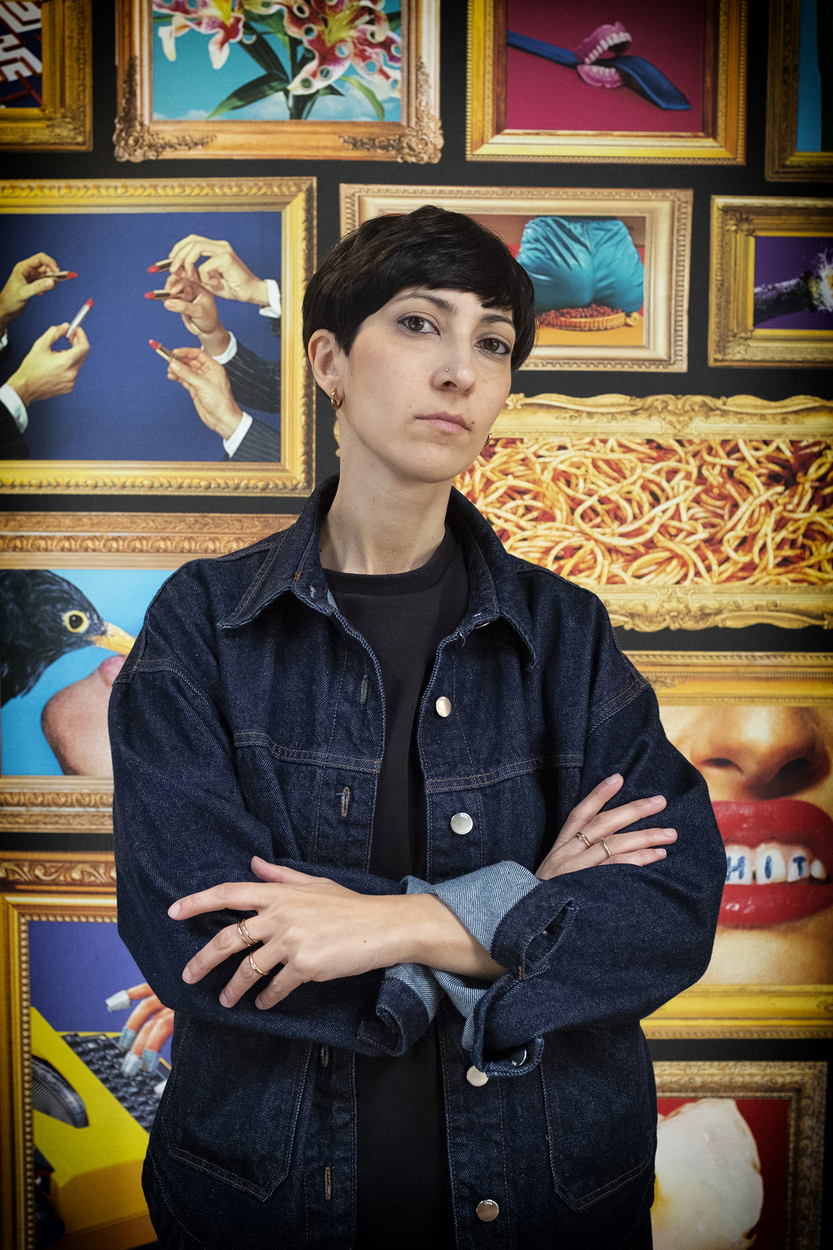
Everything moves incredibly fast and we are constantly surrounded by references that have already been seen or repeated, which can easily make ideas feel artificial. Clients usually come to me because they trust my point of view and are looking for something that carries a recognisable human perspective, so conversation becomes essential because understanding what they need gives me the freedom to bring an original idea into the project and develop it in a way that feels specific to them.
Building a Visual World
An art director has to turn an idea into an entire visual world. Where does that process begin for you?
Being an art director means learning to see the project before it exists and then finding a way to communicate that vision clearly enough for everyone involved to understand where it is going. The people around you may only see a briefing or an individual shot at first, while your job is to understand how those elements will eventually connect and translate an idea that exists in someone’s head into something people can actually see.
Staying Curious
Creativity needs new fuel all the time. What keeps you curious?
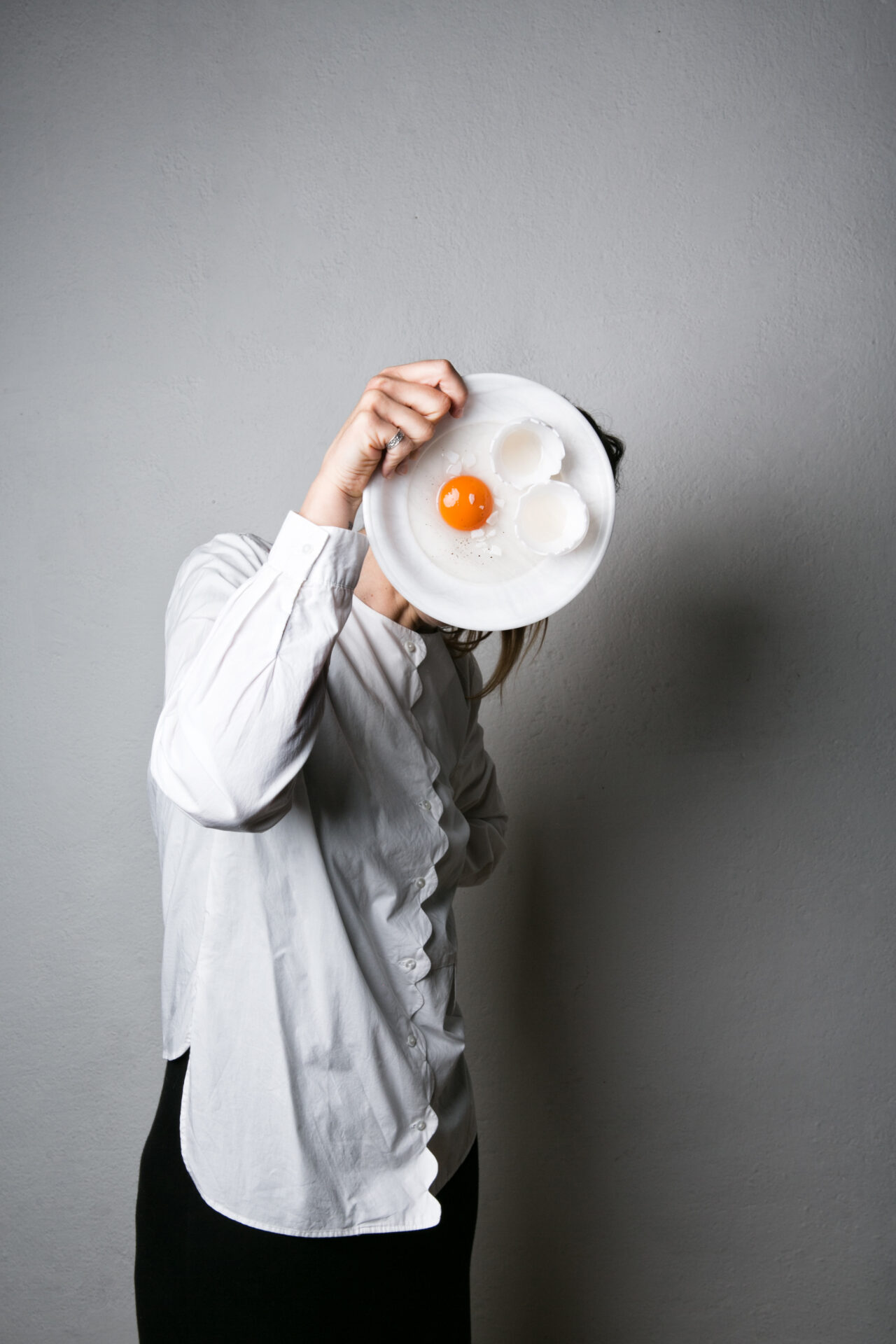
I still look closely at the people who produced important work before me, while reading and writing help me understand what is happening around me without losing the more introspective part of my own approach. I am always interested in experimenting with new visual languages, and some of those ideas eventually become projects while others stay in a drawer for years until the right moment arrives.
How Social Media Changes Photography
Instagram and TikTok shape our visual taste every day. How much are they changing the way we look at photography?
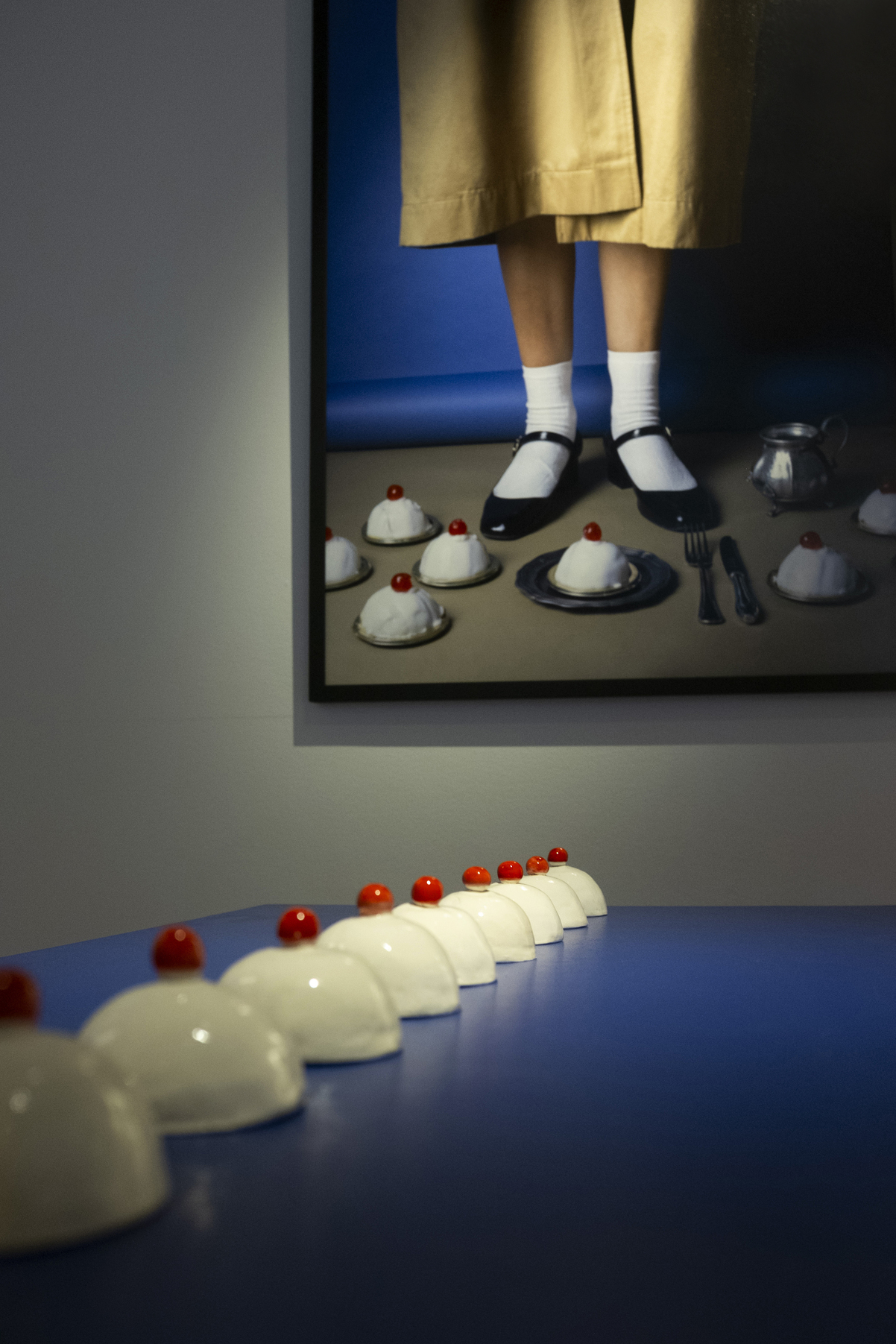
Sometimes we ask ourselves whether what we do can still be understood in a moment when almost everyone feels like a photographer, although that accessibility also has an interesting history. Aaron Scharf wrote about the way photography allowed people to encounter art they might otherwise never have seen, opening their sensibility towards different horizons, and I think images still work in that way because the photographs we consume eventually become part of how we remember places and experiences.
Creativity Beyond Content
Everyone can make content now. What still separates a creative professional from someone who knows how to communicate on social media?
A professional understands how to build a project and also knows where its difficulties are likely to appear, because making something effective involves much more than knowing how to use the tools. Social media can make production look immediate, while working with a client requires guidance and a real creative process that develops through experience, which is something you cannot learn simply by clicking the right button.
Turning Creativity Into a Career
A lot of young people want to work in the creative industries. What does it take to turn creativity into a profession today?
Passion and determination matter because creative work takes time to learn, and I spent years understanding what being a photographer actually meant through experience on set and through the mistakes that came with it. Paying attention to other people’s work while continuing to experiment gradually helps you find your own direction, and careers such as those of Oliviero Toscani, Giovanni Gastel and Fontana show how much consistency and commitment are needed before a personal way of seeing can genuinely change visual communication.


