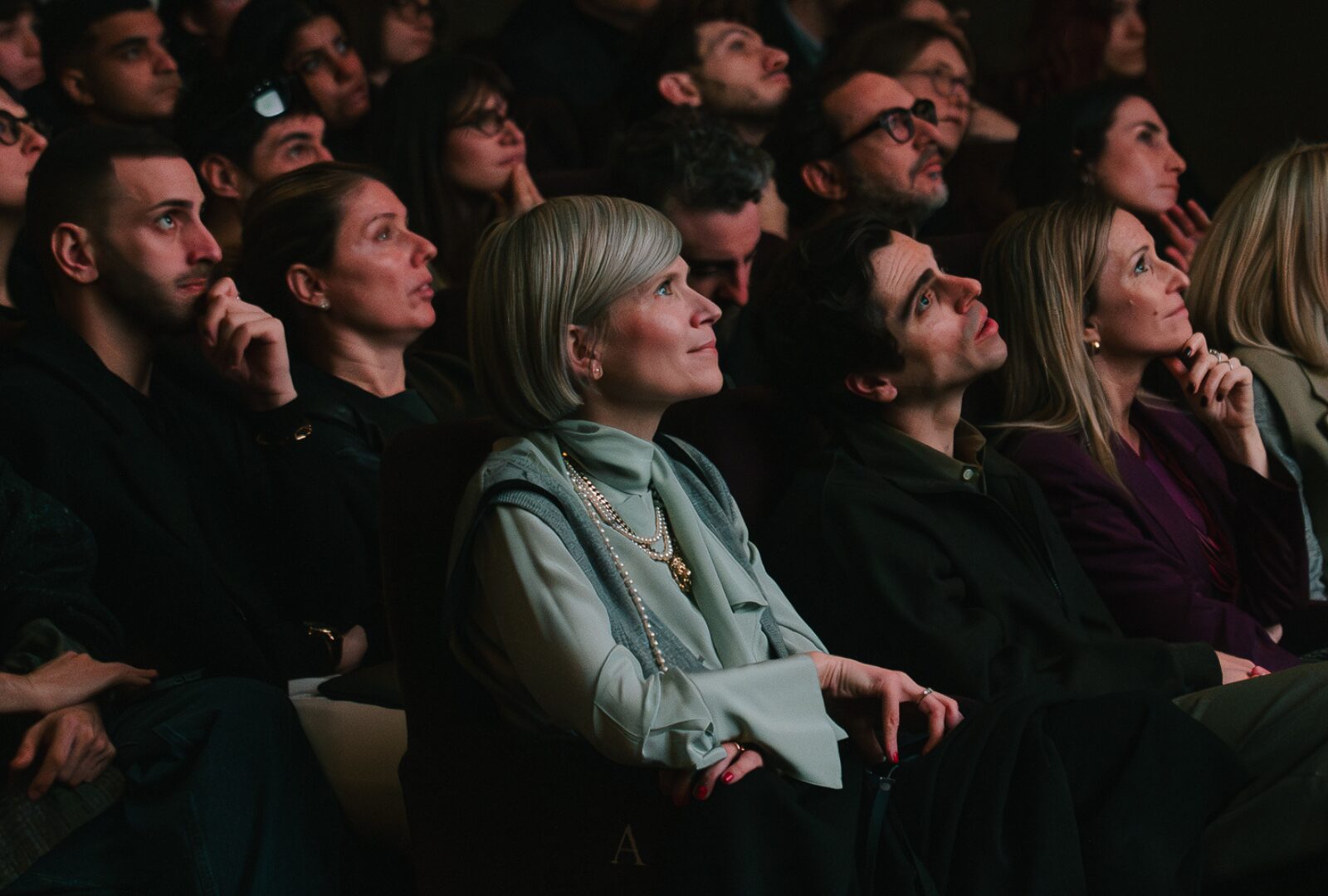
By Rosa Smith. Cover images Gabriele Busi
Blonde, elegant, and carrying more of the aura of a contemporary art gallerist than an academic manager, Francesca Giulia Tavanti speaks about education with the same ease she brings to conversations about Rothko, Fra Angelico, or a Tuscan tannery. As Director of Education at Istituto Marangoni Firenze, she leads a school that over the past decade has built a clearly defined identity: international in outlook yet deeply rooted in its territory, open to innovation yet convinced that the future of luxury still passes through matter, the hand, and knowledge.
Tavanti observes a generation increasingly drawn to what is tangible, authentic, and irreproducible. From this shift come new programmes dedicated to the excellence of Made in Italy, from knitwear to leather goods, but also a broader reflection on craftsmanship, the role of art in creative education, and the meaning of contemporary luxury itself. If the digital world is universally accessible, what remains truly exclusive is human experience: an object made with expertise, a gesture, a vision, a sensibility.
Why Luxury Fashion Needs Highly Specialised Skills
Istituto Marangoni Firenze has just launched new educational pathways. How did they come about?
They are driven by three key factors. The first is the labour market. We continuously update our academic offering, and in recent years we have seen a growing demand from luxury companies for increasingly vertical and specialised skills. This may seem counterintuitive at a time when interdisciplinarity is widely discussed, but those with precise technical expertise often find faster professional placement. The second factor is the territory. Florence and Tuscany host exceptional supply chains that allow students to engage directly with companies and production processes. The third is our identity. The school is entering a phase of maturity. After ten years of activity, we know who we are, where we come from, and which values we want to transmit. The new courses emerge from the intersection of these three dimensions.
Why Learning by Making Matters Again
Many scholars argue that cognition changes when thinking passes through material experience. How relevant is “making” in education today?
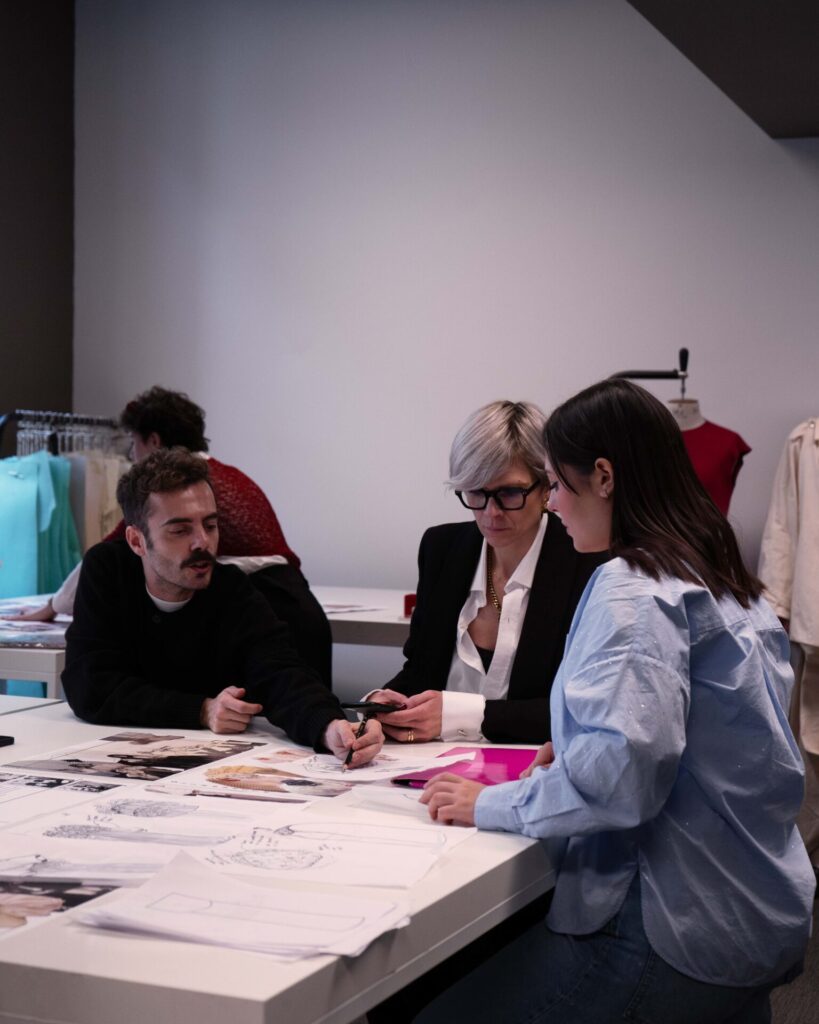
It is a reflection we have been developing for some time. Observing students, we realised that contact with a physical, tangible, manual dimension enhances learning across all disciplines, not only creative ones. Their mindset is different from ours because they have grown up immersed in the digital environment, yet precisely for this reason they are strongly attracted to what is real. Working with materials, embroidery, drawing on paper, using traditional tools: all of this increases attention and engagement. I recently reread a quote by Angela Vettese that also inspired our runway concept: “In a time of declining credibility of online images, seeing bodies, and sometimes being able to touch or interact with them, creates an unquestionable sense of truth that we urgently need”. I think this perfectly captures what we observe every day in our students.
The Rise of Human-Made Luxury
Fashion has long pursued speed and acceleration. Today, slowness, texture, and craftsmanship are returning. Is this a cultural reaction to immaterial excess?
Yes, but not only. There is certainly a desire to return to something concrete, but there is also a pragmatic reason: digital tools are now accessible to everyone. If we simplify, luxury is still tied to exclusivity. When everything becomes available, shareable, and replicable, value shifts toward what is unique. Young people are increasingly attracted to uniqueness and to the possibility of owning or experiencing something not everyone can have. I believe we are witnessing the return of the human as a marker of excellence.
Years ago, I used to joke that we would arrive at “human-generated” content. When images, texts, and creative outputs are increasingly produced by artificial intelligence, what will gain value is the knowledge that a photograph was truly taken by a person, that music was performed by a musician, or that an object was made by skilled hands.
What Makes a Luxury Object Irreplaceable Today
The new programmes also reflect a strong focus on materials and production chains.
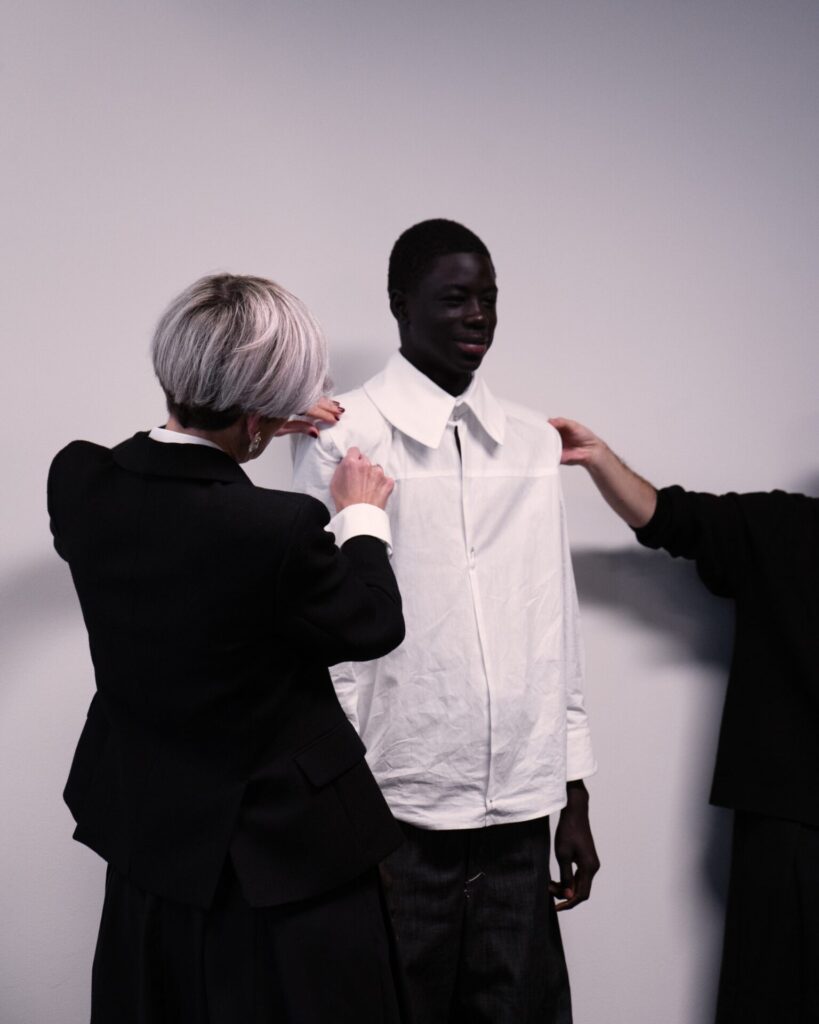
Absolutely. The Knitwear Design course was developed in dialogue with the Prato textile district, one of the most important in the world. The Leatherware Design programme is closely connected to Tuscany’s historic leather and tanning tradition. These are highly specialised sectors where material knowledge and craftsmanship are essential. Having these centres of excellence nearby allows us to turn theory into direct experience.
Why Being Close to Craft Still Matters in Fashion Education
How important is proximity to manufacturing excellence?
It is fundamental. Being located in Florence means being embedded in a living ecosystem of knowledge. Students are stepping into real production environments, working directly with the artisans and companies that set global standards in luxury manufacturing.
How Art Shapes Fashion Thinking
Art appears to be central to your educational philosophy. What role does it play?
Art is the starting point of every discipline. In fashion and design, the connection is immediate: courses include art history and contemporary criticism because every creative process begins with research and cultural awareness. But its role goes further. Art trains observation, critical thinking, and the ability to build connections. Even in business-oriented programmes, we use art as a cognitive exercise, because creativity is also essential in strategic thinking and entrepreneurship.
Is Florence still a source of inspiration for international students?
More than ever. I often think about the exhibition dedicated to Rothko, which explored how the discovery of Fra Angelico deeply influenced his painting. It is an example I often share with students. The point is not to treat the Renaissance as something to study passively, but to ask what it means today. What does that colour communicate? How can it become a contemporary project? Florence constantly offers these kinds of questions. Standing inside the cells of San Marco and seeing Fra Angelico’s frescoes is entirely different from viewing them on a screen. It is an experience that changes perception itself.
Why Learning to Observe Matters More Than Ever: Mirabilis Fashion Show
What does this year’s fashion show explore?
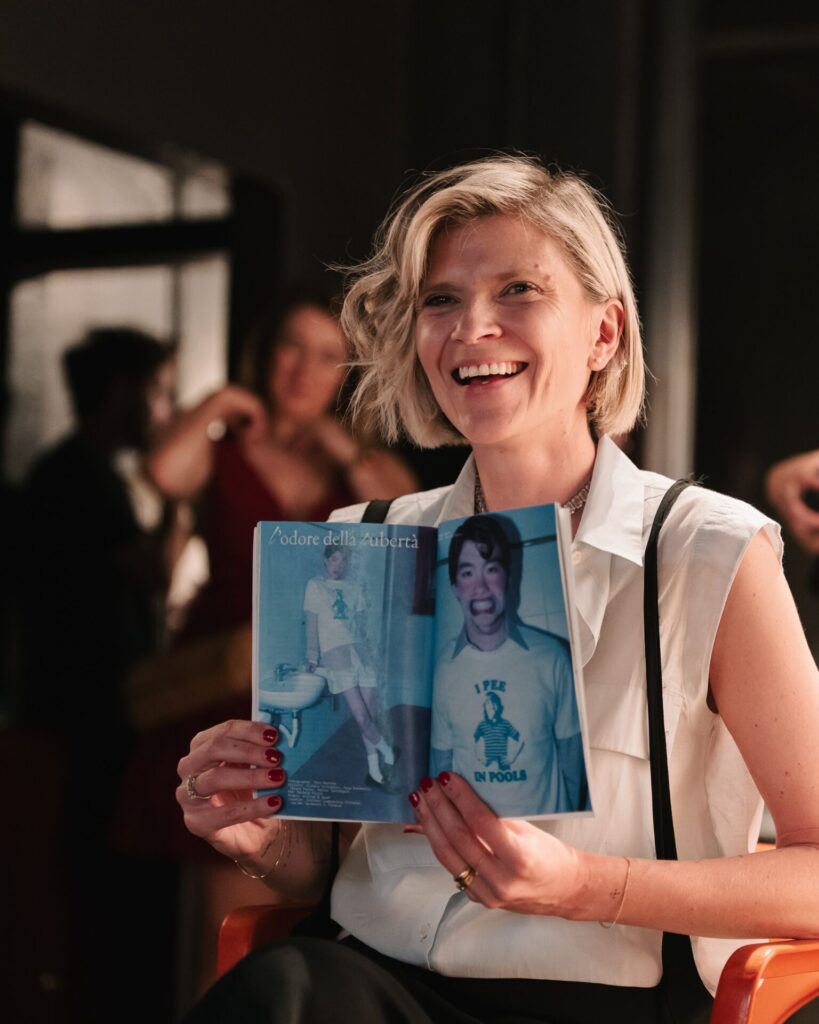
The project is titled Mirabilis and stems from a reflection on the “sensible”: the relationship between perception, matter, and imagination. The eight selected collections each interpret this theme through materials, techniques, and experimentation. The title comes from Latin and means “marvellous,” but what truly interested us most is its root, mirari: to look, to observe. Today, the ability to truly see is a fundamental skill. Looking is not enough, we must learn to observe. The setting reflects this idea. The show will take place at the Nymphaeum of Palazzo Corsini, frescoed spaces that create the illusion of a garden filled with fountains, peacocks, and sculptures, a perfect dialogue between reality and imagination.
Why Education Must Balance AI With Sensibility
What is the central challenge of education today?
To help students develop highly specialised skills without losing the ability to observe the world with curiosity, critical thinking, and sensitivity. Because the future will certainly be technological, but it will remain profoundly human.


