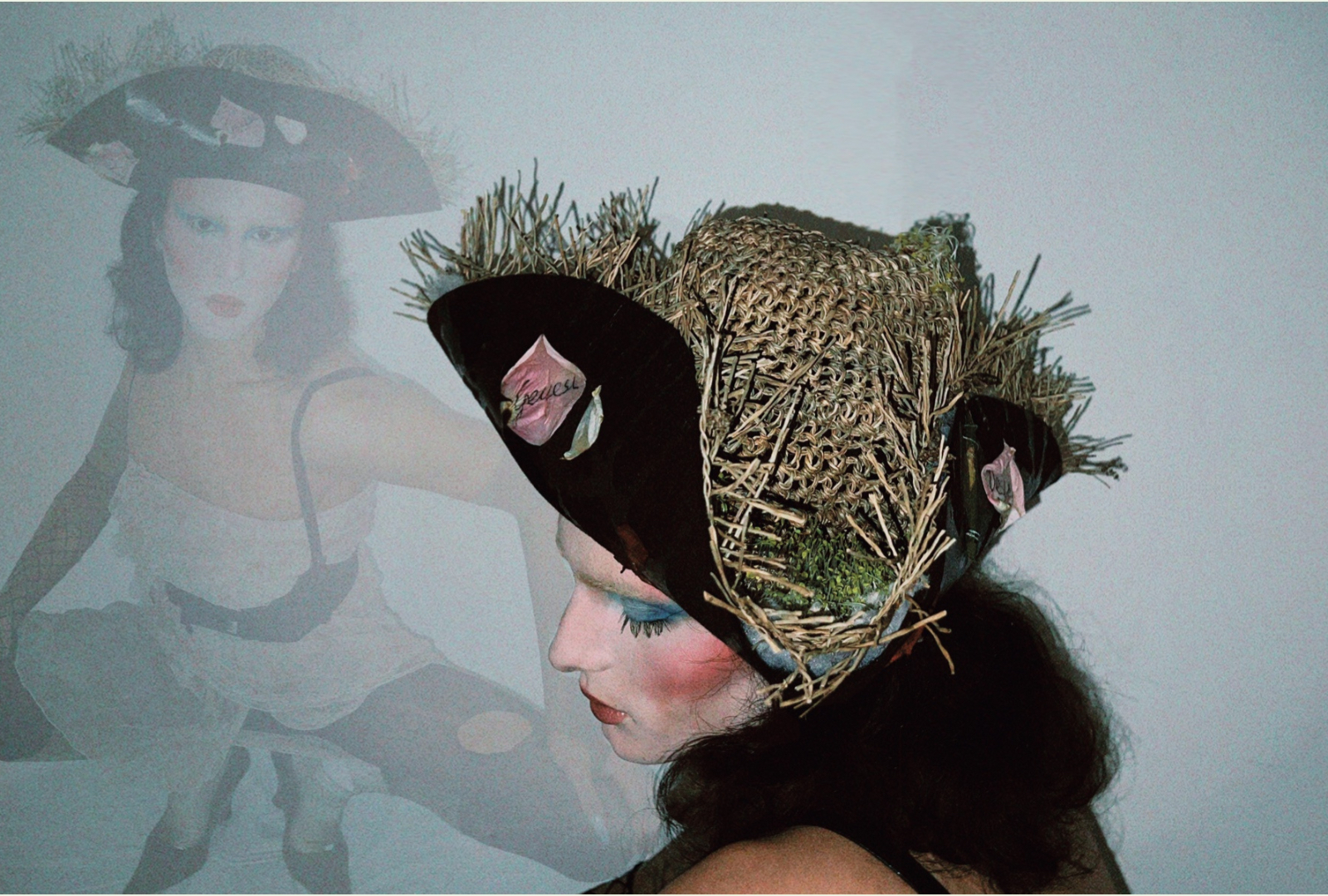
By Rosa Smith. Cover image Manuele Gratteri, Anatomy of Excess.
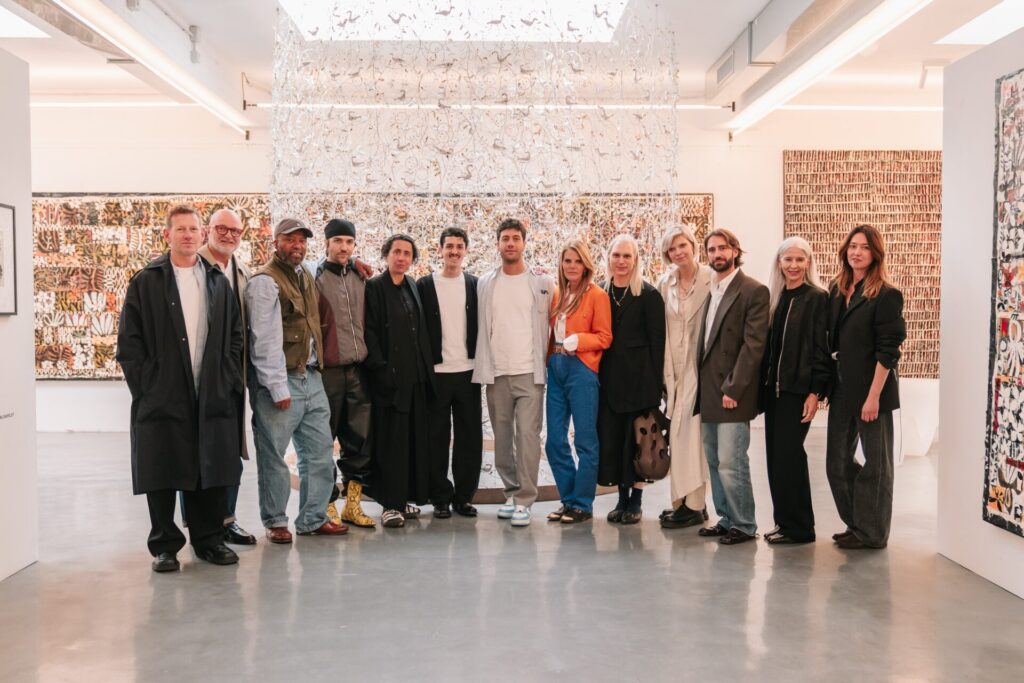
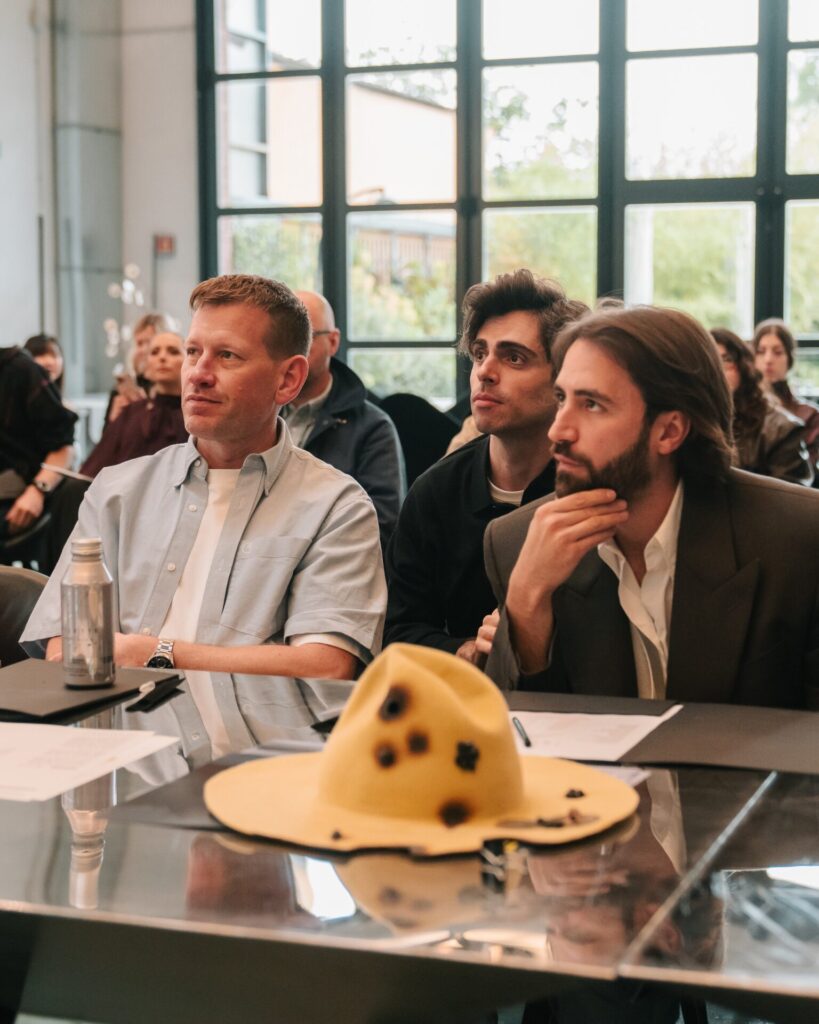
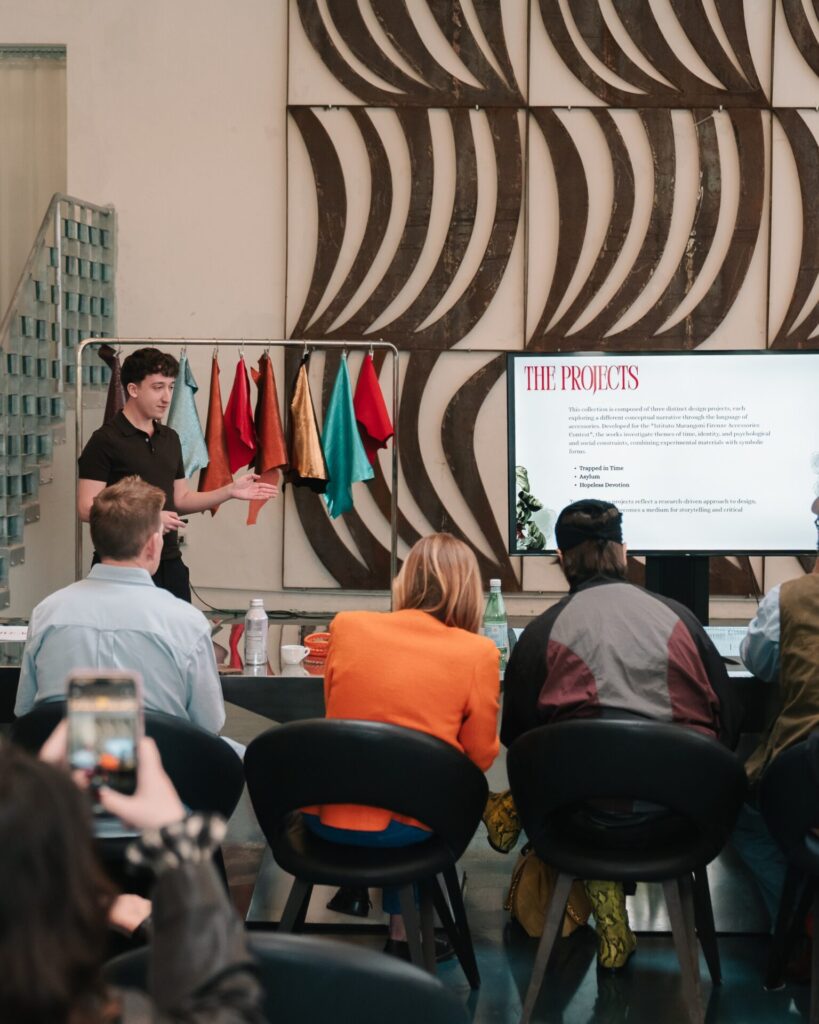
“These designers have an extremely free and creative vision. They think about the future, about technology, but also about the importance of handmade craftsmanship.” Sara Sozzani Maino, creative director of Fondazione Sozzani and a leading voice in fashion and visual culture, uses these words to frame the 13 finalist projects of the Innovative Accessories Challenge. Launched during Pitti Uomo 2026, the international open call invited designers under 30 to rethink accessories at the intersection of technology, memory, sustainability and pop culture, and came to a close on May 15 with its final event in Milan, at Fondazione Sozzani. Against the backdrop of works by artist Kris Ruhs and in front of an international jury, the finalists presented projects that felt both tentative and ambitious, oscillating between craft and code, intuition and system.
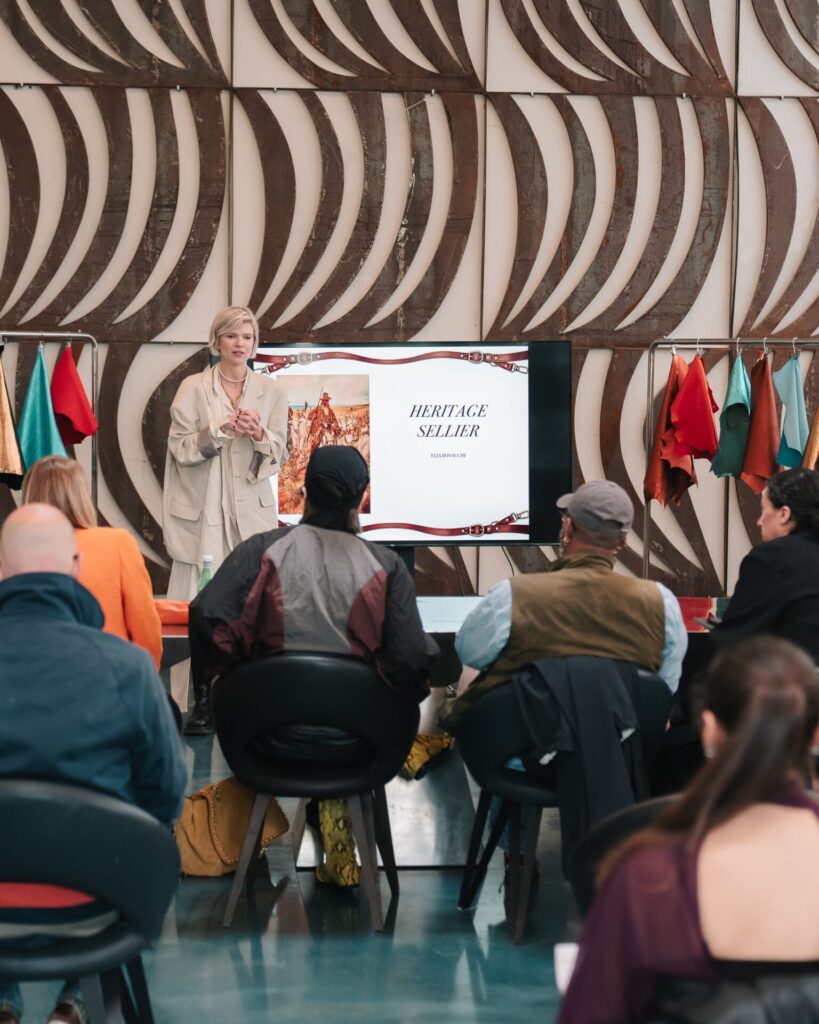
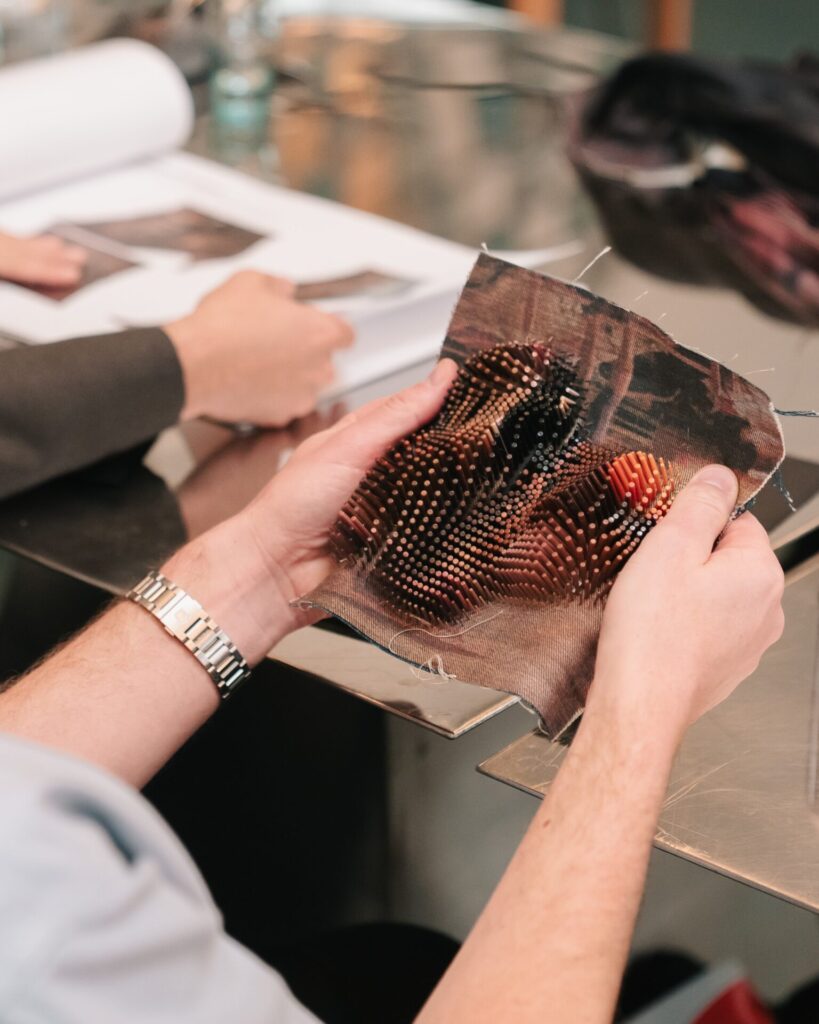
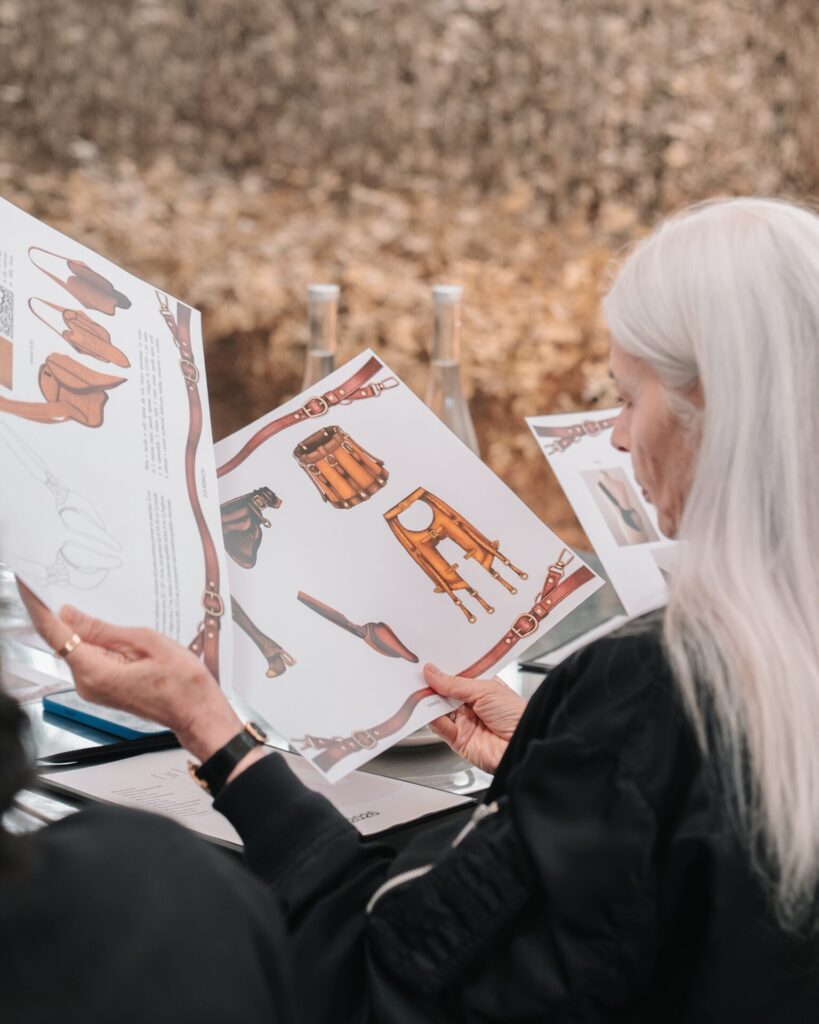
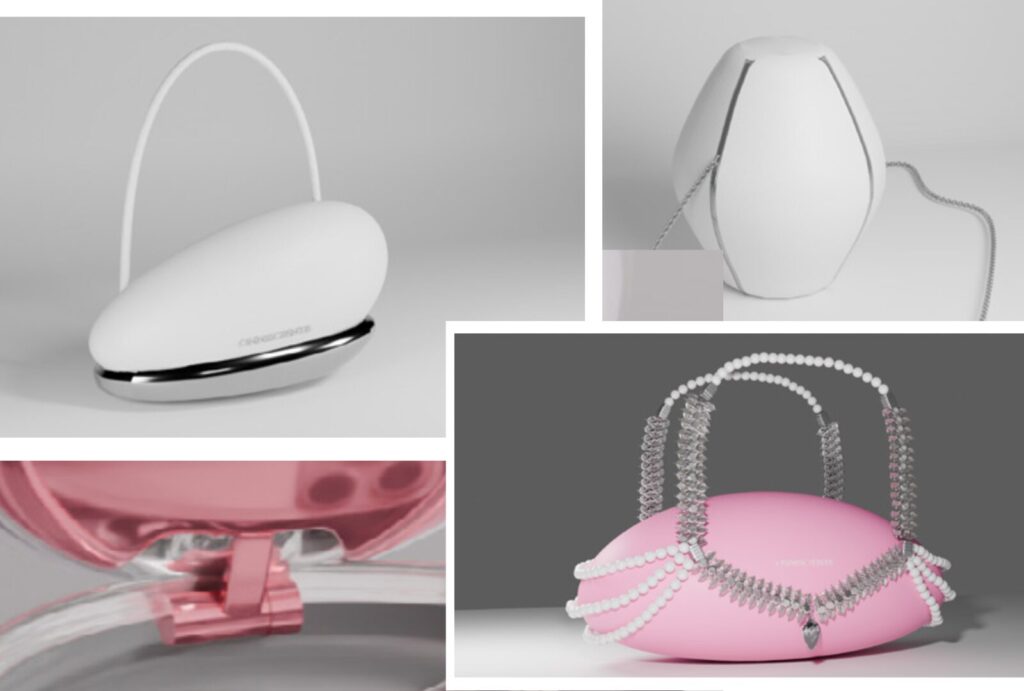
Many of the proposals read like narrative objects: hats that explore contemporary aesthetic pressure, bags that open automatically like theatrical devices, handwoven structures in dialogue with 3D printing and architectural logic. “I was deeply impressed by Nicola Molin’s project, Onnisciente”, said Anna Dello Russo, fashion journalist, international stylist and creative director who was part of the jury. “Molin arrived with a blank page and no references, looking only toward the future. I found everything about it innovative: the Petal Bag, the inspiration drawn from the computer mouse and technology, even the pink Beverly Hills bag, so fancy with its rhinestones, yet incredibly forward-thinking. We come from an analog past; now it’s time to look ahead”.
Inside The Innovative Accessories Challenge Final
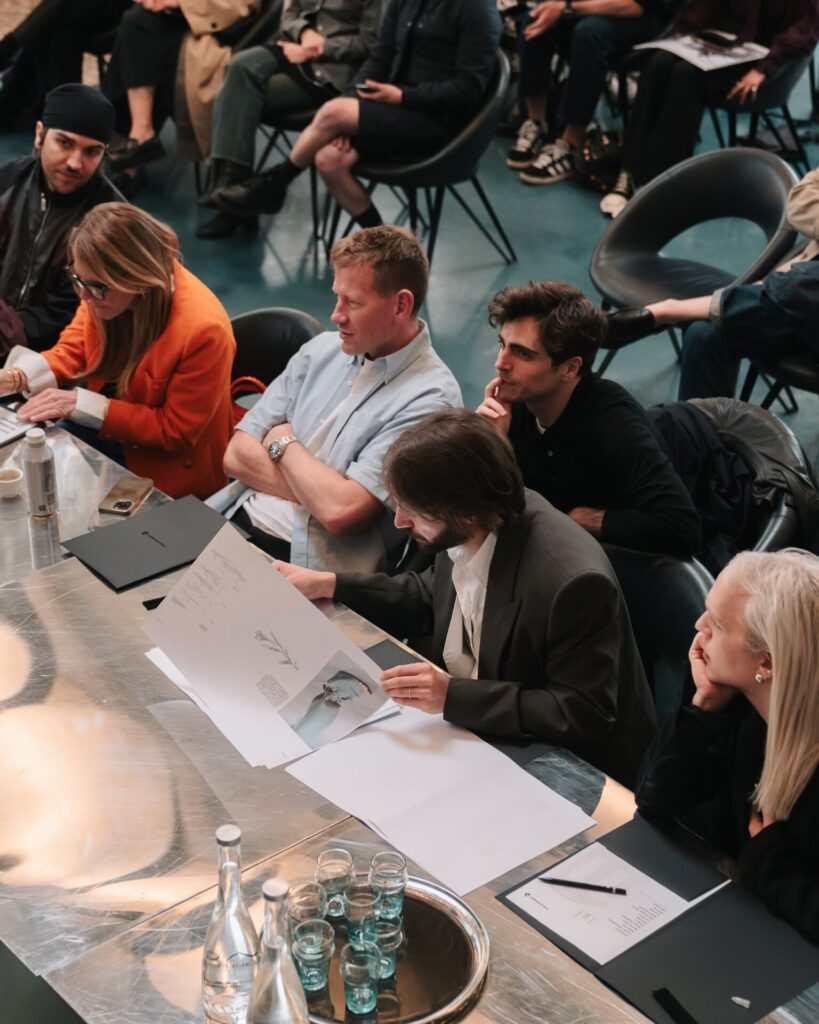
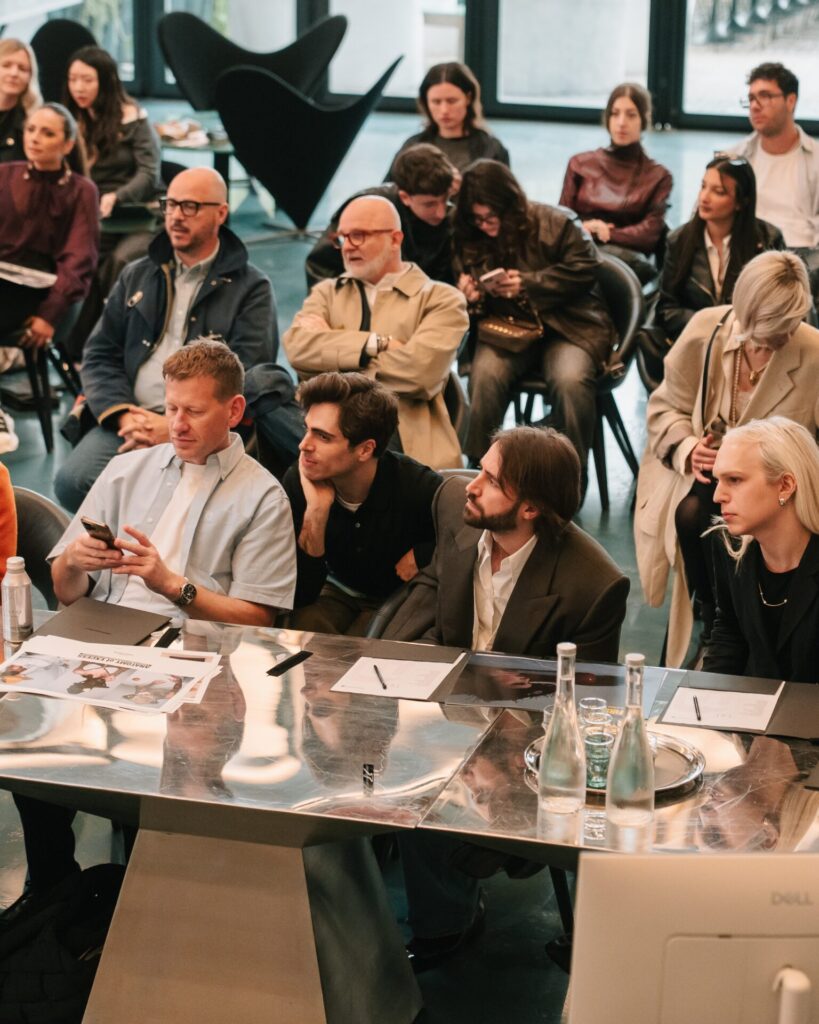
Launched by Istituto Marangoni Firenze in collaboration with Sara Sozzani Maino and with Tod’s Group as special partner, the Innovative Accessories Challenge invited emerging designers from around the world to rethink accessories through innovation, sustainability and craft. The brief was to push beyond traditional definitions of the accessory and transform it into wearable sculpture, functional object or narrative device capable of interacting with the body and its environment. The final projects were evaluated by an international jury including Paul Andrew, Giuliano Calza, Edward Buchanan, Nicolò Beretta, Niccolò Pasqualetti, Anna Dello Russo, Massimo Bonini, Sara Sozzani Maino and Carolina Pelizza, Head of Women Leather Goods at Tod’s.
The Winner Is Manuele Gratteri, a Roman Hat Designer to Watch
With a delicate moustache, translucent skin, a shy smile and an almost disbelieving expression, Manuele Gratteri shakes hands with the jury at the moment he is announced as the winner of the Innovative Accessories Challenge. He will receive a full scholarship for the Master’s in Fashion Design & Accessories at Istituto Marangoni Firenze, along with the production and prototyping of his selected project, which will also be showcased during the institution’s 10th anniversary celebrations.

Born in Rome and trained first in Product Design at ISIA and later in Fashion System Design in Florence, the young designer builds his work as a reflection on the relationship between body, desire and environment. Yet “environment,” in his own understanding, is not merely a physical space: it is a continuous system of relationships, images and pressures that shapes the way we perceive ourselves. The winner’s collection follows a precise progression: from initial desire to final excess. Three hats become the embodiment of a distinctly contemporary tension toward control, perfection and aesthetic overexposure. “We are constantly bombarded by images and stimuli,” he explains, noting how desire often ends up becoming the cause -“almost a guilt,” he adds with a smile- of contemporary visual culture. His participation in the contest began almost by chance, a detail that makes the trajectory even more revealing. He recalls arriving at the introductory event “for an aperitif,” invited by a friend involved in the organization. It was there that the intuition struck: “Could I take part in this contest? I already know what I want to do.” From that moment, the project began to take shape.
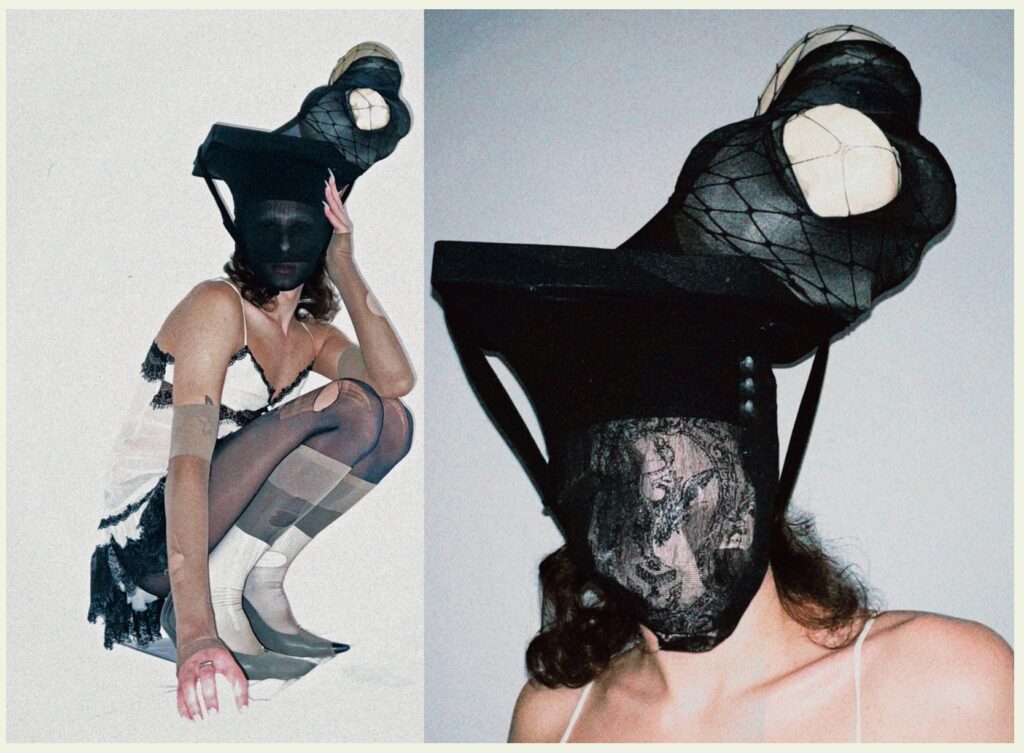
Gratteri’s approach is clearly rooted in product design training. Before silhouette comes meaning. When speaking about contemporary accessories, he insists on what he believes is often missing today: research, references and genuine study. “You draw from so many different things to arrive at a single object,” he explains. And that object, in his intention, should contain all of it without needing further explanation. His method remains deeply analog: films, printed imagery, observation and slow research. For the final photoshoot, one of the main references is Sofia Coppola’s Marie Antoinette, not as a direct aesthetic citation, but as an atmosphere suspended between excess, melancholy and the artificial construction of identity.
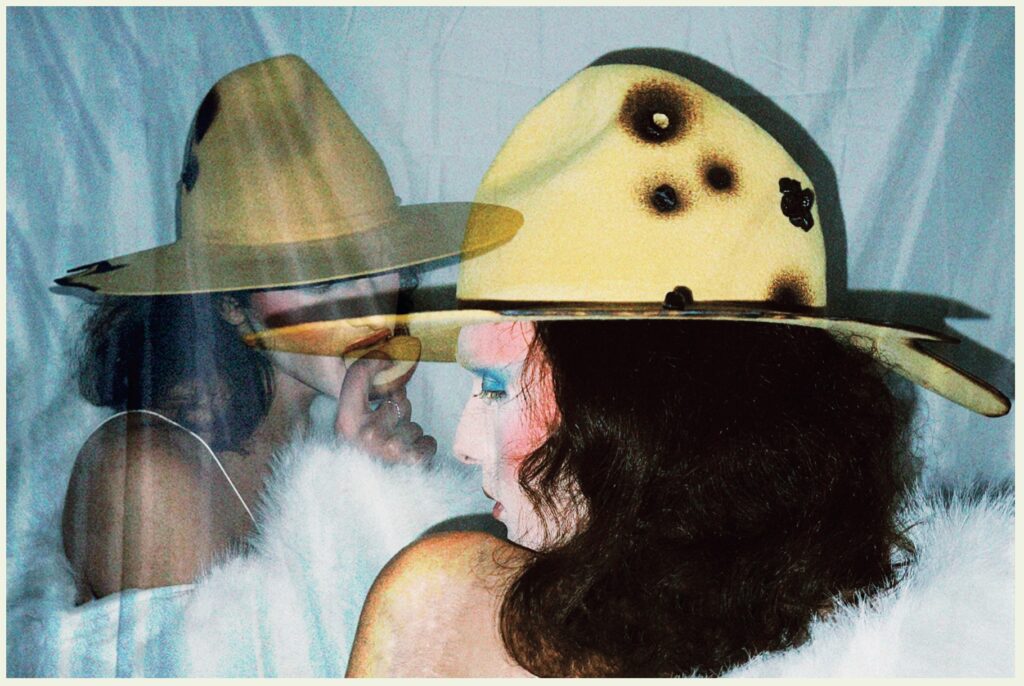
When discussing the future of luxury, his perspective returns to the idea of human presence within the creative process. He envisions “more human commitment” and fewer automatisms: ideas, he argues, still emerge from time, research and lived cultural experience. He listens to Beyoncé and Arisa without hierarchy: “they are vastly different worlds, but both belong to the same cultural baggage.” Among his references he cites JW Anderson and Matthieu Blazy, particularly for their work on materials and the construction of coherent creative universes.
Dana Toder Cinematic Accessories
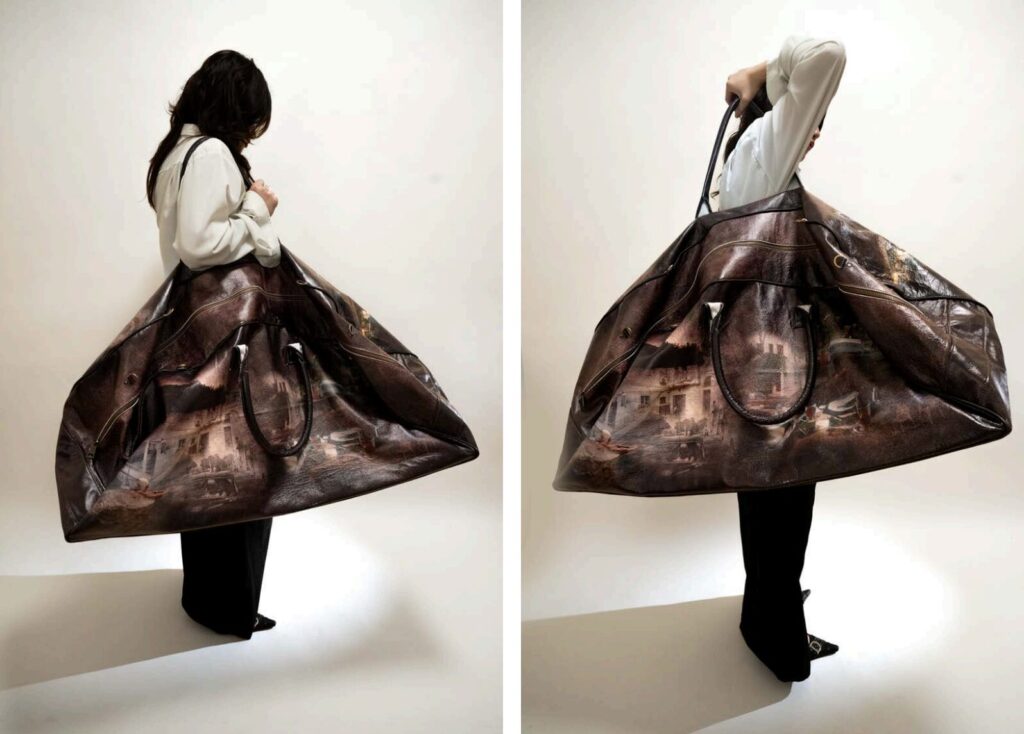
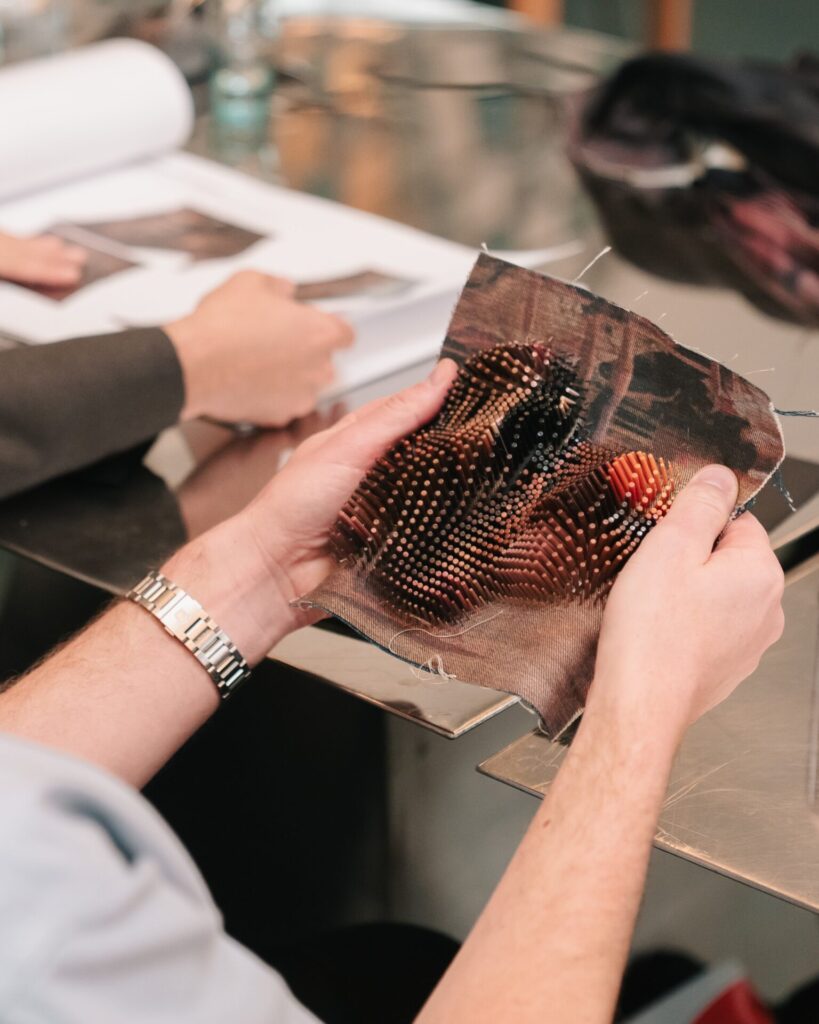
Among the standout projects that most impressed the jury was that of Dana Toder. Her work explored accessories as emotional objects capable of carrying identity, memory and lived experience over time. Combining analogue photography, traditional leather craftsmanship and experimental 3D-printed recycled polymers, Toder transformed personal imagery into tactile surfaces where memories appear embedded, distorted or suspended within the material itself. The result was a series of bold yet functional bags, shoes and caps that shifted the perception of accessories from decorative objects to intimate extensions of the self. “What really struck me were the cinematic images on the bags,” said Sara Sozzani Maino. “It’s something I had never seen before”.
How Architecture And 3D Printing Are Shaping The Future Of Accessories Design
The same cross-disciplinary approach defines the work of Puying Liu, a student at Istituto Marangoni Firenze with a background in architecture in California. Her project merges traditional leather weaving with 3D-printed materials, combining craft and digital structure. TPU, resins and modular surfaces shape objects closer to architectural prototypes than conventional accessories. Yet her focus is not only aesthetic but technical: she describes long cycles of trial and error, software limitations and digital models repeatedly adjusted before reaching viable forms.
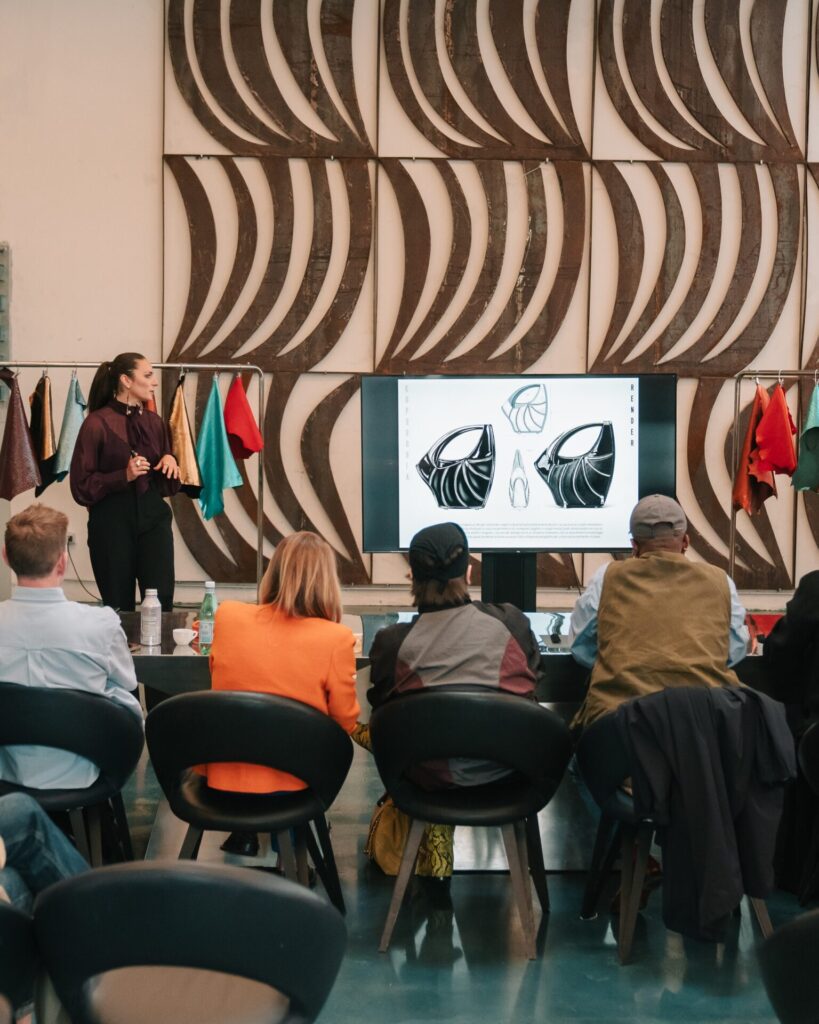

In the end, the Innovative Accessories Challenge offers less a snapshot of trends than a portrait of a generation recalibrating its relationship with objects. What emerges is a renewed attention to process: research, time, error and material intelligence. Cinema, architecture, technology and craft coexist within accessories that resist instant consumption. Beneath their surfaces lies a more urgent question for contemporary luxury: what does an object still need to say in order to matter?


