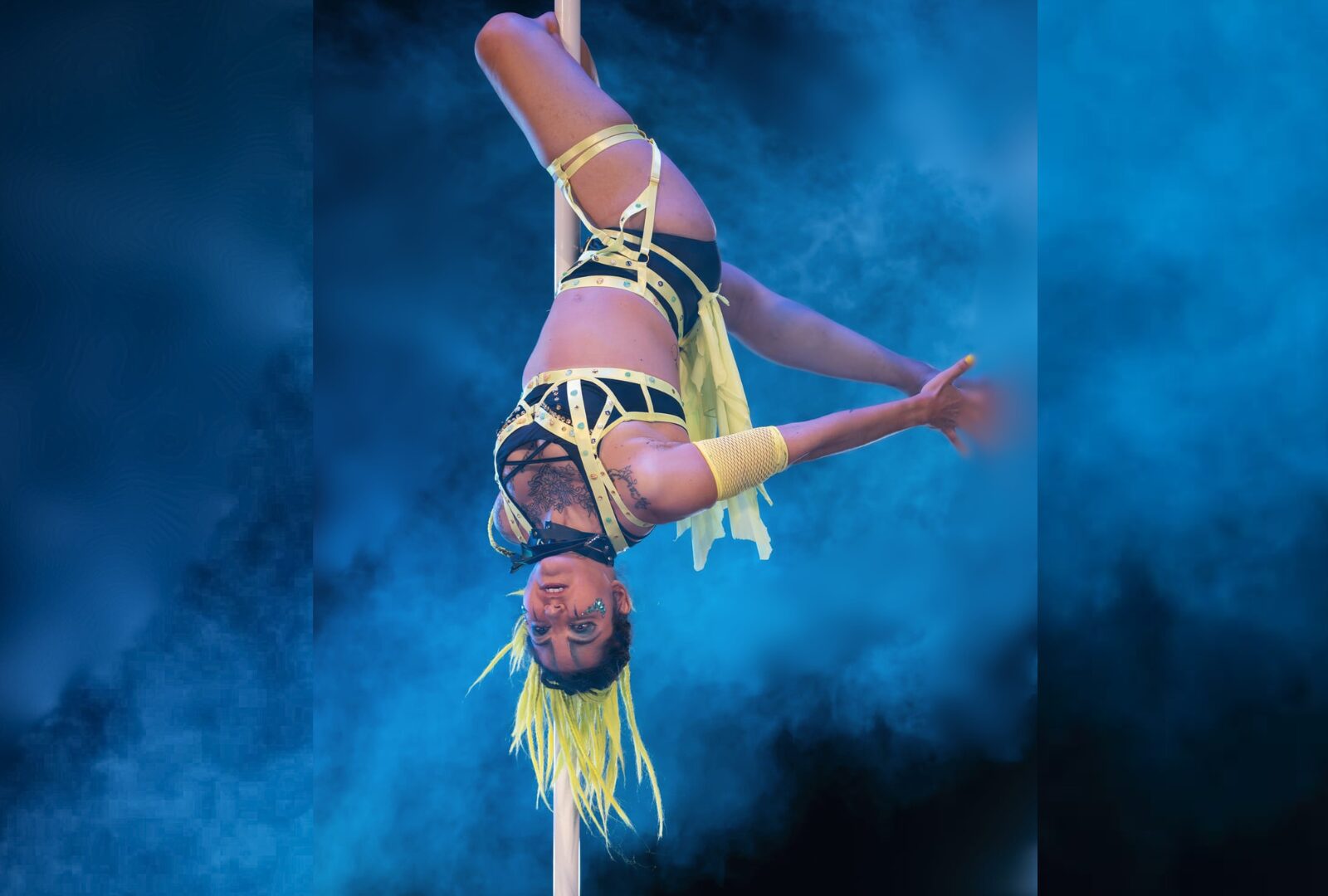
By Azzurra Rinaldi. Cover Azzurra Rinaldi lensed by Unidigita.
I am a librarian. I spend my days surrounded by books, silence, and students looking for inspiration. And three times a week, I hang upside down from a metal pole.
Many people still have the wrong idea about pole dance. The common thought is that it is something for sex workers, not a sport, not a dance, but a sexy movement around a pole, or worse, the same as lap dance. But pole is not lap: pole dancers don’t dance sitting on someone’s lap, and if you are looking at the pole as something phallic, you are simply wrong.
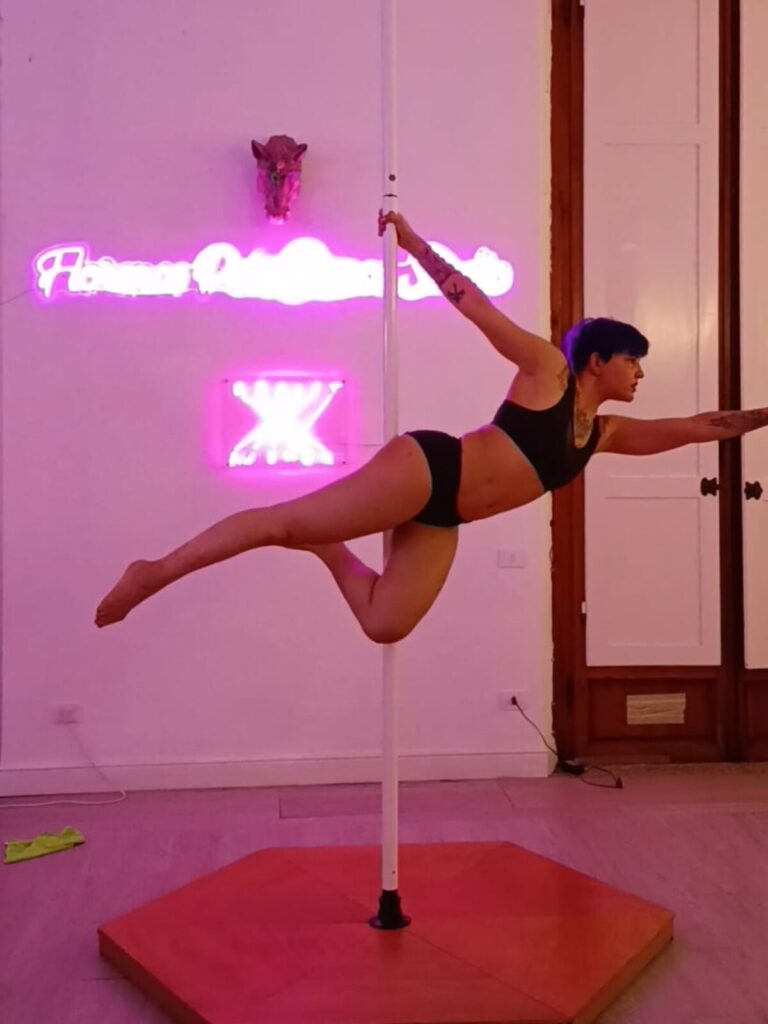
The Different Types of Pole Dance and Why They’re Nothing Like You’d Expect
Of course, there is also a sexy side to pole dance, but can any dance not be sexy and sensual? The truth is that pole dancing, in all its forms (because yes, there is more than one type), is a very hard sport that requires strength, flexibility, and coordination.
This doesn’t mean that sexy pole dance doesn’t exist. It is called exotic, and you practise it wearing very high and quite heavy heels. Then there is the more gymnastic version, pole sport, and the “pure dance” version, pole art. None of these is easier than the others. They are simply different.
The Real Reason Pole Dancers Train in Bikinis
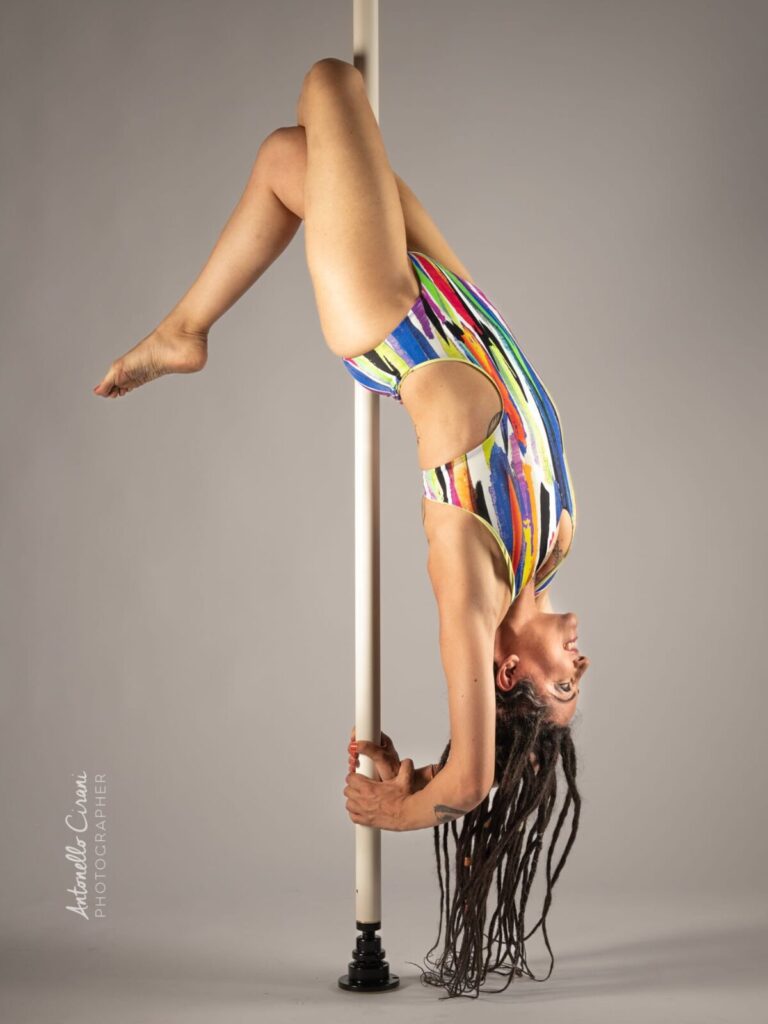
The wrong idea about pole dance is also fuelled by what we wear. We normally train in bikinis or a top and culottes, because we need skin contact to grip the pole. This causes a lot of bruises and burns. Yes, pole dance hurts. Your legs and arms will become marked like a jaguar, and your hands will develop calluses. But everything is amazing!
Why Does Cinema Keep Getting Pole Dance Wrong?
Another factor that reinforces the stereotype of pole dance as purely a way to seduce is cinema. With the exception of the 2021 Netflix documentary Strip Down, Rise Up, most media link pole dance to strip clubs. Probably the most famous example is the 2019 film Hustlers, directed by Lorene Scafaria and starring Jennifer Lopez.
What Pole Dance Actually Does to Your Mental Health
If someone wants to do pole dancing or lap dancing, that is their choice to make. But pole dance should not be chosen only because it is seen as sexy or easy: trust me, it is a real sport, even if it is not yet an Olympic one.
More importantly, pole dancing has a huge psychological impact, not only a physical one. Like all sports, pole dance shows you how strong you can be. But here, you also fight against gravity, and you learn how to win that battle. If you can win against gravity, you can win everything. Pole dancing teaches you not to see so-called aesthetic imperfections. You stop focusing on how your body appears and start feeling what it can do. You see the contrast between your reflection in the gym mirror and the strength that reflection contains — and move by move, you learn to appreciate yourself.
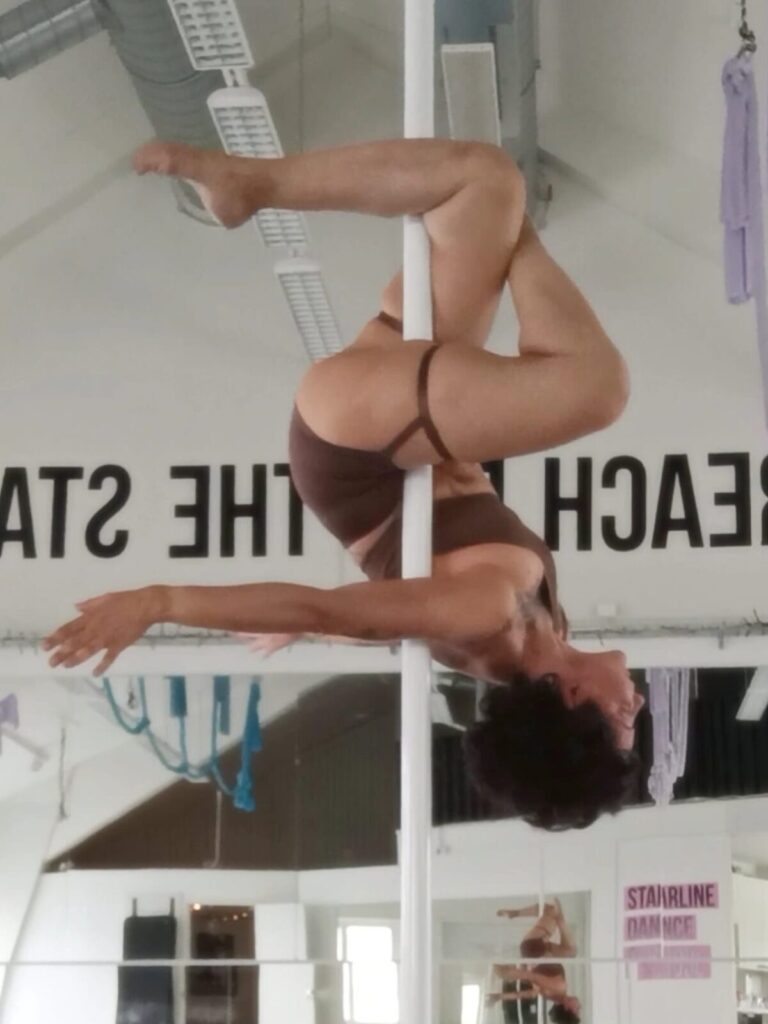
You go beyond what you think your limits are.
There are pole dancers who fight against serious illness and still reach the highest levels of the sport. One of them is Francesca Prini, world pole dance champion, owner of Florence Pole Dance Academy, and a person living with cystic fibrosis, a rare and serious disease. Her story alone dismantles every remaining assumption about who pole dance is for.
Pole Dance as a Superpower
Pole dance is hard, but it is not impossible if you have consistency. Failing and falling are normal, but the beautiful part is that you won’t give up, because nobody is there to judge you, only to support you and applaud your progress.
This sport helps you feel more confident, shifting the focus from how you look to who you are. The more you practise, the more you learn to love yourself, and the more beautiful you become.
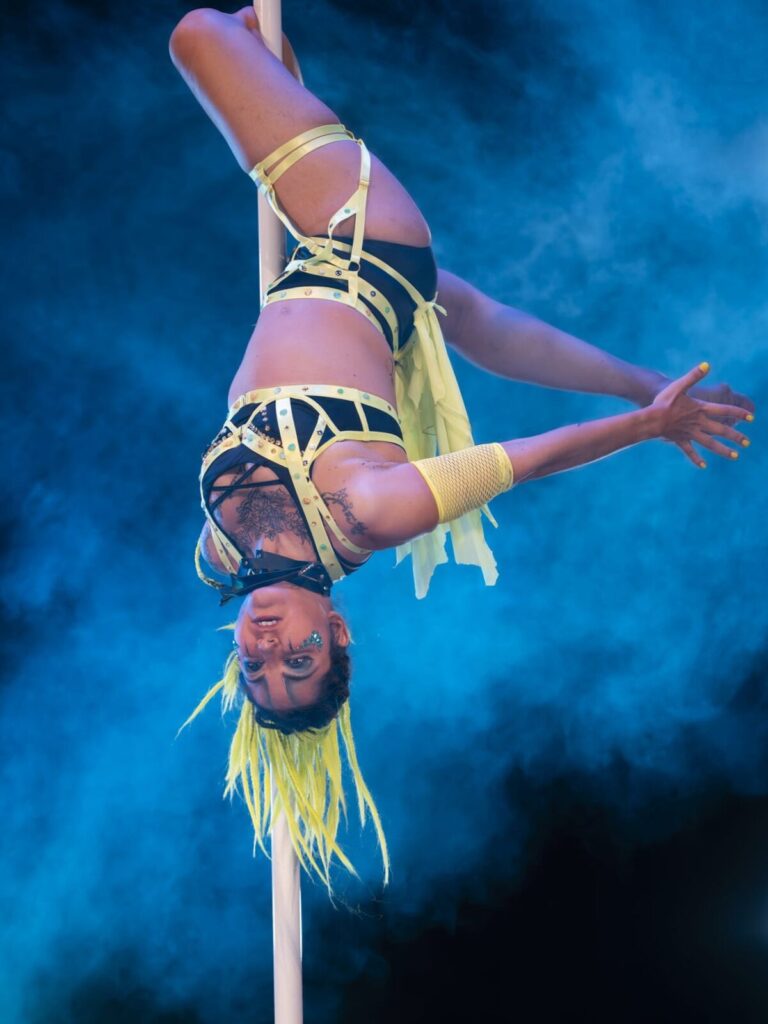
Pole dance teaches you to face fear. The fear of falling. The fear of failing. The fear of being judged. And this fear is not only physical: falling can be a metaphor. You learn to trust yourself. You learn to try again. Facing fear, facing judgement, facing your own limits and still going on.
That is a real superpower.


