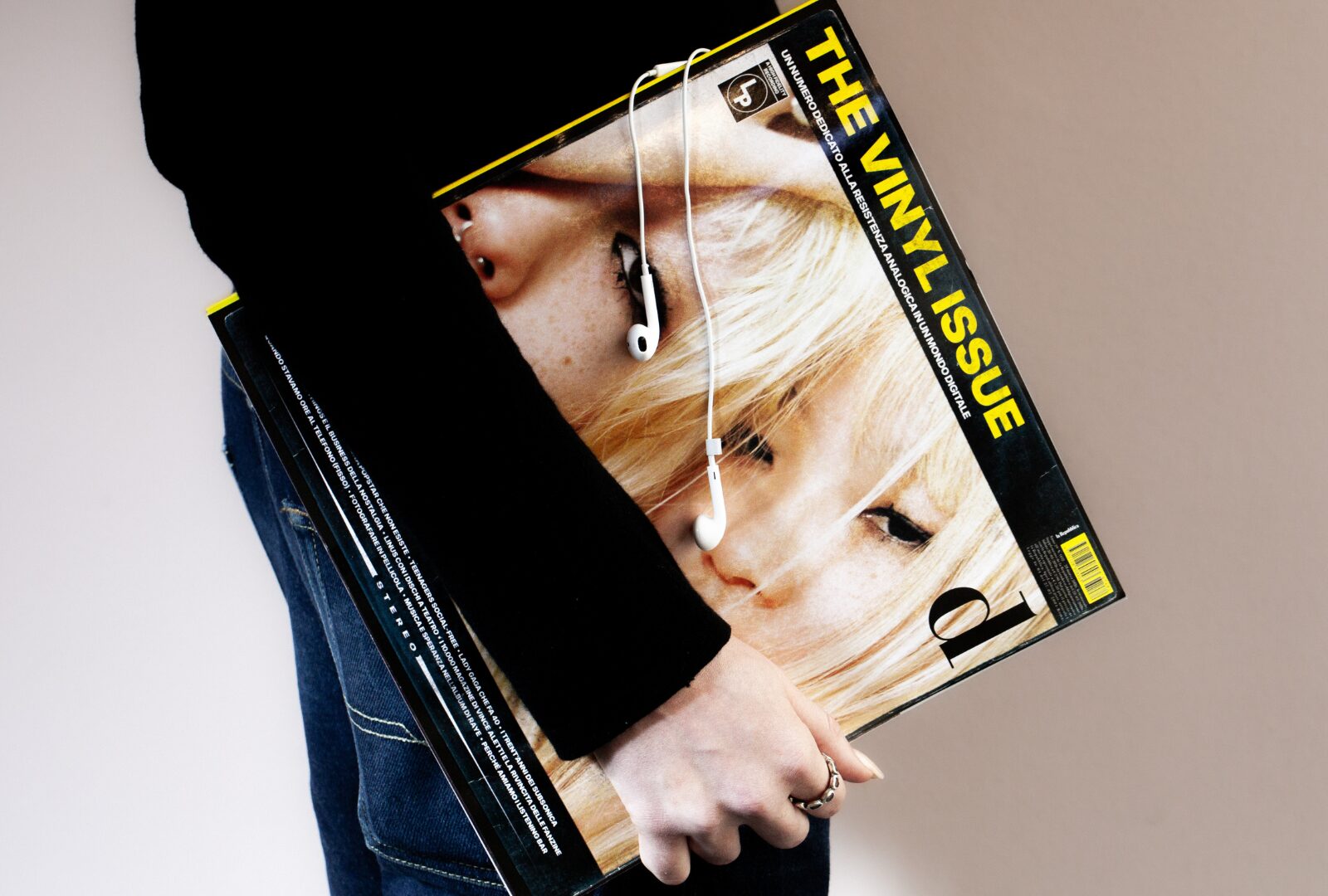
By Giulia Piceni. Cover image by Joyce Ann Kristine Urban with Armando Aureliano Sauzullo.
How d la Repubblica Turned a Magazine into a Sound Design Project
Anniversary projects in fashion media and editorial design often follow a predictable script. Archival covers resurface, iconic shoots are recycled, and nostalgia is packaged as innovation. It is a ritual that reassures more than it challenges, reinforcing the idea that legacy is something to preserve rather than reinterpret.
For its 30th anniversary, d la Repubblica takes a different route, turning to a sound design project that transforms editorial storytelling into audio. Instead of looking back, it listens forward. Ten tracks, conceived as sonic translations of thirty years of editorial history, attempt something far more elusive than a retrospective. They aim to capture the atmosphere of a magazine—its rhythm, its contradictions, its cultural pulse.
At the centre of this experiment lies a collaboration that could easily have felt hierarchical. On one side, established professionals with proven trajectories. On the other, six students navigating the porous boundary between education and authorship.
What the d la Repubblica 30th Anniversary Sound Project Is About
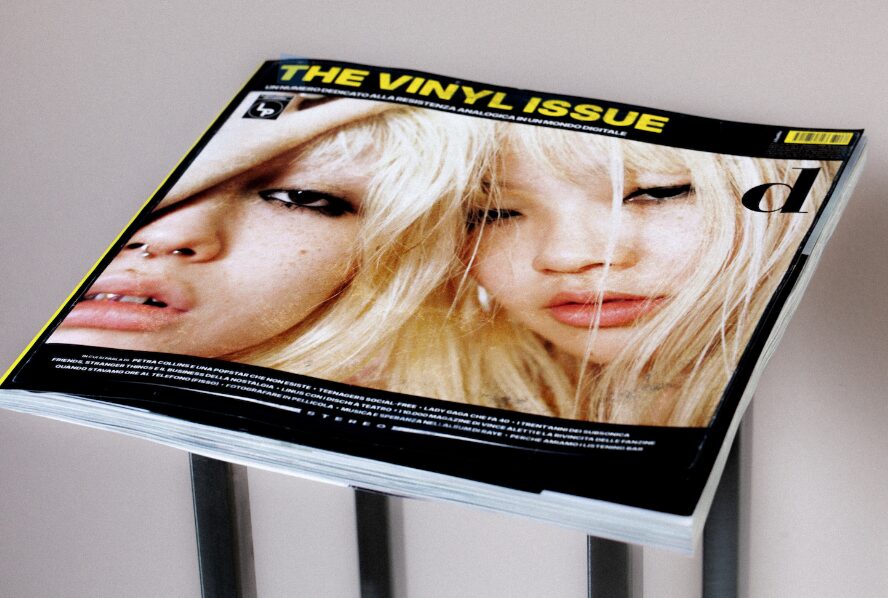
The project reimagines the magazine not as a printed archive, but as a sonic environment. Each track becomes an interpretation of editorial language translated into sound design, where narrative structure is replaced by rhythm, texture, and atmosphere.
How Professional Sound Designers Shape the Sonic Structure
The contributions from Seife, also known as Andrea Barbara, bring a sense of structure to the project. His background, including his collaboration with Mecna on Tutto Ok, is reflected in a refined approach to composition. The tracks are controlled, precise, and aware of their place within a broader cultural framework. Rather than dominating the project, however, they function as anchors. They establish tonal coherence—a kind of sonic grammar that allows the more experimental elements to unfold without collapsing into chaos.
Santamaria Sound, founded by Dorian Stefano Tarantini alongside Paolo Forchetti, adds another layer of depth. Tarantini’s experience as artistic director of Plastic is reflected in the way the tracks navigate between club culture and conceptual design. There is a sensitivity to atmosphere, to the subtle interplay between sound and space. What is striking is not only the quality of these contributions, but also their generosity. They do not impose a rigid vision. Instead, they create a framework within which other voices can expand. In doing so, they redefine what professional authority can look like in a collaborative context.
Inside the Sound Design Works by Istituto Marangoni Firenze Students
If the professionals provide structure, the students provide momentum. Rosy Ramirez’s The Next Morning is a perfect example of how a seemingly literal idea can evolve into something deeply evocative. Sounds of typing, pages turning, and fragmented letters gradually align into coherence. What could have been a straightforward translation of editorial work becomes a meditation on creation itself. There is a sense of movement within the track—a transition from disarray to clarity that mirrors not only writing, but thinking. It captures the invisible labour behind every published page, transforming it into a sonic experience that feels both intimate and expansive.
Mikhael Grinblat’s Staten Island shifts the focus outward, embracing the rhythm of the city. Metro doors closing, announcements echoing, and percussive elements emerge from everyday gestures. The track situates the magazine within a broader urban context, reminding us that editorial culture does not exist in isolation but is constantly shaped by its surroundings. What makes it compelling is its immediacy: the track allows the raw material of the city to generate its own rhythm, creating a soundscape that feels both familiar and reimagined.
How Student Sound Designers Translate Emotion into Audio
Kristine Urban’s Mouth Full of Air introduces a different kind of sensitivity. The interplay between electric textures and warmer, almost organic sounds creates a gradual shift from tension to comfort. What stands out is the restraint. The track trusts the listener to navigate its emotional landscape, allowing meaning to emerge organically. In a project that could easily have been overwhelmed by theory, this clarity feels almost radical.
Emina Kovačević’s SCR. operates within a more introspective space, exploring emotional conflict and vulnerability. The movement between energising rhythms and more meditative passages creates a dynamic tension that reflects the complexity of contemporary identity. The track acknowledges contradiction as an integral part of the experience, echoing the way modern editorial narratives often resist simplistic interpretation.
Sound Design and Identity in Contemporary Culture
Armando Aureliano Sauzullo’s Composizione 30 pushes the project into more experimental territory. Identity is treated as a layered, unstable construct, articulated through a slow, airy techno structure. The absence of a clear rhythmic drive creates a sense of suspension, allowing timbre and low-frequency elements to take centre stage. The result is a piece that feels less like a composition and more like an environment, a space in which different sonic elements coexist without collapsing into a single narrative. This approach resonates with the way fashion increasingly engages with identity, not as a fixed statement but as a fluid, evolving surface.
Why Fashion Sound Design Focuses on Texture and Tactility
Anja Stroka’s DMag Velvetgrain Mixdown brings the project back to the materiality of fashion. The track is built on layers of texture, with echoes and reverbs creating a sense of depth that feels almost physical. There is a tactile quality to the sound, as if it were mimicking the sensation of fabric against skin. Patterns emerge, repeat, dissolve, only to reappear in different forms. It is a subtle but powerful reminder that fashion is not only visual but also sensory. By translating this tactility into sound, the track bridges the gap between disciplines in a way that feels intuitive rather than forced.


