By Luca LI. Cover image Fendi Group courtesy
When Notre-Dame Cathedral caught fire on April 15, 2019, the world watched in shock as centuries of history seemed to disappear into smoke. Within hours, François-Henry Pinault, chairman of Kering, pledged €100 million toward its restoration. Shortly after, LVMH committed €200 million. But these were not isolated gestures. For decades, luxury groups have quietly invested in the preservation of historic landmarks. With their blend of avant-garde vision and refined aesthetics, fashion houses are uniquely positioned to protect architectural heritage while reinterpreting it for contemporary life. From Rome’s fountains to Shanghai’s historic mansions, brands like Fendi, Prada, and Tod’s have embraced the role of cultural custodians. In 2026, their message is clear: luxury is no longer just about products — it’s about legacy.
Luxury Brands and Cultural Heritage: Iconic Examples
Fendi Brings Rome’s Fountains Back to Life
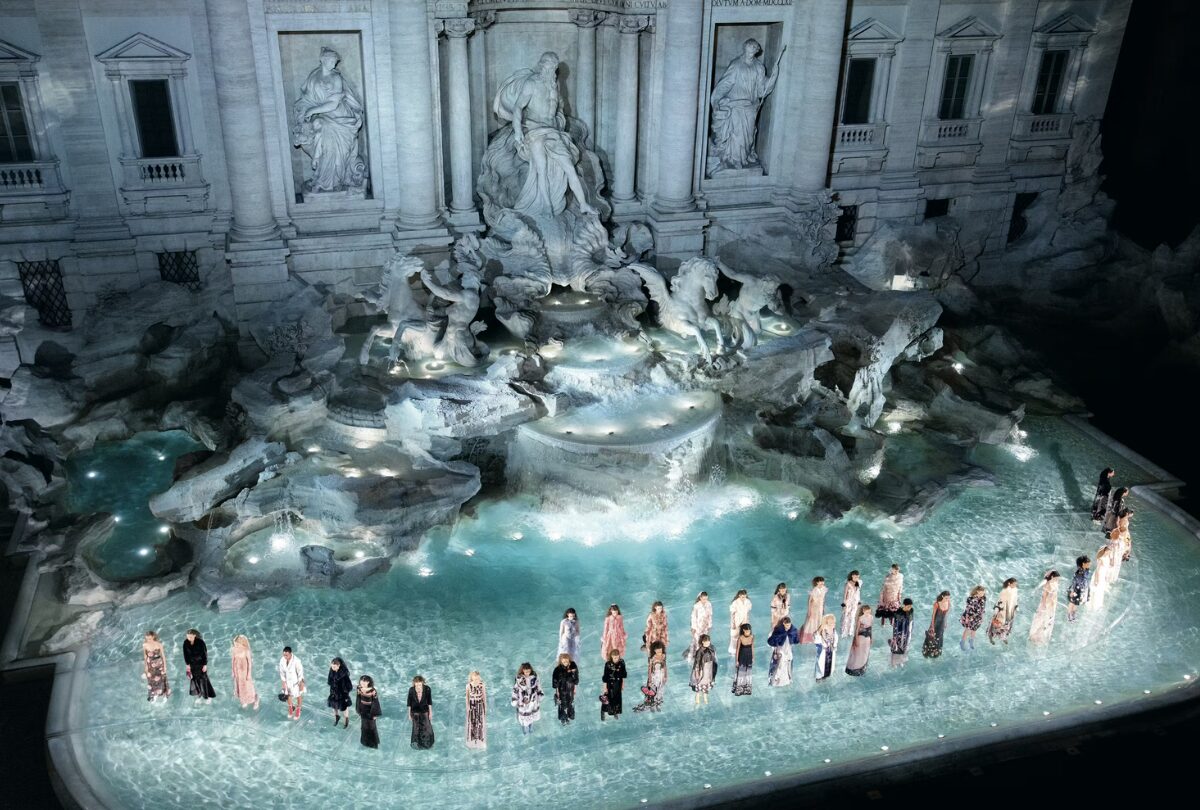
Fendi staged a multi-venue event spectacular that had models literally walking on the water of Rome’s Trevi Fountain and ended with moonlit dancing in the lush Villa Borghese(Image credit: Fendi)
Few brands are as deeply tied to Rome as Fendi, part of the LVMH group. In 2013, the maison pledged €2.18 million for the restoration of the Trevi Fountain — one of the city’s most iconic landmarks. In 2016, the fountain became the spectacular stage for Fendi’s FW2017 show, celebrating the house’s 90th anniversary in the Eternal City.

That same year, the brand launched the initiative Fendi for Fountains, funding the restoration of four historic Roman fountains: Acqua Paola at the Gianicolo, Mosè in Piazza San Bernardo, Peschiera in Piazzale degli Eroi, and Acqua Vergine at Pincian Hill. The project required an investment of €280,000, according to WWD.
Rome is often called the “Fountain Capital of Europe,” and its water monuments are more than decorative — they are living artworks. While restoring fountains may seem unusual for a luxury brand, for Fendi they are part of a deeper narrative. These monuments embody the city where the house was founded, weaving heritage directly into its identity and storytelling.
Prada’s Heritage Projects: From Shanghai Mansions to Italian Icons
Prada Rong Zhai is the historic 1918 residence located in the heart of Shanghai, inaugurated on October 12, 2017, after a restoration by the Prada Group
Across the globe, Prada has taken a similar yet globally minded approach. In Shanghai, the Prada Group restored the Rong Zhai Residence, a Western-style mansion once home to Rong Zongjing, known as China’s “Flour King.” Before the Liberation, the residence was a gathering place for Shanghai’s political and commercial elite.
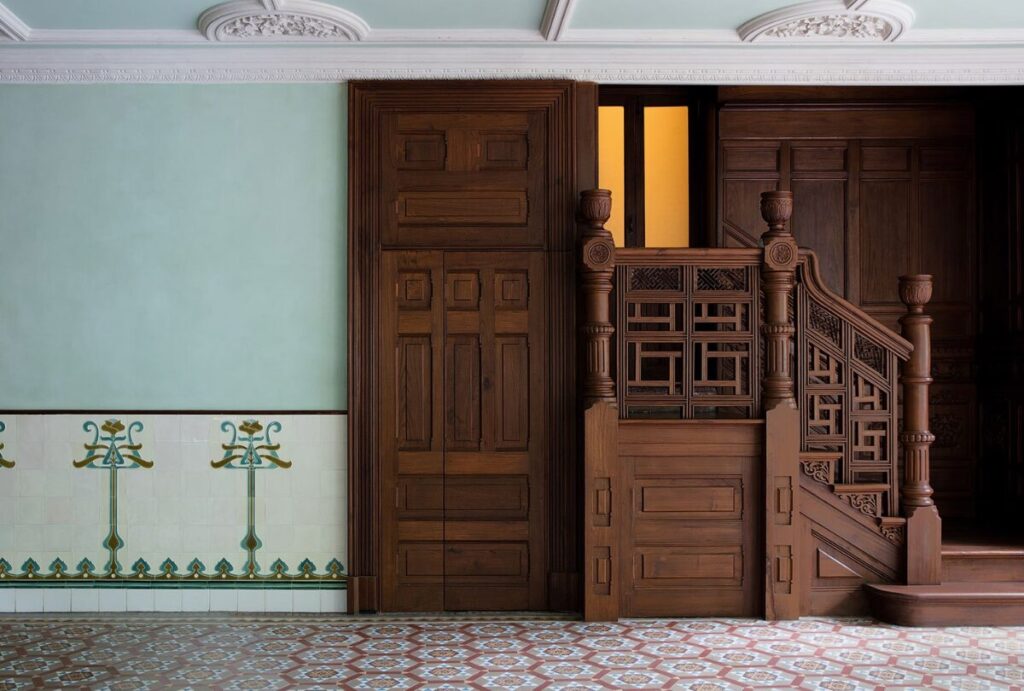
The project marked a meaningful collaboration between the luxury industry and historic Chinese architecture. Yet it was not Prada’s first commitment to heritage preservation.
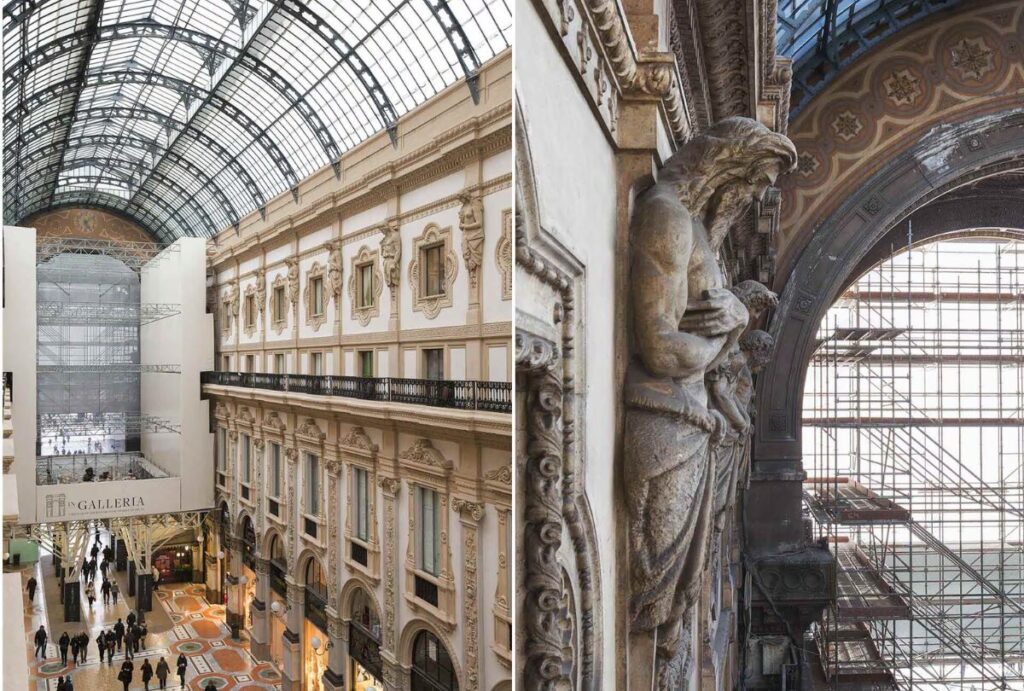
In Milan, the group contributed to the restoration of the 19th-century Galleria Vittorio Emanuele II in 2015. In Venice, it transformed Palazzo Ca’ Corner della Regina into an art space.
In Bologna, on the occasion of opening its store in Galleria Cavour, Prada partnered with the Italian Environment Fund and local heritage authorities to restore four 18th-century plaster statues and three arches at Palazzo dell’Archiginnasio. The sculptures trace back to the founding collection of the Academy of Fine Arts in 1710, inspired by classical masterpieces now preserved at the Uffizi Gallery and the National Archaeological Museum of Naples. Through these interventions, Prada positions architecture as a bridge — not only between past and present, but between cultures.
Tod’s and the Colosseum: A Love Letter to Italy
Back in Italy, Tod’s invested in one of the country’s most powerful symbols: the Colosseum. Through its fund Amici del Colosseo, the brand pledged €25 million toward the monument’s restoration. Despite centuries of fires and earthquakes, the Colosseum still attracts more than six million visitors each year. Standing within its arches, you can almost feel the ambition and intensity of ancient Rome — which makes its preservation deeply emotional.
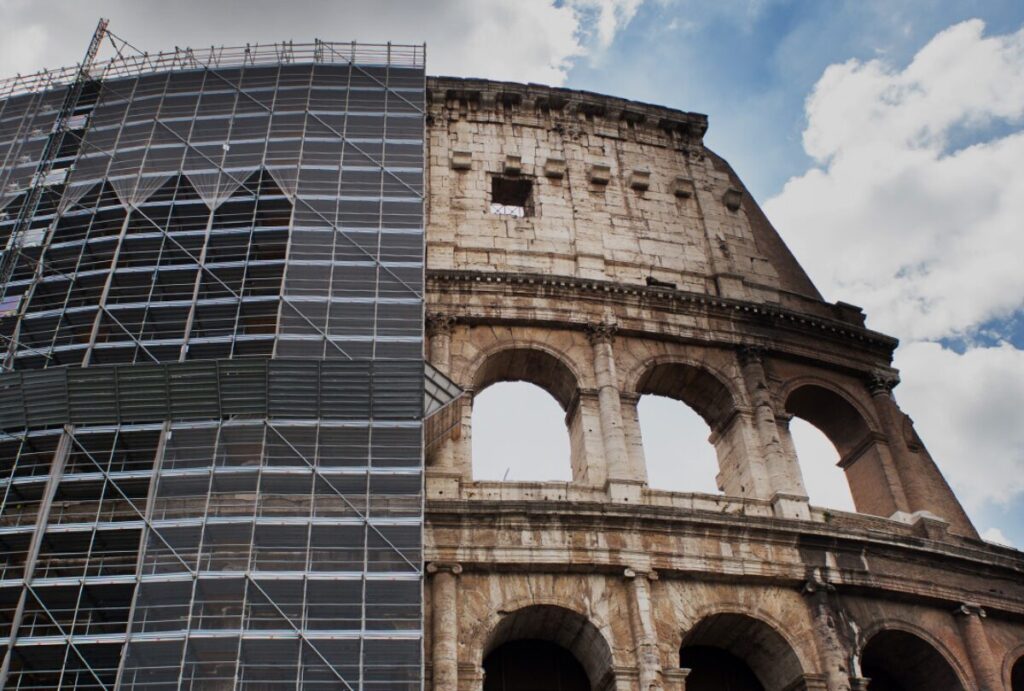
What made Tod’s involvement especially striking was its discretion. During the restoration, no advertising appeared on the scaffolding. Chairman and CEO Diego Della Valle emphasized that the initiative was about giving back, not commercial gain.
The commitment continued in Milan, where Tod’s donated €5.2 million to support the restoration of Teatro alla Scala. Since 2011, the group has been a Founding Member of the Fondazione Teatro alla Scala.
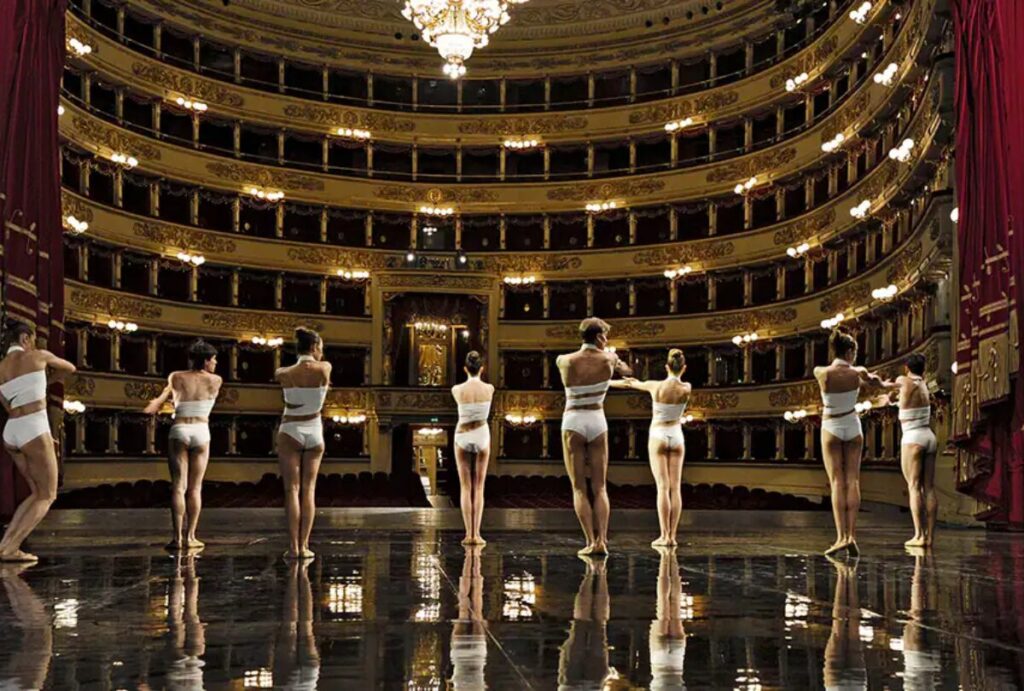
The partnership even evolved into creative storytelling. Thirteen dancers from La Scala’s Corps de Ballet performed An Italian Dream, translating the maison’s values — passion, craftsmanship, precision — into movement inside the theatre’s legendary interiors. It was fashion meeting culture in its most poetic form.
Why Heritage Is the New Luxury
Architecture is one of the clearest mirrors of an era. Every façade carries ambition. Every column holds memory. Today, luxury can no longer rely solely on high prices or glossy campaigns. Its power lies in values — in building something people believe in. When a brand restores a monument or protects an opera house, it enters a dialogue with history. Of course, such initiatives strengthen reputation and reinforce long-term positioning. But beyond strategy, something more lasting remains.
By safeguarding historic landmarks and cultural institutions, luxury houses are reshaping what prestige truly means. Not just creating objects of desire — but protecting the beauty and memory that define us. And maybe that is the ultimate status symbol of our time.


