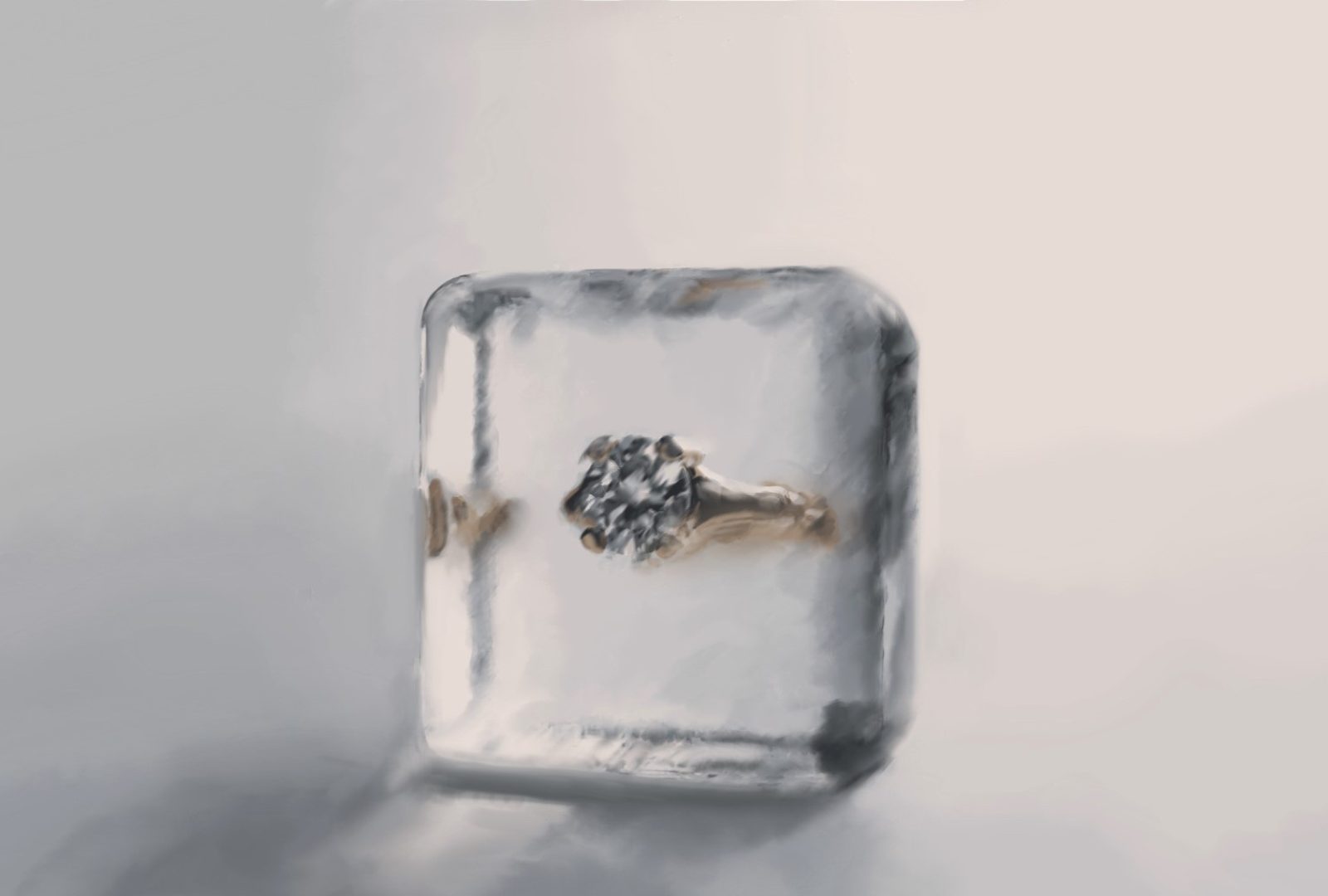
By Ana Karen Garcia. Cover image by Ana Karen Garcia Resendiz.
While fashion trends rotate at lightning speed and closets feel more disposable than ever, jewelry remains. It doesn’t expire, it doesn’t lose relevance, and it doesn’t require a special occasion. In 2026, jewelry isn’t just an accessory — it’s a choice, a statement, and maybe even a form of reassurance.
The Safe Haven Effect: Why Jewelry Feels Like a Smart Love Affair
When the world feels uncertain, people look for things that last. Maybe that’s why jewelry feels so appealing right now. Clothes fade, trends change, but jewelry stays — it holds memories, meaning, and yes, value.
In a way, it makes sense that modern luxury is shifting toward pieces that feel permanent, not disposable. What makes jewelry especially interesting in the sustainability space is its longevity. Unlike fast fashion, jewelry is meant to last. Pieces are worn repeatedly, passed down, and reinterpreted over time. There’s something about jewelry that makes it feel untouchable — too personal to discard.
This may be why sustainability here doesn’t feel forced and instead comes naturally. Investing in one well-made piece makes sense, both ethically and aesthetically. This idea of jewelry as a “safe haven” has pushed growth across both costume and fine jewelry, with sales in both categories expected to rise steadily in the coming years. Here, emotional value meets financial reassurance — and suddenly, jewelry makes sense on every level.
Who’s Driving the Jewelry Boom in 2026? New Rules, New Consumers
One of the fastest-growing segments in jewelry right now is men’s jewelry, and the reason is simple: men are finally having fun with it. Accessories are no longer limited to a wedding band or a watch. Pearl necklaces, signet rings, sculptural brooches, and bold chains are everywhere now. Jewelry has become a tool of self-expression for everyone.
The rise of gender-fluid fashion jewelry has become less about categories and more about attitude. In this new landscape, jewelry feels freer than ever — less traditional, less rigid, and far more personal. Jewelry in 2026 isn’t about who it’s for; it’s about how it makes you feel.
Brands are responding to this shift in the most effortless way possible: by letting go of labels. Jewelry design is becoming more modular, minimalist, and sculptural — pieces that don’t ask who they’re for, only how you want to wear them. In stores and online, the old divisions between “men’s” and “women’s” are quietly disappearing. Instead of separating collections by gender, brands are presenting their pieces as universal. The result? Less friction, more freedom. A generation that prioritizes aesthetics over categories is embracing jewelry that feels fluid, personal, and adaptable — because style, after all, has never really cared about labels.
The Men’s Jewelry Trends Defining Menswear FW26
The latest editions of Menswear Fashion Week Fall/Winter 2026 in Milan and Paris (January 2026) officially crowned men’s jewelry as a defining trend, elevating it from an optional accessory to a true identity statement. What once played a secondary role is now central to the look, shaping silhouettes and reinforcing personal style. This boom has been fueled by global style icons such as Harry Styles, Pharrell Williams, and Timothée Chalamet, whose fearless approach to jewelry continues to blur the boundaries between fashion, gender, and self-expression, making adornment an essential part of contemporary menswear.
So, what are the jewelry key trends emerging from FW26? Oversized brooches and floral pin-watches appeared on Dolce & Gabbana jackets like rock-and-roll relics, transforming tailoring into something symbolic and expressive. Armani leaned into restraint, with minimalist, almost ethereal pins that evoked platinum Zen gardens and a quiet sense of balance. Sculptural gold cuffs intertwined with multi-metal rope chains — seen at Bottega Veneta and Dior — pushed baroque stacking to new heights, celebrating excess with intention.
Meanwhile, imperfect baroque pearls fused with mixed chains at Jacquemus and Saint Laurent injected a rebellious, gender-fluid energy into classic forms. Oversized signet rings, engraved and geometric, were stacked like personal talismans, each piece carrying an intimate meaning. Mixed metals and yellow gold ultimately wove together the FW26 aesthetic, framing a new idea of luxury: not loud or performative, but lived-in — a daily epiphany rather than an act of ostentation.
Why Jewelry Is Emerging as Fashion’s Most Sustainable Category in 2026
Meanwhile, sustainability is no longer a bonus — it’s becoming part of the decision-making process itself. More and more purchases are influenced by how pieces are made, where materials come from, and what brands stand for.
This shift comes with higher expectations. Consumers are no longer impressed by green buzzwords or performative campaigns. What they want is clarity, traceability, and proof. As sustainability becomes central rather than optional, the brands that will truly stand out are the ones willing to be transparent, intentional, and honest about their social and environmental impact.
Because in the end, the future of jewelry isn’t just about how it shines — it’s about what it represents. So, is jewelry the rising sustainable market of 2026? It certainly seems that way. Not because it’s loud or trend-driven, but because it fits seamlessly into how people live and think today. Sustainable jewelry doesn’t ask you to compromise style for ethics — it offers both, wrapped in gold, silver, and stones that tell a better story.


