By Muge Kucukyumuk. Cover image by Mikhael Grinblat
The countdown is on for fashion’s most anticipated event: the first Monday in May, when the Met Gala lights up the Metropolitan Museum of Art in New York City. As whispers of gowns, drama, and surprise appearances flood Instagram feeds, all eyes are already on the 2026 edition.
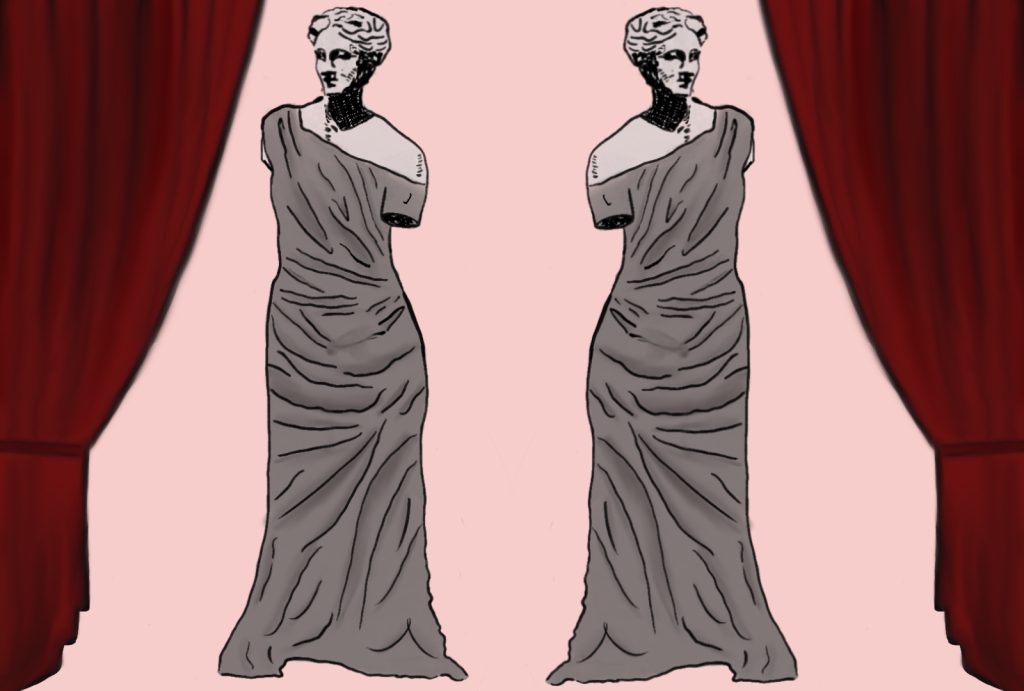
Announced last fall by Andrew Bolton, Curator in Charge of the Costume Institute, the theme “Costume Art” celebrates the institute’s history while reframing the body within art and fashion. Bolton told Vogue: “The idea was to put the body back into discussions about art and fashion, and to embrace the body.” The exhibition is structured around three categories: omnipresent bodies in art (classical nudes), undervalued bodies (aging and pregnant bodies), and the universal anatomical form. The dress code remains under wraps, fueling speculation—rumors already point to Schiaparelli as a frontrunner.
Met Gala 2026 Power Players: Co-Chairs, Host Committee, and Key Sponsors
The co-chair lineup is pure star power: Beyoncé (returning after a decade-long absence), Nicole Kidman (Chanel ambassador under Matthieu Blazy’s bold new vision), Venus Williams—tennis legend, fashion entrepreneur, and body-positivity advocate—and Anna Wintour, Vogue’s enduring queen.
The host committee includes Anthony Vaccarello, Creative Director of Saint Laurent, and Zoë Kravitz (YSL ambassador), alongside Sabrina Carpenter, Doja Cat, Alex Consani, Chloe Malle (recently appointed Vogue US Head of Editorial Content), and Sam Smith. Major donors include Jeff Bezos and Lauren Sánchez, who are also among the event’s key sponsors alongside Saint Laurent and Condé Nast.
From Eleanor Lambert to Diana Vreeland: The Making of the Met Gala
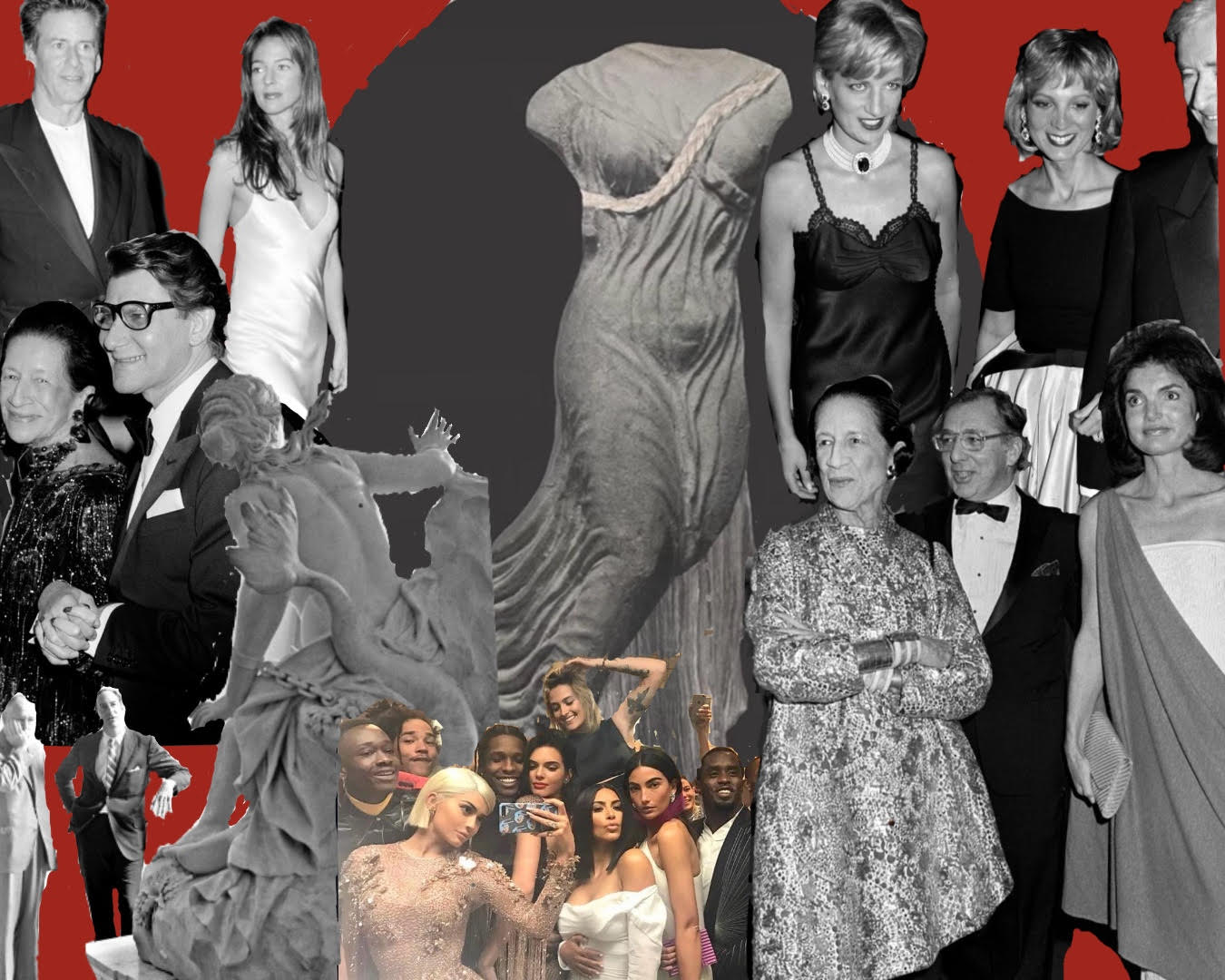
Before diving deeper into this year’s theme, it’s worth revisiting the history of the Met Gala. Launched in 1948 by Eleanor Lambert as a fundraiser for the newly established Costume Institute at the Metropolitan Museum of Art, the Gala began modestly. Tickets cost just $50 (proof that I could have afforded the Met Gala—if only I’d been born earlier). In its early years, the event wasn’t even held at the museum, instead taking place at various New York locations such as the Rainbow Room, Central Park, and the Waldorf Astoria Hotel. Glamour wasn’t the point yet: the Gala functioned primarily as an exhibition opening and fundraising event.
Everything changed in 1972, when legendary Vogue editor-in-chief Diana Vreeland joined as a consultant. She introduced themes, invited celebrities, and transformed the Gala into a cultural ritual—a role she shaped until her death in 1989.
Anna Wintour and the Making of the Modern Met Gala
Anna Wintour took the reins in 1995, catapulting the Met Gala into the global stratosphere. She moved the event from December to the first Monday in May, enforced a strict no-photos policy (despite the now-iconic bathroom selfies by stars like Rihanna), and capped attendance at around 400 guests to heighten exclusivity.
Inside the Met Gala Economy: Tickets, Tables, and Power
Today, the Met Gala is a singular cultural event, drawing politicians (from Obama to Macron), athletes, actors, models, and musicians. Ticket prices have risen dramatically—from $50 to approximately $75,000, according to reported sources. In reality, fashion houses and corporations typically purchase entire tables and invite guests—pending, of course, Anna Wintour’s approval.
Details on the dress code and further committee members will be revealed closer to the event. Meanwhile, rumors suggest several celebrities are already lining up for custom Schiaparelli looks—proof that excitement for the first Monday in May 2026 has officially begun.


